
The Ass in the Lion’s Skin — History & Facts
In The Ass in the Lion’s Skin, the viewer sees a donkey disguised in a lion's skin. The colors are vibrant, with the rich golden hues of the lion's fur contrasting against the donkey's more muted tones. The setting is likely a natural environment, emphasizing the theme of deception.
This visual contrast highlights the absurdity of the donkey's disguise. The painting is executed in oil on canvas, a common medium for the Victorian period. The brushwork is detailed, allowing for a clear distinction between the textures of the donkey and the lion's skin. The composition draws the eye towards the central figure, making the donkey's foolishness the focal point.
The use of color and light further enhances the narrative of the painting. Walter Crane was a prominent figure in the Victorian art scene, known for his illustrations and decorative arts. The Ass in the Lion’s Skin reflects the moral lessons often found in fables, emphasizing the folly of pretending to be something one is not. An interesting fact about this work is that it draws inspiration from Aesop's fables, which were popular during Crane's time.
This connection to literature adds depth to the visual narrative.
More Artworks by Walter Crane

Oranges and Lemons
Walter Crane
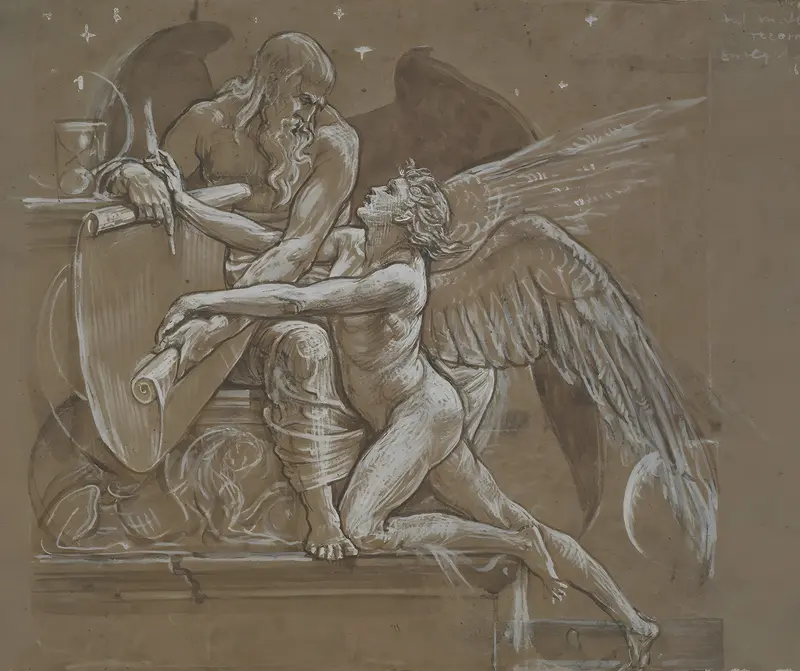
The Roll of Fate, England
Walter Crane
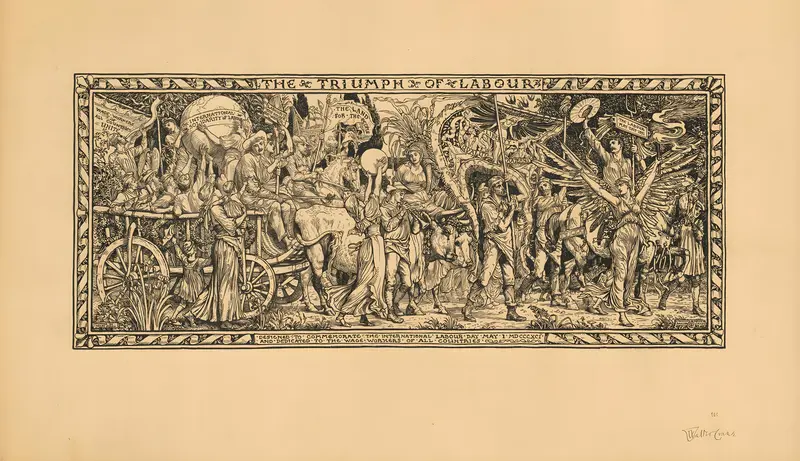
The Triumph of Labour. Designed to commemorate The International Labour Day
Walter Crane
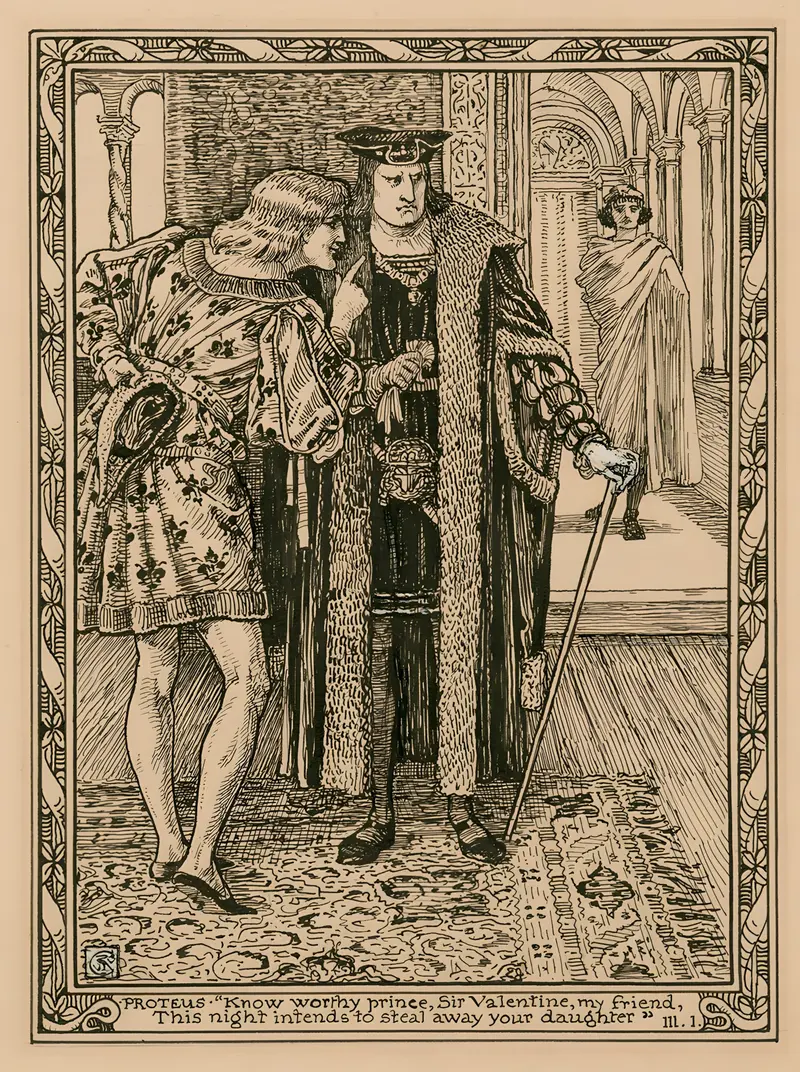
Proteus; ‘Know worthy prince, Sir Valentine, my friend, this night intends to steal away your daughter’, III, 1
Walter Crane
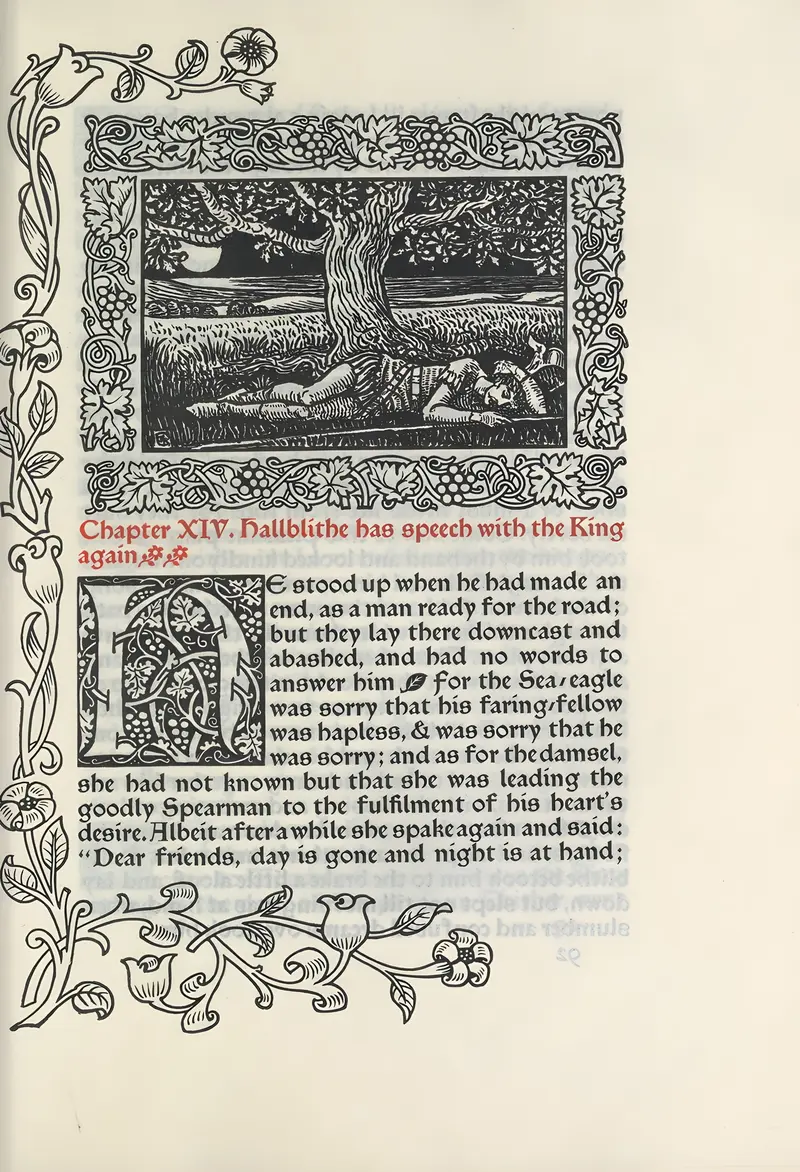
Chapter XIV. Hallblithe has speech with the King again
Walter Crane
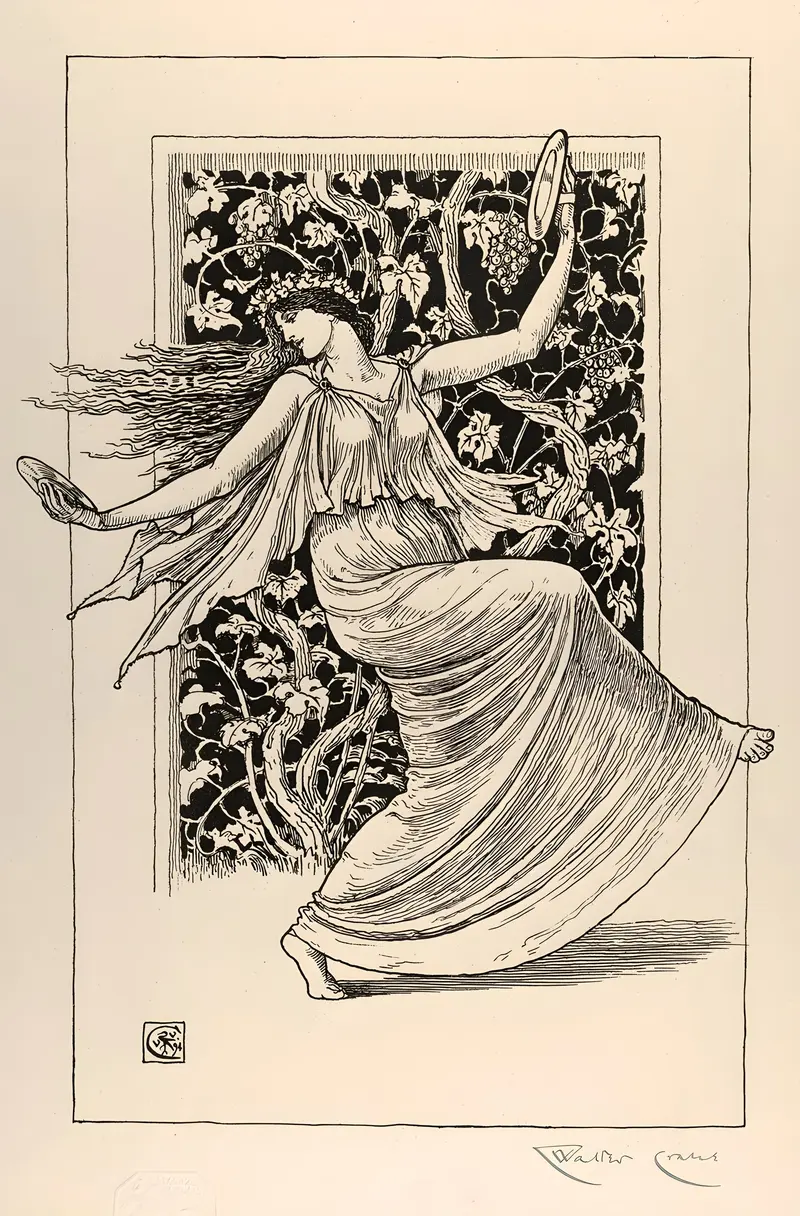
Dancing Nymph
Walter Crane
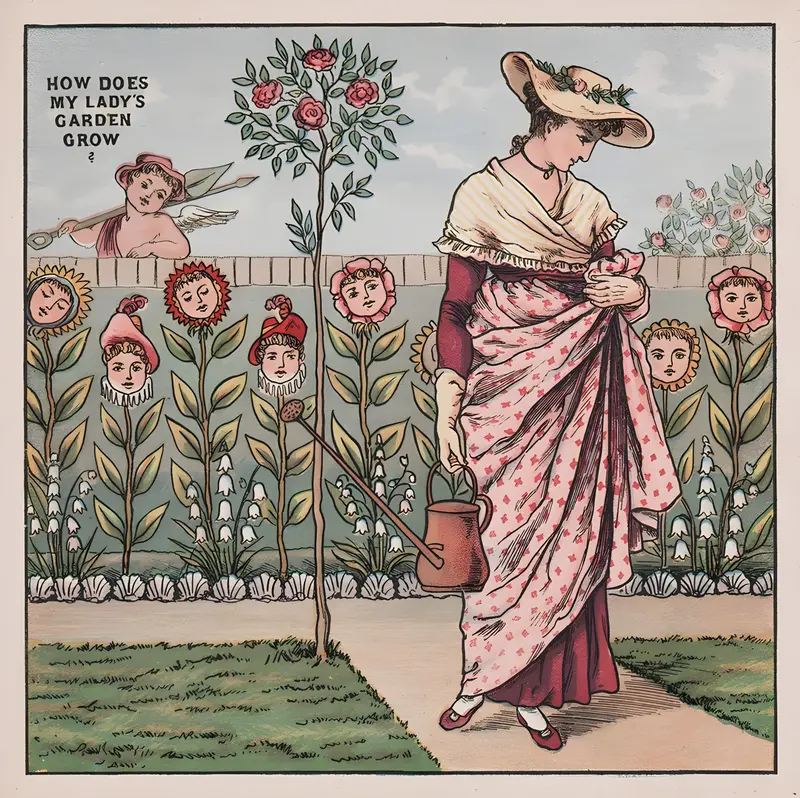
How does my lady’s garden grow
Walter Crane
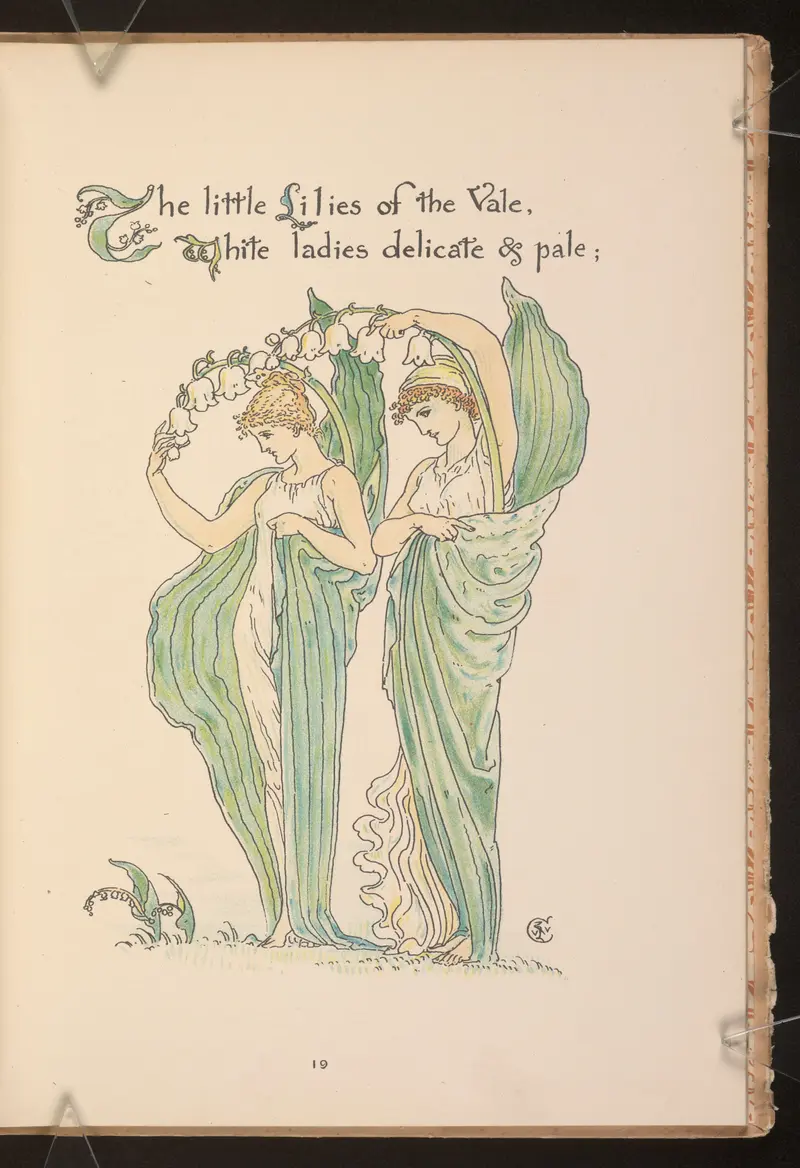
Flora’s feast; A masque of flowers Pl.19
Walter Crane
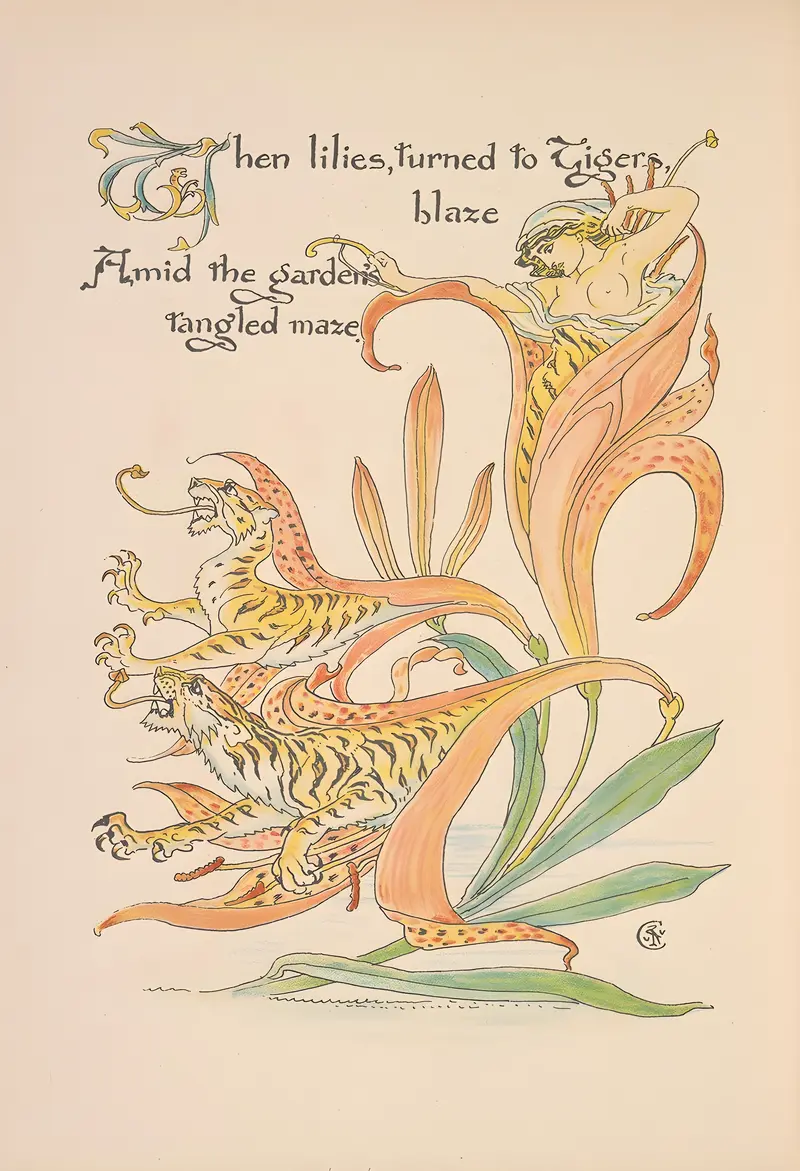
Flora’s feast; A masque of flowers Pl.34
Walter Crane
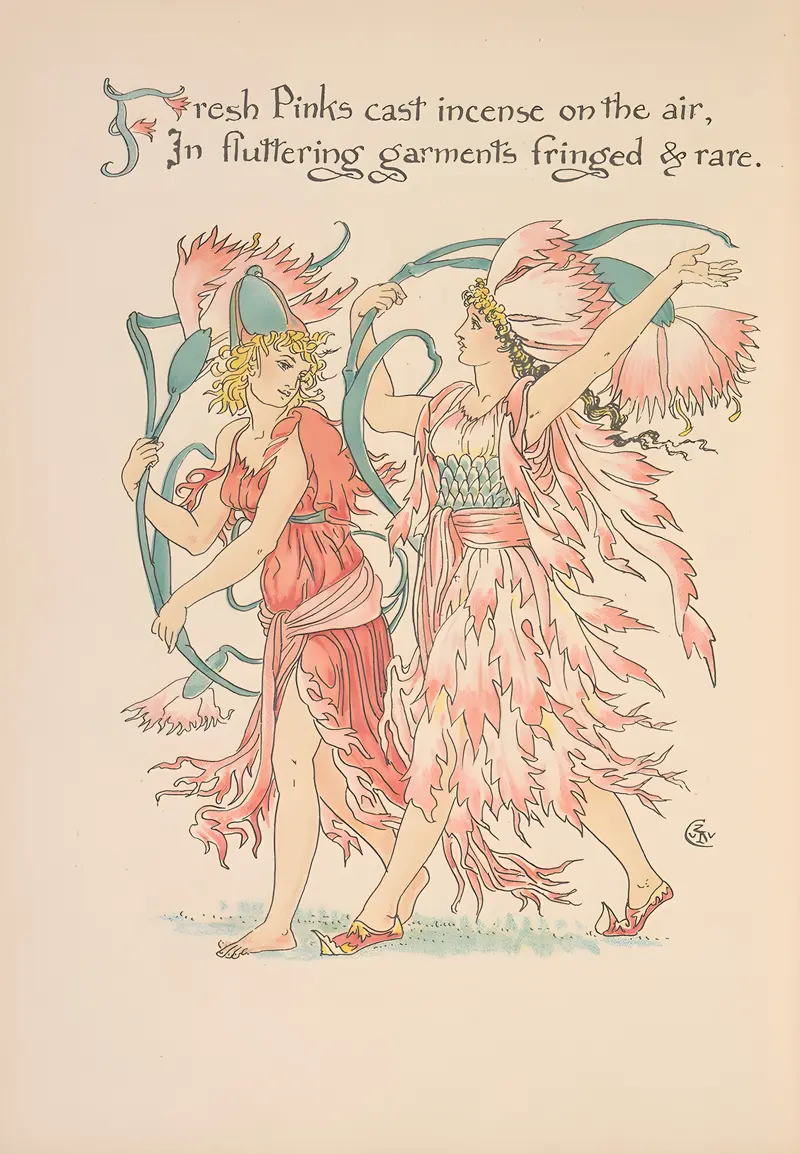
Flora’s feast; A masque of flowers Pl.29
Walter Crane





