
The Balcony — History & Facts
What if silence could speak through light? In The Balcony, a delicate moment unfurls, inviting us to ponder the passage of time and the stillness that envelops our lives. Look to the left at the elegantly poised figure, draped in soft fabrics that mirror the muted tones of the background. The subtle interplay of light and shadow dances across the woman's profile, drawing your gaze as it illuminates the delicate contours of her face. The cool palette—hues of blue, gray, and hints of warm beige—creates an atmosphere of introspection, balancing the serenity of the scene with a sense of unspoken narratives simmering just beneath the surface. In this painting, the tension lies between observation and isolation.
The figure, absorbed in her own world, stands on the balcony, gazing outwards while remaining emotionally distant. Her solitude resonates with viewers, evoking feelings of introspective contemplation, as if she is both a part of the vibrant summer day and entirely apart from it. The composition itself, with its asymmetrical balance, further emphasizes this contrast—suggesting the disconnect between personal experience and the outside world. Whistler created The Balcony in 1888, during a period marked by his exploration of tonalism and a focus on the mood of a moment rather than its narrative.
Living in Paris, he was influenced by the Impressionists, yet he sought to convey a sense of stillness through refined compositions. This artwork reflects not only his mastery of color and light but also the artist's deeper inquiries into the nature of perception amid the evolving landscape of contemporary art.
More Artworks by James Abbott McNeill Whistler
Browse all →
Nocturne in Blue and Silver
James Abbott McNeill Whistler
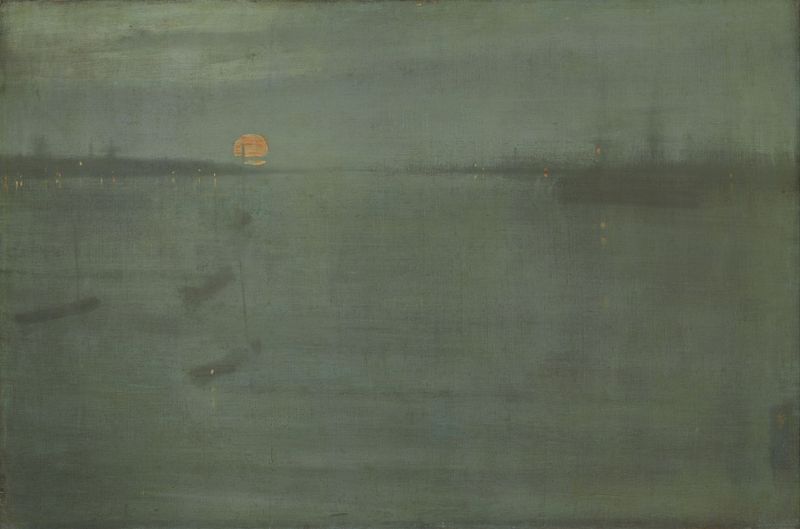
Nocturne: Blue and Gold–Southampton Water
James Abbott McNeill Whistler
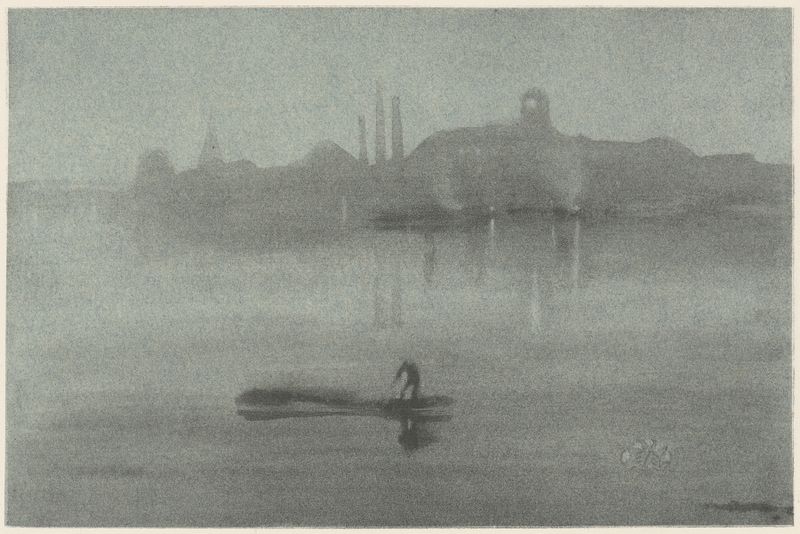
Nocturne
James Abbott McNeill Whistler
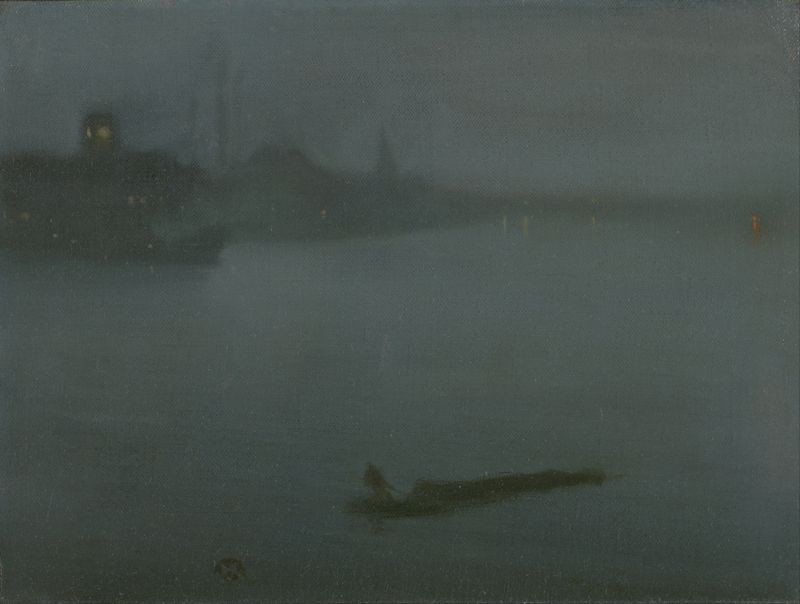
Nocturne in Blue and Silver
James Abbott McNeill Whistler
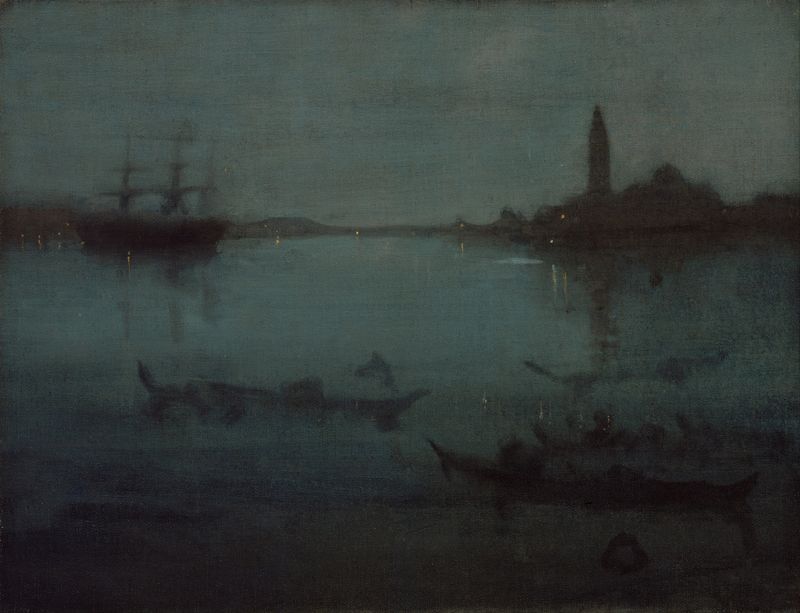
Nocturne in Blue and Silver- The Lagoon, Venice
James Abbott McNeill Whistler
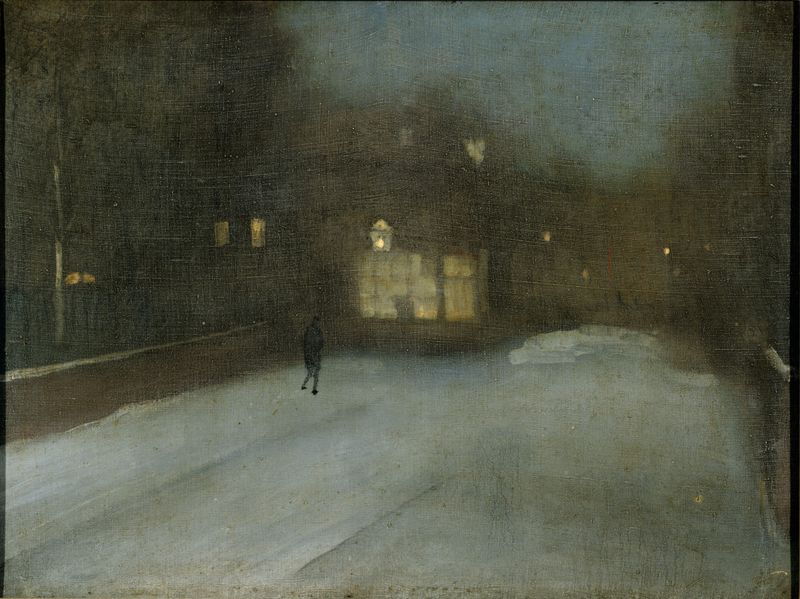
Nocturne in Grey and Gold: Chelsea Snow
James Abbott McNeill Whistler
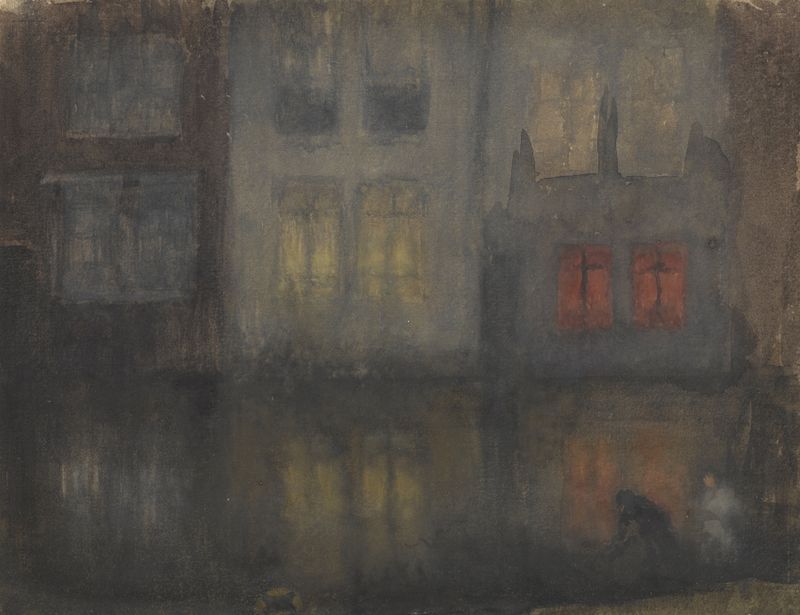
Nocturne: Black and Red—Back Canal, Holland
James Abbott McNeill Whistler
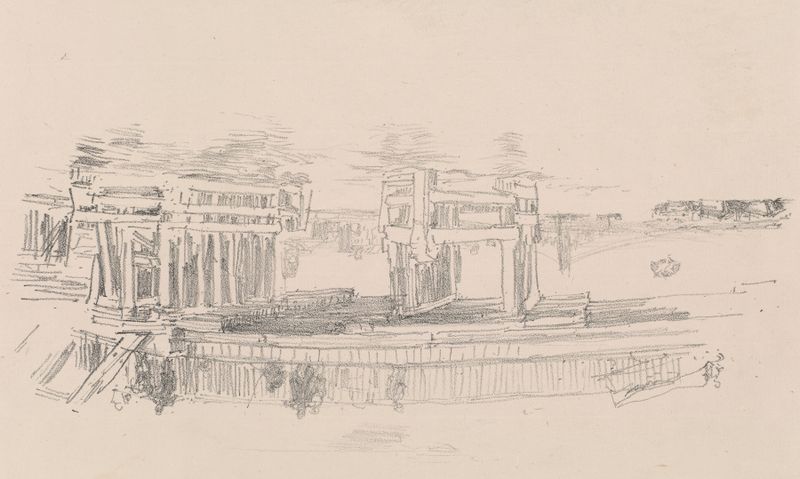
Old Battersea Bridge
James Abbott McNeill Whistler

Nocturne: Blue and Silver–Battersea Reach
James Abbott McNeill Whistler
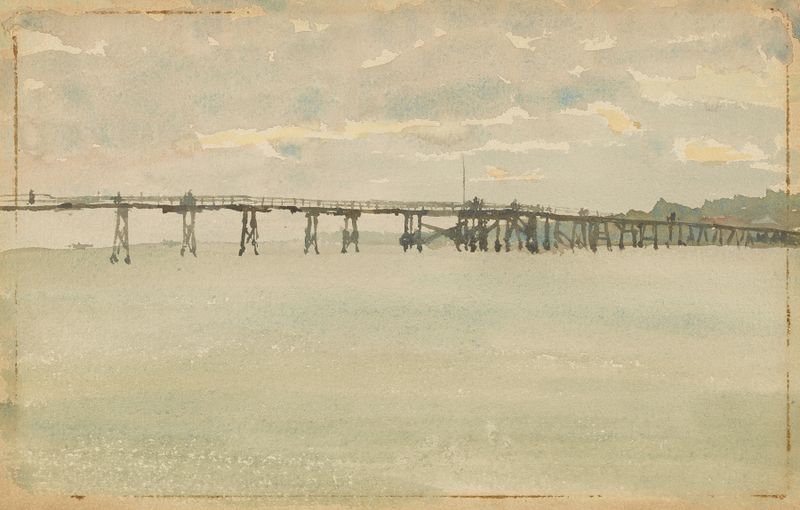
Grey and Silver–Pier, Southend
James Abbott McNeill Whistler





