
The Balcony — History & Facts
What if beauty was never meant to be finished? In The Balcony, the transient moment of life captured in an urban setting speaks to the destiny of existence itself, lingering between completion and the nakedness of being. Focus on the three figures poised on the wrought-iron balcony, where their silhouettes are defined by the soft, muted tones of the evening light. The delicate interplay of shadow and form invites the eye to explore the subtleties of their expressions, with the woman in white standing out against the deeper, earthy hues that envelop the scene. Notice how Whistler's brushwork creates an ethereal quality, blurring the edges where the figures meet the background, as if the world beyond the balcony is both real and dreamlike. Within this tranquil moment lies a tension between the intimate and the distant.
The figures appear absorbed in their own thoughts, yet their stillness evokes a yearning for connection—a whisper of untold stories. The distance between them and the viewer further amplifies this sentiment, urging contemplation on the nature of companionship and solitude. Each character serves as a mirror to our own experiences of longing and hope, entwined with the everyday beauty woven into the fabric of life. Whistler created The Balcony in 1879 while living in Paris, during a time when he was deeply engaged in the aesthetic movement.
This period saw him exploring the relationship between art and beauty, striving to express emotional depth through his compositions. The painting reflects a pivotal moment in his artistic journey, as he sought to transcend mere representation and delve into the nuances of human experience.
More Artworks by James Abbott McNeill Whistler
Browse all →
Nocturne in Blue and Silver
James Abbott McNeill Whistler
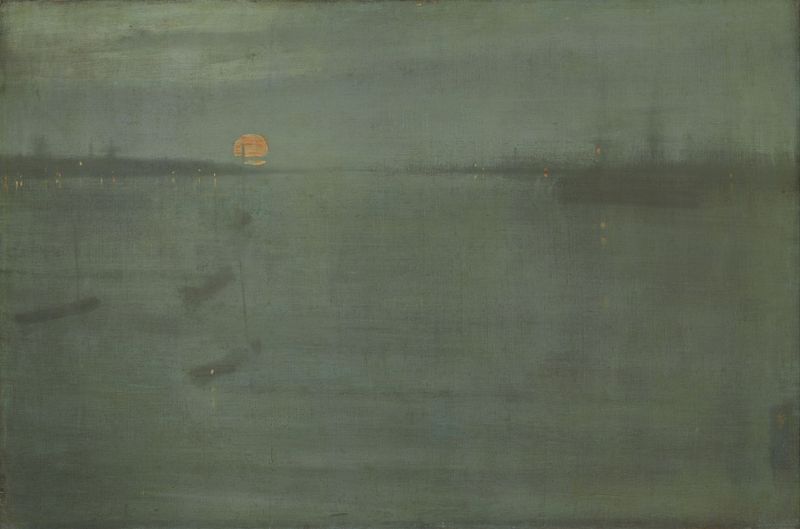
Nocturne: Blue and Gold–Southampton Water
James Abbott McNeill Whistler
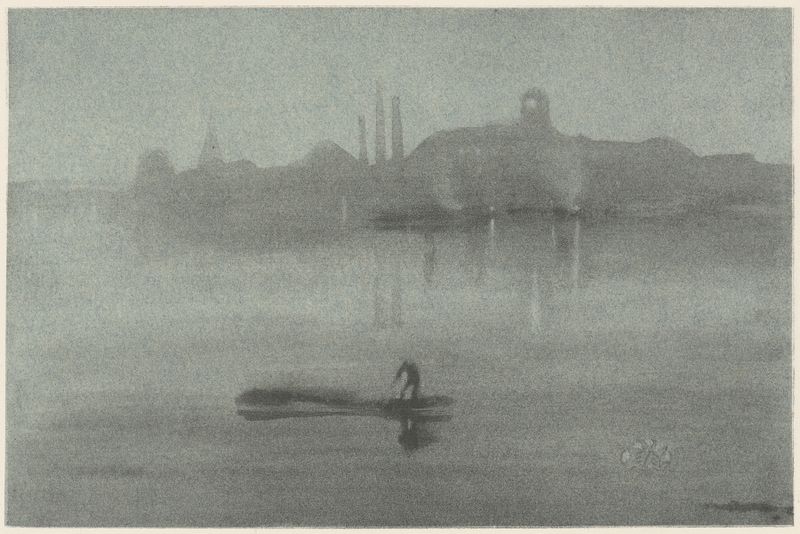
Nocturne
James Abbott McNeill Whistler
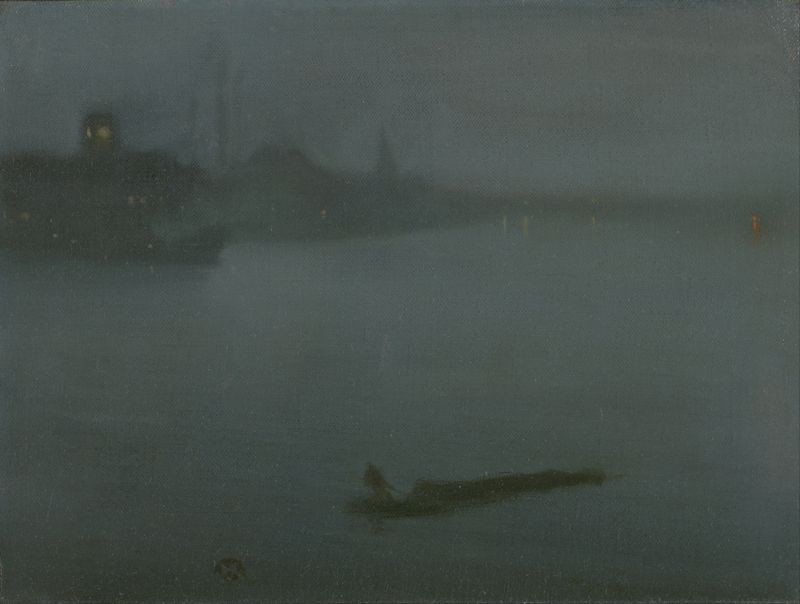
Nocturne in Blue and Silver
James Abbott McNeill Whistler
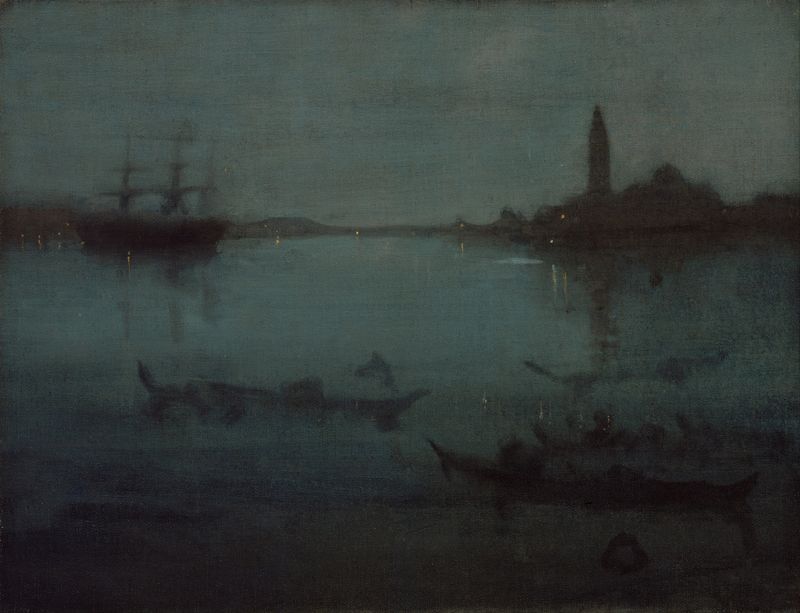
Nocturne in Blue and Silver- The Lagoon, Venice
James Abbott McNeill Whistler
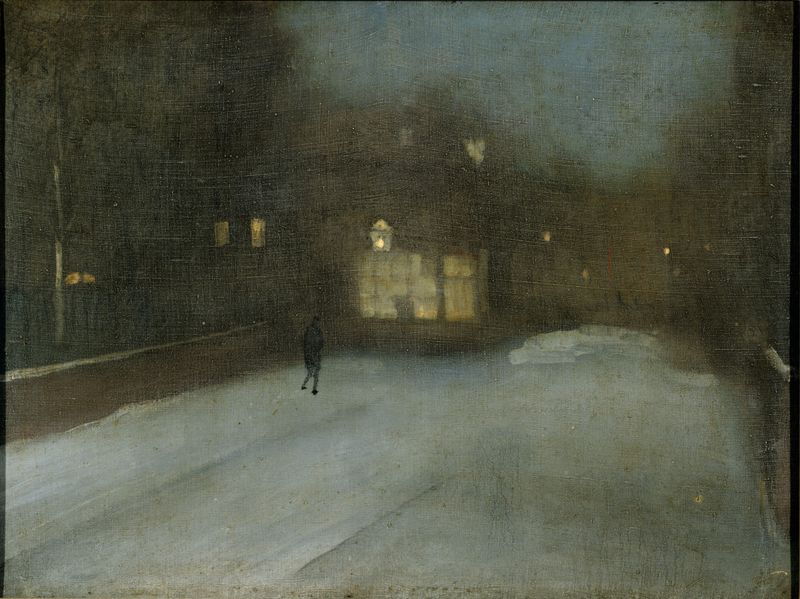
Nocturne in Grey and Gold: Chelsea Snow
James Abbott McNeill Whistler
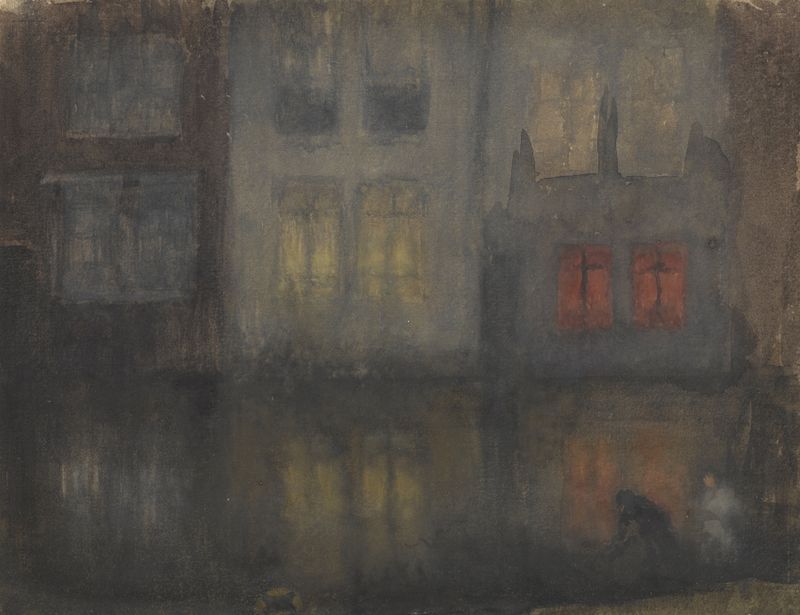
Nocturne: Black and Red—Back Canal, Holland
James Abbott McNeill Whistler
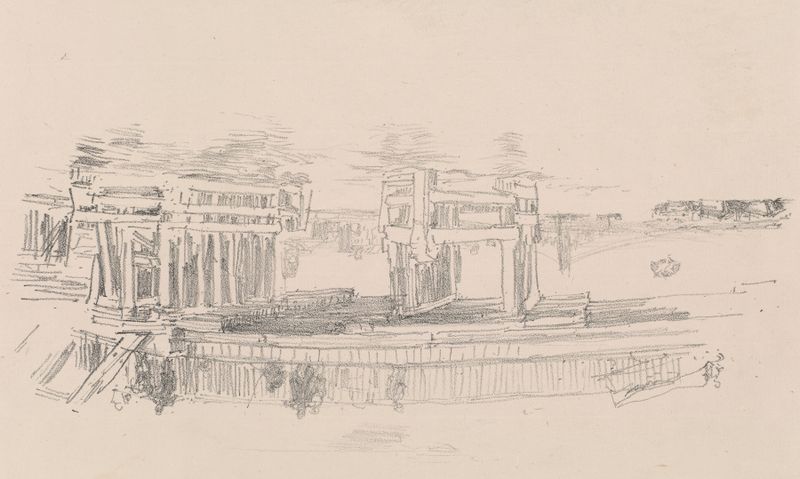
Old Battersea Bridge
James Abbott McNeill Whistler

Nocturne: Blue and Silver–Battersea Reach
James Abbott McNeill Whistler
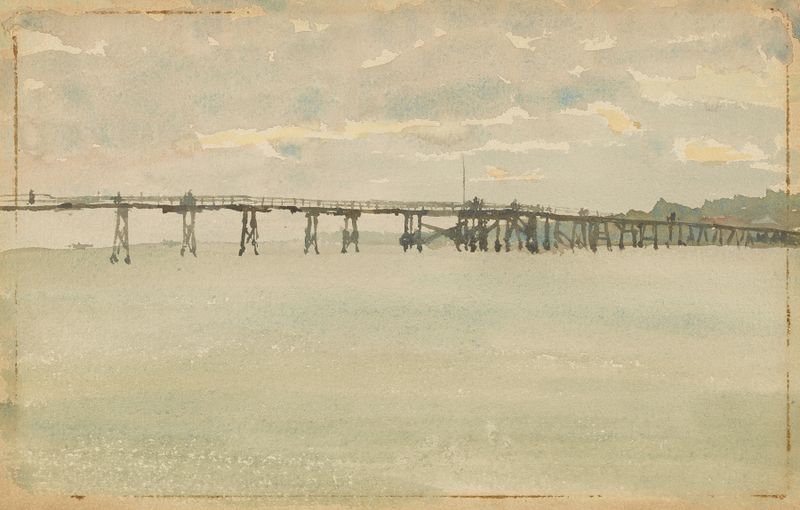
Grey and Silver–Pier, Southend
James Abbott McNeill Whistler





