
The Banquet of the Officers of the Calivermen Civic Guard — History & Facts
In 1627, the Calivermen Civic Guard of Haarlem celebrated their new officers with a lavish banquet, immortalized by Frans Hals in one of the most dynamic group portraits of the Dutch Golden Age. This was not merely a dinner, but a public affirmation of civic pride and military readiness, held every three years to mark the changing of the guard. Such banquets were grand affairs, attended by the city’s elite, and the commission of a portrait for the occasion was both an honor and a statement of status.
The sitters paid handsomely to be included, each vying for prominence in the final composition—a fact that shaped the painting’s lively arrangement. At the heart of The Banquet of the Officers of the Calivermen Civic Guard, Hals captures the officers at the height of their celebration, glasses raised, faces flushed, and banners unfurled. Each man is rendered with remarkable individuality: the captain sits at the center, his white sash catching the light, while the standard-bearer stands proudly behind, his vibrant flag a symbol of the company’s unity. The scene is animated by spontaneous gestures and glances exchanged across the table, as if Hals had interrupted a real moment rather than staged a formal sitting.
Unlike the more rigid compositions of Rembrandt's The Night Watch, Hals’s approach is informal and immediate, emphasizing camaraderie over hierarchy. The interplay of light on gleaming pewter, silk, and lace underscores the wealth and confidence of Haarlem’s burgher class. The painting remains in Haarlem, housed today in the Frans Hals Museum, where it stands as a testament to both the artist’s innovative style and the civic pride of his hometown. While the exact details of its commission are not fully documented, it is known that such group portraits were a significant source of income for Hals, who painted several for various militia companies over his career.
The work has never left the city, surviving centuries of political upheaval and changes in taste, and is now recognized as a key example of the Dutch tradition of schutterstukken, or militia portraits. Its vibrant brushwork and sense of immediacy mark a turning point in Hals’s career, setting a new standard for group portraiture in the seventeenth century.
More Artworks by Frans Hals

Banquet of the Officers of the St George Civic Guard
Frans Hals

Portrait of Jacob Pietersz Olycan (1596-1638)
Frans Hals
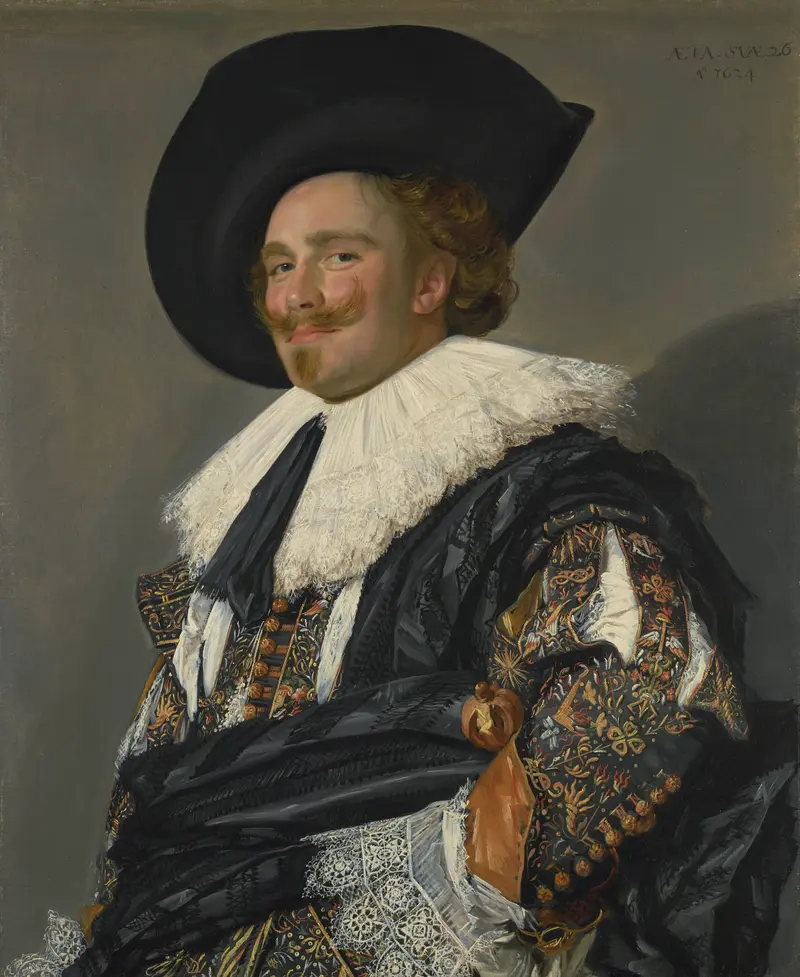
Laughing Cavalier
Frans Hals

Militia Company of District XI under the Command of Captain Reynier Reael, Known as ‘The Meagre Company’
Frans Hals
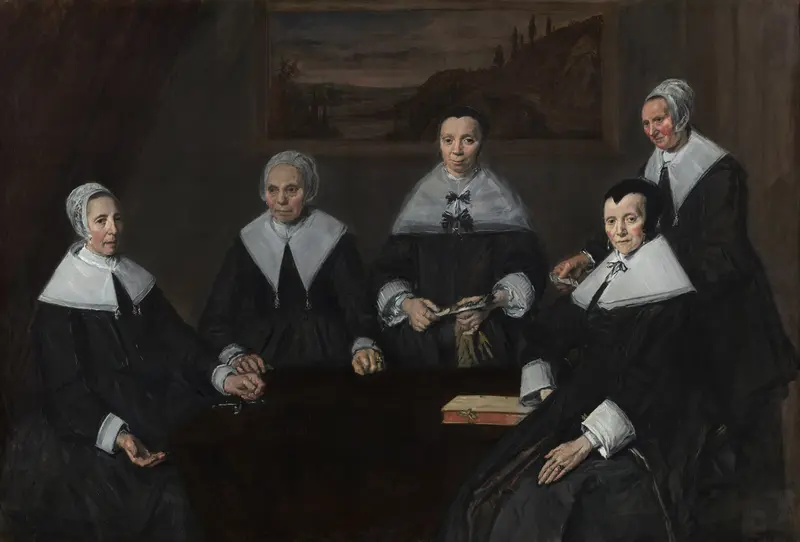
Regentesses of the Old Men's Alms House
Frans Hals
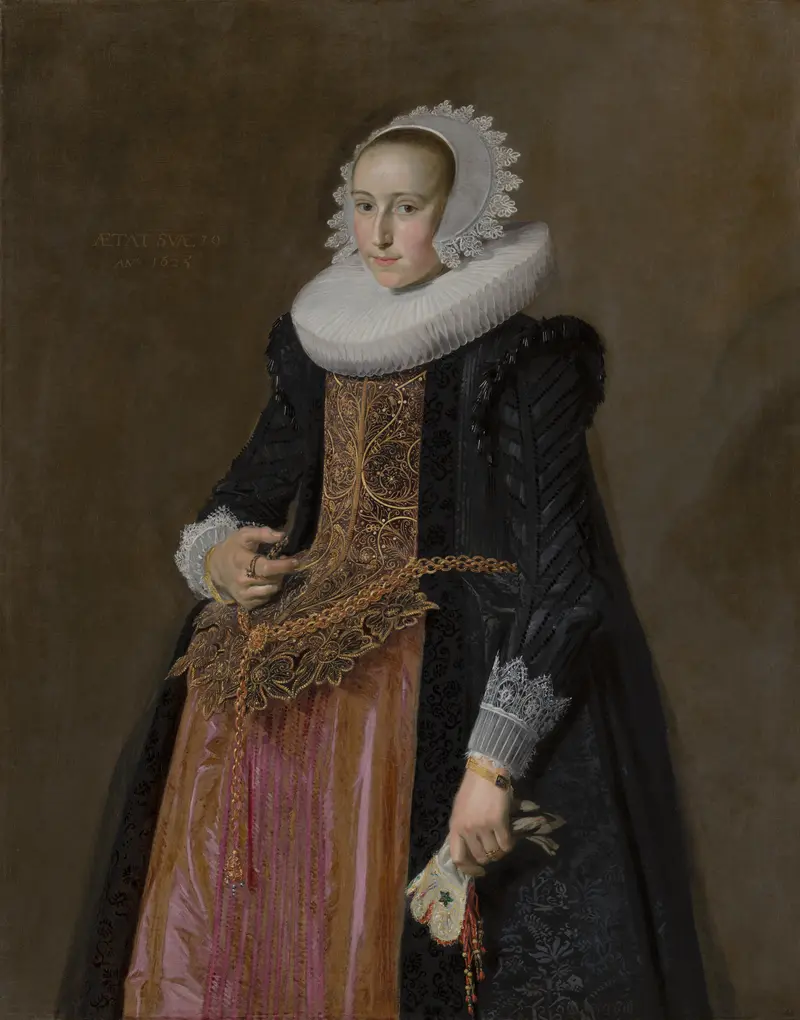
Portrait of Aletta Hanemans (1606–1653)
Frans Hals
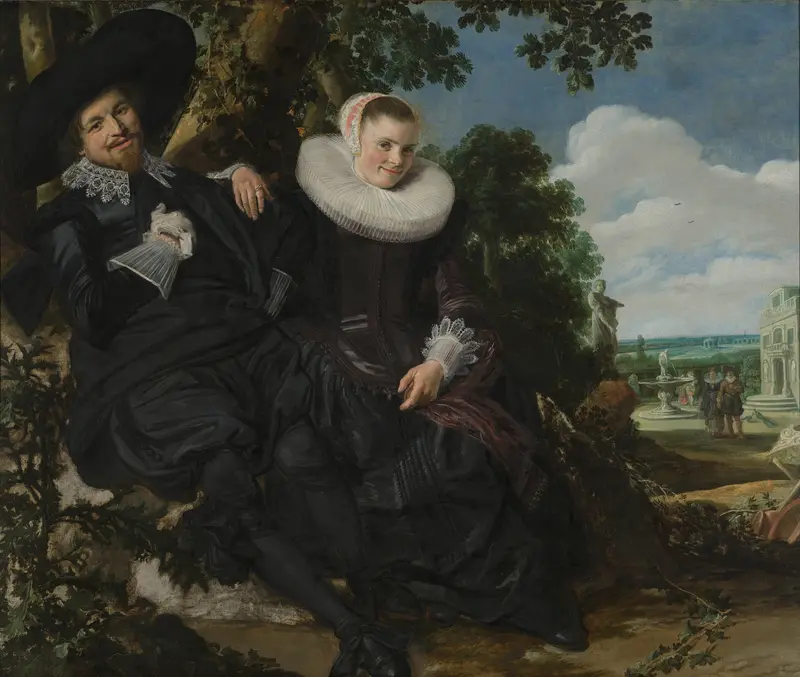
Portrait of a Married Couple, Likely Isaac Abrahamsz Massa and Beatrix van der Laen
Frans Hals
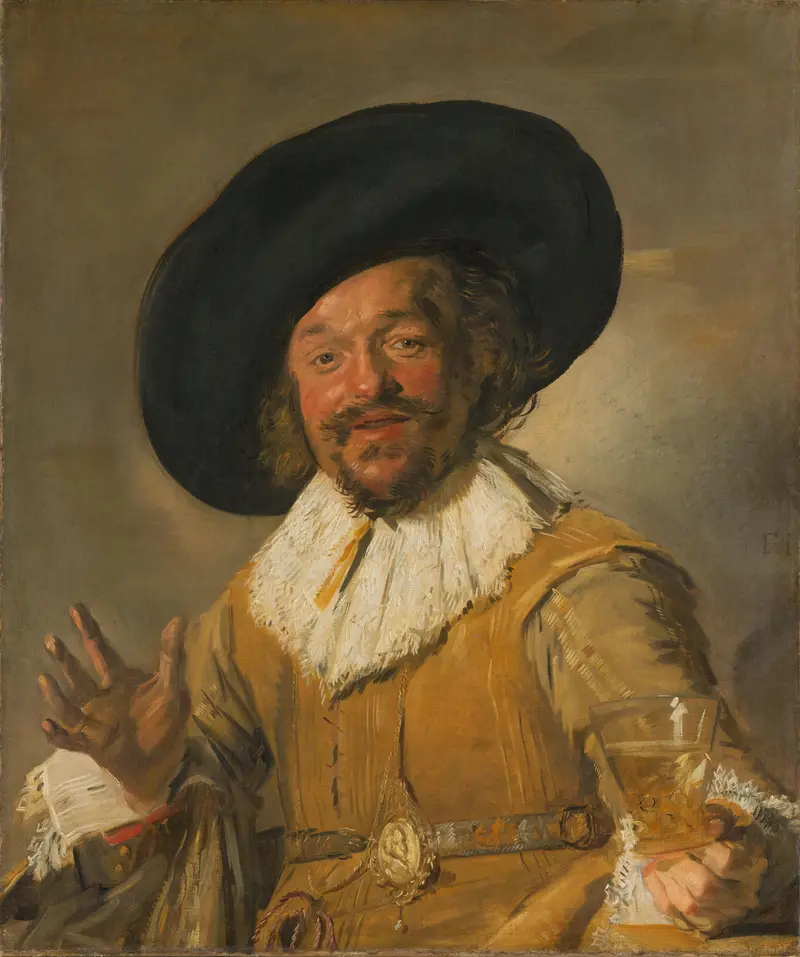
The Merry Drinker
Frans Hals
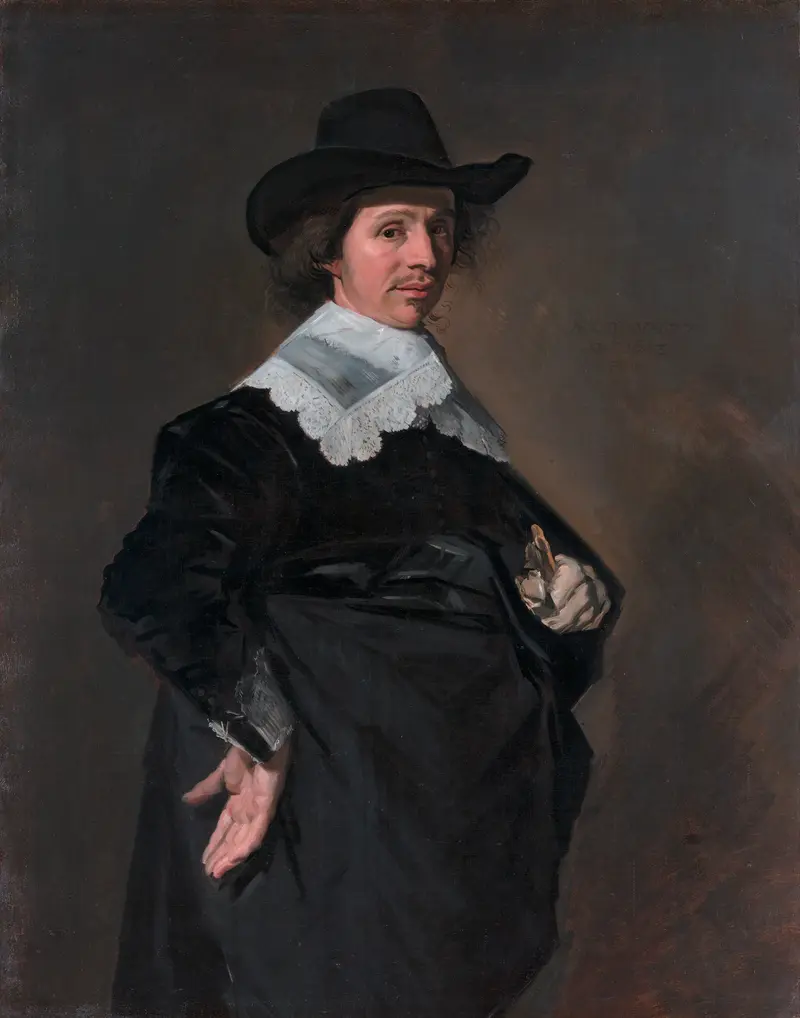
Portrait of Paulus Verschuur
Frans Hals
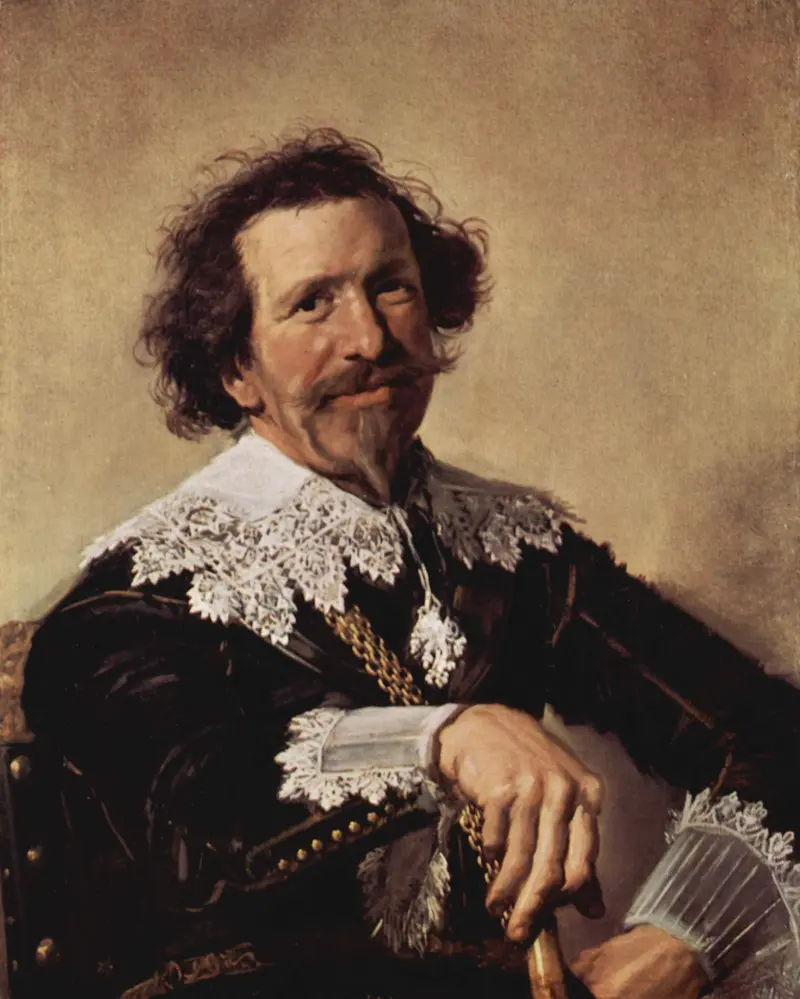
Portrait of Pieter van den Broecke
Frans Hals





