
The Barracks at Pizzofalcone, Naples — History & Facts
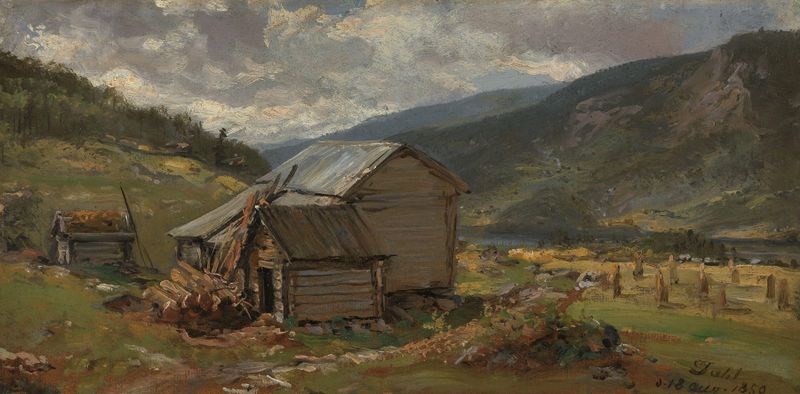
In the heart of Naples, emptiness speaks volumes. How does a silent landscape resonate with the weight of absence, inviting introspection and reflection? Look to the center of the canvas where the barracks stand stoically, their weathered stones telling stories of resilience. Surrounding them, muted earth tones mingle with soft, faded greens, suggesting a long-forgotten vibrancy.
Notice the way the light filters through wispy clouds, casting gentle shadows that accentuate the quiet dignity of the structures. Dahl’s masterful brushwork conjures a sense of stillness, drawing the viewer’s gaze across the canvas, inviting contemplation of both place and time. Yet, there’s tension hidden within this tranquility. The emptiness surrounding the barracks suggests a once-bustling life now eclipsed, echoing the historical context of a changing society.
The contrast between the solidity of the architecture and the desolate landscape speaks to the fragility of human presence. Each stroke reveals a longing for connection, a yearning for the vibrancy that once defined this scene, now reduced to a poignant solitude. Painted in 1820, this work emerged during a period of transformation for Dahl, as he navigated the evolving art scene in Europe. Living in Dresden, he was surrounded by Romantic ideals that celebrated nature and emotion.
The shift toward more personal expression in landscape painting influenced his technique, allowing him to encapsulate the essence of this Neapolitan barrack with profound simplicity, reflecting both his own introspection and the broader artistic currents of his time.
More Artworks by Johan Christian Dahl
Browse all →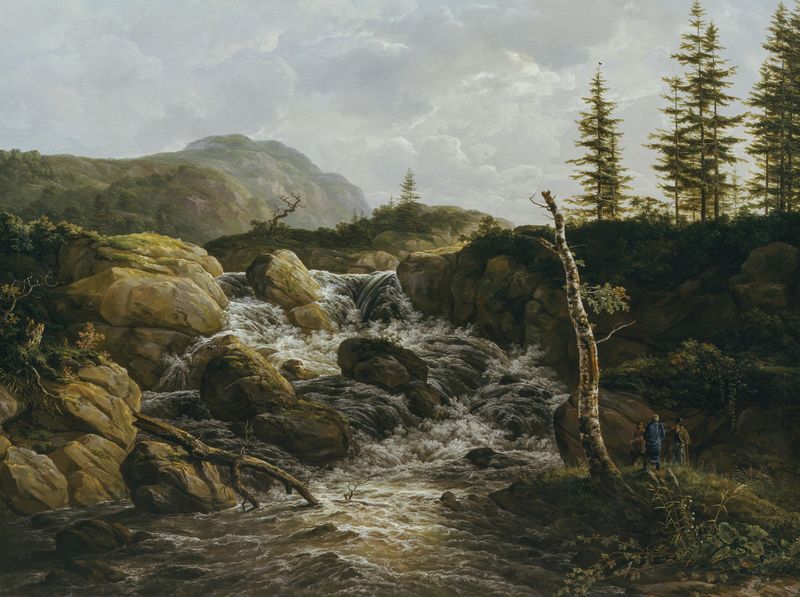
Mountainous Landscape with a Waterfall, Norway
Johan Christian Dahl
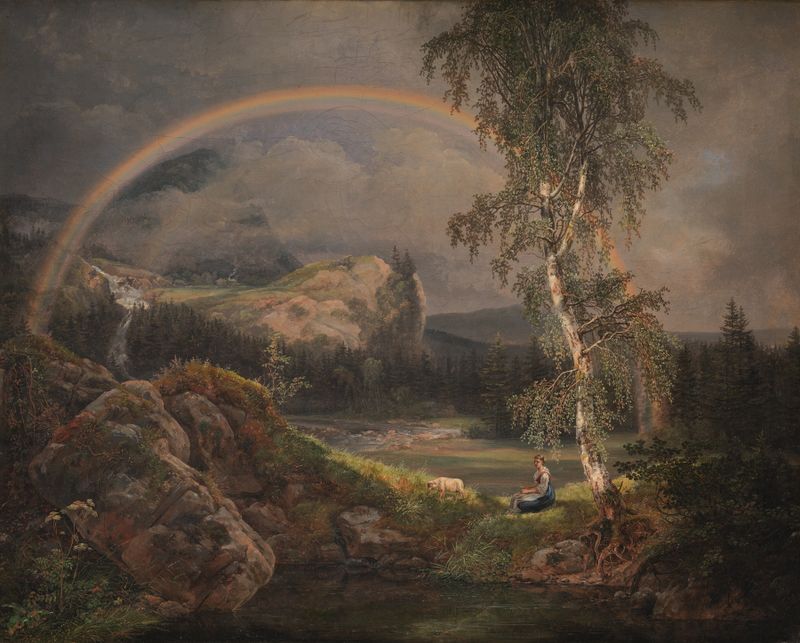
Norwegian Landscape with a Rainbow
Johan Christian Dahl
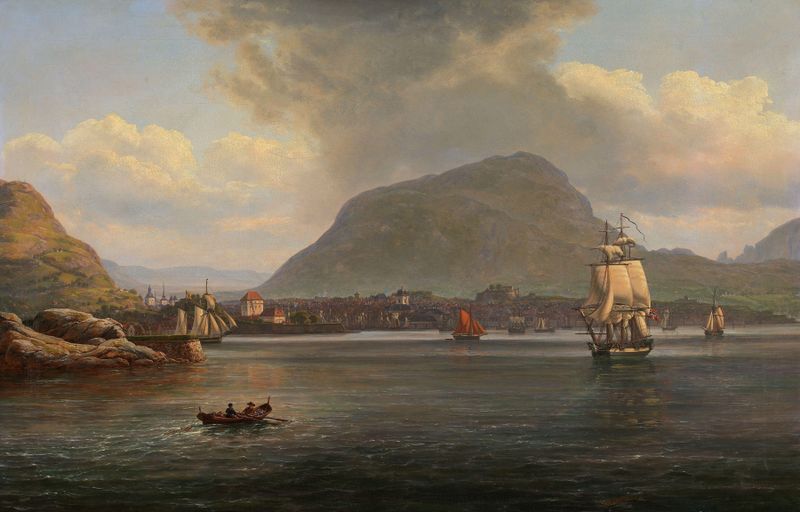
Bergen seen from the northern Inlet
Johan Christian Dahl
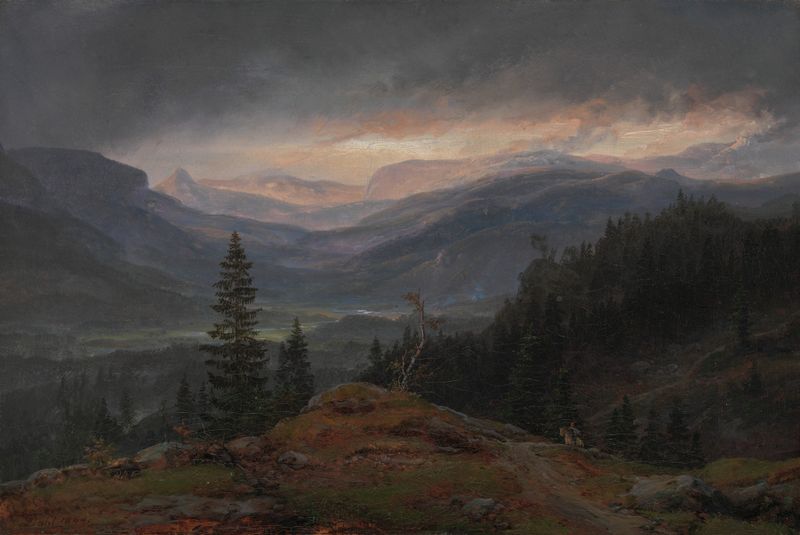
View over Hallingdal
Johan Christian Dahl
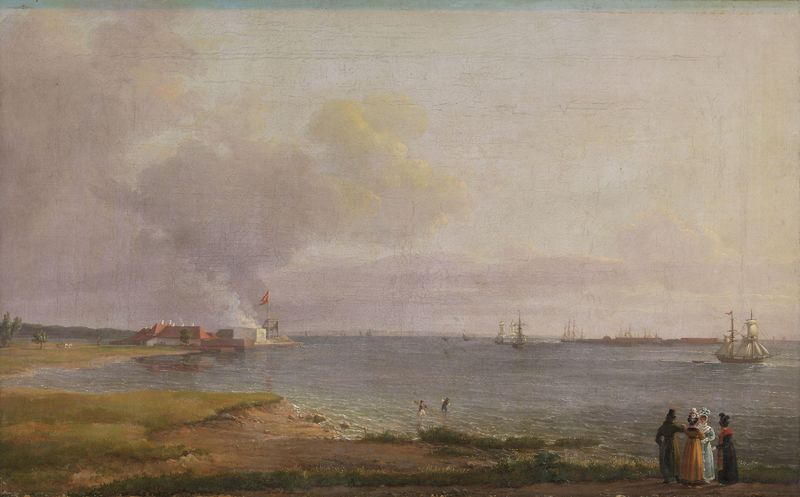
View over Øresund near the Lime Works
Johan Christian Dahl
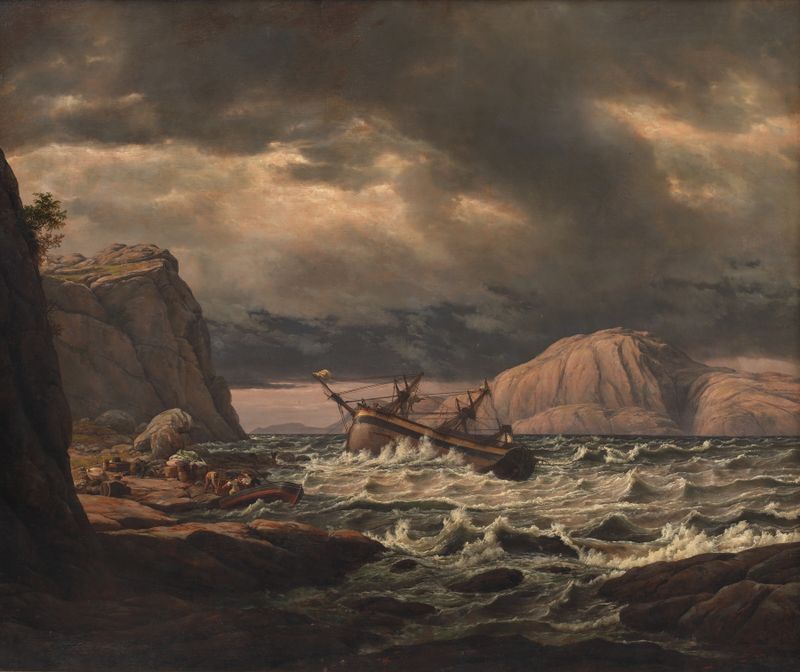
A Shipwreck on the Coast of Norway
Johan Christian Dahl
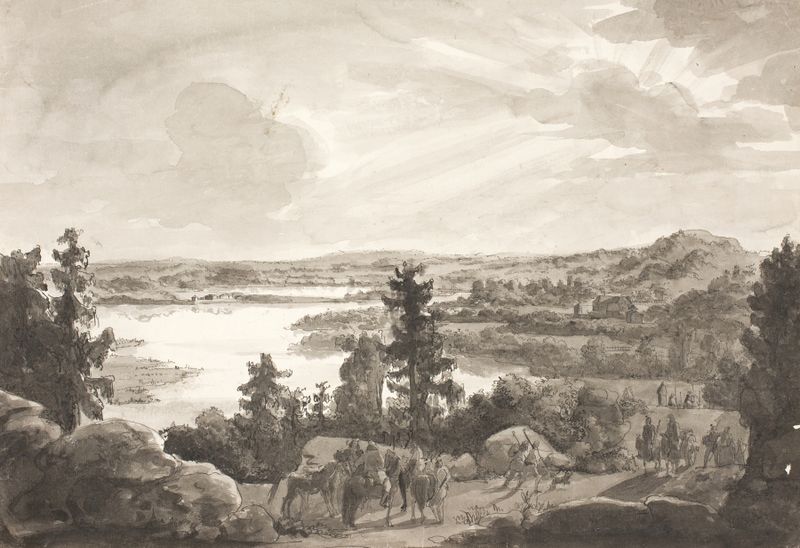
View of a Lake, Norway
Johan Christian Dahl
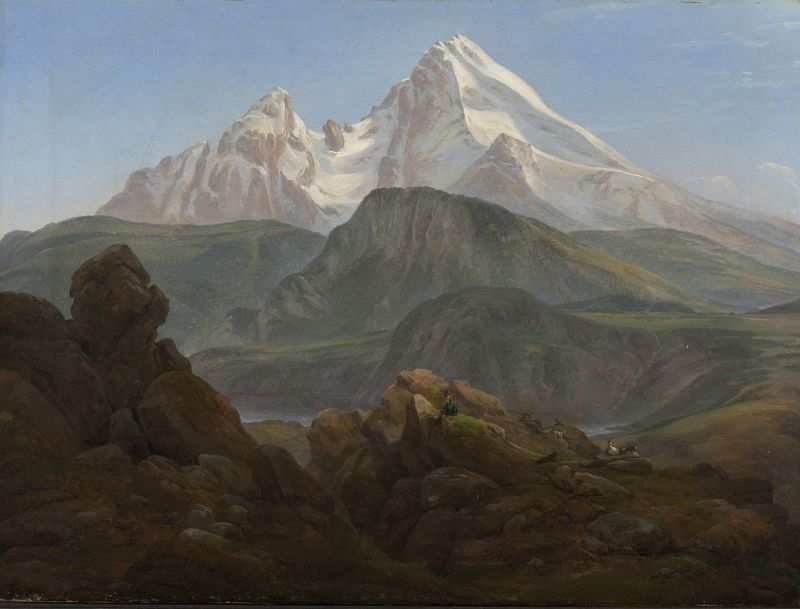
The Watzmann
Johan Christian Dahl
View of Hjelle in Valdres
Johan Christian Dahl

View At Skjolden In Lyster
Johan Christian Dahl





