
The Bay of Naples with Vesuvius — History & Facts
In The Bay of Naples with Vesuvius, the artist captures a moment rife with fragile hope, where nature’s grandeur intertwines with its potential wrath. The scene invites contemplation, urging us to ponder the duality of beauty and danger, inspiring a deeper reflection on what lies beneath the surface. Look to the foreground, where a tranquil bay stretches out, its azure waters shimmering under a gentle sun. To the left, small boats bob lightly, their sails billowing as if caught in a whispered conversation with the breeze.
Focus on the distant silhouette of Vesuvius, its imposing presence both alluring and foreboding. The palette, rich with deep blues and vivid greens, contrasts dramatically with the warm golds of the sunlight, illustrating a world full of vibrancy yet tinged with the ever-present threat of eruption. Within this idyllic landscape, the emotional tension plays out in the interplay of light and shadow. The sunlit waters evoke a sense of calm, while the looming volcano subtly hints at the tumult that lies beneath.
The juxtaposition between the serene bay and the volatile mountain serves as a metaphor for the human experience — a reminder that tranquility can quickly transform into chaos. Each element, from the gently rolling hills to the rippling reflections, resonates with the complexity of existence. In 1821, Johan Christian Dahl painted this evocative scene while residing in Dresden, a time when Romanticism was flourishing across Europe. As he sought to capture the sublime beauty of nature, he navigated the artistic landscape shaped by the awe of natural wonders and the anxiety of industrial progress.
His painting not only reflects his personal journey but also embodies the spirit of an era grappling with the dichotomies of beauty and destruction.
More Artworks by Johan Christian Dahl
Browse all →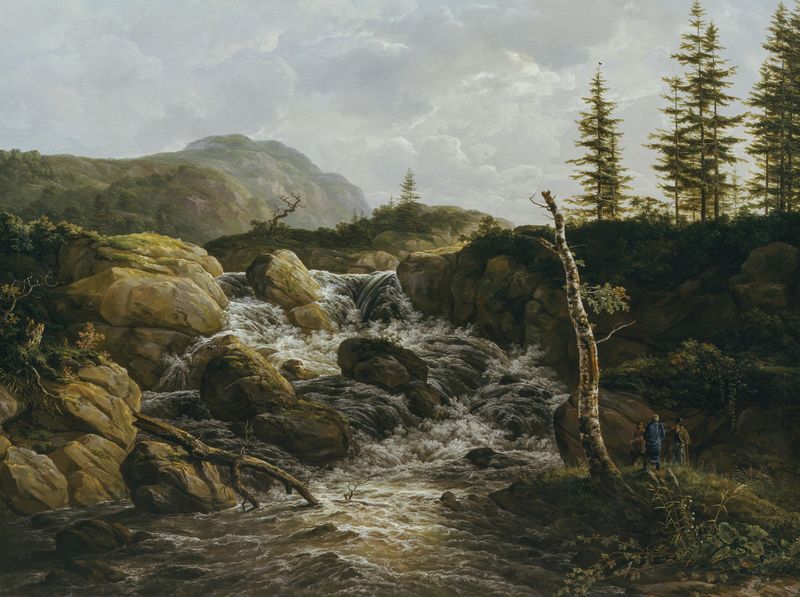
Mountainous Landscape with a Waterfall, Norway
Johan Christian Dahl
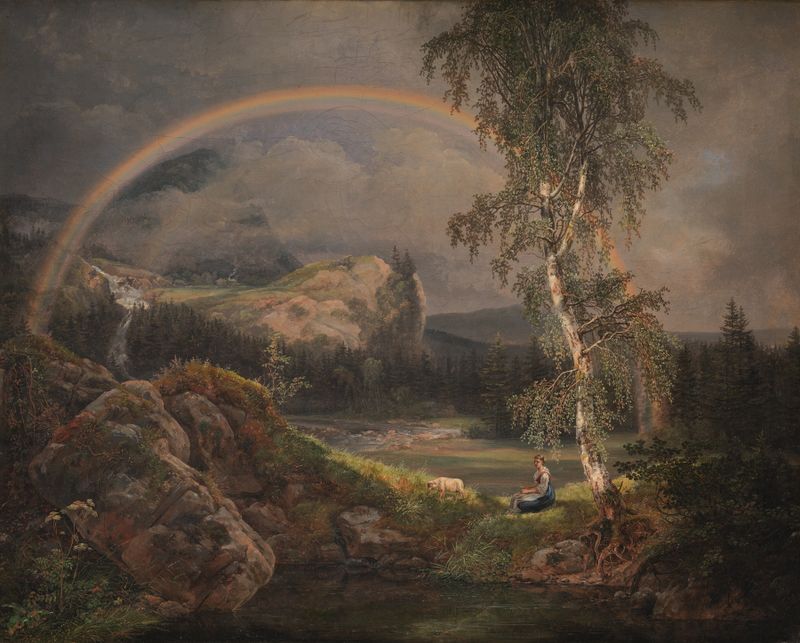
Norwegian Landscape with a Rainbow
Johan Christian Dahl
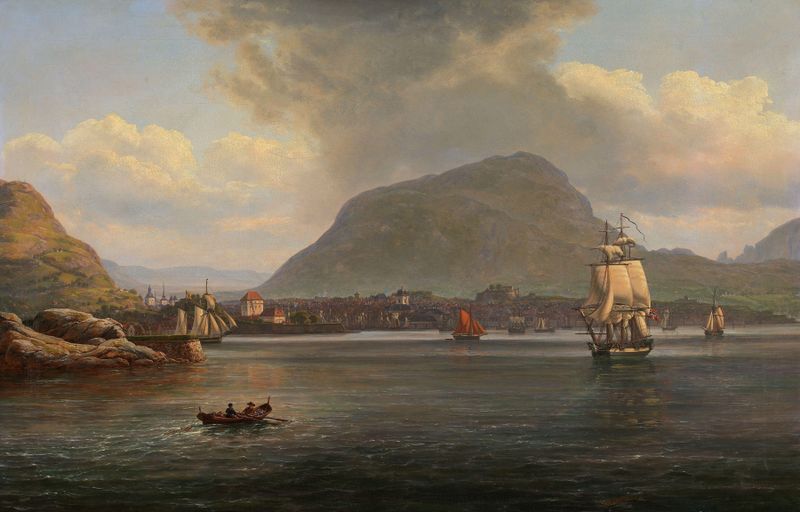
Bergen seen from the northern Inlet
Johan Christian Dahl
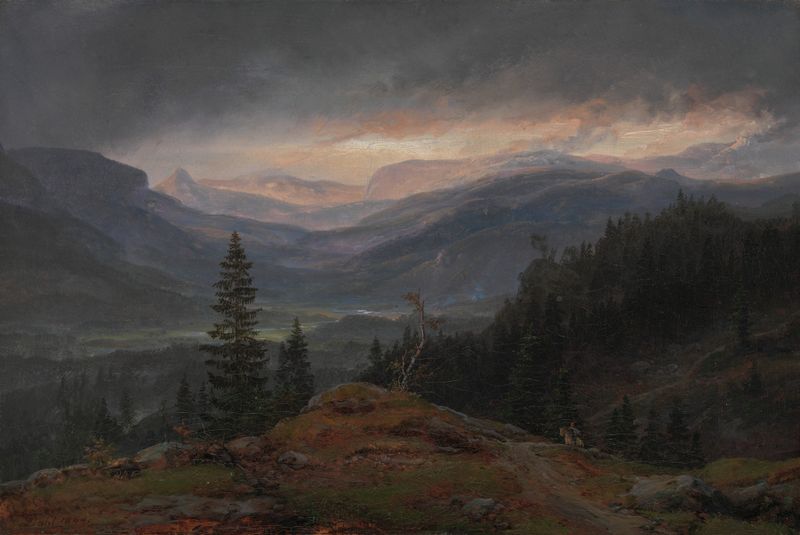
View over Hallingdal
Johan Christian Dahl
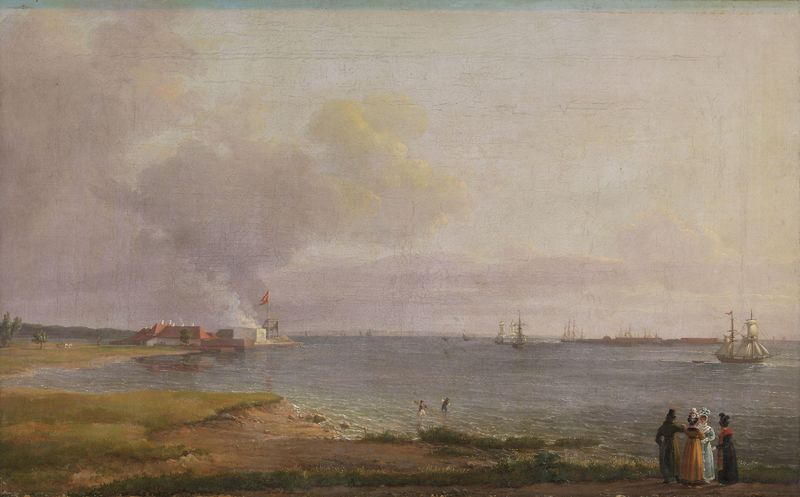
View over Øresund near the Lime Works
Johan Christian Dahl
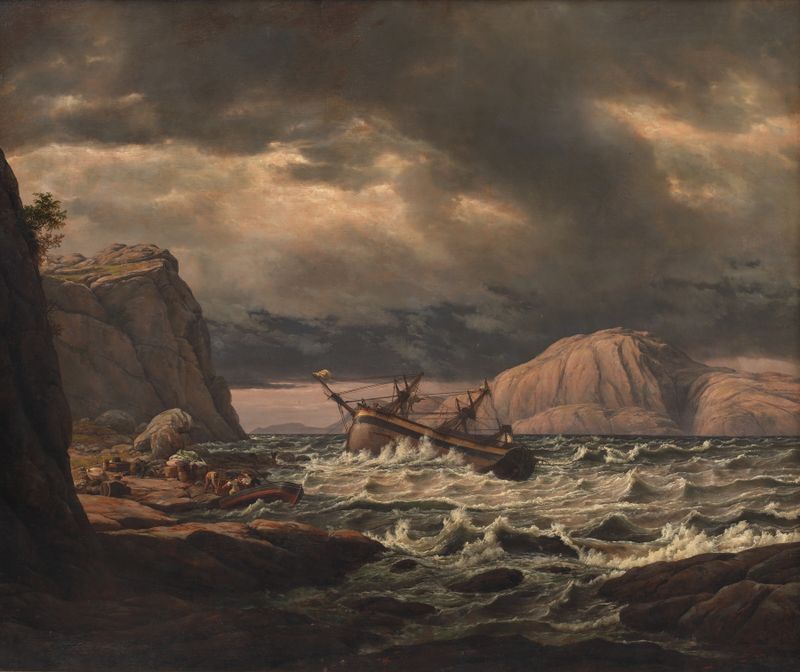
A Shipwreck on the Coast of Norway
Johan Christian Dahl
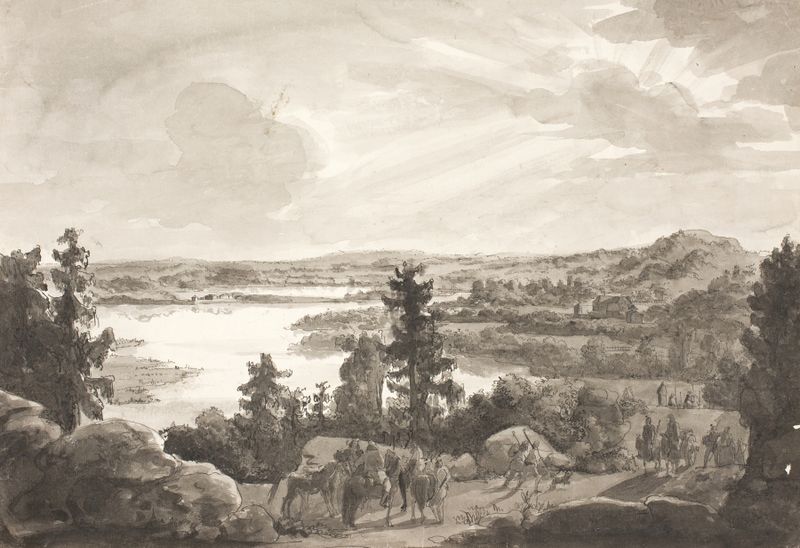
View of a Lake, Norway
Johan Christian Dahl
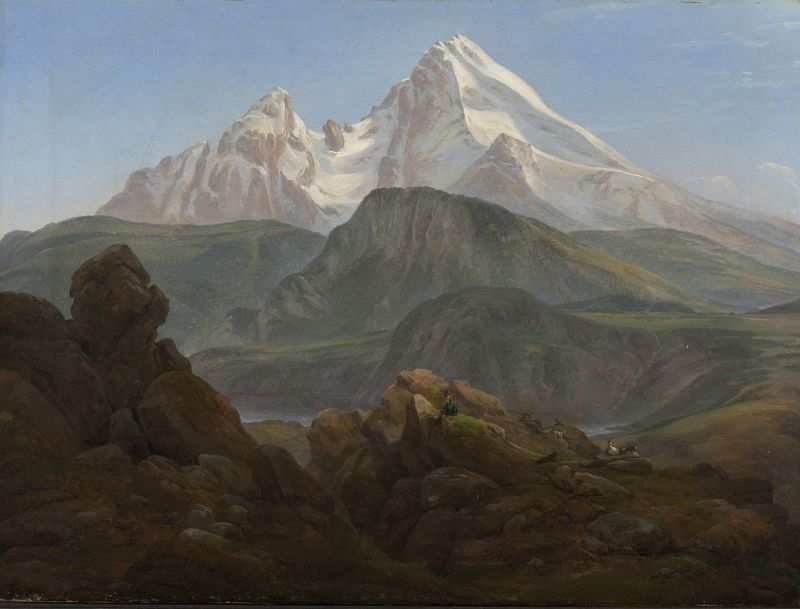
The Watzmann
Johan Christian Dahl
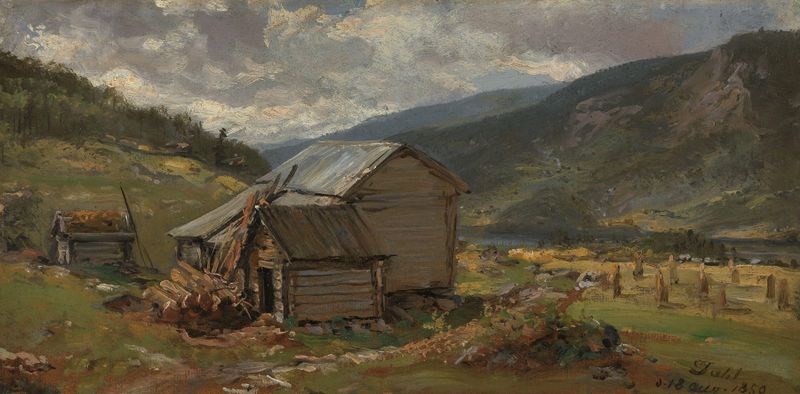
View of Hjelle in Valdres
Johan Christian Dahl

View At Skjolden In Lyster
Johan Christian Dahl





