
The Bayswater Turnpike — History & Facts
When did color learn to lie? The interplay of hues in this piece whispers of a world both vibrant and painfully vacant, inviting the viewer to grapple with the complexity of loss. Begin by focusing on the gentle curves of the road that leads our gaze into the distance. Notice how the lush greenery is punctuated by occasional bursts of autumnal reds and golds, evoking a warmth that contrasts sharply with the emptiness that lingers in the scene. The cerulean sky, dotted with soft clouds, seems peaceful, yet it beckons us to question the tranquility of the landscape.
Each brushstroke conveys a careful balance between beauty and melancholy, drawing us deeper into the narrative. In this artwork, the tension between past and present emerges through the juxtaposition of vibrant color against the starkness of absence. The road, a pathway to somewhere, feels both inviting and forlorn, suggesting journeys taken and those never begun. Amidst the inviting foliage, hints of decay remind us of time's relentless march—nature's inevitable reclamation of a once-bustling turnpike.
The colors may shimmer, yet they cloak an undercurrent of grief, a reminder of all that was once loved and is now lost. During this creative period, Sandby was immersed in the vibrant world of 18th-century England, a time of exploration and burgeoning artistic expression. His works often celebrated the English landscape while reflecting the shifting social dynamics around him. The ambiguity of The Bayswater Turnpike mirrors his own struggles with change, both personally and within the art community, as he sought to capture the essence of his surroundings against a backdrop of uncertain times.
More Artworks by Paul Sandby
Browse all →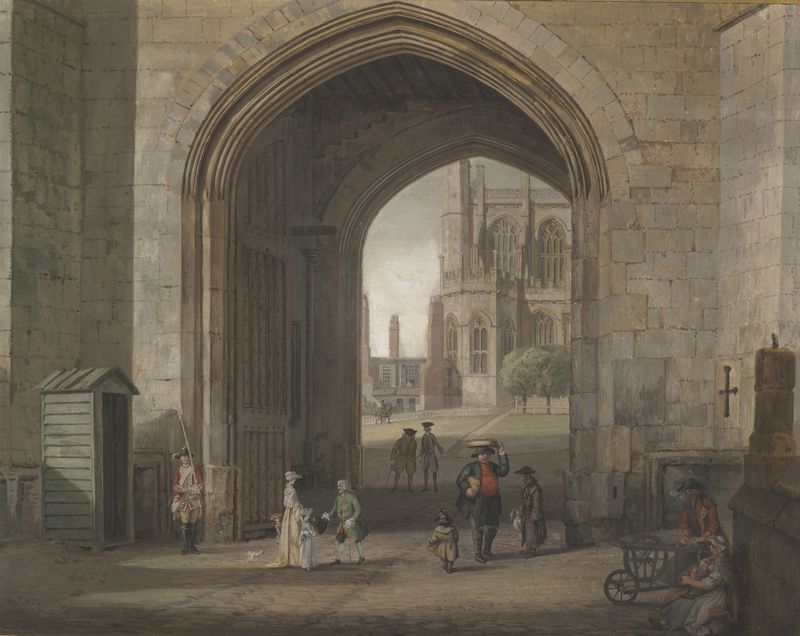
The Tower Gate at Windsor Castle
Paul Sandby

A Distant View of Maidstone, from Lower Bell Inn, Boxley Hill
Paul Sandby
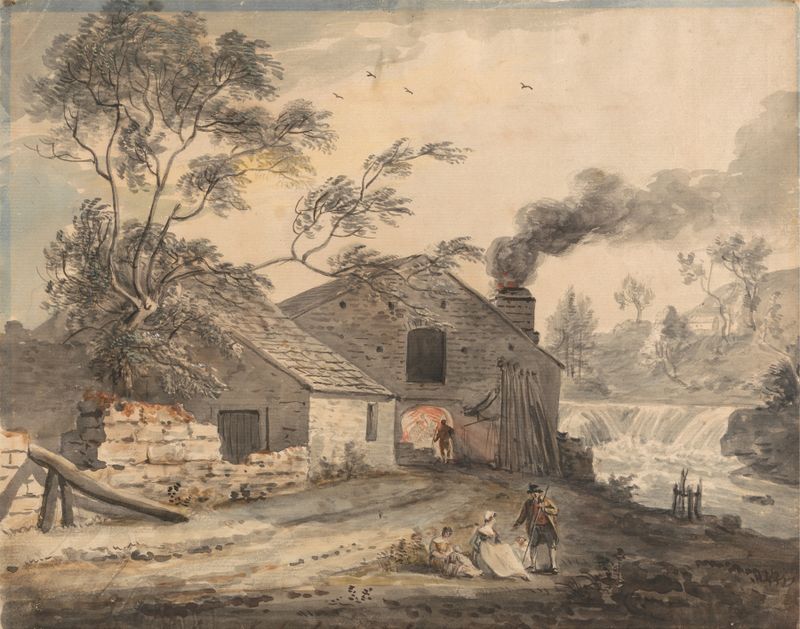
Iron Forge on the River Kent, Westmorland
Paul Sandby
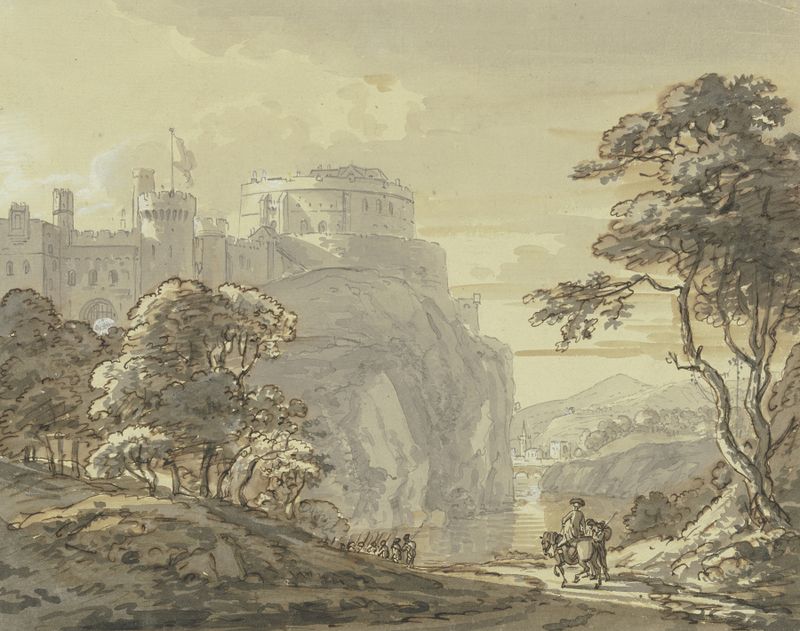
View of Windsor Castle
Paul Sandby

Hackwood Park, Hampshire
Paul Sandby

Roslin Castle, Midlothian
Paul Sandby
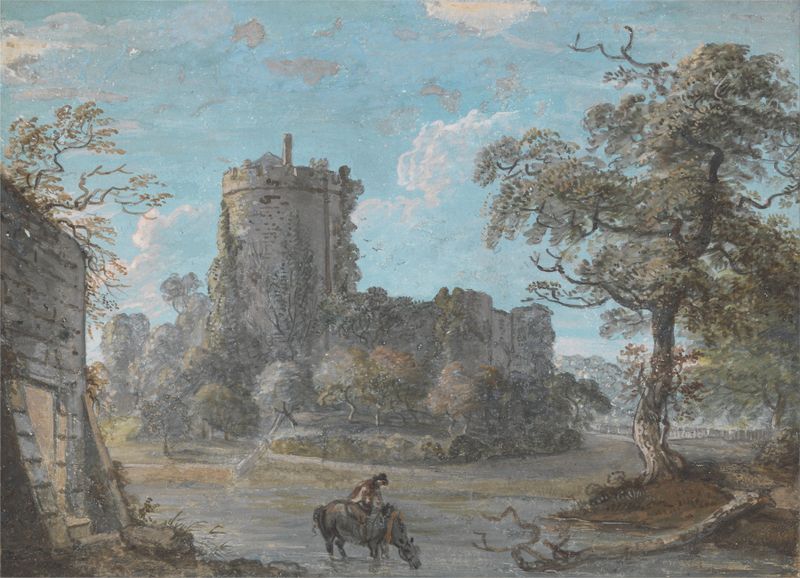
The Entrance to Chepstow Castle
Paul Sandby
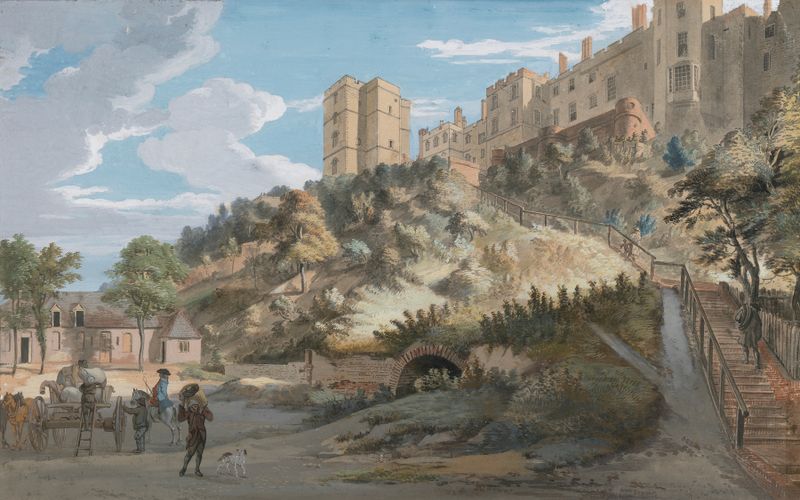
The Hundred Steps and Winchester Tower, Windsor Castle, Berkshire
Paul Sandby

Brook End, Essex
Paul Sandby
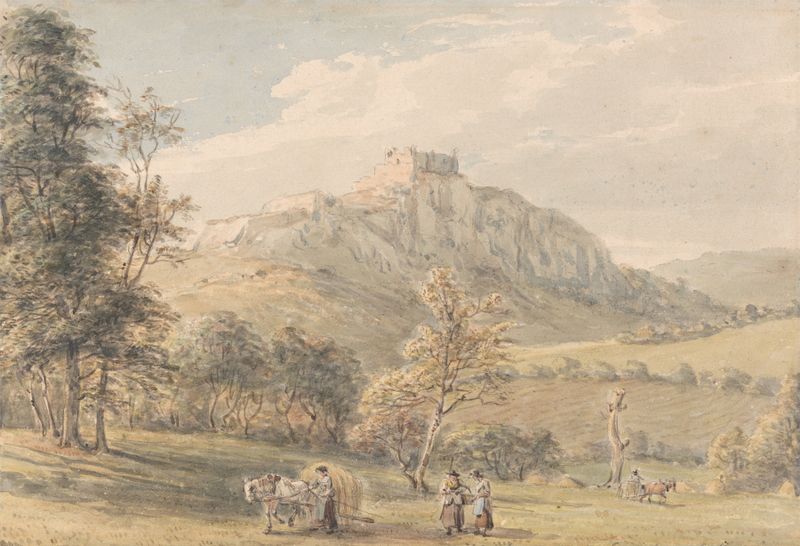
Carreg Cennen Castle
Paul Sandby





