
The Bell Tower — History & Facts
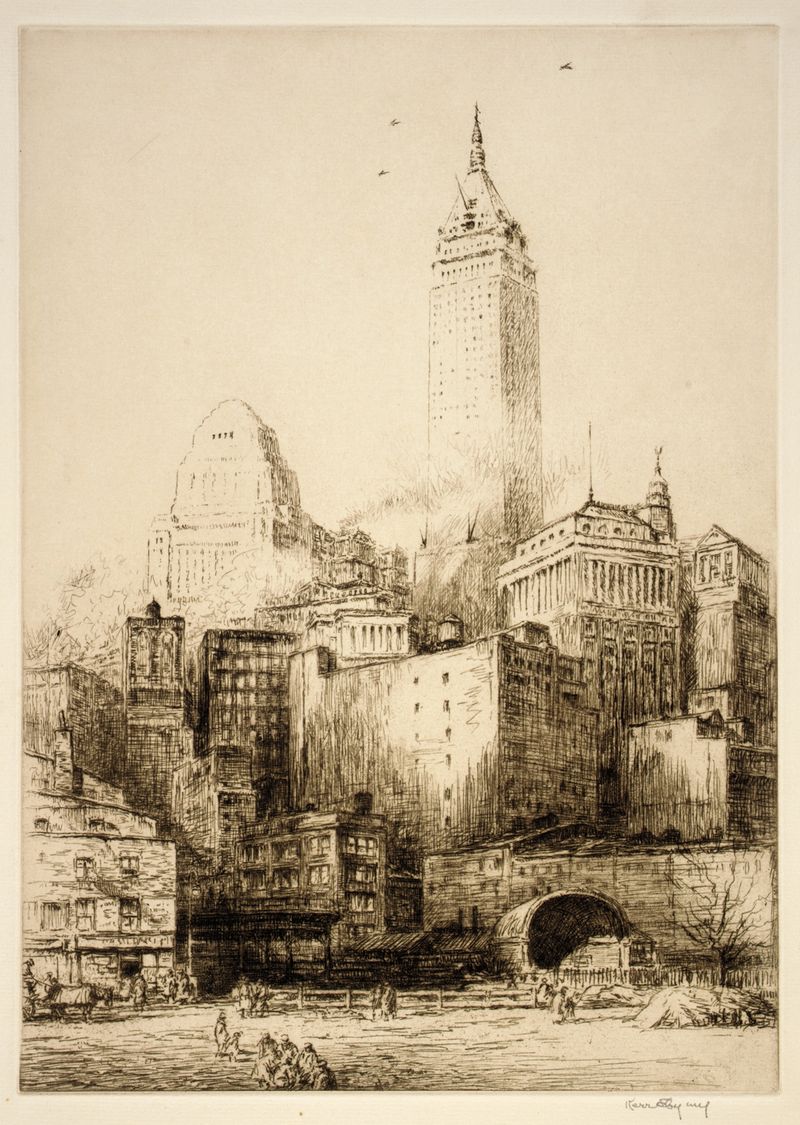
In the stillness of a moment, revelations await beneath the surface. The spaces where we pause often whisper secrets that transform our understanding of the world. Look to the center of the canvas, where the towering structure dominates the scene. The bell tower rises against a backdrop of muted blues and grays, its silhouette etched with intricate lines that evoke a haunting stillness.
Notice how light dances upon the weathered stones, illuminating their texture while casting long shadows that stretch towards the edges. This contrast of light and dark masterfully pulls the viewer into a meditative space, inviting introspection. As you explore further, observe the delicate interplay of colors—the soft blues suggest calmness, while the gray tones evoke the weight of history. The absence of figures enhances the solitary nature of the tower, a silent sentinel observing the passage of time.
The starkness of the composition speaks to themes of isolation and contemplation, revealing the artist's profound connection to the landscape and the emotions it embodies. Kerr Eby created The Bell Tower in 1923 while living in New York, navigating a world still reeling from the aftermath of war. At this juncture, Eby was deeply influenced by the changing landscape of American art, embracing the blend of realism and emotional expression. His works, often inspired by nature and the human experience, reflect a period of personal and artistic exploration, as he sought to convey deeper truths through the interplay of form and atmosphere.
More Artworks by Kerr Eby
Browse all →
More Architecture Art
Browse all →
The statue of Liberty
Frédéric Auguste Bartholdi

View of Houses in Delft, Known as ‘The Little Street’
Johannes Vermeer

View of Houses in Delft, Known as ‘The Little Street’
Johannes Vermeer

The Cathedral in Rouen. The portal, Grey Weather
Claude Monet

The yellow house
Vincent van Gogh

The Church in Auvers-sur-Oise, View from the Chevet
Vincent van Gogh