
The Birth of Venus — History & Facts
What startles the eye in The Birth of Venus by Adolf Hirémy-Hirschl is not the goddess herself, but the sheer wildness of the sea that delivers her. Rather than the poised, statuesque Venus of Renaissance tradition, here she is vulnerable and adrift, her body almost lost amid the surging green waves. The artist sets her pale form against the churning surf, so that the foam frames her like a crown and her hair streams into the water, blurring the boundary between flesh and ocean.
The gesture of her hand, shielding her face, hints at shyness or perhaps the shock of arrival, while the restless light on the water draws us again and again to the drama of her birth. This vision belongs to a world where myth was reimagined with the tools of academic realism and the ambitions of a new century. In the late nineteenth and early twentieth centuries, painters like Hirémy-Hirschl found patrons eager for scenes that mingled classical legend with psychological immediacy—artworks meant for salons, collectors, and the rising bourgeoisie. Little is recorded about this specific painting beyond its appearance as Lot.32 at Sotheby’s, a reminder that many such works slip through history’s net, their stories half-told.
Yet the painting’s energy, and its refusal to idealize, invite us to linger and imagine the world that could have produced such a Venus—fragile, exposed, and utterly modern.
More Artworks by Adolf Hirémy-Hirschl
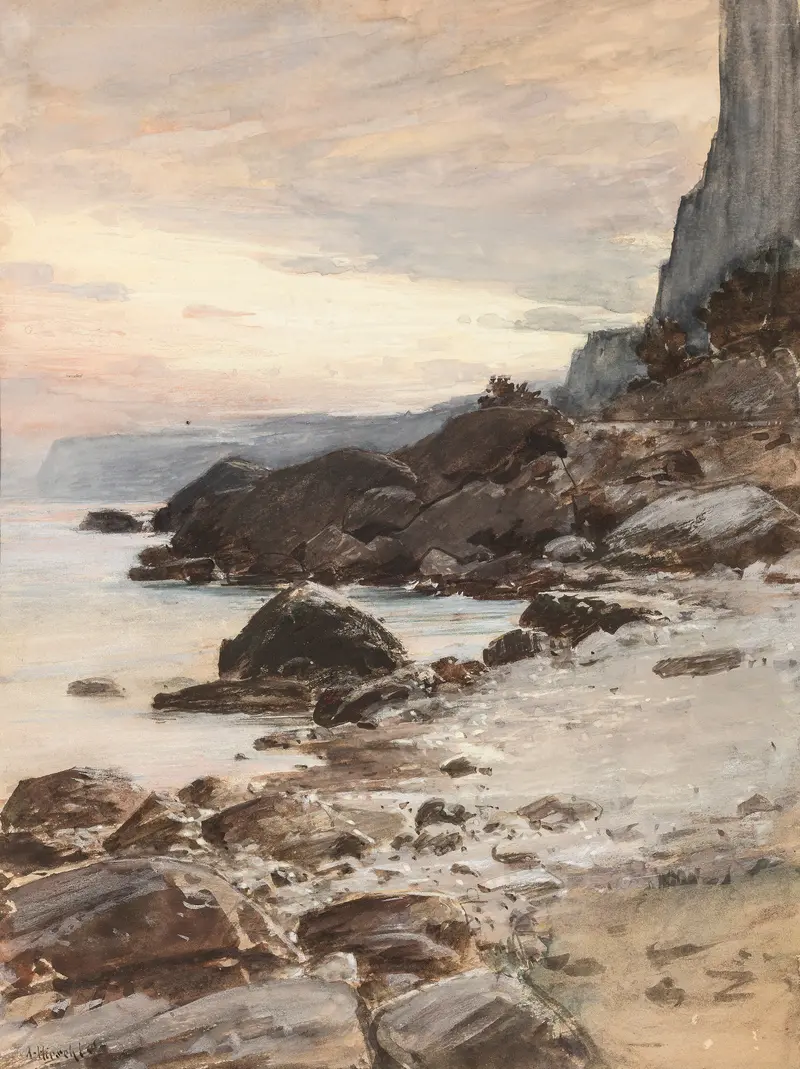
Südliche Küste
Adolf Hirémy-Hirschl
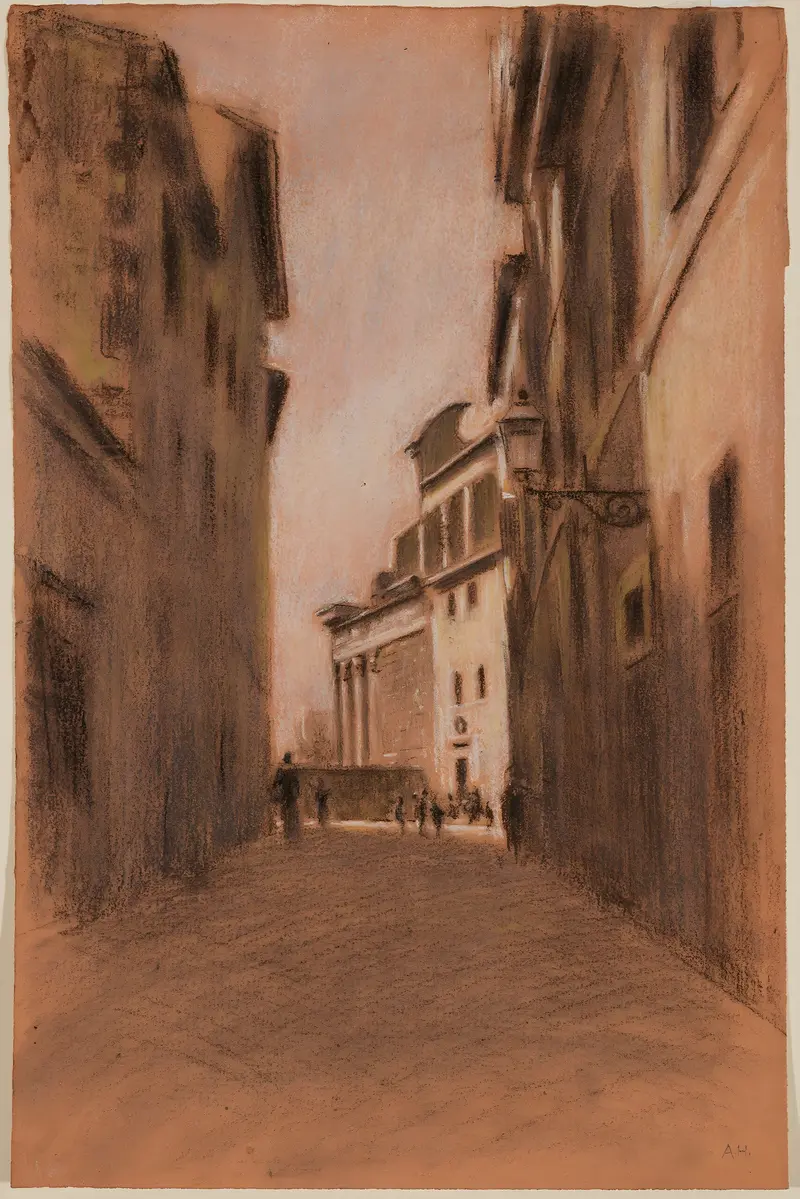
Gasse in Rom mit Blick auf den Faustinatempel
Adolf Hirémy-Hirschl
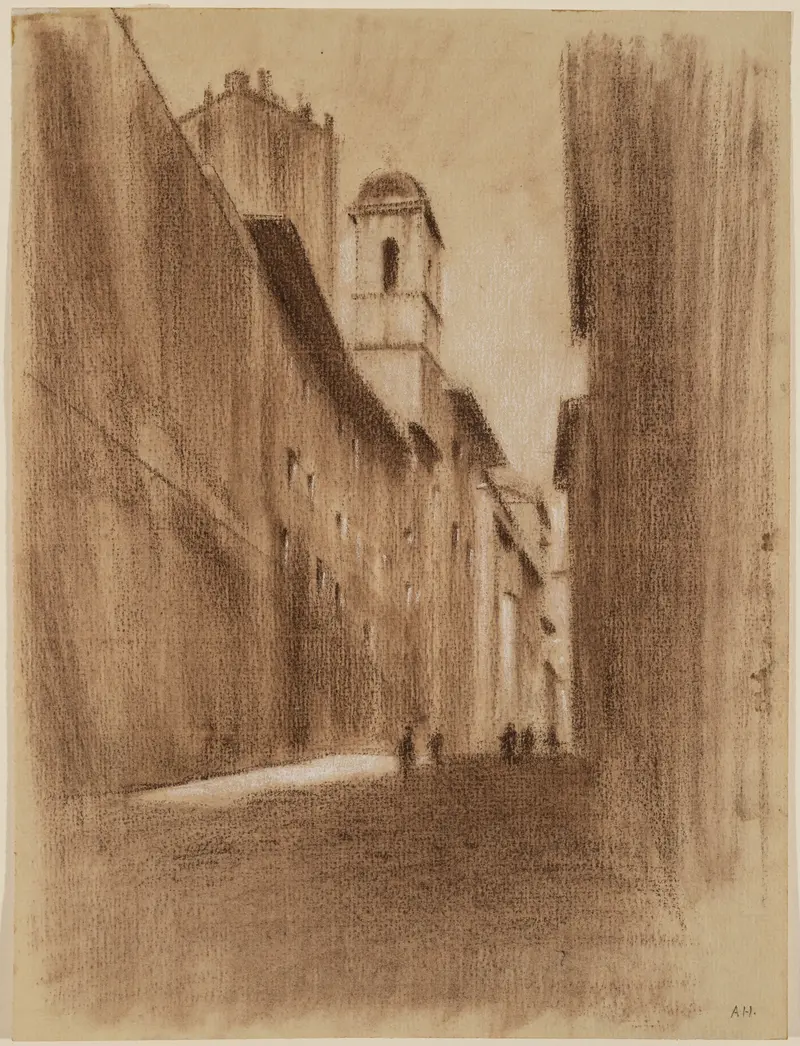
Gasse Salita del Grillo in Rom
Adolf Hirémy-Hirschl
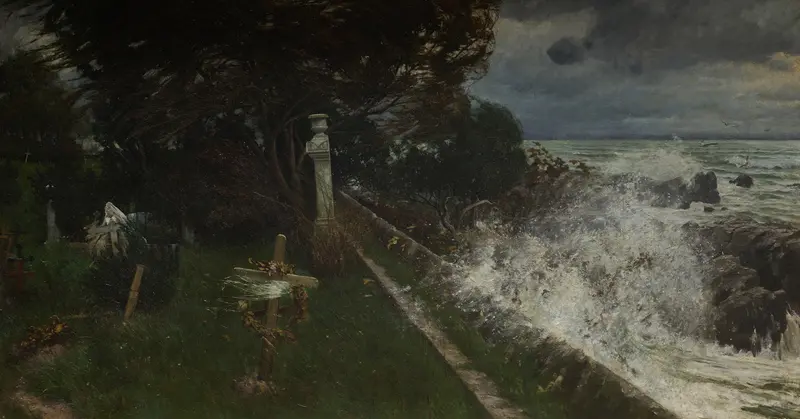
Seaside Cemetery (Seefriedhof)
Adolf Hirémy-Hirschl
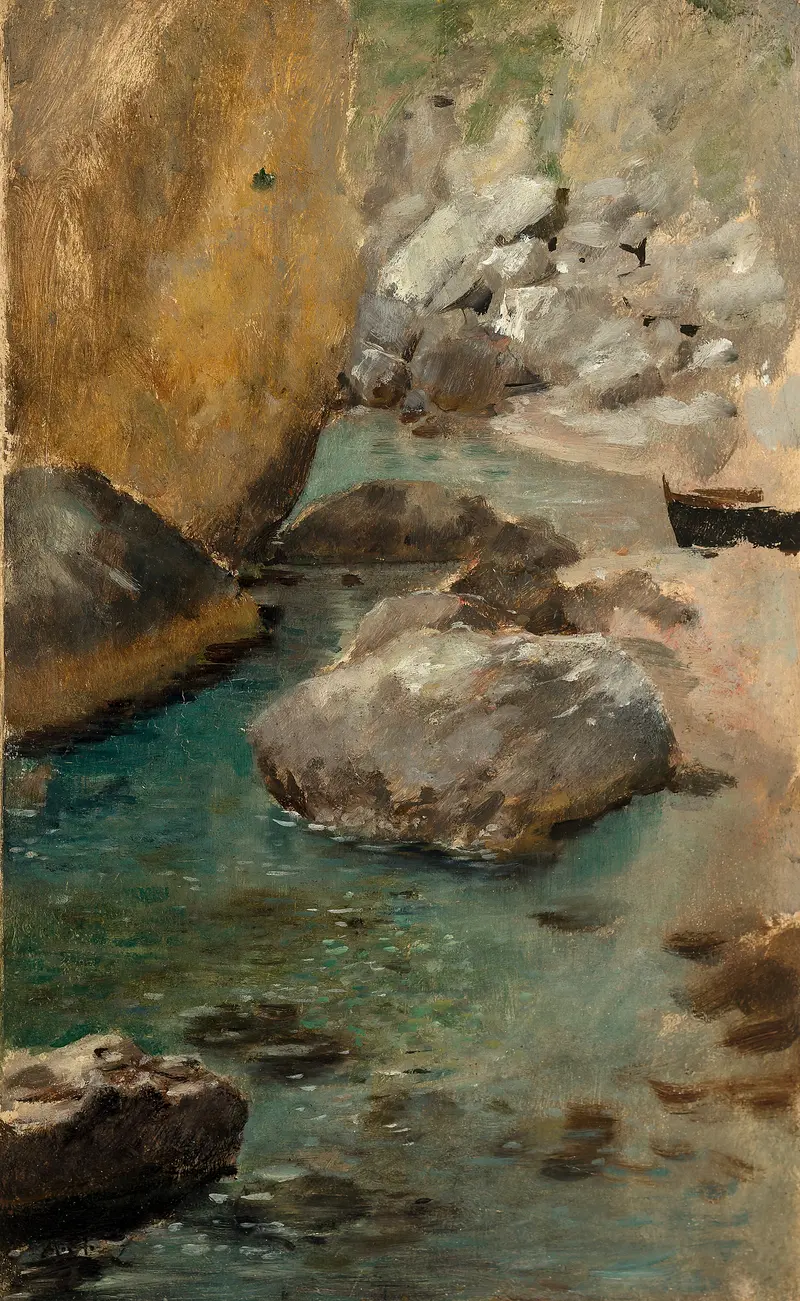
Italienische Bucht
Adolf Hirémy-Hirschl
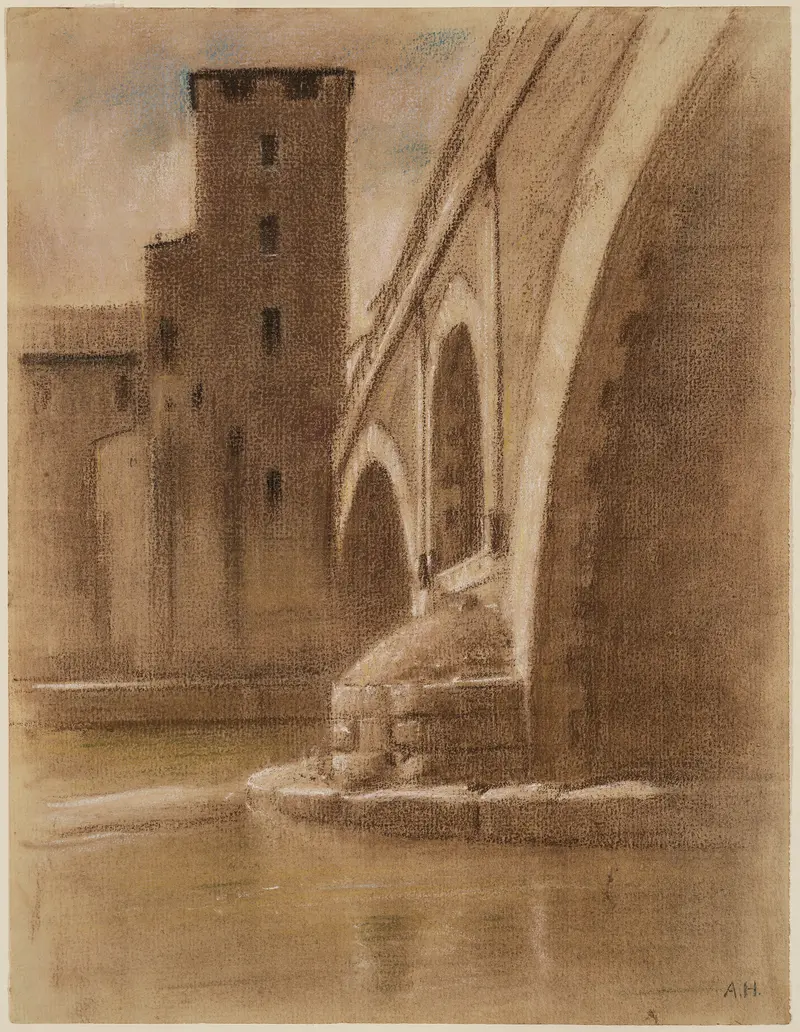
Die Ponte dei Quattro Capi in Rom
Adolf Hirémy-Hirschl
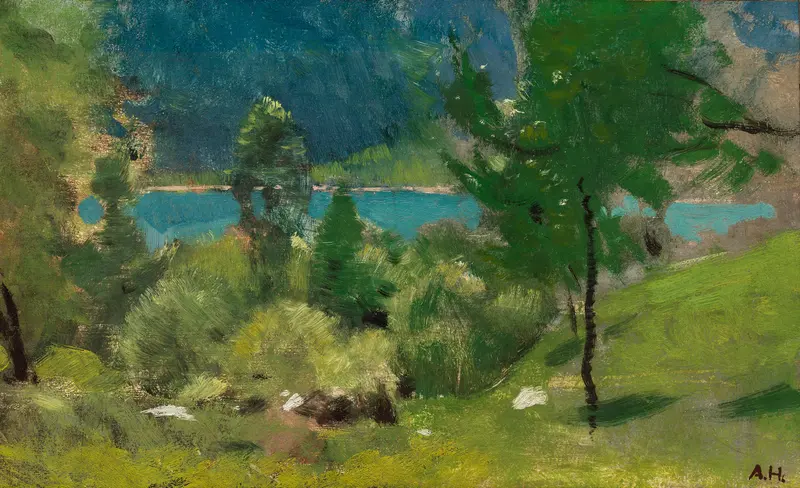
Blick auf einen Gebirgssee
Adolf Hirémy-Hirschl
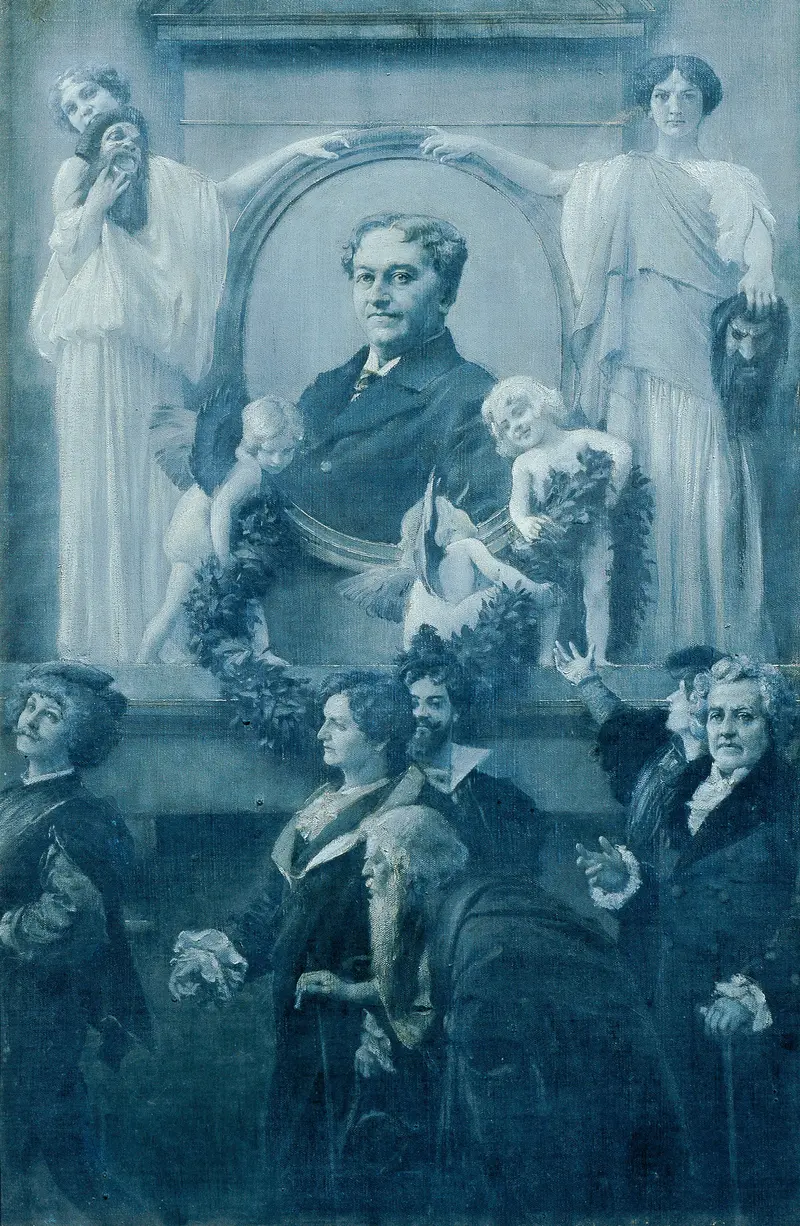
Der Hofschauspieler Ernst Hartmann 490 Österreichische Galerie Belvedere
Adolf Hirémy-Hirschl
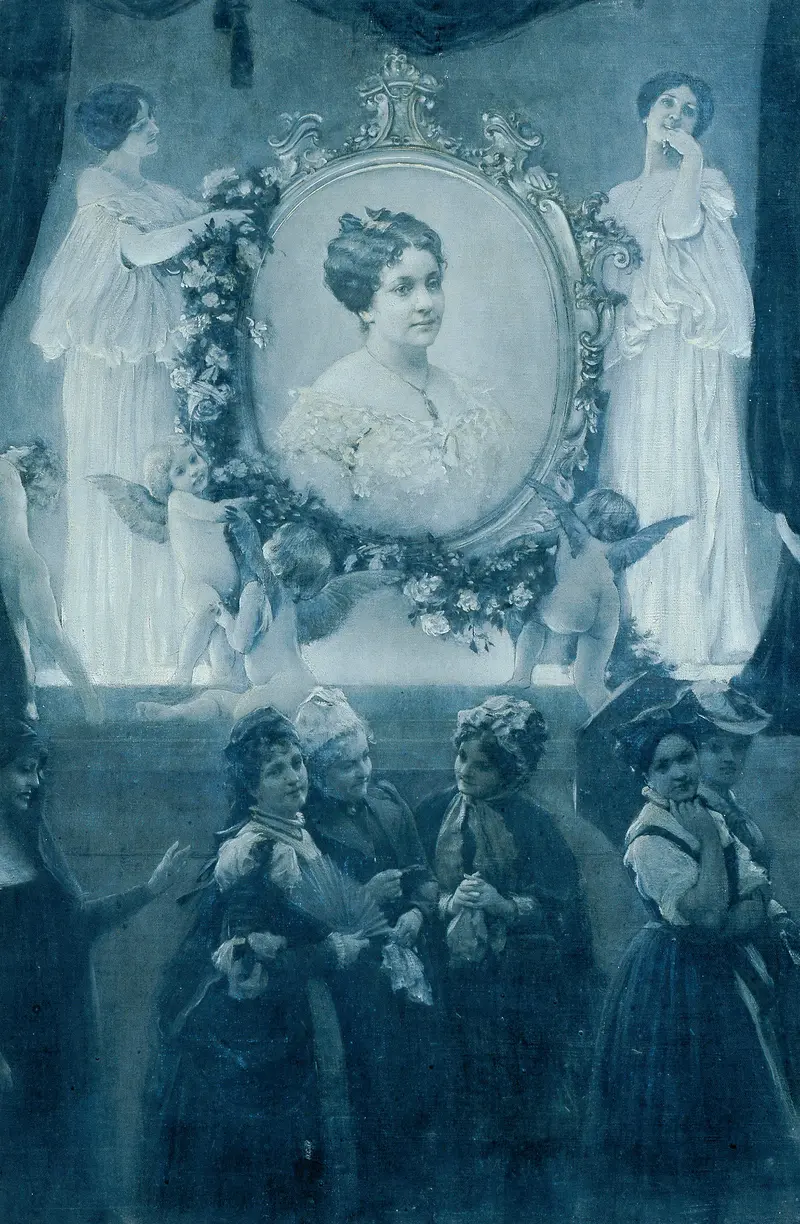
Die Schauspielerin Helene Hartmann 491 Österreichische Galerie Belvedere
Adolf Hirémy-Hirschl
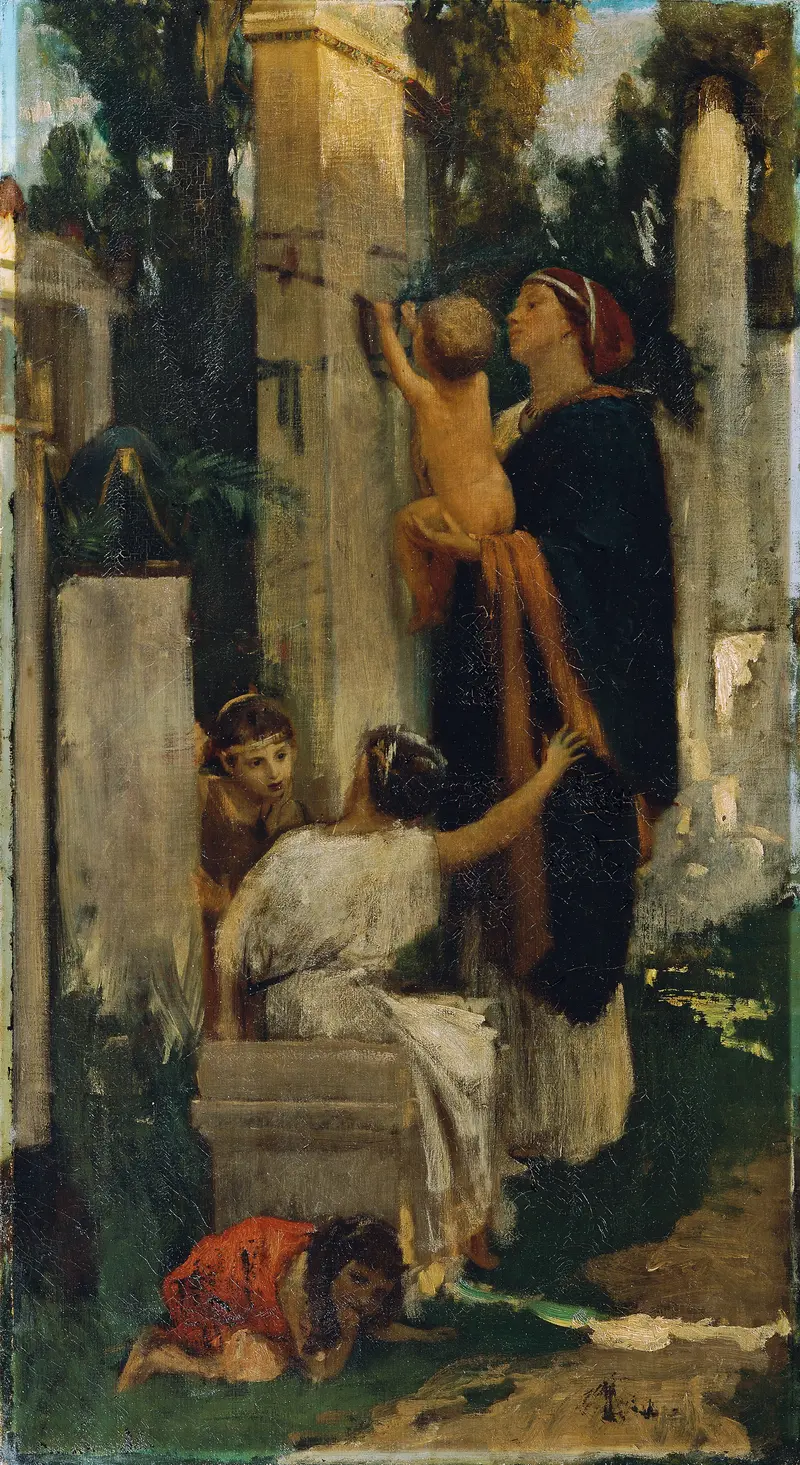
Ancient cemetery scene (woman with children decorating a grave)
Adolf Hirémy-Hirschl





