
The Black Ship Scroll — History & Facts
The Black Ship Scroll is a Japanese handscroll dated to 1854, attributed to an unknown artist and executed in ink and color on paper. The scroll is held by the Honolulu Museum of Art, accession number 2732.1. The work presents a series of scenes featuring foreign sailors and Japanese figures, accompanied by handwritten Japanese text. The scroll depicts a range of interactions and activities involving Westerners, likely American or European, and Japanese individuals.
The composition is organized sequentially from right to left, as is traditional in Japanese emakimono (picture scrolls). The scenes include close-up portraits, group gatherings, and depictions of daily or ceremonial activities, such as pounding or preparing food, and what appears to be the butchering of a turtle. The figures are rendered in a stylized manner, with bold outlines and areas of muted color, while the backgrounds are left largely unadorned, focusing attention on the characters and their actions.
The handwritten text provides context and commentary for each scene. Handscrolls such as this were produced in Japan during the mid-19th century to document and comment on encounters with foreigners, especially following the arrival of Commodore Perry’s “Black Ships” in 1853–1854, which marked the end of Japan’s isolationist policy. Works of this type often served as both visual records and satirical commentary, reflecting Japanese curiosity and apprehension about Westerners. The Black Ship Scroll is dated to 1854, placing it in the immediate aftermath of these historic events.
The scroll remains in the collection of the Honolulu Museum of Art.
More Artworks by Unknown Artist

The Ideal City
Unknown Artist

Ridder, Dood en Duivel
Unknown Artist

Shiva Nataraja
Unknown Artist
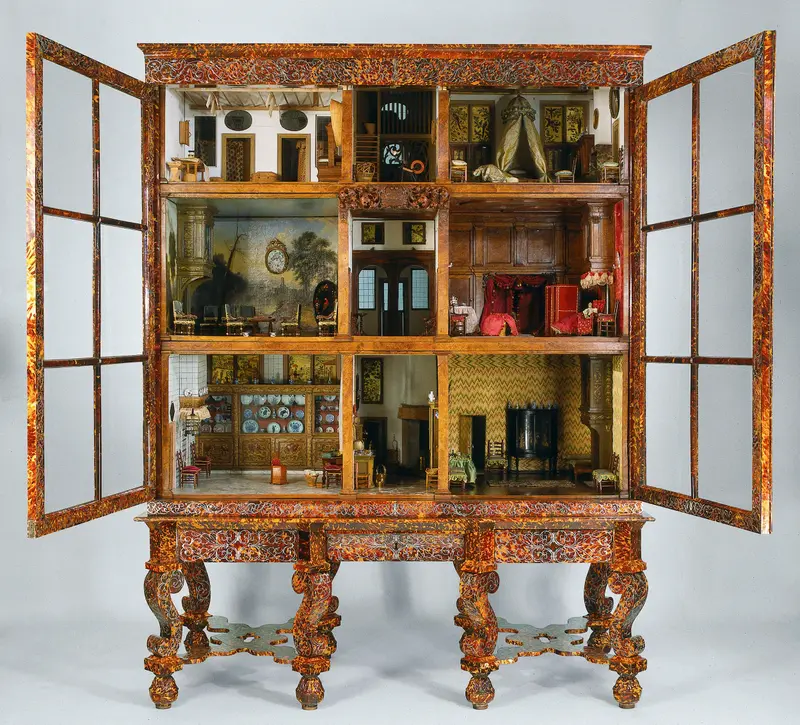
Dolls’ house of Petronella Oortman
Unknown Artist
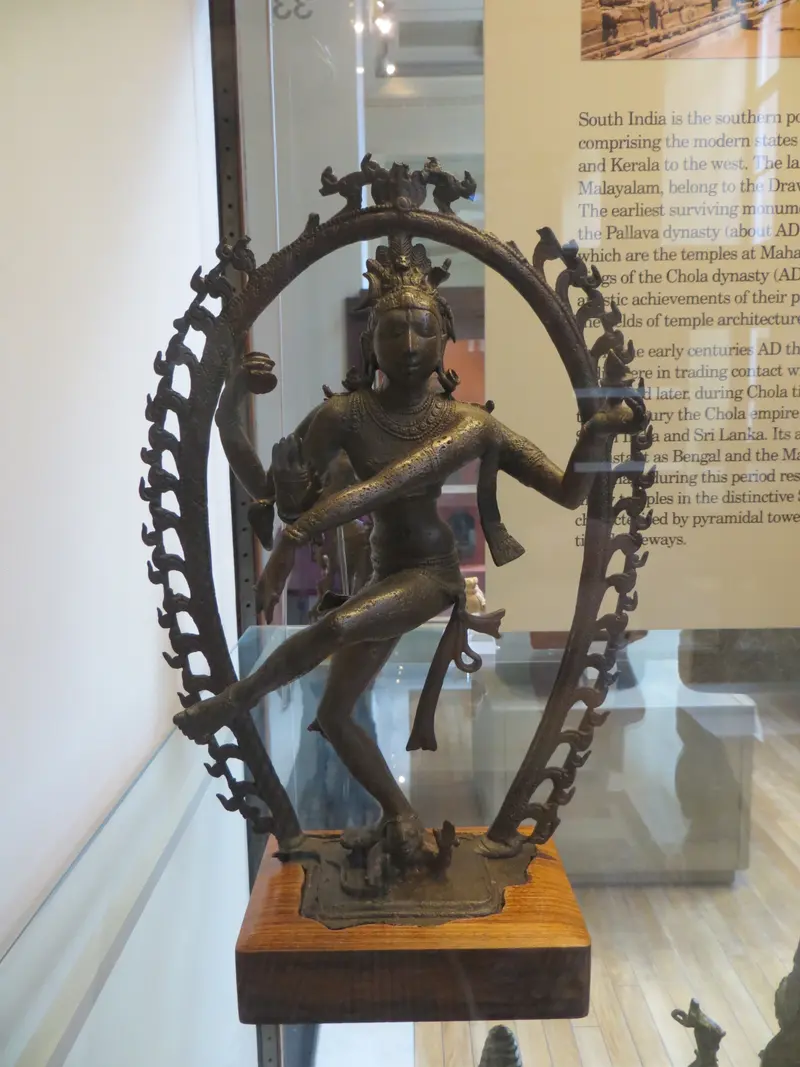
Shiva Nataraja
Unknown Artist
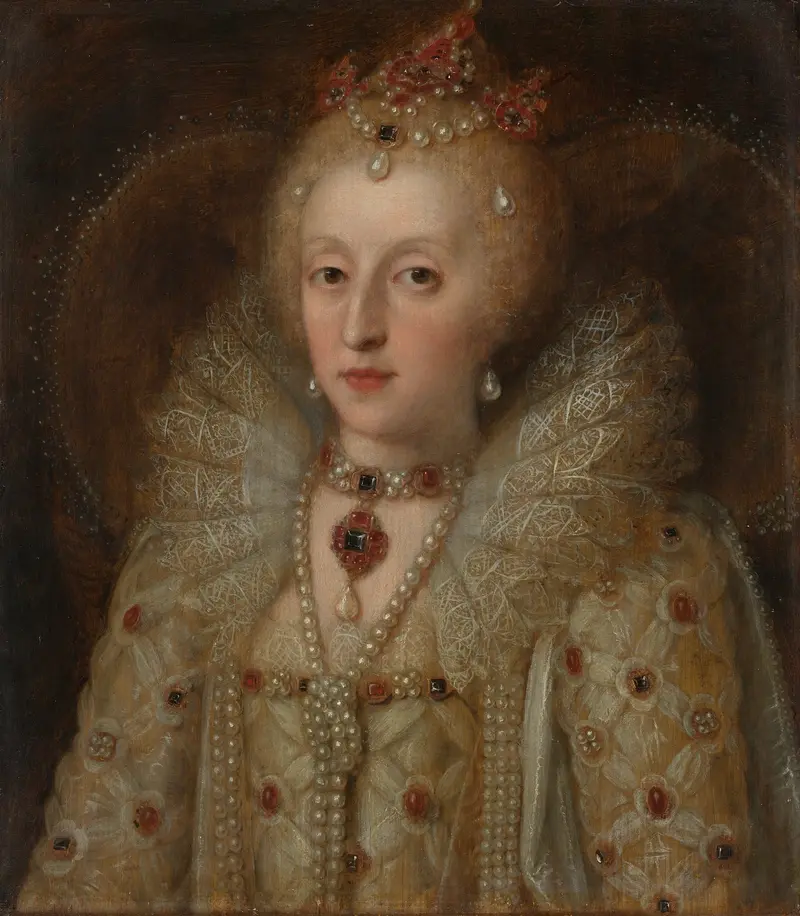
Portrait of Elizabeth I, Queen of England
Unknown Artist
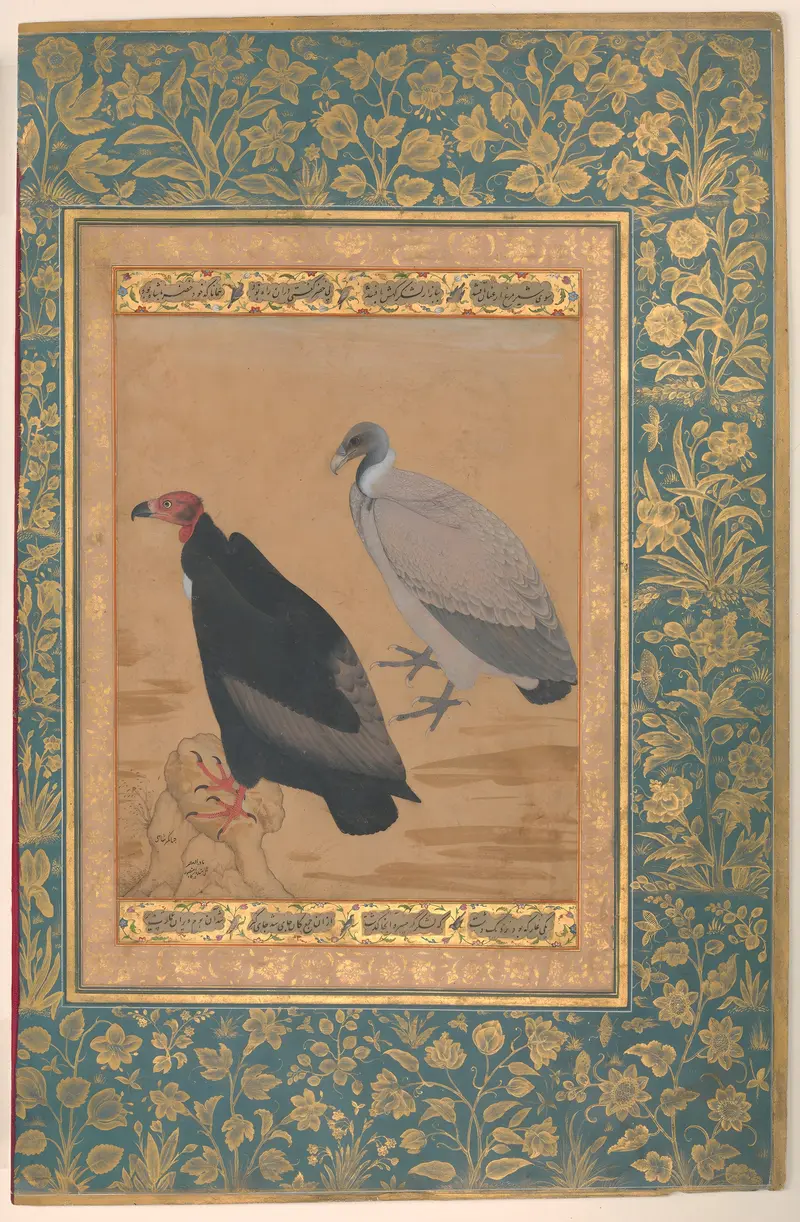
"Red-Headed Vulture and Long-Billed Vulture", Folio from the Shah Jahan Album
Unknown Artist

The Tale of Genji
Unknown Artist
Cong
Unknown Artist
The Tale of Genji
Unknown Artist
More Genre Scene Art

Banquet of the Officers of the St George Civic Guard
Frans Hals

Rembrandt and Saskia in the Scene of the Prodigal Son
Rembrandt van Rijn

Bal du moulin de la Galette
Pierre-Auguste Renoir

Quadrille at the Moulin Rouge
Henri de Toulouse-Lautrec

A Burial at Ornans
Gustave Courbet

When Will You Marry?
Paul Gauguin