
The blind fiddler — History & Facts
This sentiment captures the delicate balance between beauty and despair, a haunting reminder of the human experience reflected in art. Look to the left at the blind fiddler, whose weathered hands cradle the instrument with a tenderness that belies his hardship. The warm palette of ochres and browns envelops him, while a subtle chiaroscuro highlights the contours of his face, telling stories of sorrow and resilience. Note the play of light across his features; it seems to dance with his music, suggestive of a world unseen yet deeply felt. As the viewer’s gaze drifts, the contrasting elements emerge: the fiddler’s blindness juxtaposed with the vibrant notes he plays.
The nearby figures, cast in shadow, embody the duality of life’s beauty; they listen intently, yet their expressions reveal a spectrum of emotions ranging from joy to melancholy. Each detail, from the fabric of their clothing to the idle instruments around them, reflects a struggle for connection amidst isolation. Rembrandt created this work in 1631 during his early years in Amsterdam, a time marked by personal and professional tumult. He was grappling with financial instability and the recent deaths of loved ones, all while striving for artistic recognition.
In a city that was rapidly flourishing, this piece forged a powerful link between artistry and empathy, serving as an intimate portrayal of humanity’s complexities.
More Artworks by Rembrandt van Rijn
Browse all →
The Night Watch Militia Company of District II under the Command of Captain Frans Banninck Cocq
Rembrandt van Rijn

The Return of the Prodigal Son
Rembrandt van Rijn

The Hundred Guilder Print: the figures leaning on the wall in the centre left
Rembrandt van Rijn

The Hundred Guilder Print: the central piece with Christ preaching, the plate arched
Rembrandt van Rijn

Isaac and Rebecca, Known as ‘The Jewish Bride’
Rembrandt van Rijn
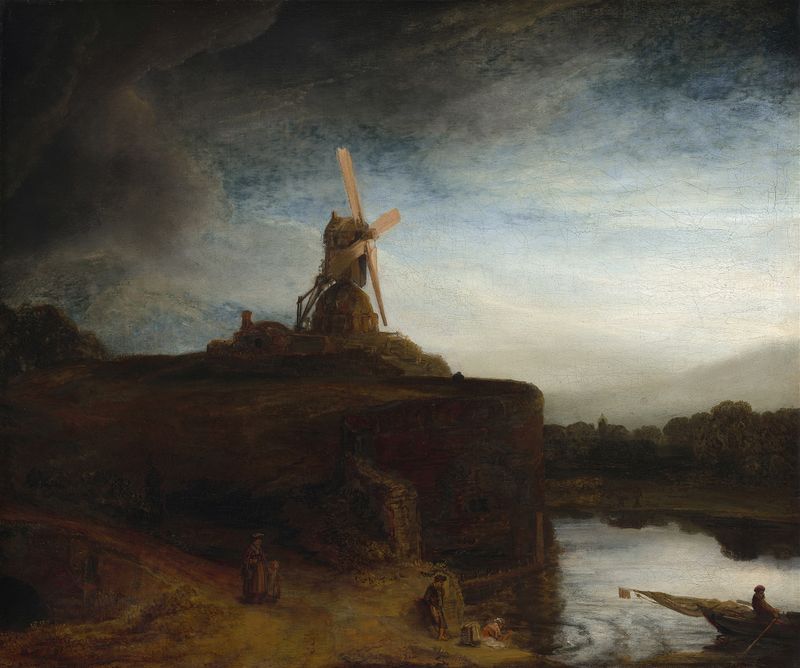
The Mill
Rembrandt van Rijn

The Sampling Officials of the Amsterdam Drapers’ Guild, Known as ‘The Syndics’
Rembrandt van Rijn

The return of the prodigal son
Rembrandt van Rijn
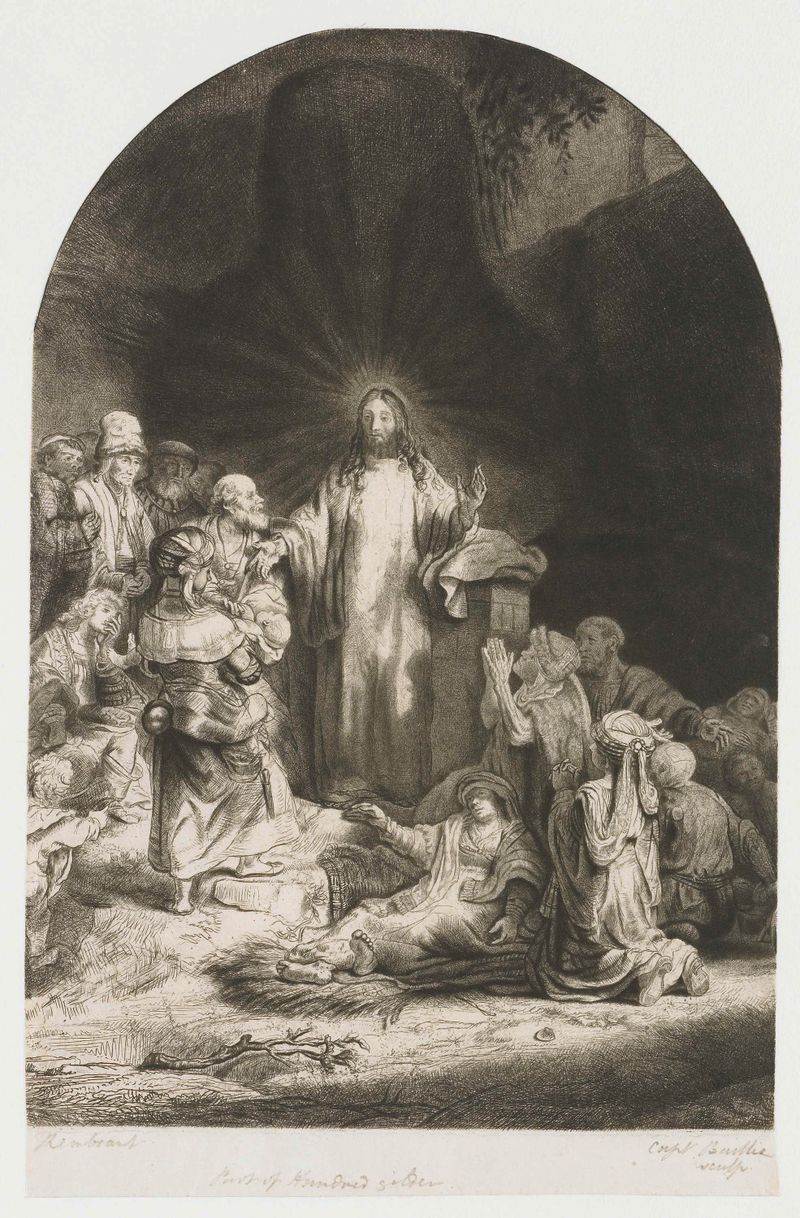
The Hundred Guilder Print: the central piece with Christ preaching, the plate arched
Rembrandt van Rijn

The Hundred Guilder Print: the man seen on the back in the lower left corner
Rembrandt van Rijn





