
The blind fiddler — History & Facts
A world unfolds behind each stroke, inviting us to delve into a dreamscape where reality blurs with imagination. Look to the left at the blind fiddler, his weathered hands poised with grace over the strings, embodying both vulnerability and tenacity. The play of light falls softly over his face, illuminating the deep lines of experience etched into his skin, while shadows cloak the surrounding figures in a mysterious embrace. The rich, earthy tones of the background contrast with the warmth of his flesh, creating a sense of intimacy and solitude as if we are both witnesses and participants in this poignant moment. As you observe the delicate interplay of light and shadow, consider the emotional tensions woven into the scene.
The fiddler's blindness renders him both detached from the visual world and deeply attuned to the music he creates. This duality evokes the fragility of human experience, highlighting a profound connection between joy and sorrow, sight and blindness. Each listener, depicted in the background, is captivated by the melody, suggesting the universal longing for connection and understanding, transcending the limitations of physical sight. In 1631, Rembrandt painted this work during a period of intense personal and artistic exploration in Amsterdam.
He was establishing his reputation while grappling with the challenges of life and death, which colored his art with deep emotional resonance. It was a time when the art world was transitioning towards greater realism and emotional depth, elements that would define his legacy and forever change the landscape of painting.
More Artworks by Rembrandt van Rijn
Browse all →
The Night Watch Militia Company of District II under the Command of Captain Frans Banninck Cocq
Rembrandt van Rijn

The Return of the Prodigal Son
Rembrandt van Rijn

The Hundred Guilder Print: the figures leaning on the wall in the centre left
Rembrandt van Rijn

The Hundred Guilder Print: the central piece with Christ preaching, the plate arched
Rembrandt van Rijn

Isaac and Rebecca, Known as ‘The Jewish Bride’
Rembrandt van Rijn
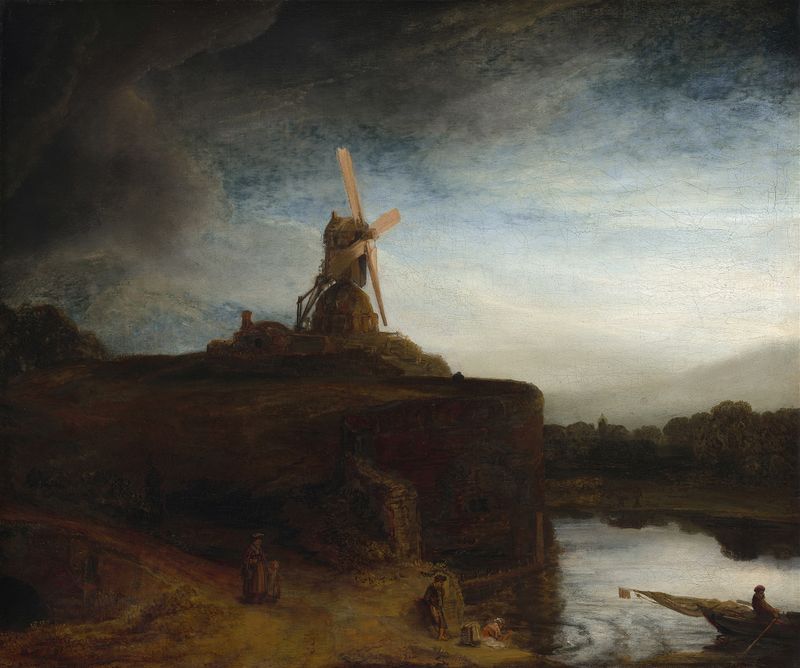
The Mill
Rembrandt van Rijn

The Sampling Officials of the Amsterdam Drapers’ Guild, Known as ‘The Syndics’
Rembrandt van Rijn

The return of the prodigal son
Rembrandt van Rijn
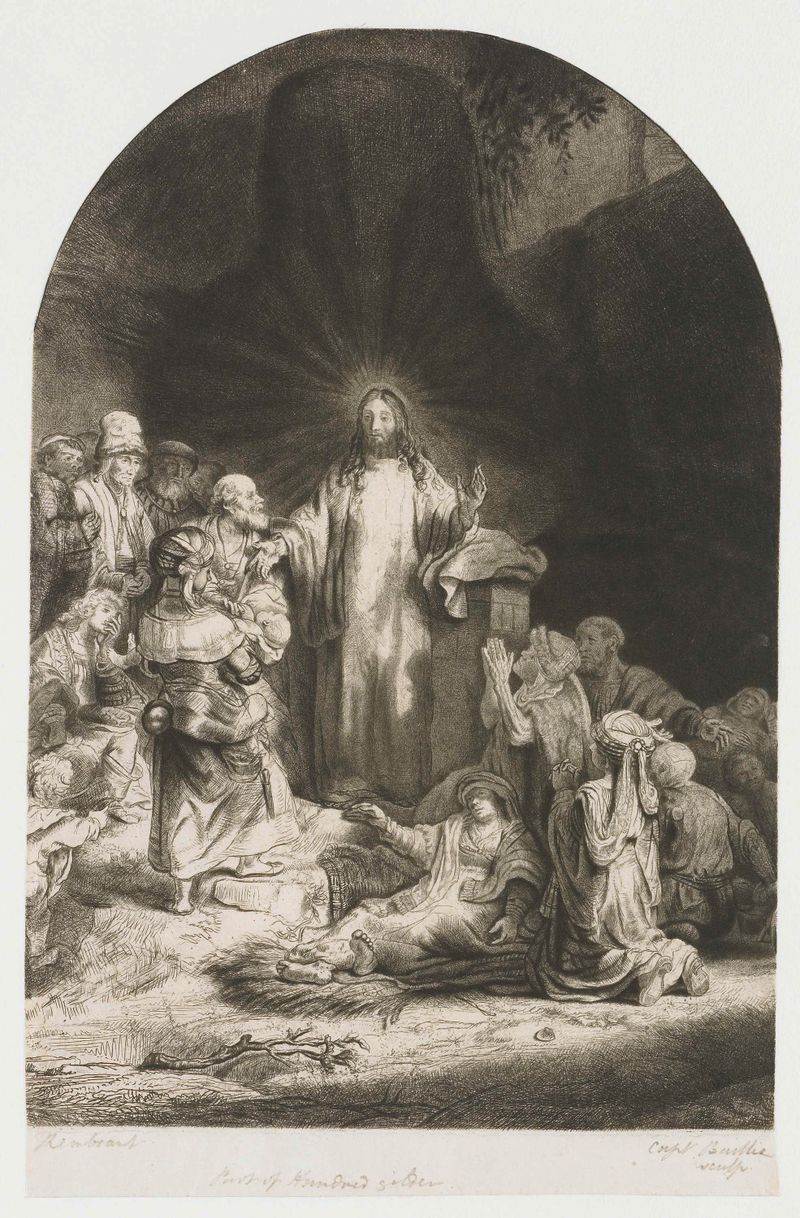
The Hundred Guilder Print: the central piece with Christ preaching, the plate arched
Rembrandt van Rijn

The Hundred Guilder Print: the man seen on the back in the lower left corner
Rembrandt van Rijn





