
The blind fiddler — History & Facts
Could beauty survive in a century of chaos? In The Blind Fiddler, the poignant silence of music fills the air, a haunting reminder of the human spirit's resilience even in despair. Look to the left at the blind fiddler, his face etched with the weight of experience and loss. The light falls softly on his weathered hands, poised over the strings, revealing the masterful technique of chiaroscuro that is so characteristic of his work. Notice the palette of earthy tones, rich browns and deep blacks, which envelops the scene, drawing the viewer into the intimate atmosphere, inviting reflection on the themes of vulnerability and artistry. Hidden within the fiddler's expression lies the contrast between blindness and vision; while he cannot see, he profoundly understands the world through sound.
The child leaning against him, absorbed in the music, symbolizes hope and continuity, bridging the generational divide. The shadows that envelop the figures evoke a sense of melancholy, reminding us that beauty often coexists with suffering and that art can flourish even amidst life's trials. In 1631, Rembrandt was solidifying his reputation in Amsterdam, navigating the complexities of art and commerce. This work emerged during a period marked by personal struggles, including financial challenges and the loss of loved ones.
The artist's exploration of human emotion and character was burgeoning, reflecting not only his own life experiences but also the societal turbulence of his time, making this painting an intimate window into a world where shadows and light entwine.
More Artworks by Rembrandt van Rijn
Browse all →
The Night Watch Militia Company of District II under the Command of Captain Frans Banninck Cocq
Rembrandt van Rijn

The Return of the Prodigal Son
Rembrandt van Rijn

The Hundred Guilder Print: the figures leaning on the wall in the centre left
Rembrandt van Rijn

The Hundred Guilder Print: the central piece with Christ preaching, the plate arched
Rembrandt van Rijn

Isaac and Rebecca, Known as ‘The Jewish Bride’
Rembrandt van Rijn
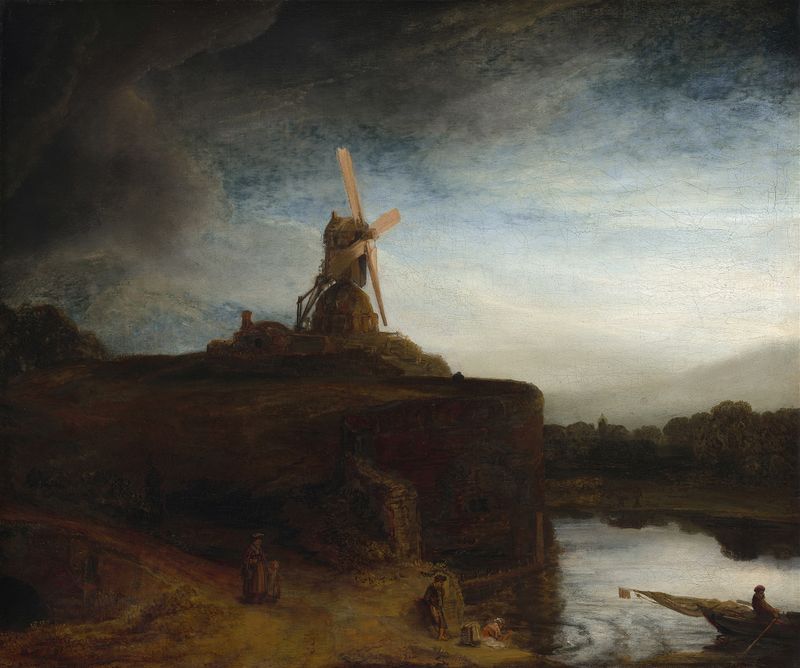
The Mill
Rembrandt van Rijn

The Sampling Officials of the Amsterdam Drapers’ Guild, Known as ‘The Syndics’
Rembrandt van Rijn

The return of the prodigal son
Rembrandt van Rijn
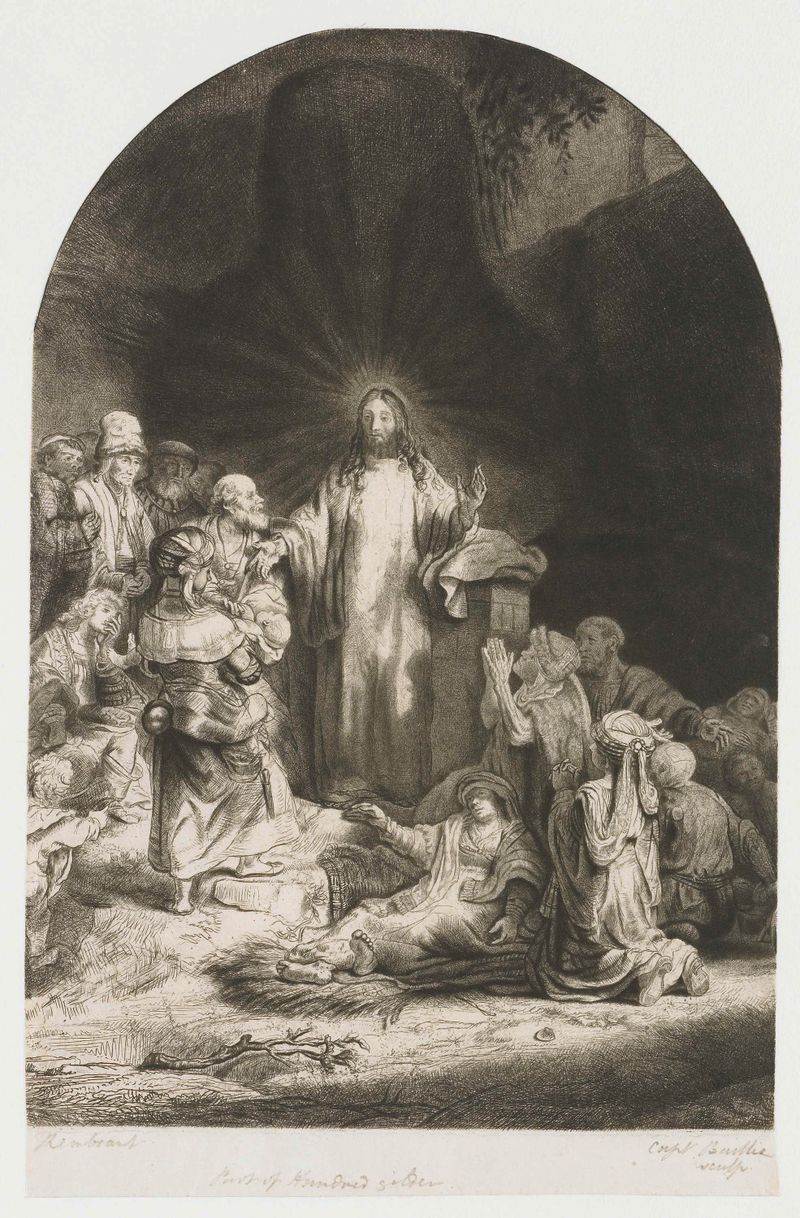
The Hundred Guilder Print: the central piece with Christ preaching, the plate arched
Rembrandt van Rijn

The Hundred Guilder Print: the man seen on the back in the lower left corner
Rembrandt van Rijn





