
The Blue-Blooded Man and the Devil (Der Blaublütige und der Teufel) — History & Facts
A jolt of color and caricature leaps from The Blue-Blooded Man and the Devil, demanding the viewer’s attention with its theatrical, almost comic-book energy. The eye is caught first by the stark contrast between the stiff, angular figure of the man—dressed in the trappings of privilege—and the writhing, monstrous green devil who stalks him through each panel. Lightning bolts, clouds, and exaggerated gestures swirl through the composition, each detail amplifying a sense of confrontation and consequence.
The handwritten script, curling and dense, weaves through the panels like a spell or a curse, inviting the viewer to decipher its meaning while reinforcing the sense of a cautionary tale. Created in 1911, this print belongs to a world where satire and social commentary found new life in popular visual culture. The early twentieth century in Central Europe saw artists like Moriz Jung—whose work often appeared in the pages of the Vienna-based magazine Die Fledermaus—turning to bold lines and biting humor to skewer the pretensions of the elite. Prints such as this were affordable, widely circulated, and designed to provoke as much as to amuse.
While little is recorded about the specific journey of this sheet, its presence today in the Metropolitan Museum of Art’s collection is a testament to the enduring power of images that challenge as much as they entertain. Let your gaze linger on the devil’s contorted form and the blue-blood’s final fate; the story is as much in the telling as in the seeing.
More Artworks by Moriz Jung
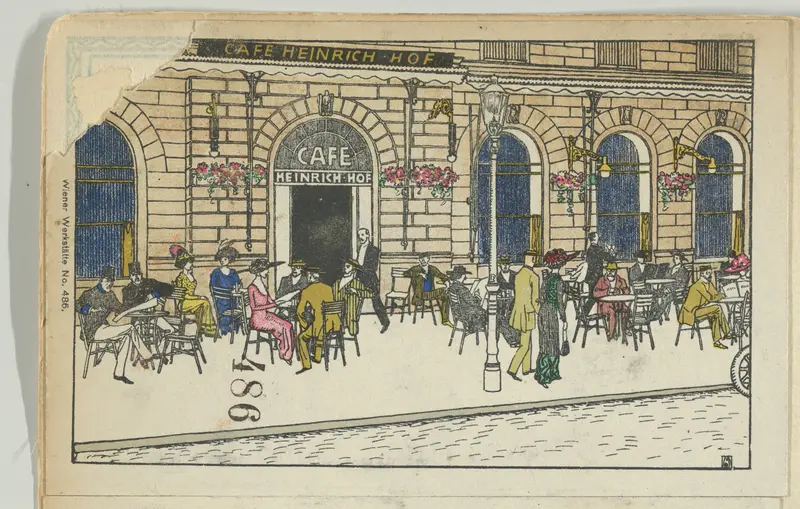
Café Heinrichhof
Moriz Jung

Moriz Jung Porträt
Moriz Jung
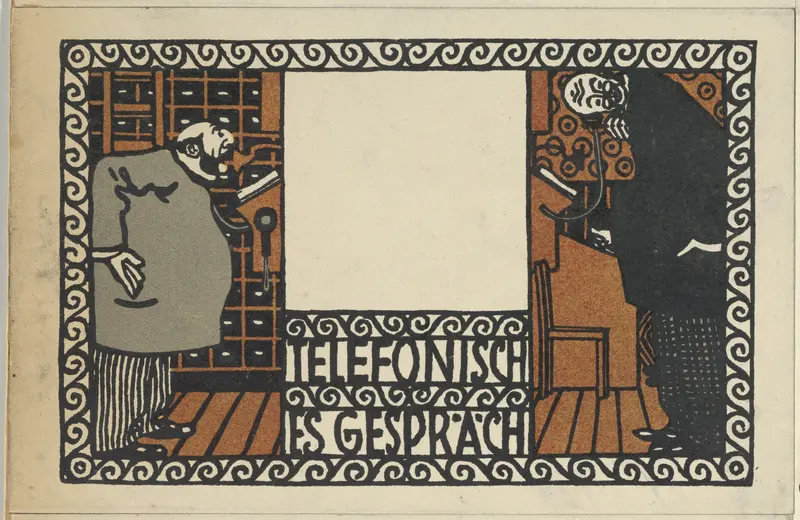
Telephone Conversation (Telefonisches Gespräch)
Moriz Jung
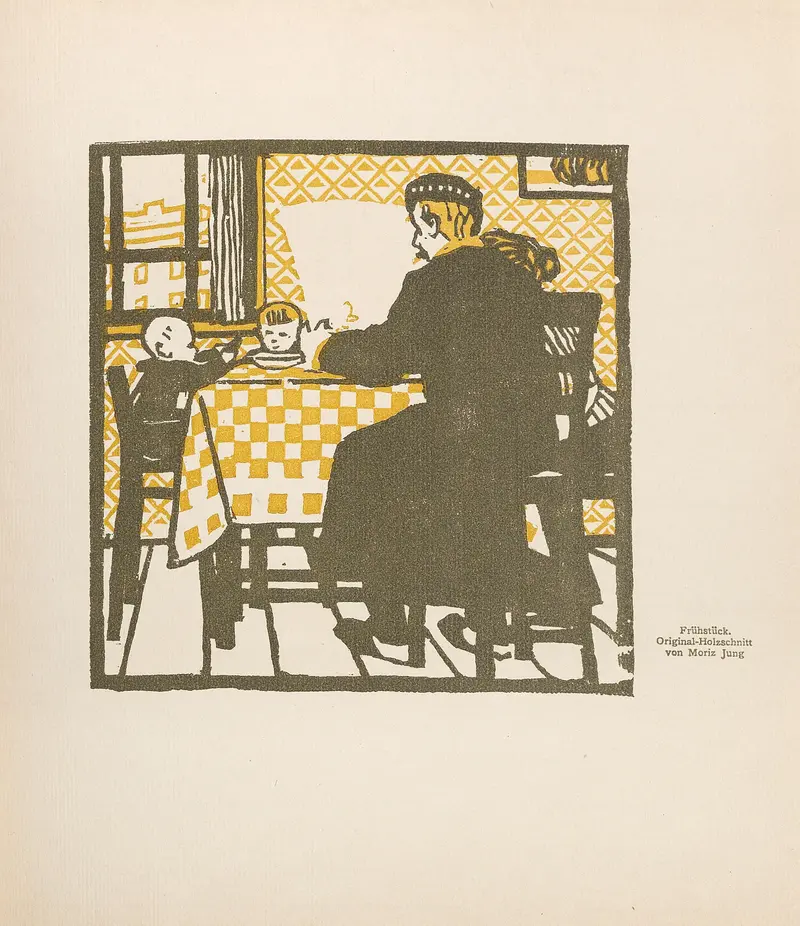
Moriz Jung Frühstück
Moriz Jung
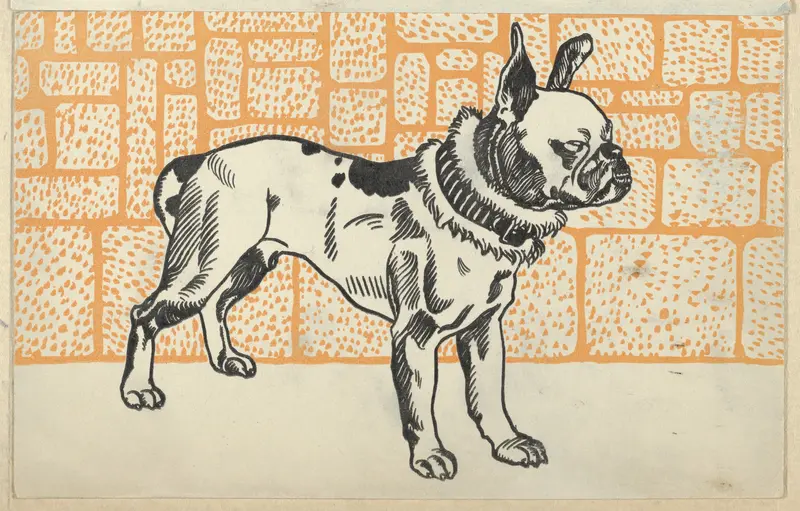
Pitbull Terrier
Moriz Jung
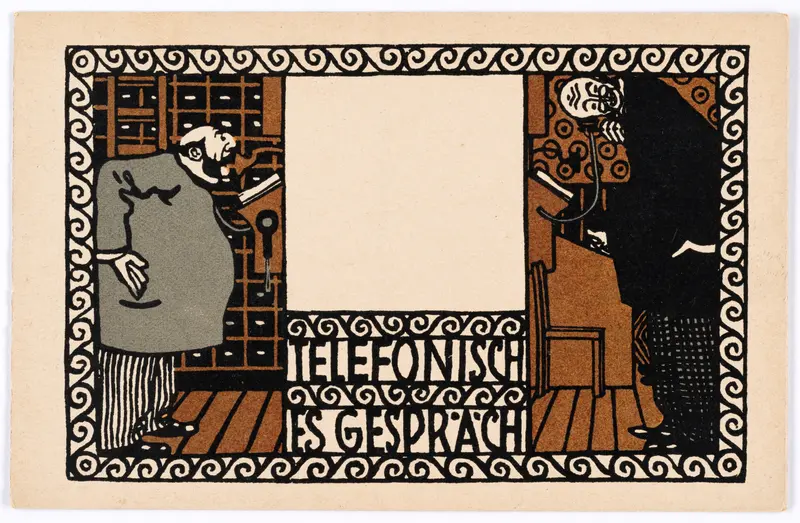
Postkarte der Wiener Werkstätte Nr. 58 - Telefonisches Gespräch
Moriz Jung
Postkarte der Wiener Werkstätte Nr. 58 - Telefonisches Gespräch - verso
Moriz Jung
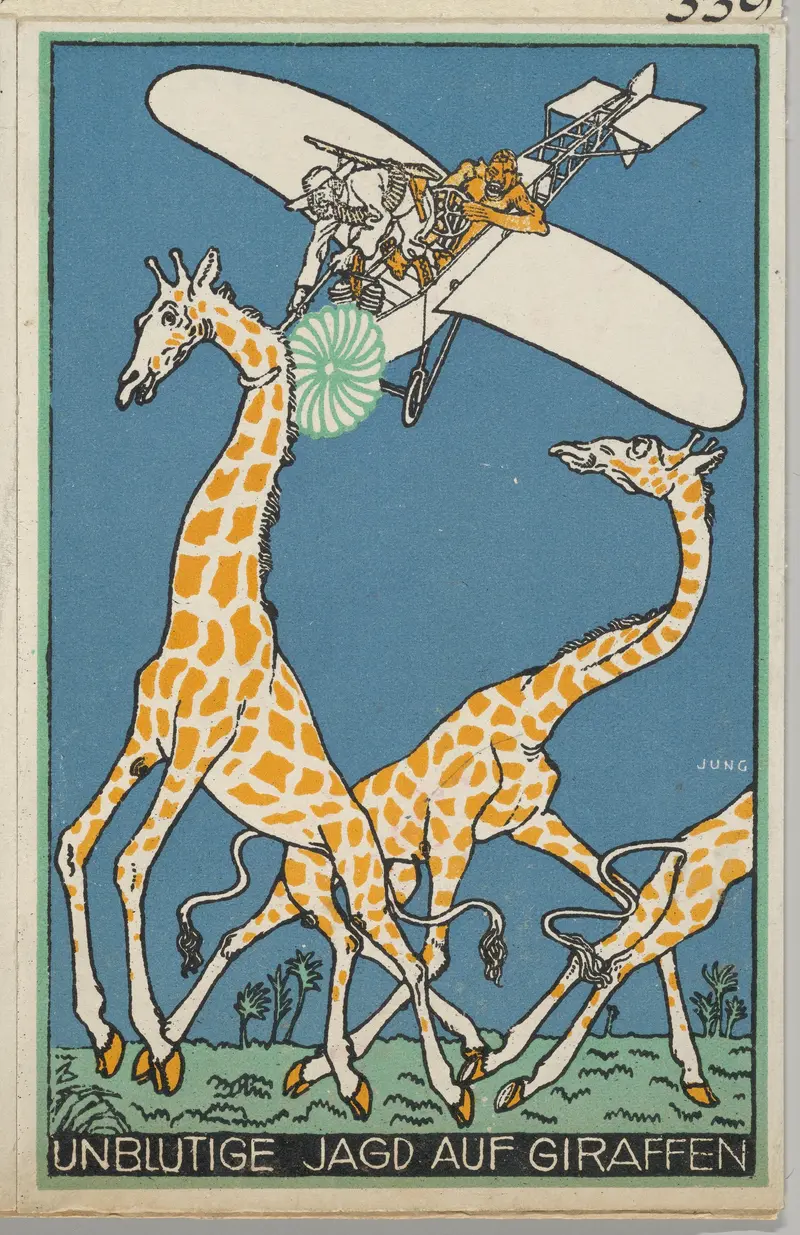
Bloodless Giraffe Hunt (Unblutige Jagd auf Giraffen)
Moriz Jung
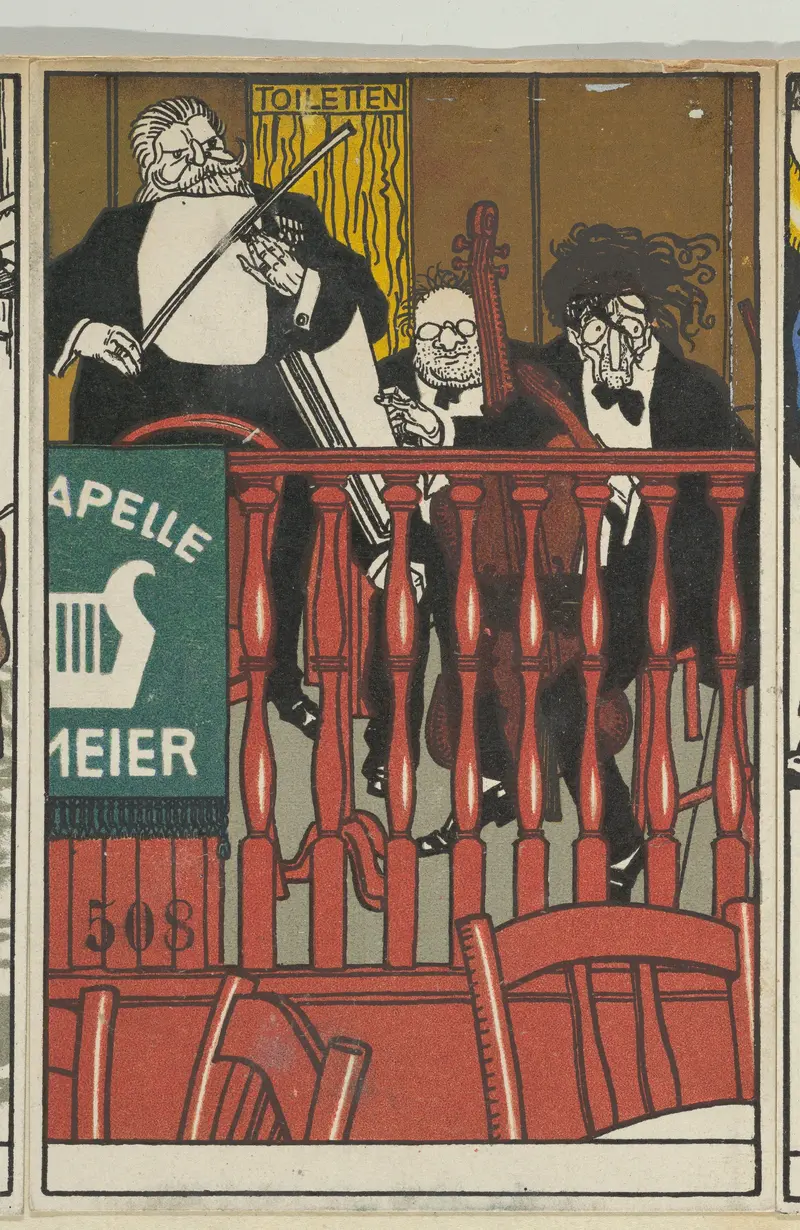
Salon Orchestra Meier
Moriz Jung
Wiener Café: Die Schachspieler
Moriz Jung





