The Blue Girl (fragment): Purple and Blue — History & Facts
The first thing that grips the viewer in The Blue Girl (fragment): Purple and Blue by James McNeill Whistler is the way color itself becomes the subject. Deep, aquatic blues and purples pool and swirl across the surface, drawing the eye into the heart of the composition. There is a sense of looking through water or glass, as if the flowers and their vase are not simply arranged, but submerged in memory or dream.
The forms dissolve at the edges, their outlines blurred, inviting us to linger and search for meaning in the haze. This fragment, painted between 1873 and 1875, belongs to a moment when artists like Whistler were challenging the boundaries of representation. Rather than a crisp botanical study, the flowers here are rendered with loose, almost abstract brushwork; petals and leaves melt into the background, their identities secondary to the play of light and shadow. The palette is moody and restrained, yet the hints of yellow and violet pulse with quiet energy.
In the world of late nineteenth-century painting, such works were often commissioned for private interiors, meant to evoke mood rather than narrative. Today, housed in the collection of the Smithsonian’s National Museum of Asian Art, this enigmatic fragment stands as a testament to Whistler’s lifelong fascination with harmony and suggestion—inviting us to look again, and look deeper.
More Artworks by James McNeill Whistler
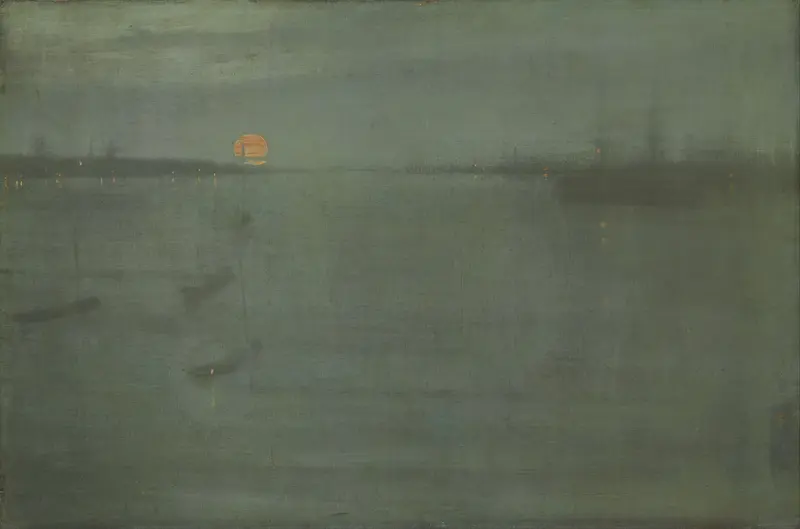
Nocturne: Blue and Gold—Southampton Water
James McNeill Whistler
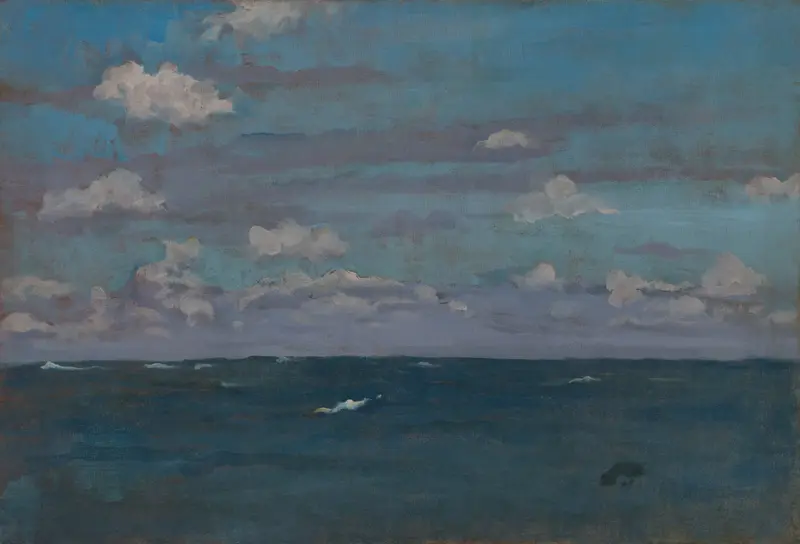
Violet and Silver—The Deep Sea
James McNeill Whistler
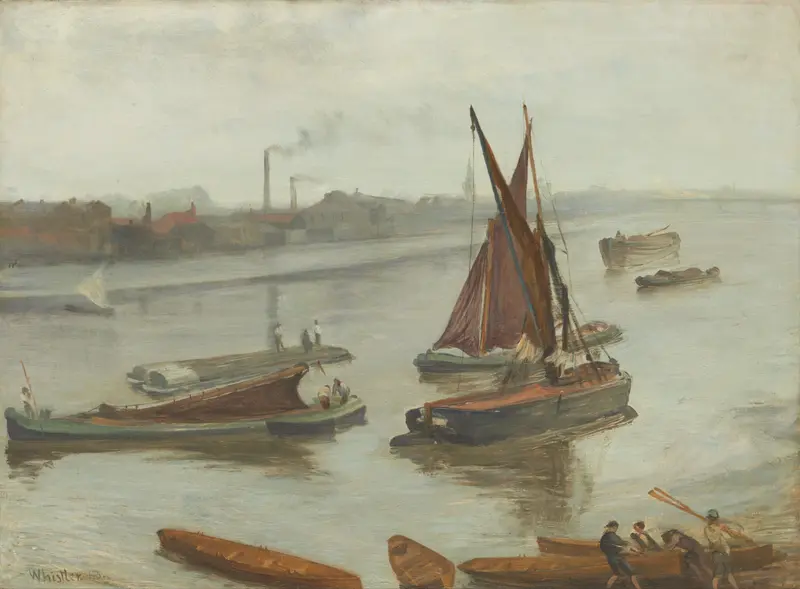
Grey and Silver: Old Battersea Reach
James McNeill Whistler
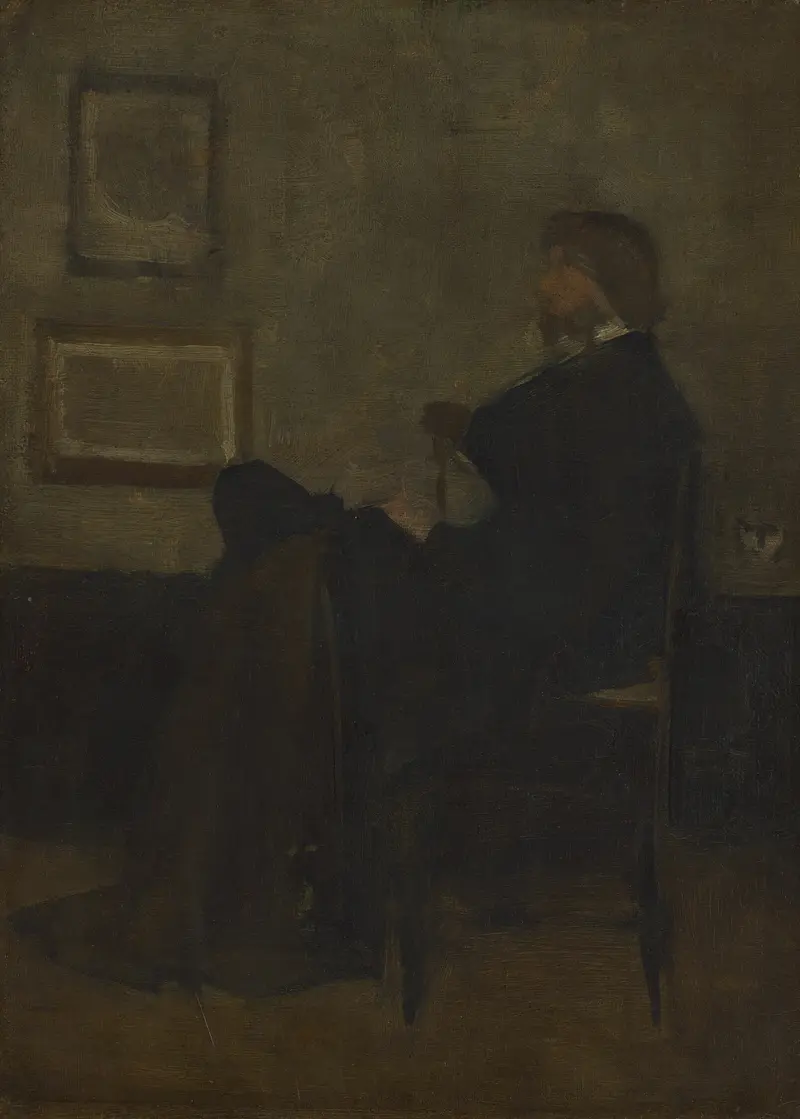
Study for "Arrangement in Grey and Black, No. 2: Portrait of Thomas Carlyle"
James McNeill Whistler
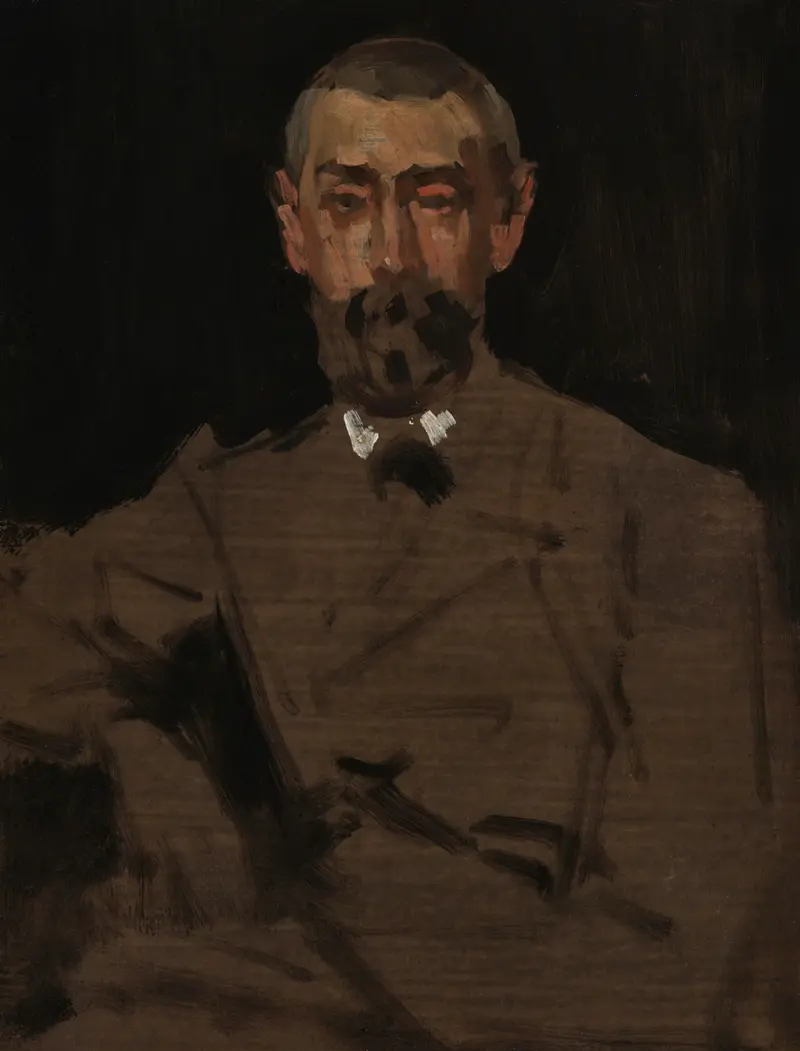
Portrait of M. R. Elden
James McNeill Whistler
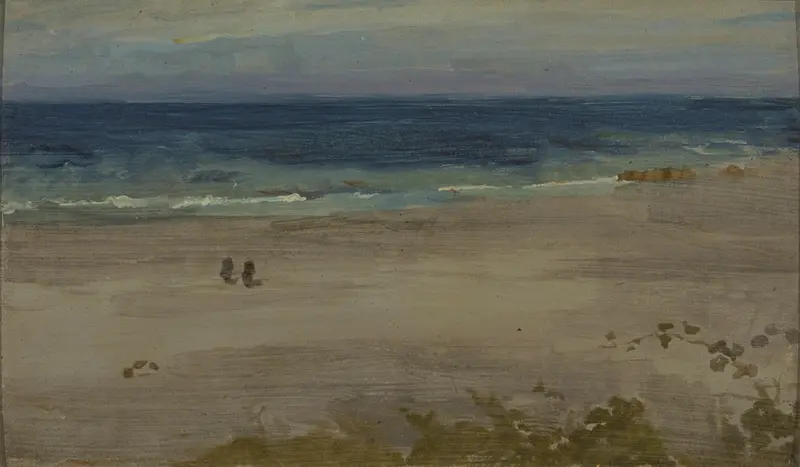
The Blue Sea
James McNeill Whistler
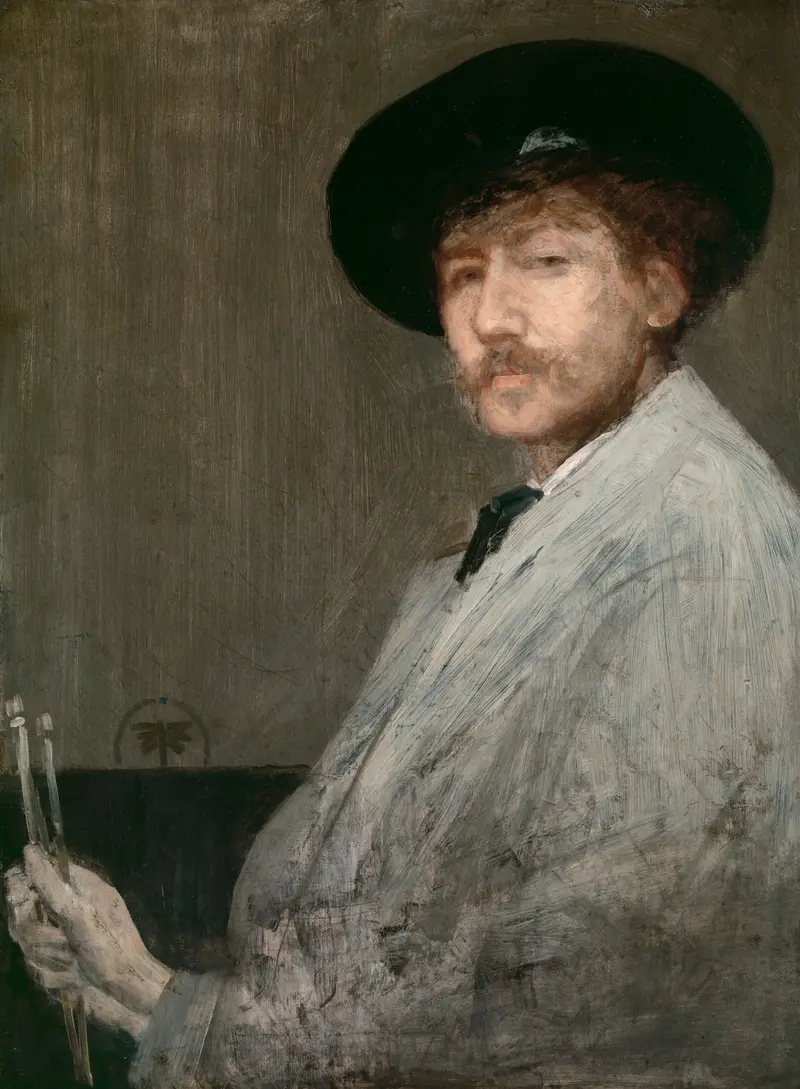
Arrangement in Gray: Portrait of the Painter
James McNeill Whistler
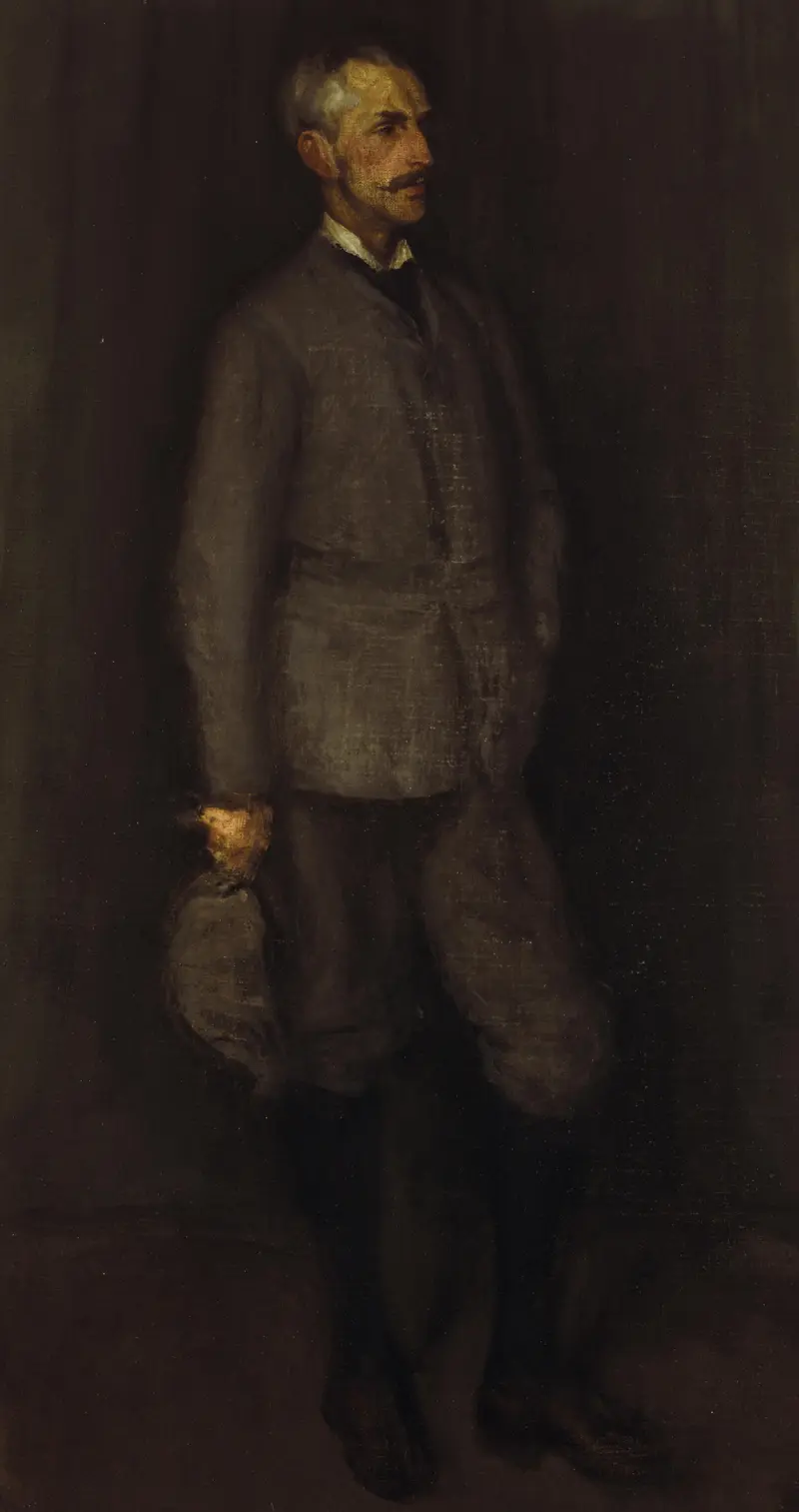
Arrangement in Grey and Green. Portrait of John James Cowan
James McNeill Whistler
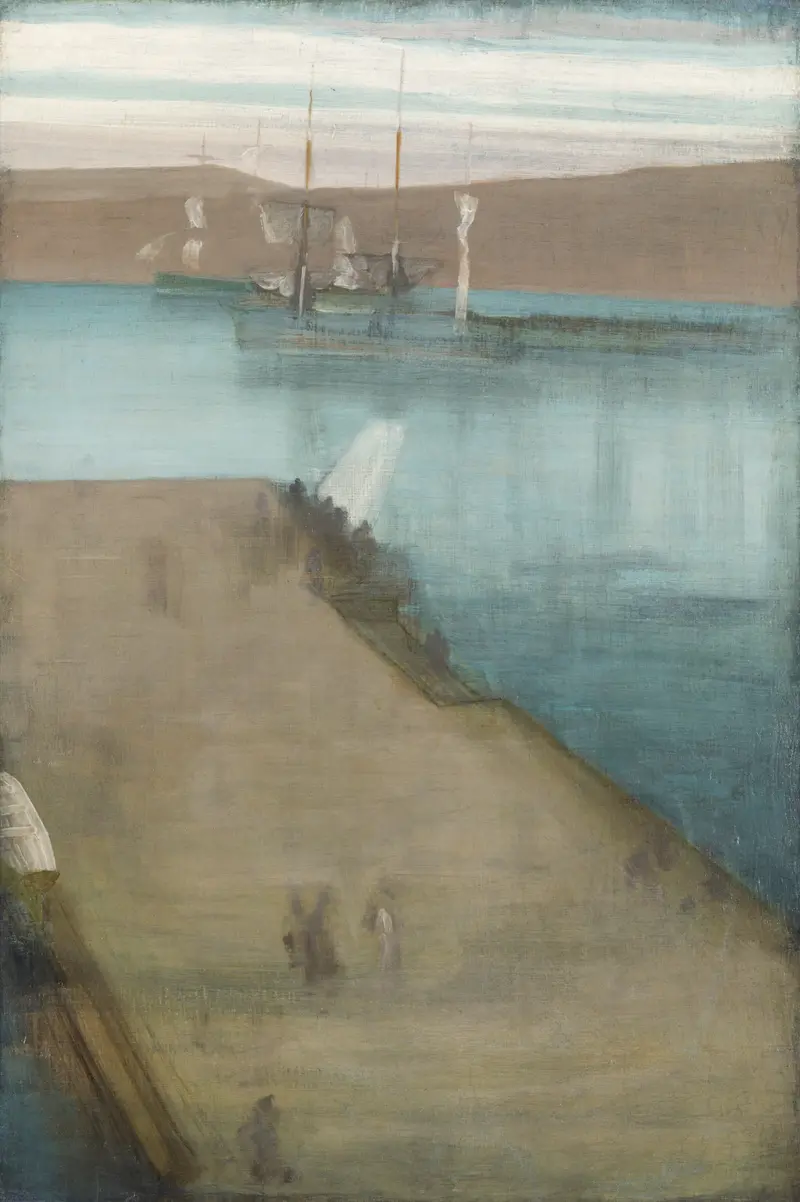
Valparaiso Harbor
James McNeill Whistler
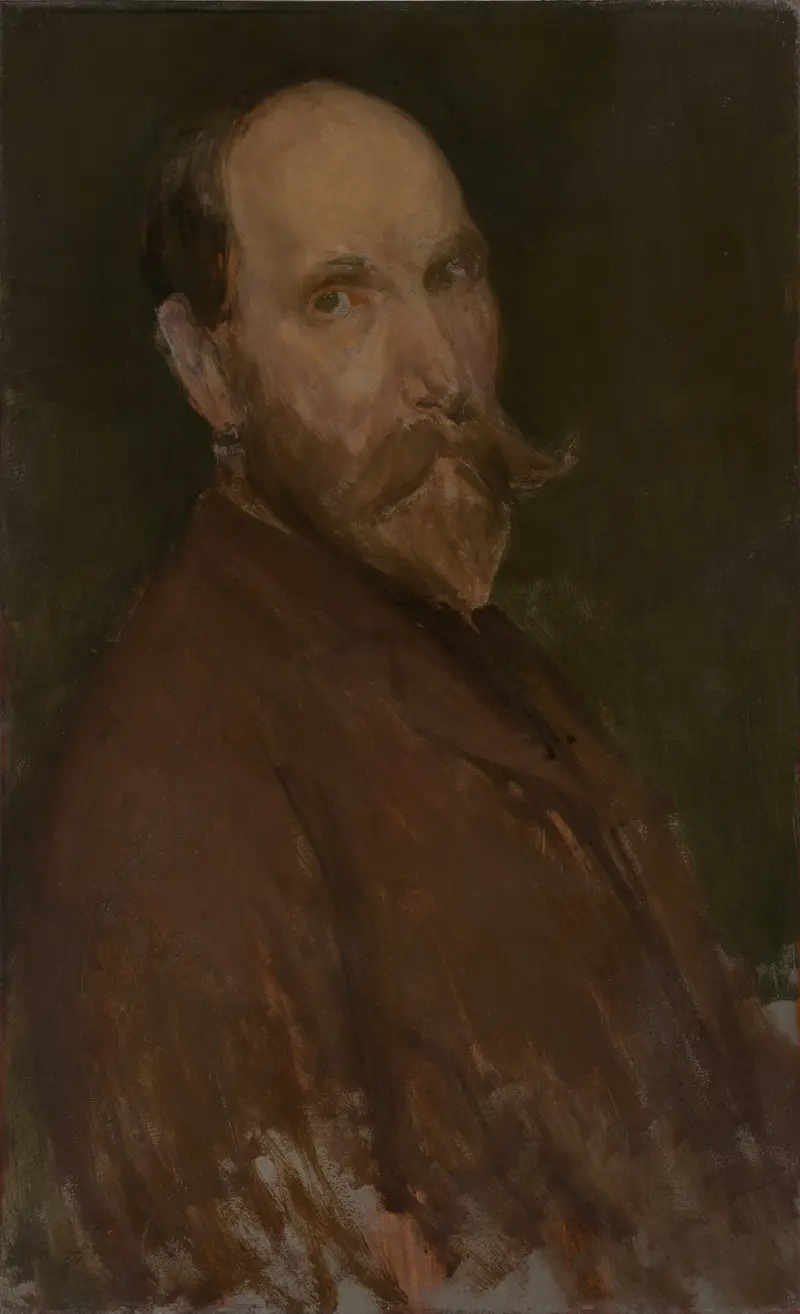
Charles Lang Freer
James McNeill Whistler