
The Blue Sea — History & Facts
What draws the eye first in The Blue Sea is its quiet invitation to linger, to let the gaze drift from the muted sand to the deep, almost musical band of blue that anchors the horizon. Two small figures, mere suggestions in the middle distance, serve as a gentle reminder of scale and solitude, their presence dwarfed by the vastness of sea and sky. The brushwork is loose, nearly abstract, with the sea rendered in broad, horizontal sweeps of indigo and slate, while the sky above is a soft wash of clouded light.
Every detail, from the faint foam at the water’s edge to the scattered marks of foliage in the foreground, seems chosen for its mood rather than its precision—this is a painting that asks you to feel its atmosphere rather than catalogue its parts. Painted between 1893 and 1900, The Blue Sea belongs to a world in which artists like James McNeill Whistler were redefining what a landscape could be. No longer just a record of place, the seascape became a stage for mood, memory, and the play of color—an “arrangement,” as Whistler called it, more akin to music than to narrative. Such works were rarely grand commissions; instead, they were often made for private contemplation or the discerning collector, reflecting the era’s fascination with subtlety and suggestion.
Now housed in the Pushkin Museum, this painting stands as a quiet testament to that shifting vision—one that rewards every slow, attentive return to its shifting bands of blue and brown.
More Artworks by James McNeill Whistler
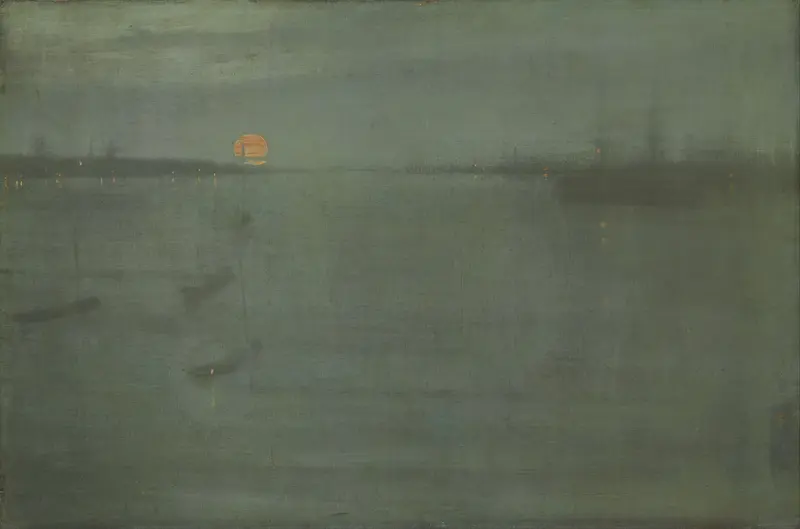
Nocturne: Blue and Gold—Southampton Water
James McNeill Whistler
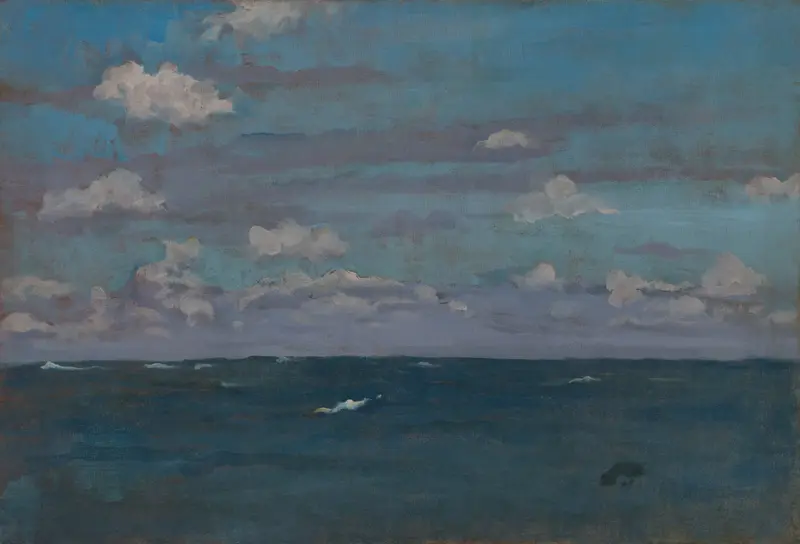
Violet and Silver—The Deep Sea
James McNeill Whistler
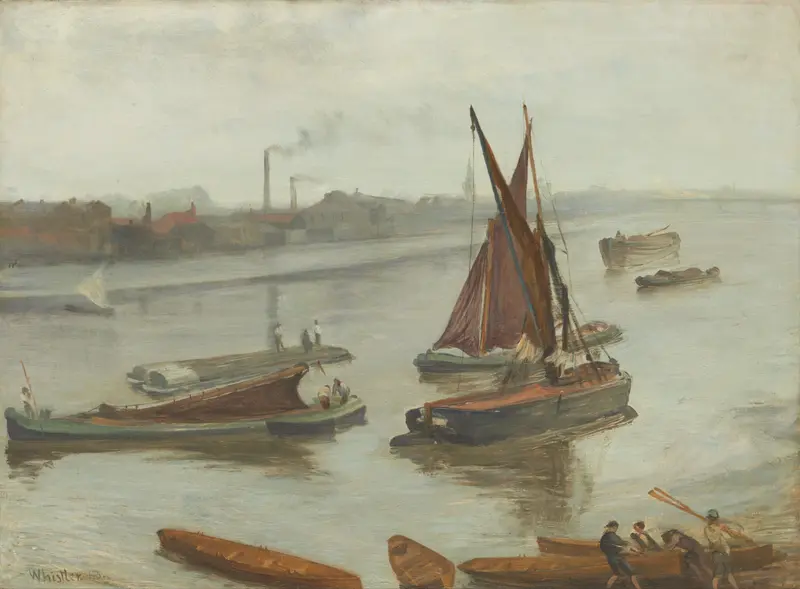
Grey and Silver: Old Battersea Reach
James McNeill Whistler
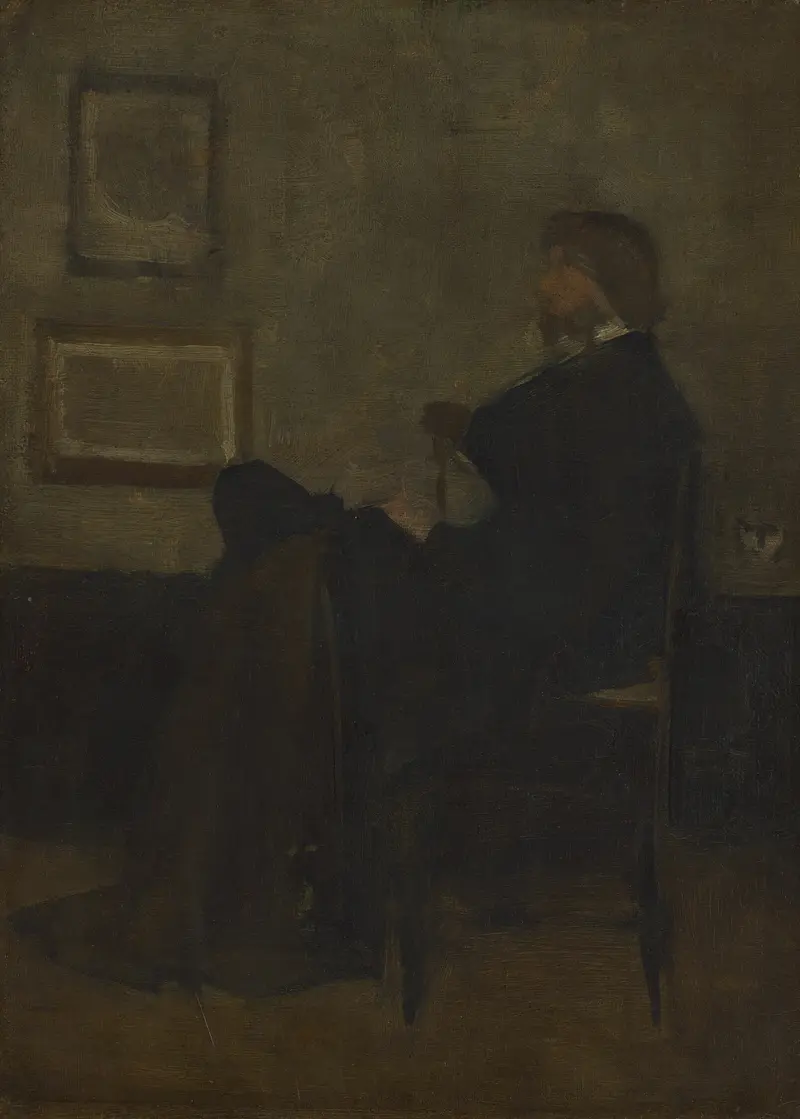
Study for "Arrangement in Grey and Black, No. 2: Portrait of Thomas Carlyle"
James McNeill Whistler
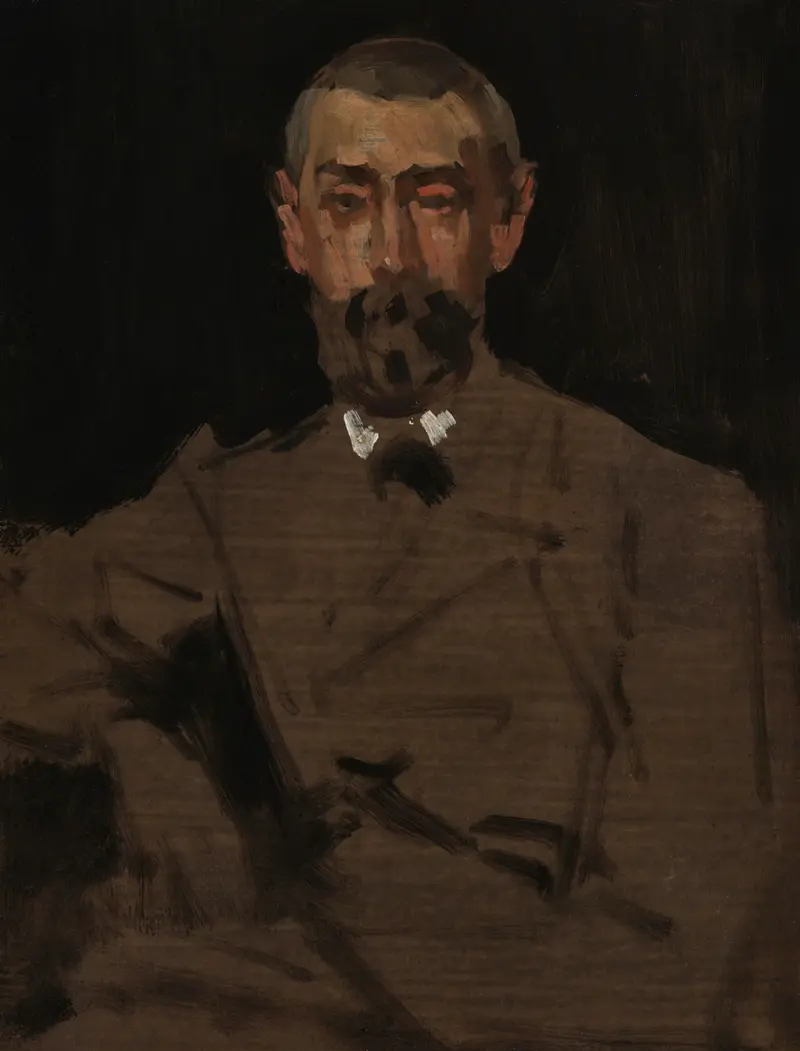
Portrait of M. R. Elden
James McNeill Whistler
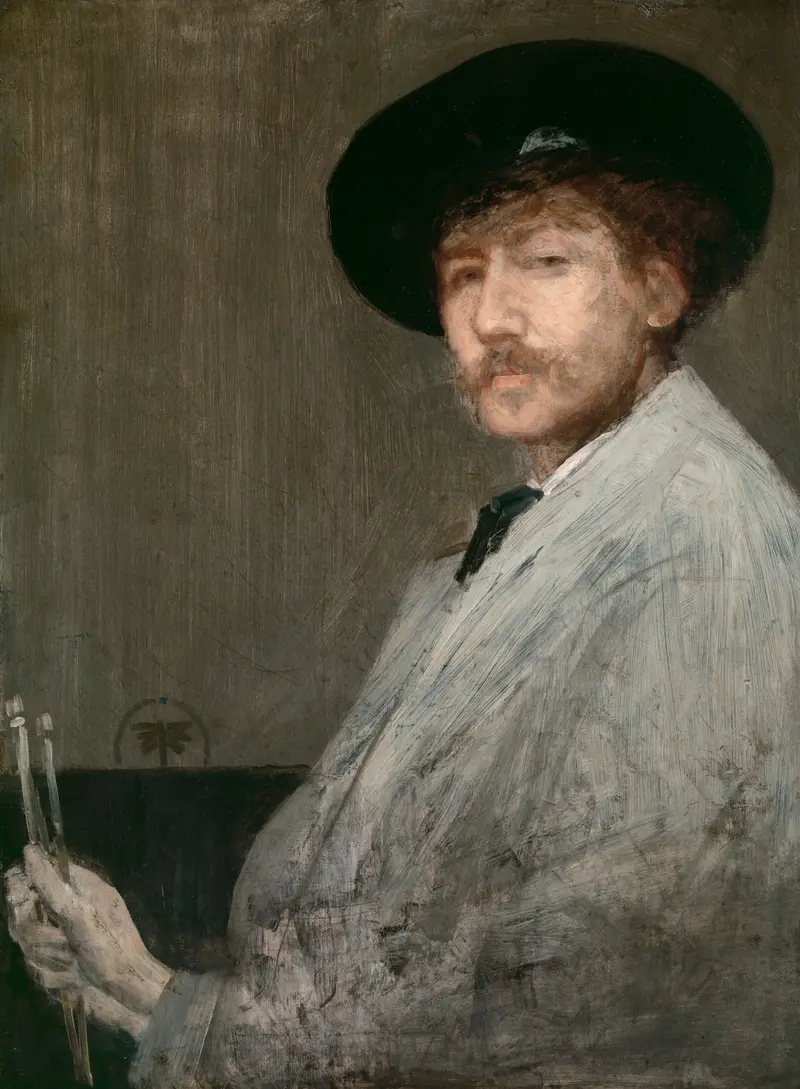
Arrangement in Gray: Portrait of the Painter
James McNeill Whistler
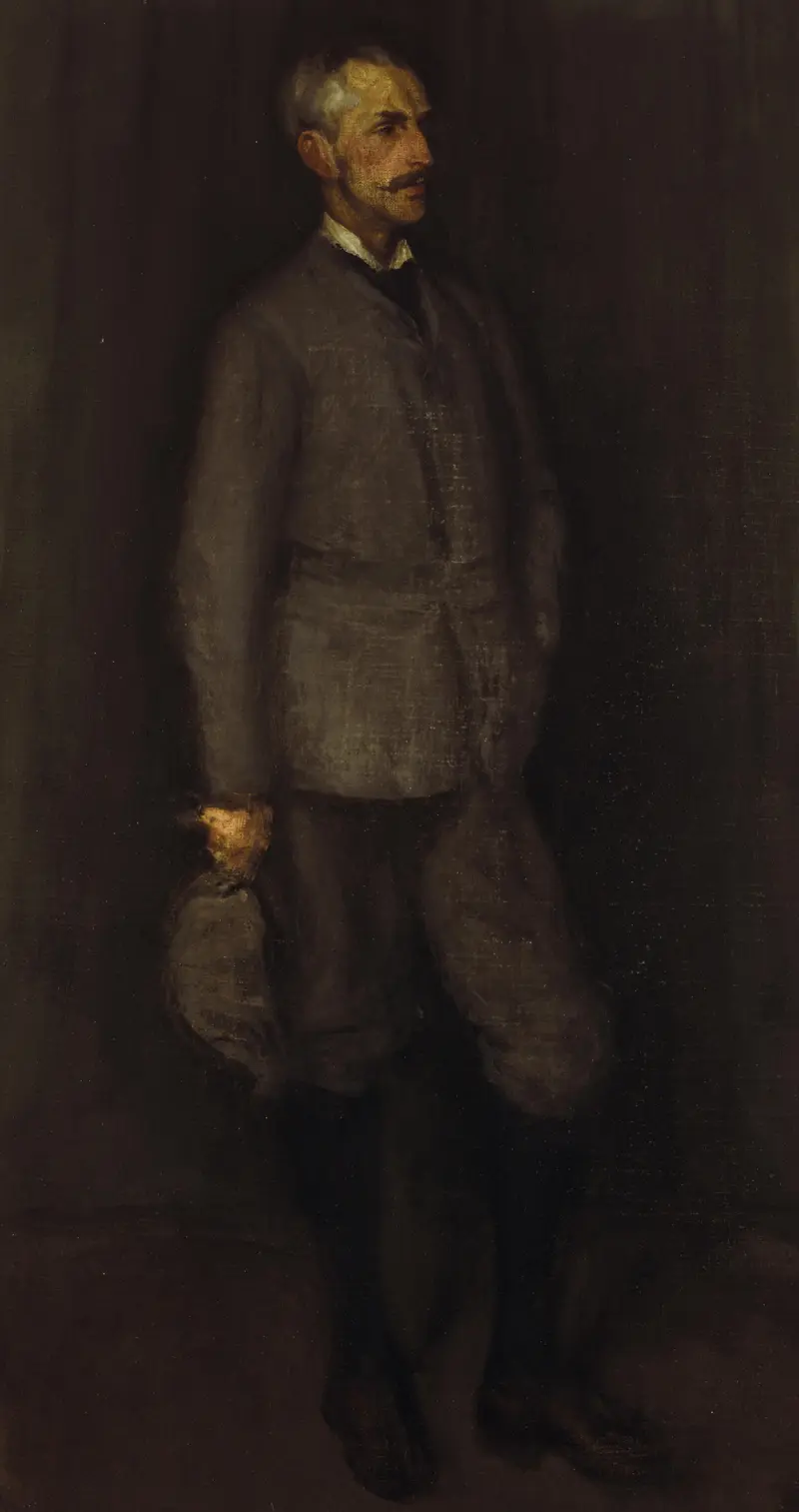
Arrangement in Grey and Green. Portrait of John James Cowan
James McNeill Whistler
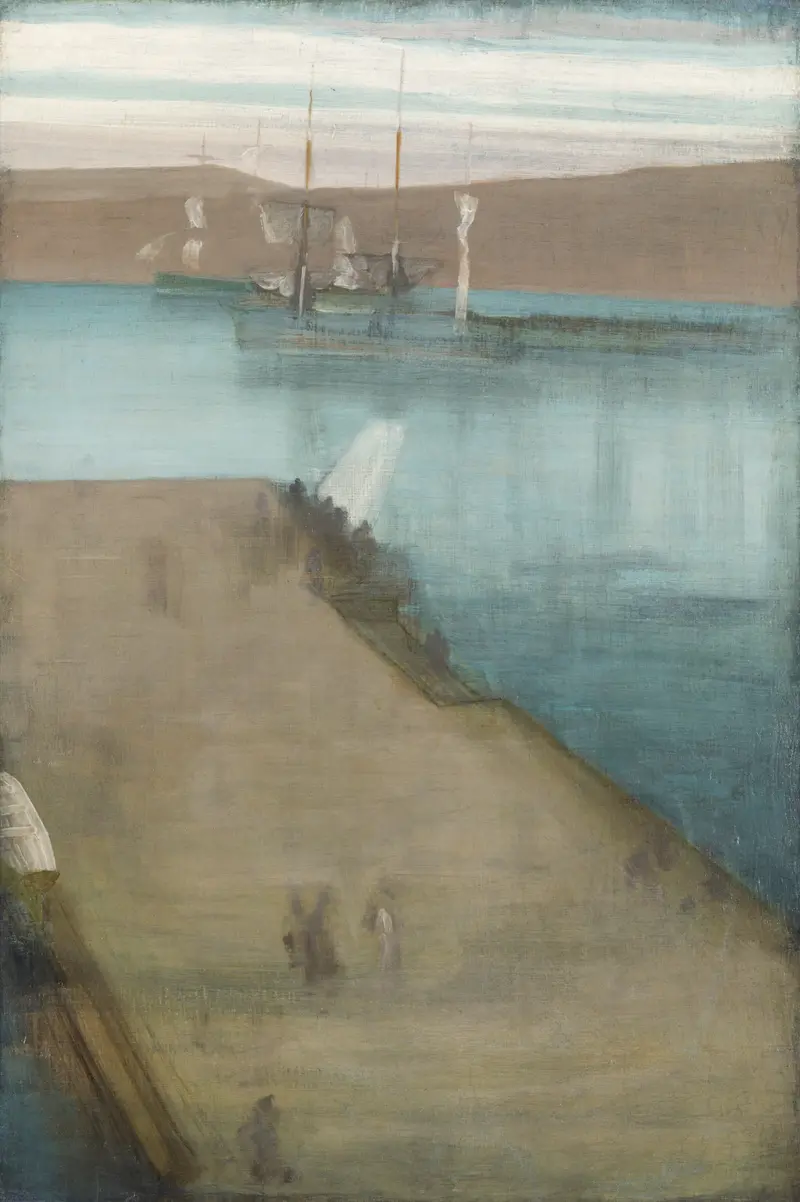
Valparaiso Harbor
James McNeill Whistler
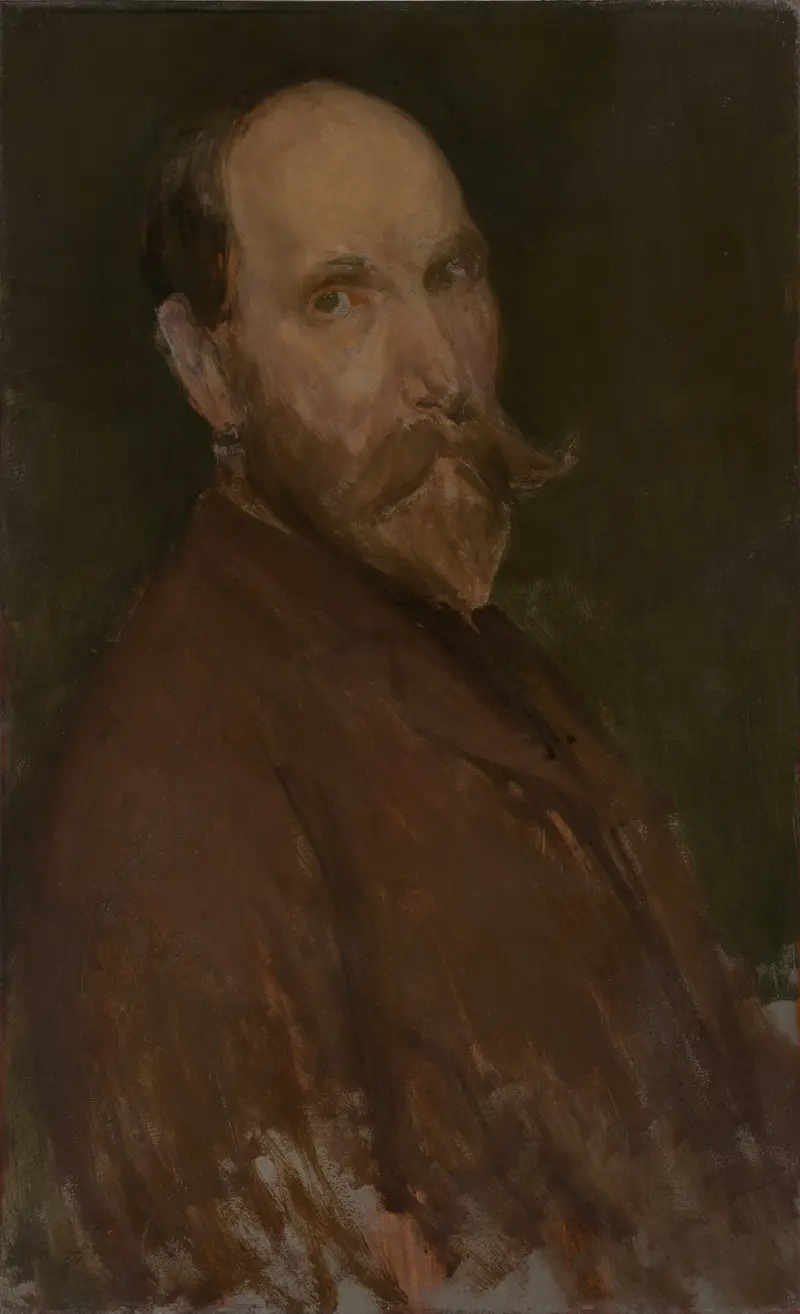
Charles Lang Freer
James McNeill Whistler
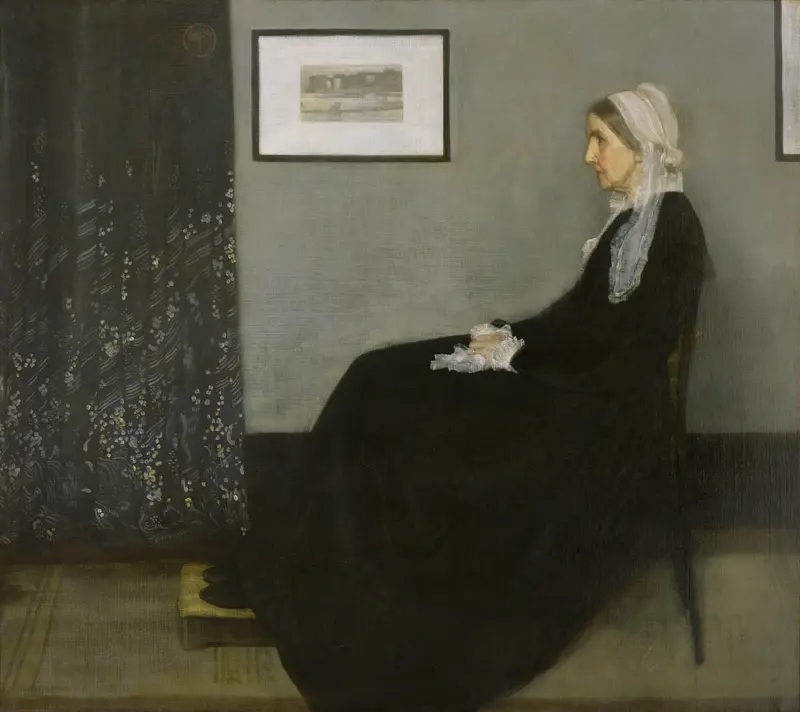
Whistler's Mother
James McNeill Whistler





