
Portrait of M. R. Elden — History & Facts
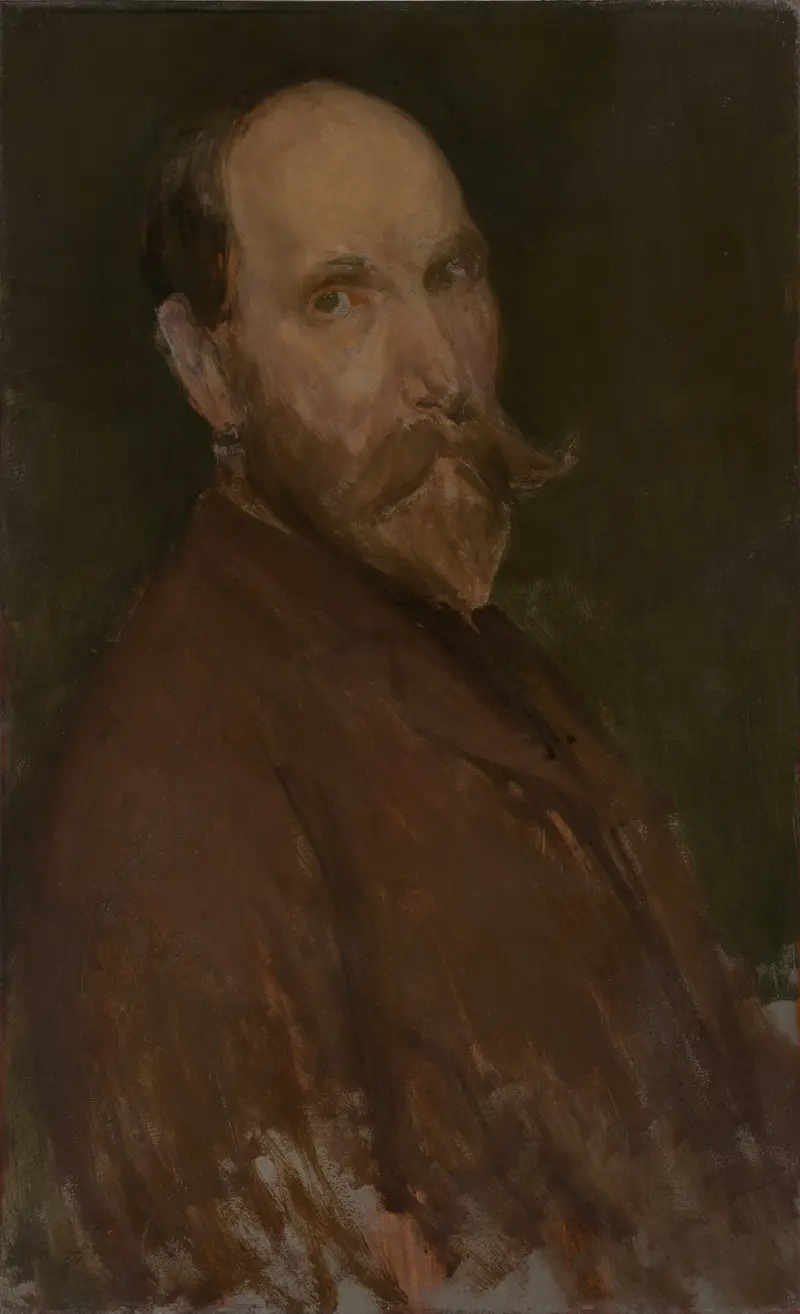
A face emerges from the darkness, half-formed and arresting, as if James McNeill Whistler caught his sitter mid-thought and decided that was enough. The brushwork is swift, almost impatient, leaving the lower half of the figure a map of gestures and hesitations. The eyes, heavy-lidded and shadowed, draw you in first; they are painted with just enough detail to suggest a world behind them, while the rest dissolves into suggestion.
Whistler’s hand lingers on the mustache and collar, two white accents that anchor the portrait’s loose structure. The unfinished quality is not a flaw but a deliberate invitation—what is left unsaid is as important as what is revealed. This is the world of late nineteenth-century portraiture, when artists like Whistler broke with academic finish to chase the fleeting impression of a personality. Between 1882 and 1884, when this work was made, sitters were often patrons or friends, and portraits could be as much about the artist’s vision as the subject’s likeness.
Whistler’s contemporaries in Europe were experimenting with similar freedoms, but few risked leaving so much bare canvas, so much mystery. Now, as this painting appears in Sotheby’s New York in 2024, its anonymity and incompleteness feel modern, a reminder that history sometimes preserves only a fragment—and asks us to look harder at what remains.
Sources: Wikidata Q138461420 · Image source (Wikimedia Commons)
More Artworks by James McNeill Whistler
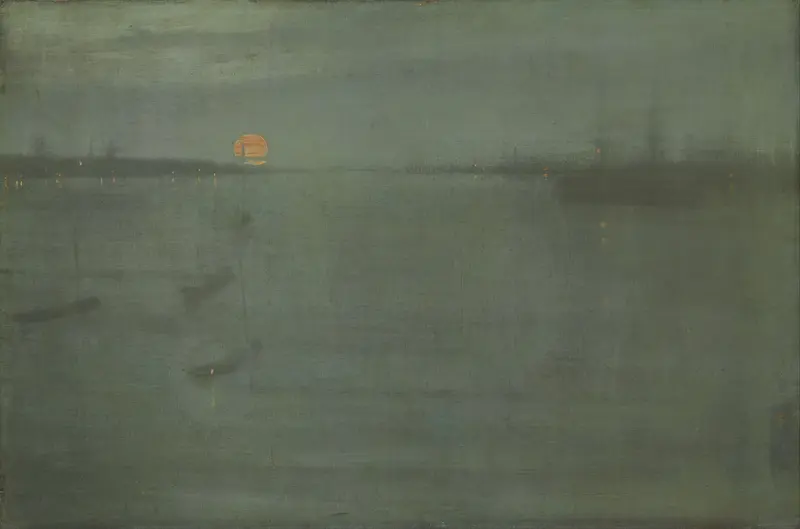
Nocturne: Blue and Gold—Southampton Water
James McNeill Whistler
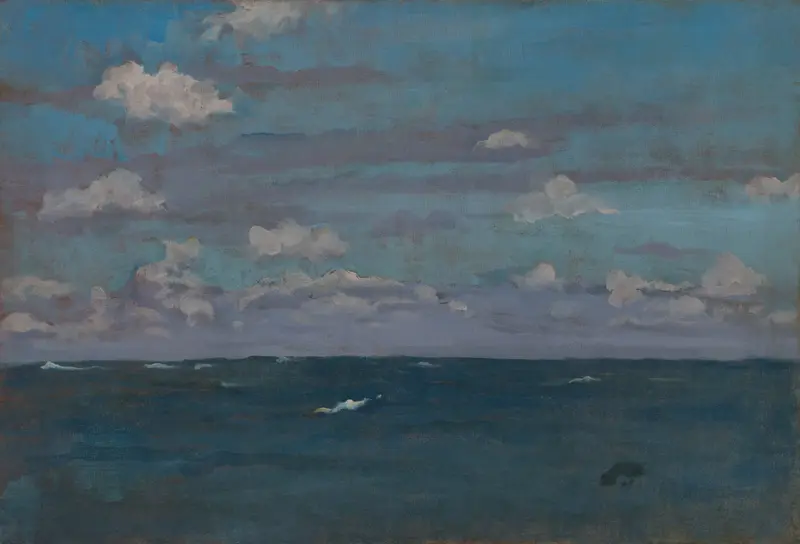
Violet and Silver—The Deep Sea
James McNeill Whistler
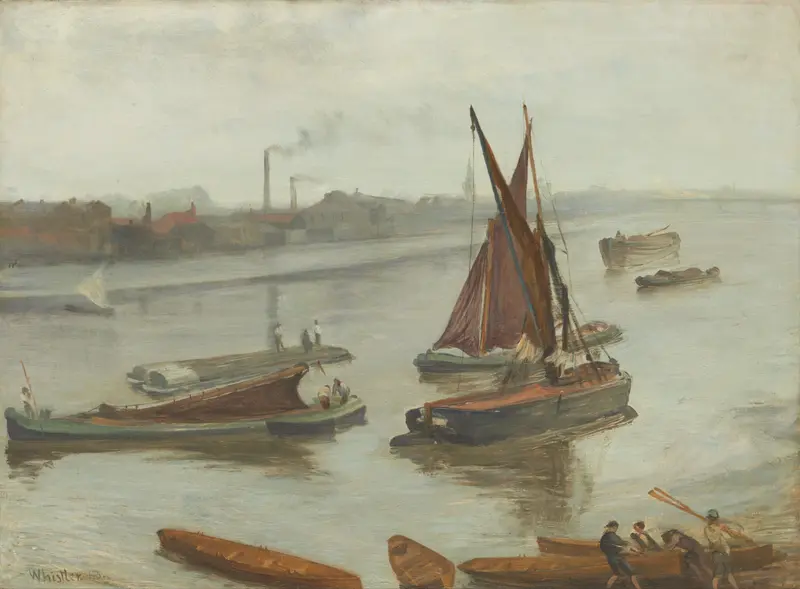
Grey and Silver: Old Battersea Reach
James McNeill Whistler
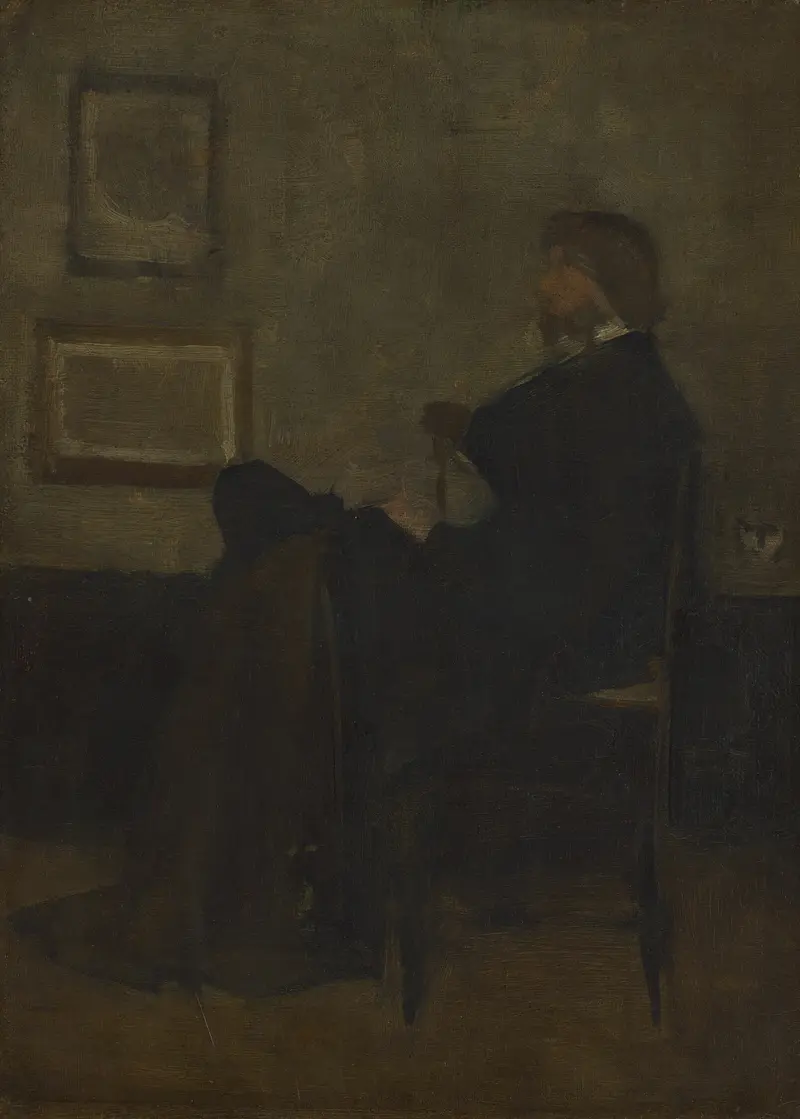
Study for "Arrangement in Grey and Black, No. 2: Portrait of Thomas Carlyle"
James McNeill Whistler
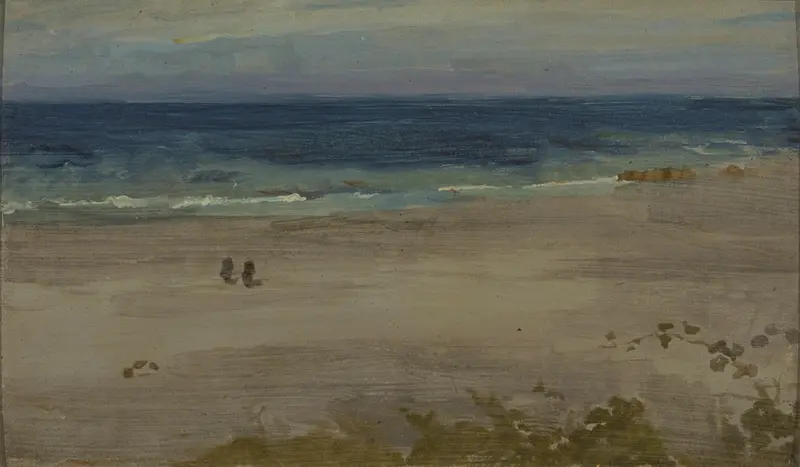
The Blue Sea
James McNeill Whistler
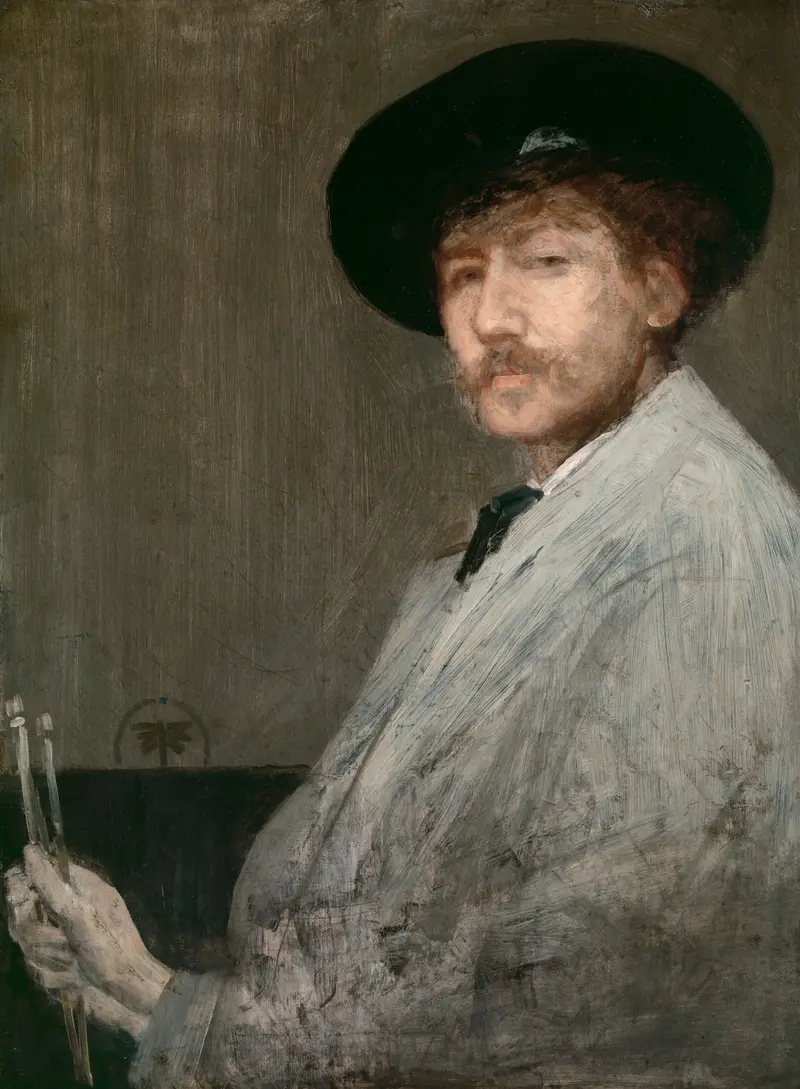
Arrangement in Gray: Portrait of the Painter
James McNeill Whistler
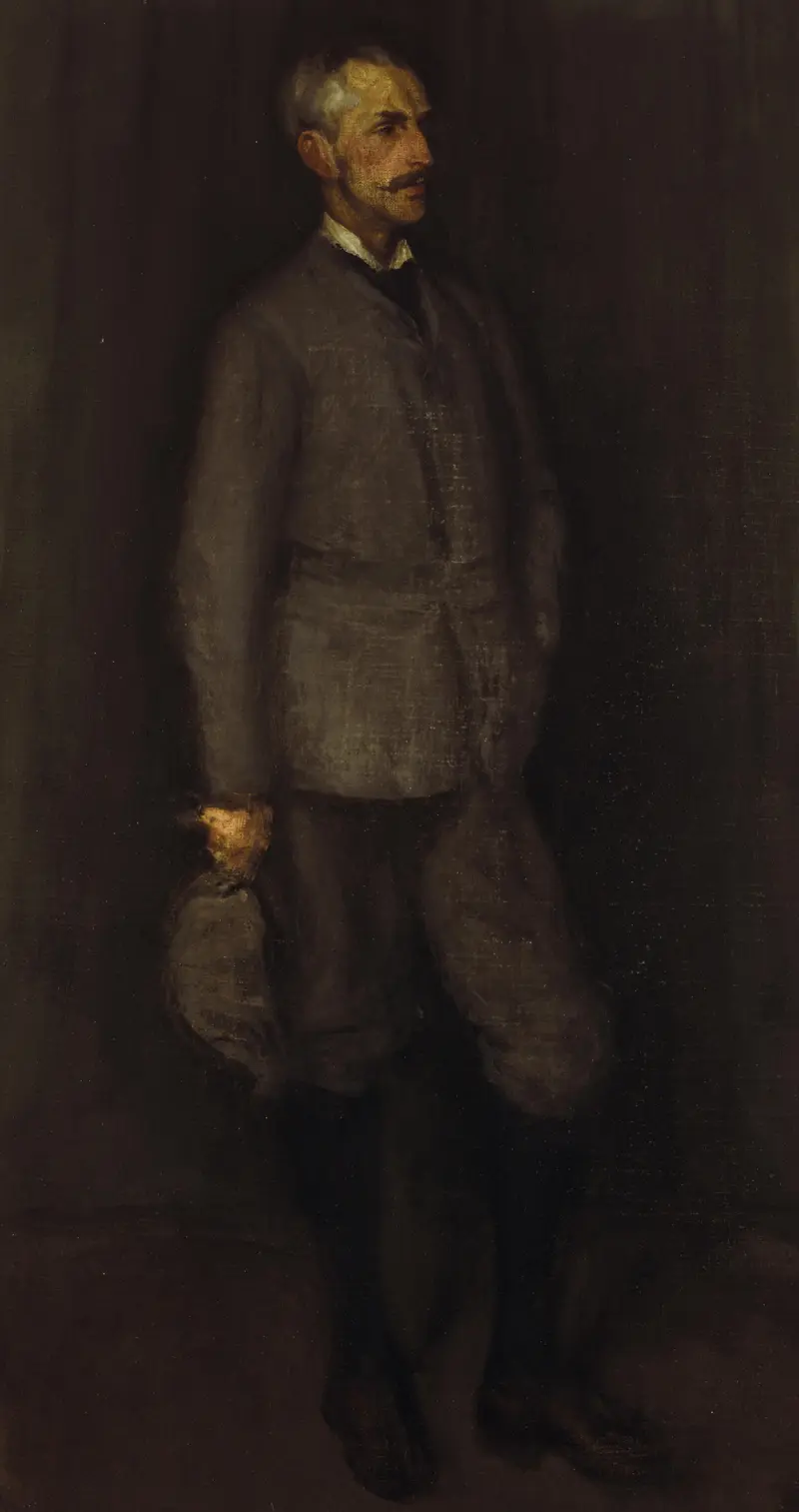
Arrangement in Grey and Green. Portrait of John James Cowan
James McNeill Whistler
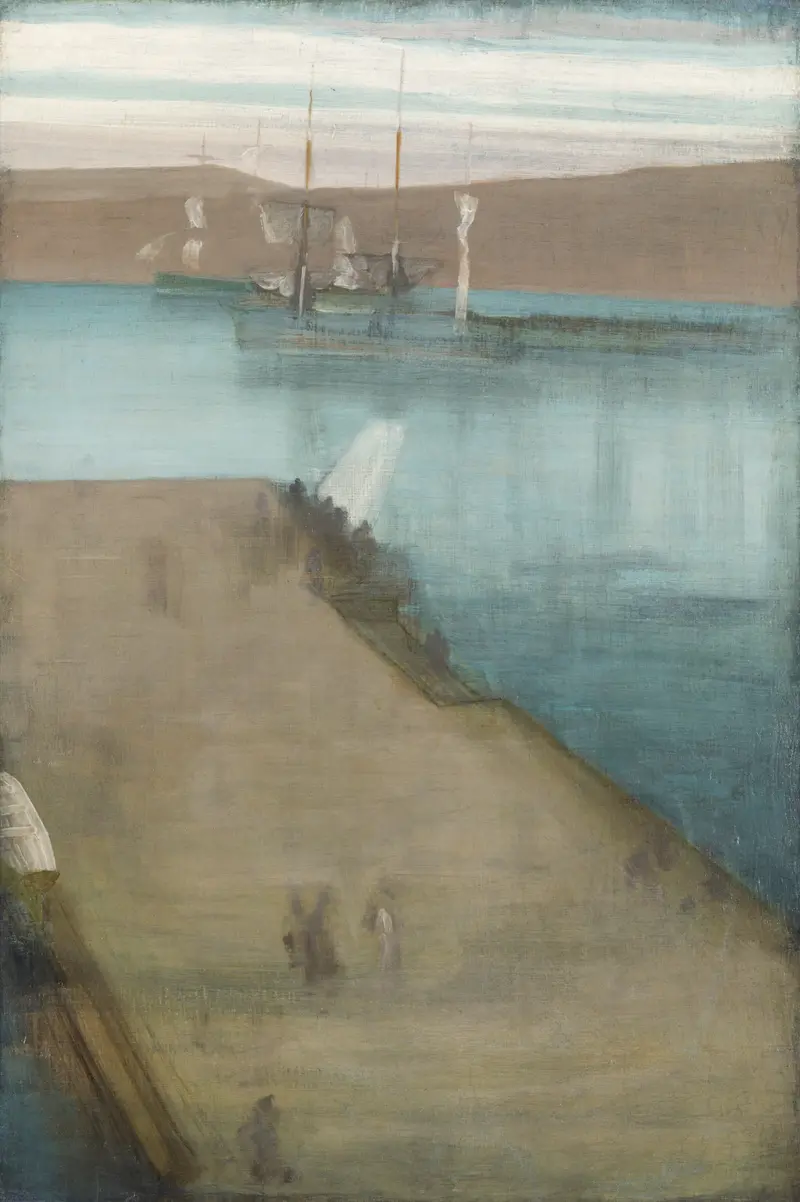
Valparaiso Harbor
James McNeill Whistler
Charles Lang Freer
James McNeill Whistler
Whistler's Mother
James McNeill Whistler





