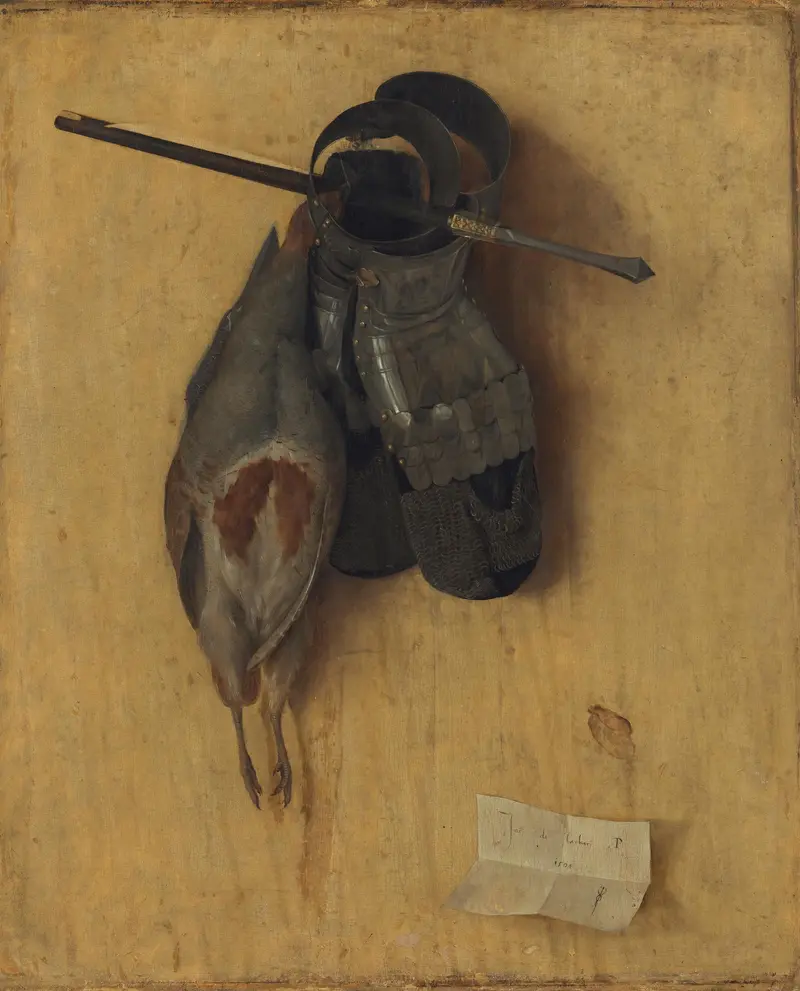
The Blue Girl (fragment): Yellow and Blue — History & Facts
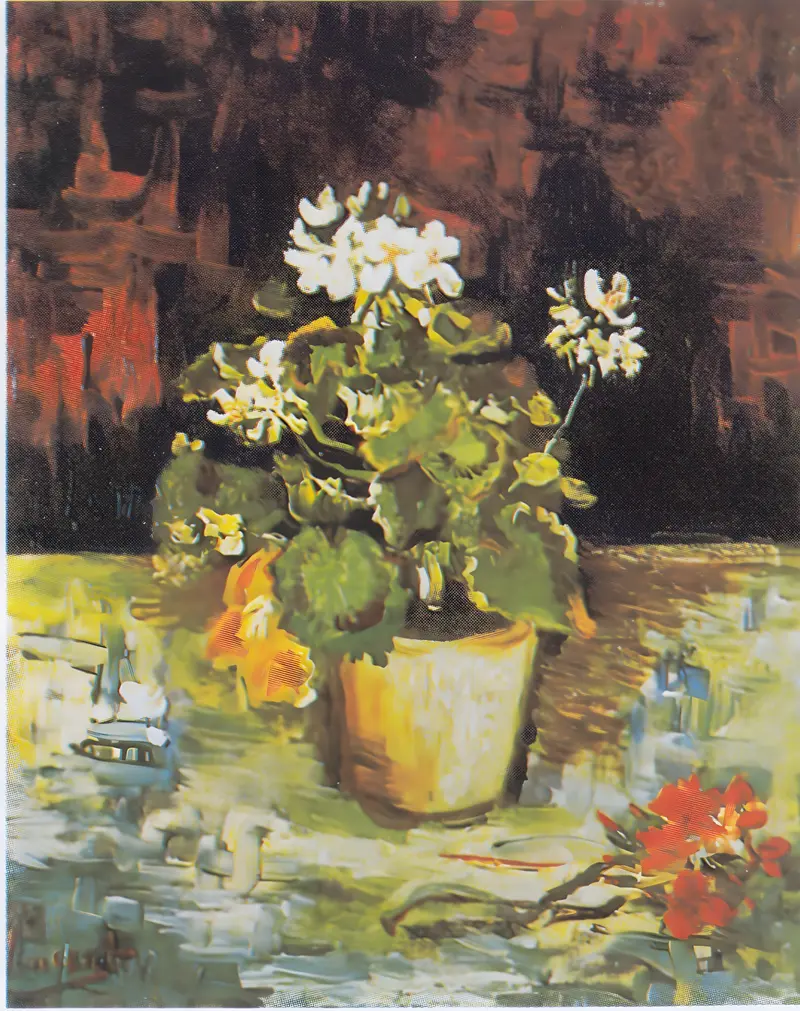
A hush falls over this fragment, where a single vase floats in a sea of blue-green shadow, its flowers barely more than a whisper of yellow and white. The eye is drawn first to the ghostly petals, their forms only half-emerging from the darkness, as if caught between memory and forgetting. The vessel itself is rendered with a few confident sweeps, its rounded belly echoing the loose, watery marks of the blooms above.
Whistler’s touch is almost weightless here—edges dissolve, and the background presses close, so that the still life feels more like a passing thought than a fixed object. The palette, restricted to blue, green, and ochre, sets a mood of quiet contemplation, inviting the viewer to linger in the hush between presence and absence. Painted between 1873 and 1875, The Blue Girl (fragment): Yellow and Blue belongs to a period when artists like James McNeill Whistler were challenging the boundaries between subject and atmosphere. In the late nineteenth century, still lifes such as this one were often exercises in harmony and restraint, prized by collectors for their subtlety and refinement.
Whistler, known for his musical titles and tonal experiments, was especially drawn to the poetry of limited color and the play of light across surfaces. Though little is recorded about this specific work, its presence today in a museum collection speaks to the enduring fascination with the artist’s ability to conjure mood from the simplest of means. Stand before it, and notice how the silence in the painting grows richer the longer you look.
More Artworks by James McNeill Whistler
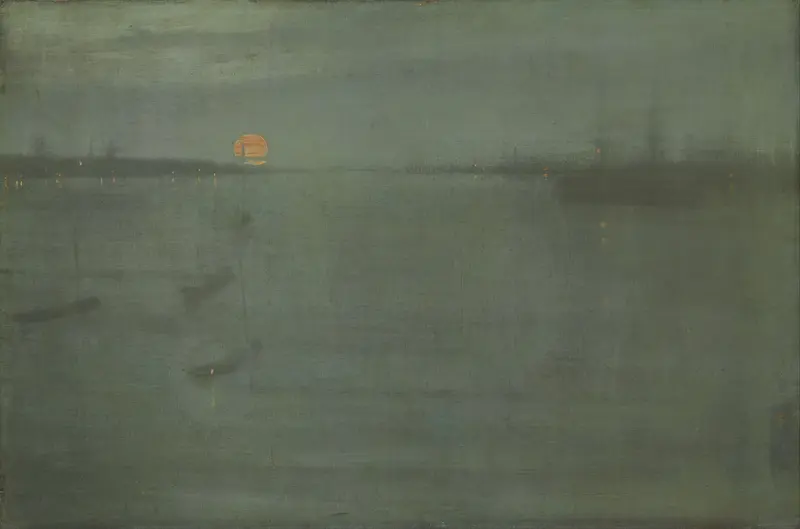
Nocturne: Blue and Gold—Southampton Water
James McNeill Whistler
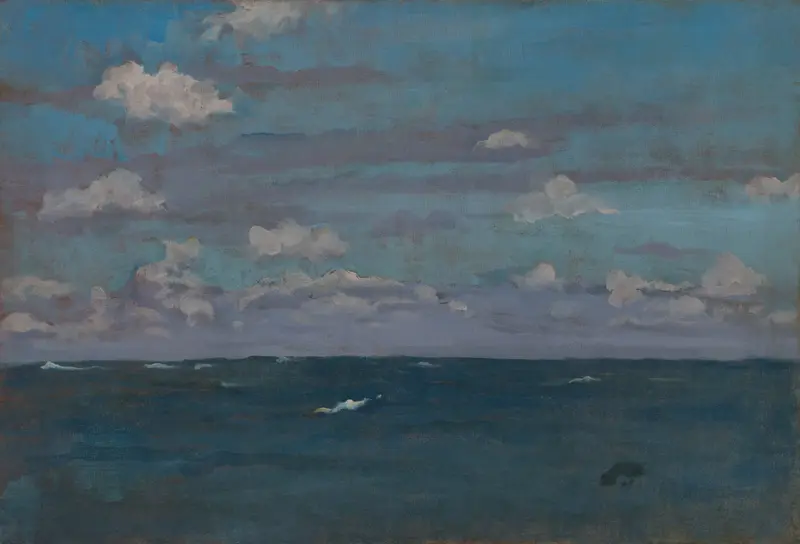
Violet and Silver—The Deep Sea
James McNeill Whistler
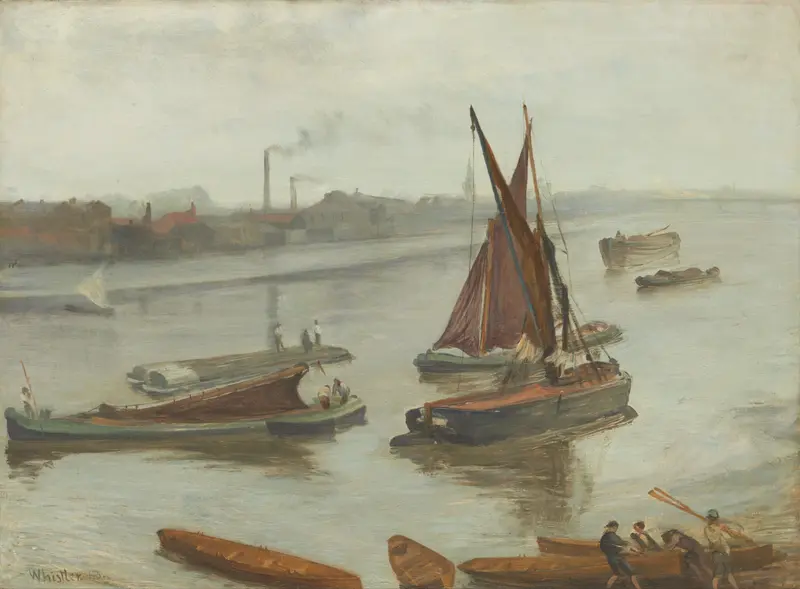
Grey and Silver: Old Battersea Reach
James McNeill Whistler
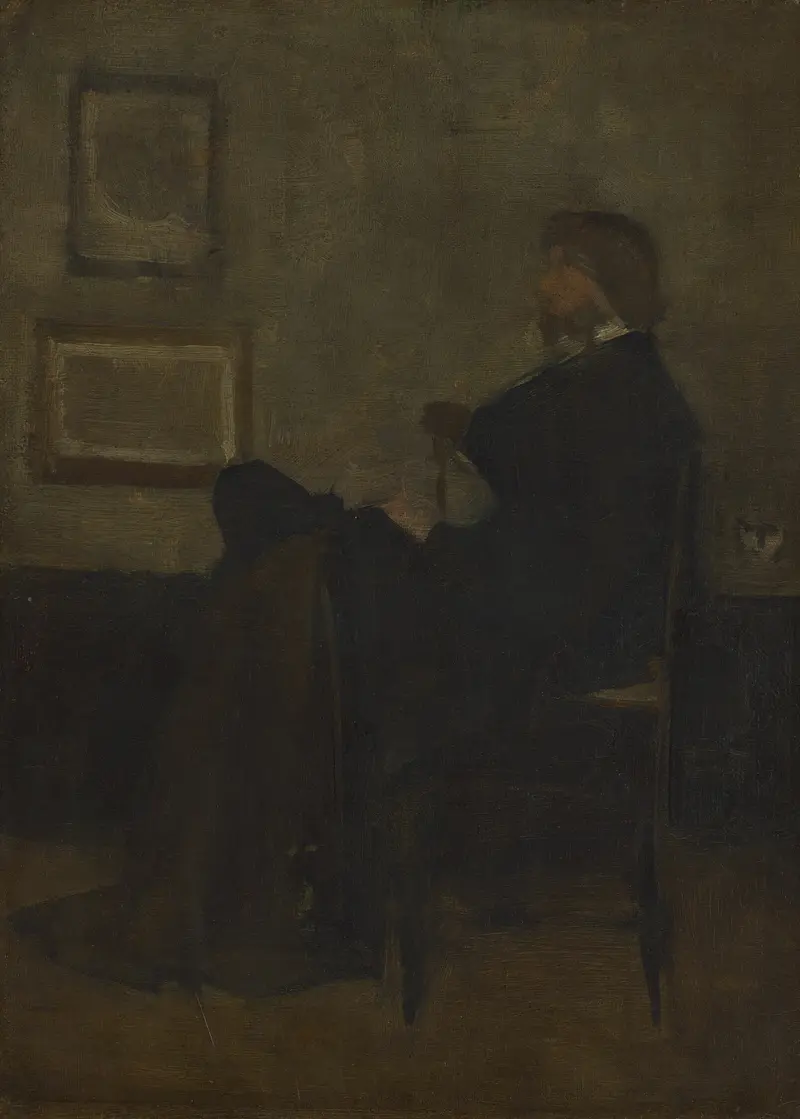
Study for "Arrangement in Grey and Black, No. 2: Portrait of Thomas Carlyle"
James McNeill Whistler
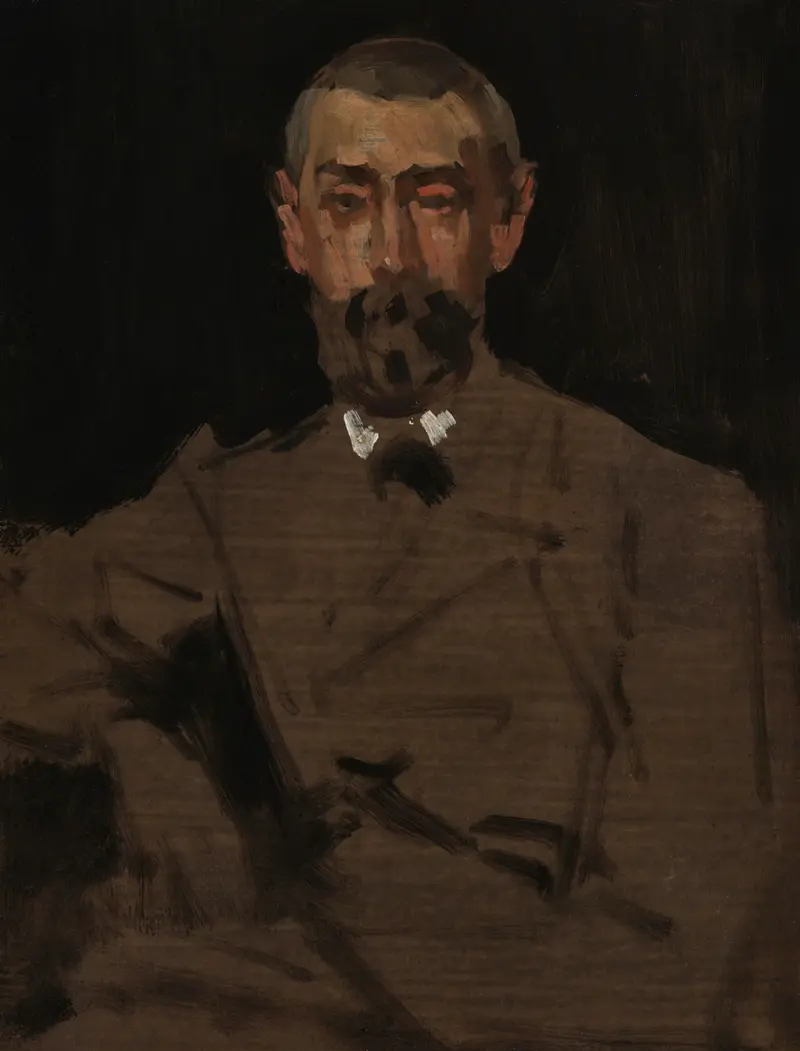
Portrait of M. R. Elden
James McNeill Whistler
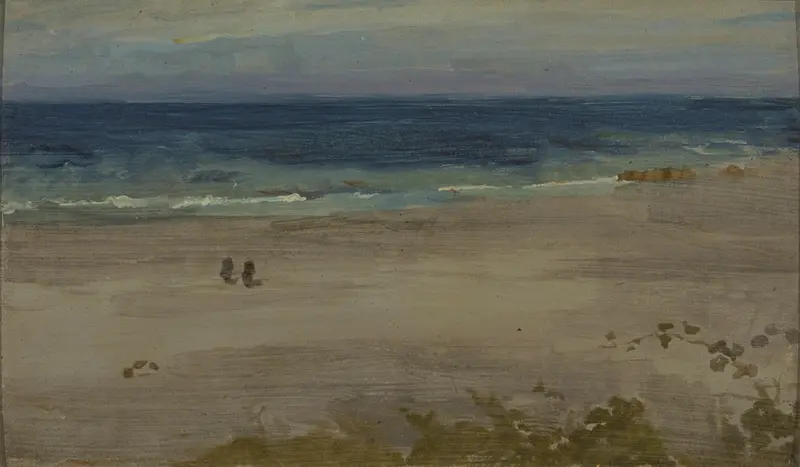
The Blue Sea
James McNeill Whistler
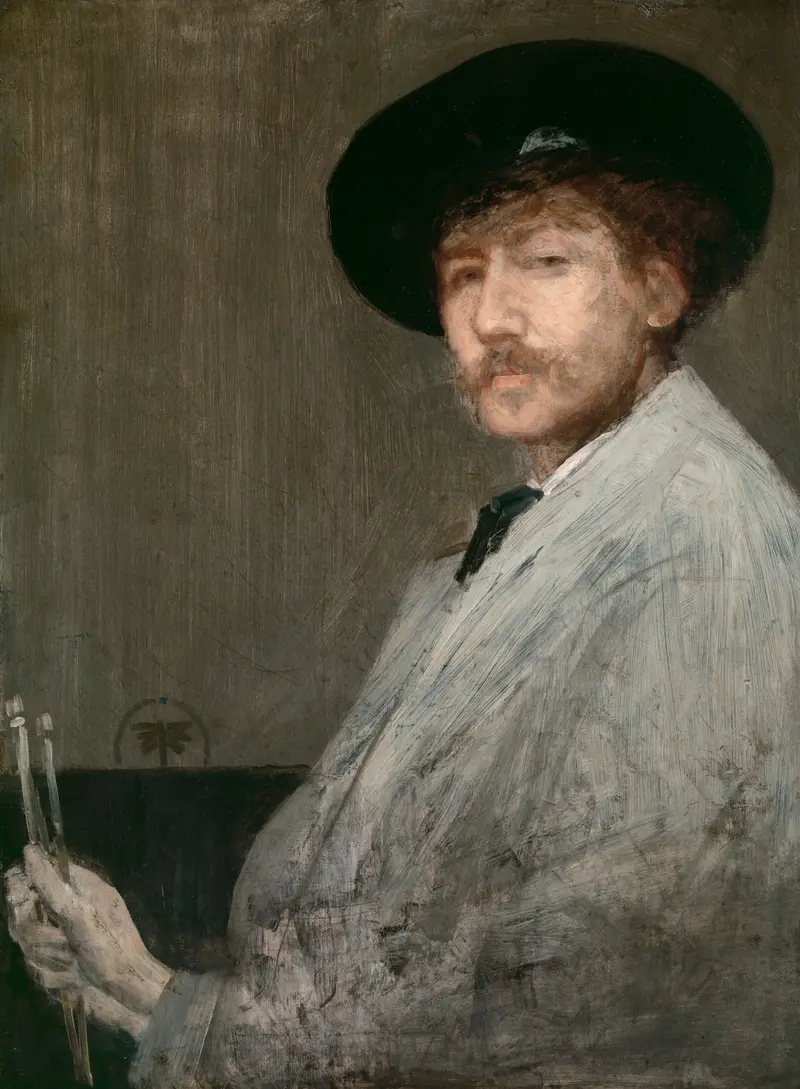
Arrangement in Gray: Portrait of the Painter
James McNeill Whistler
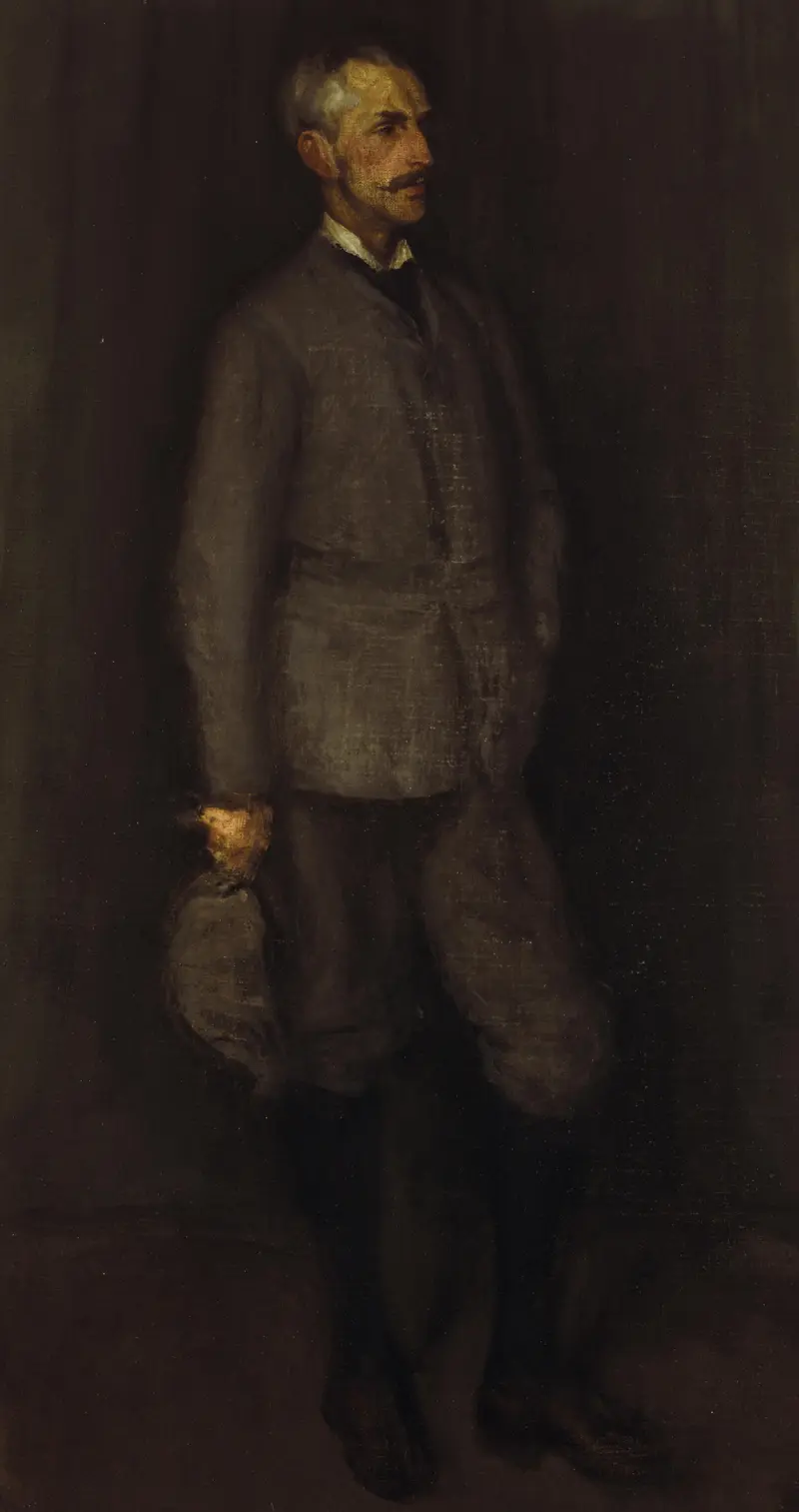
Arrangement in Grey and Green. Portrait of John James Cowan
James McNeill Whistler
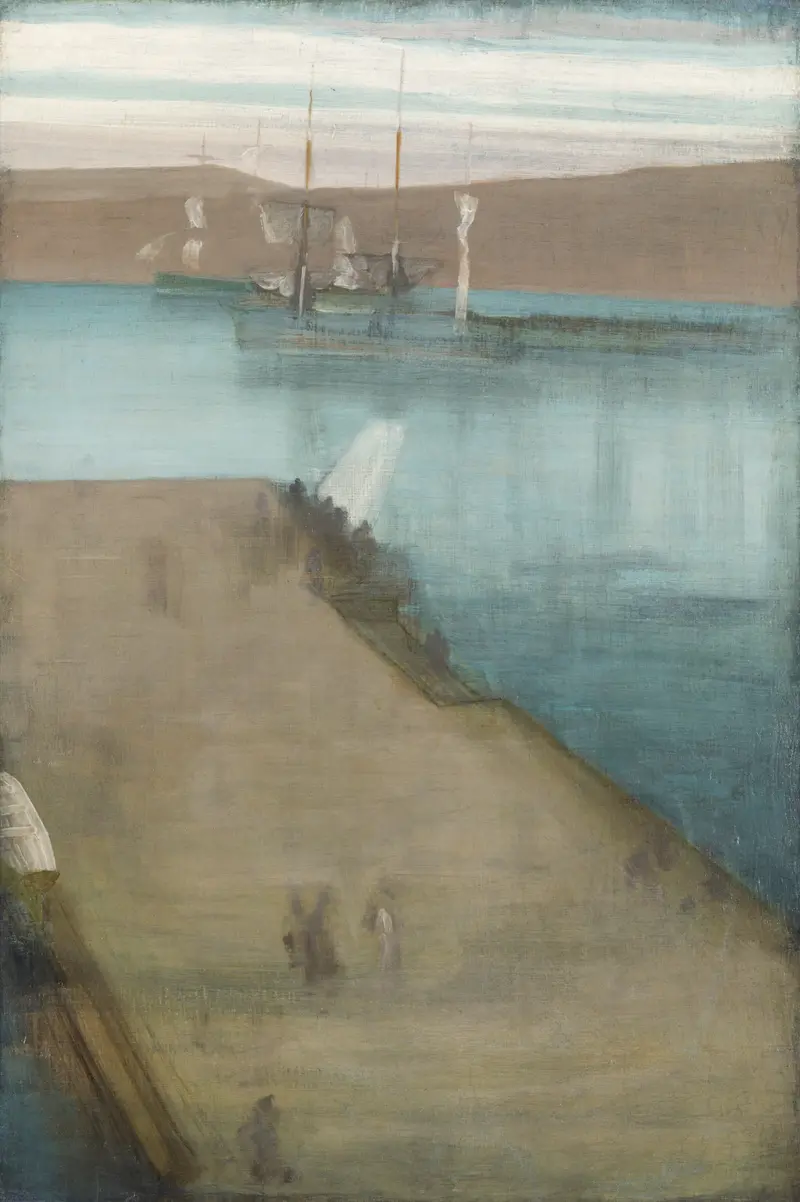
Valparaiso Harbor
James McNeill Whistler
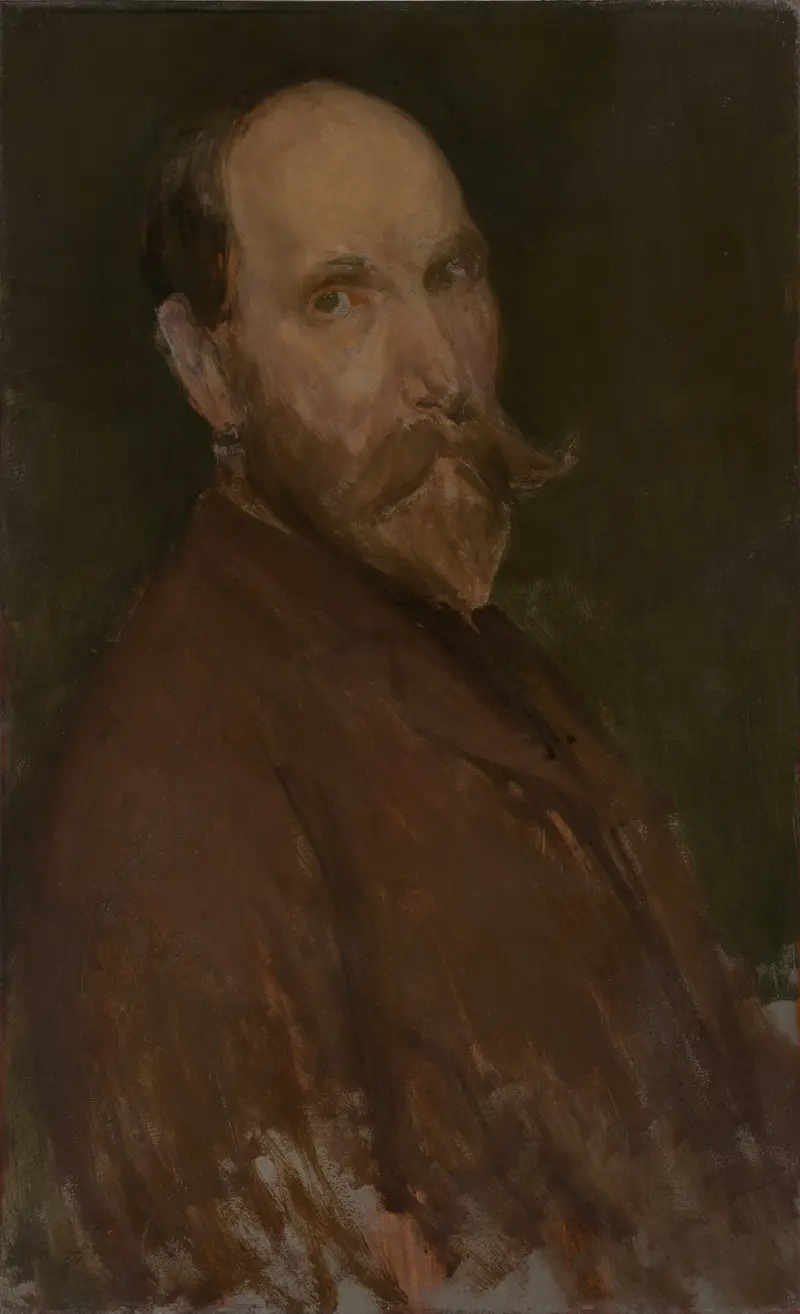
Charles Lang Freer
James McNeill Whistler