
The Bluebell (Asagao), Illustration to Chapter 20 of the Tale of Genji (Genji monogatari) — History & Facts
In the delicate world of Tosa Mitsunobu’s illustration, fragility is imbued in every stroke, hinting at unspoken emotions and transient beauty. The essence of the Tale of Genji breathes through the soft hues and intricate details, inviting us to contemplate the ephemeral nature of love and life. Look to the left, where the soft blue of the bluebell stands in quiet contrast to the whispering greens of its surroundings. Notice the meticulous attention to the petals, each one seemingly translucent, capturing the light with an almost ethereal glow.
The composition guides the eye toward the central figure, a young woman in splendid attire, her downcast gaze enveloped in a veil of longing, while her delicate fingers graze the flowers, hinting at an intimacy between human and nature. Color choices evoke a sense of tranquility, yet the tension lies in the woman's hesitance, forever caught between worlds. Delve deeper, and you’ll uncover layers of meaning within this moment. The bluebell, often associated with humility and constancy, contrasts with the fleeting nature of the woman's unfulfilled desire.
This paradox captures the duality of strength and vulnerability, suggesting that beauty is both a blessing and a burden. As we scrutinize the details, the painting reveals a narrative of unreciprocated feelings, the fragility of relationships, and the weight of silence that pervades the story. During the late Muromachi period, from 1509 to 1510, Tosa Mitsunobu found himself at the helm of a transformative time in Japanese art, as the influence of Zen and the appreciation for classical literature flourished. Amidst a society rich in cultural expression, he painted this illustration while contributing to the ongoing revival of traditional narrative art forms, bridging the realms of literature and visual culture in an era marked by quiet introspection and artistic innovation.
More Artworks by Tosa Mitsunobu
Browse all →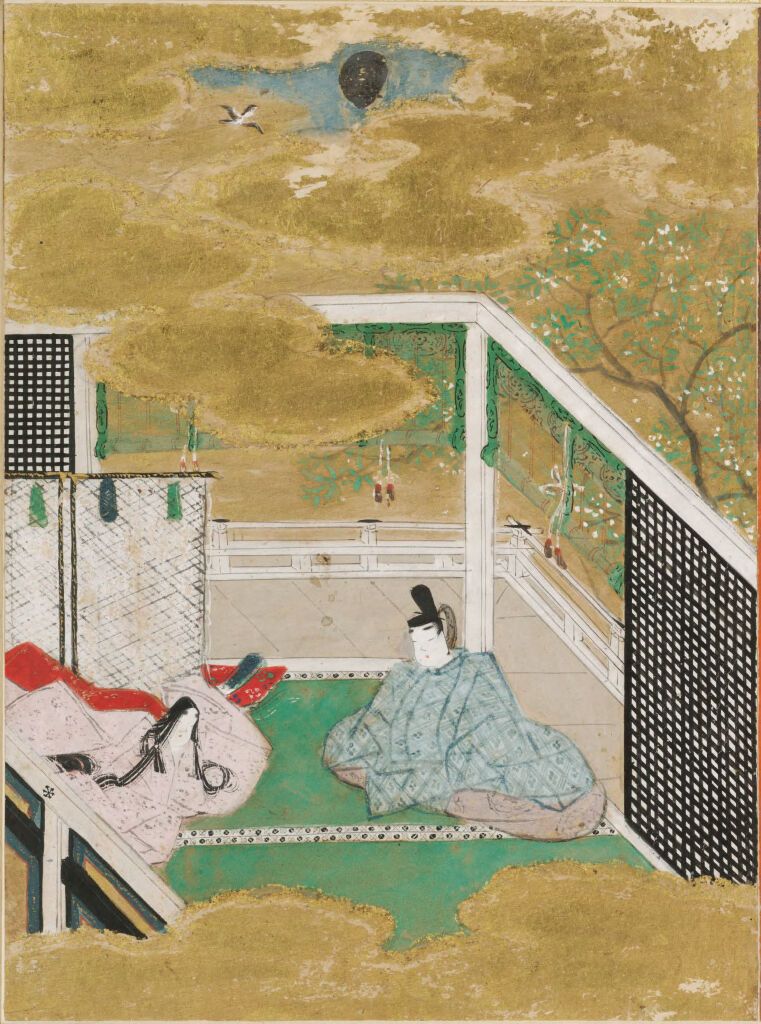
Falling Flowers (Hanachirusato), Illustration to Chapter 11 of the Tale of Genji (Genji monogatari)
Tosa Mitsunobu
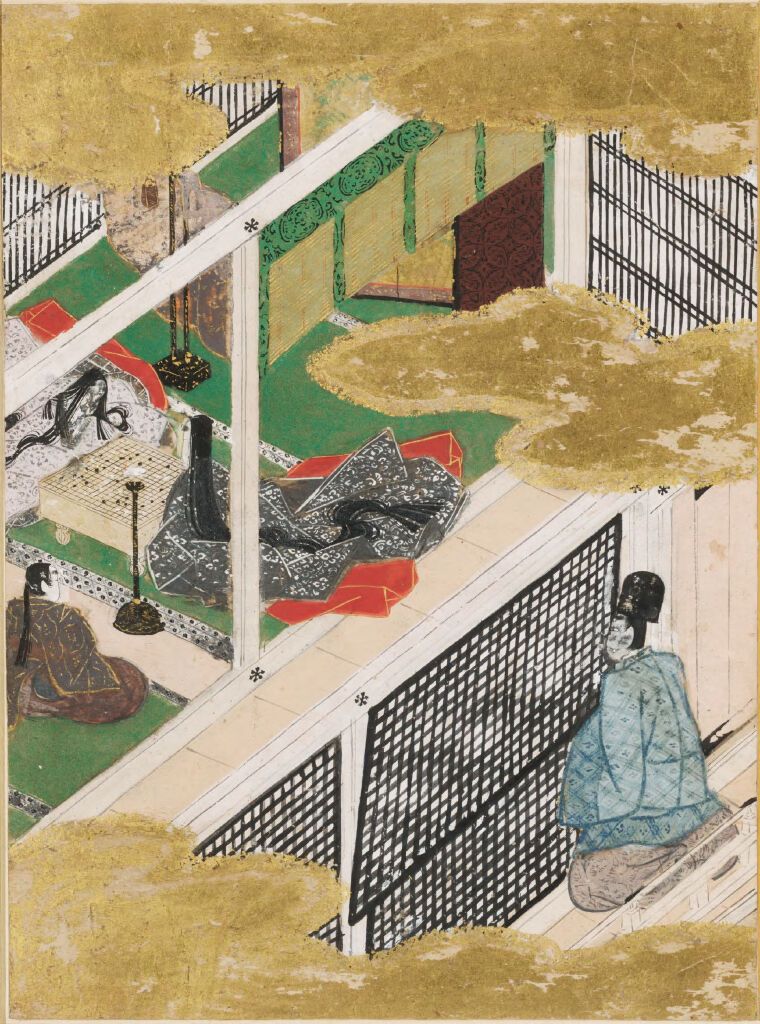
The Cicada Shell (Utsusemi), Illustration to Chapter 3 of the Tale of Genji (Genji monogatari)
Tosa Mitsunobu
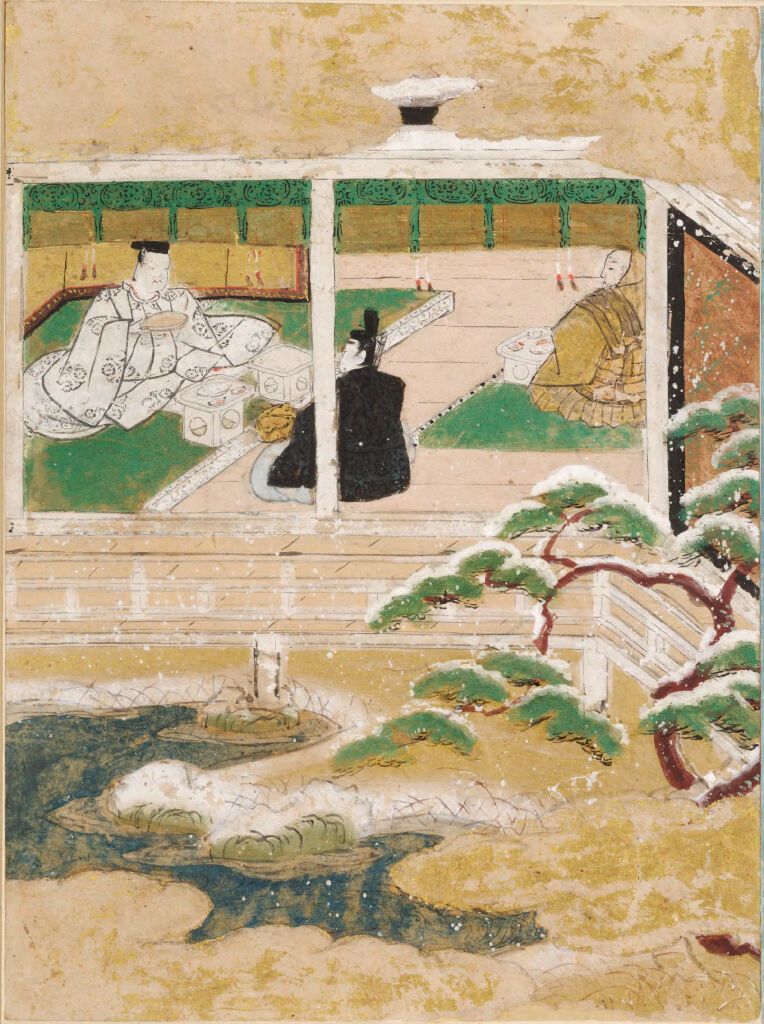
The Seer (Maboroshi), Illustration to Chapter 41 of the Tale of Genji (Genji monogatari)
Tosa Mitsunobu
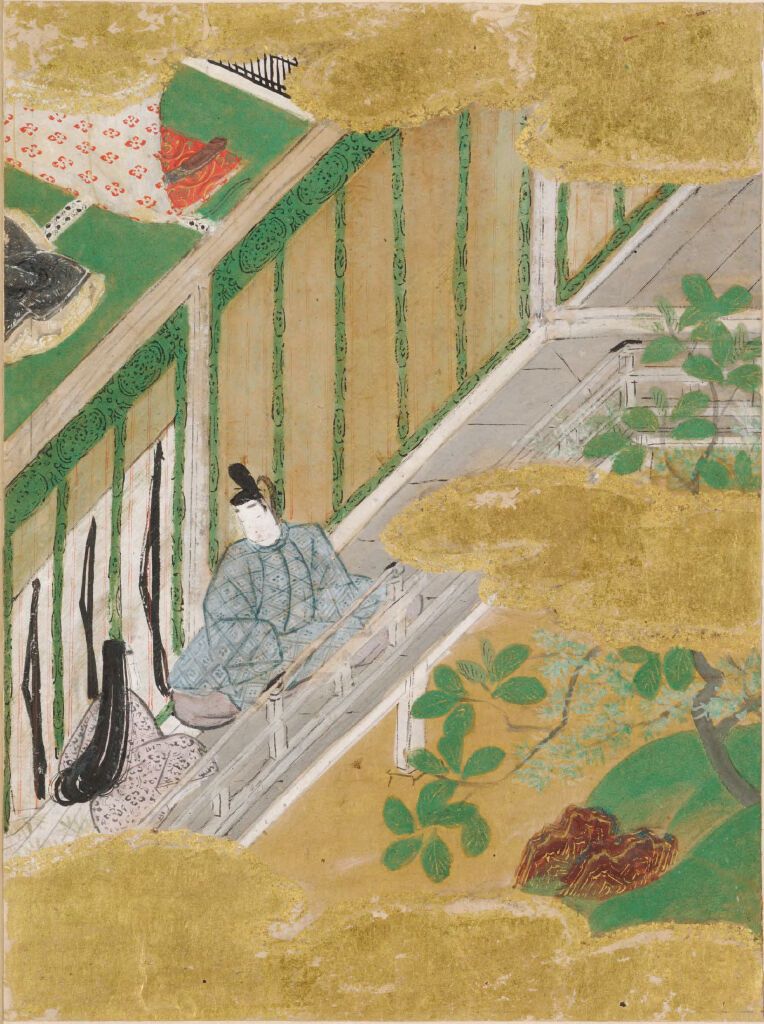
The Oak Tree (Kashiwagi), Illustration to Chapter 36 of the Tale of Genji (Genji monogatari)
Tosa Mitsunobu
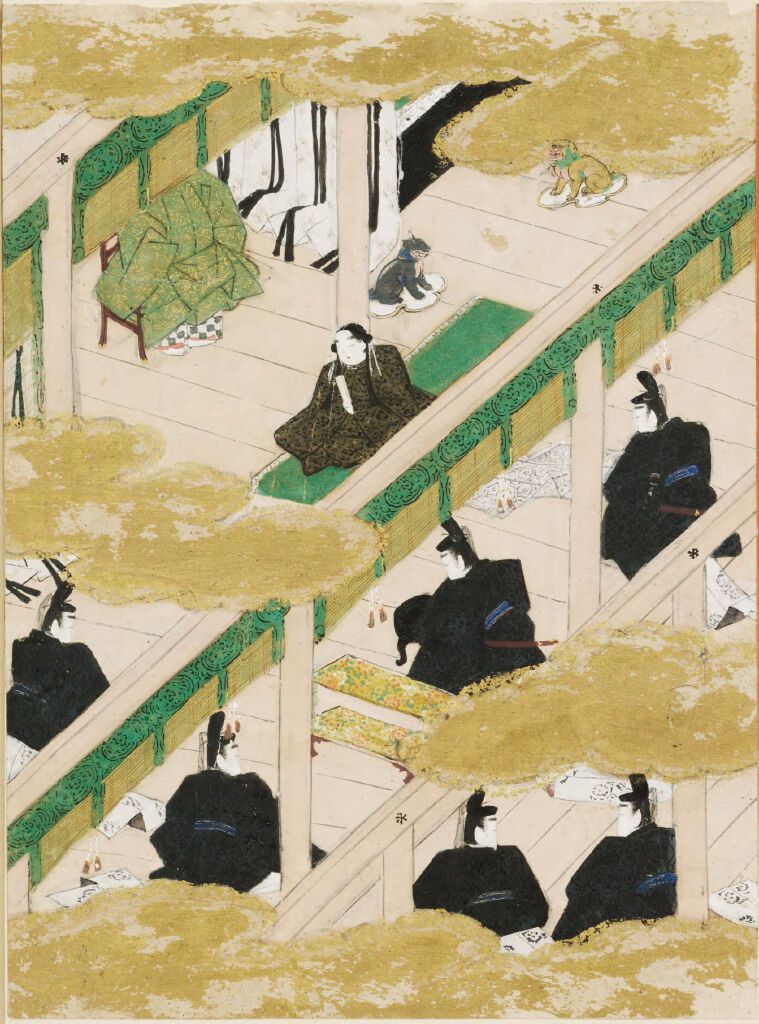
The Paulownia Pavilion (Kiritsubo), Illustration to Chapter 1 of the Tale of Genji (Genji monogatari)
Tosa Mitsunobu
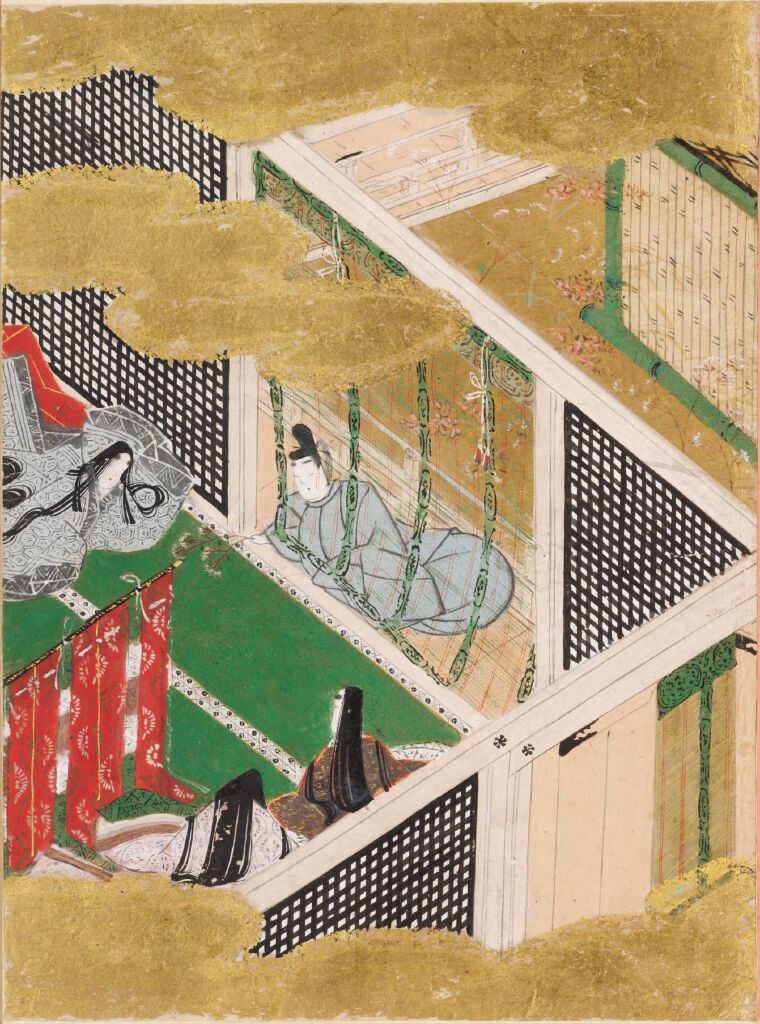
Thoroughwort Flowers (Fujibakama), Illustration to Chapter 30 of the Tale of Genji (Genji monogatari)
Tosa Mitsunobu

Under the Cherry Blossoms (Hana no En), Illustration to Chapter 8 of the Tale of Genji (Genji monogatari)
Tosa Mitsunobu

The Pilgrimage to Sumiyoshi (Miotsukushi), Illustration to Chapter 14 of the Tale of Genji (Genji monogatari)
Tosa Mitsunobu
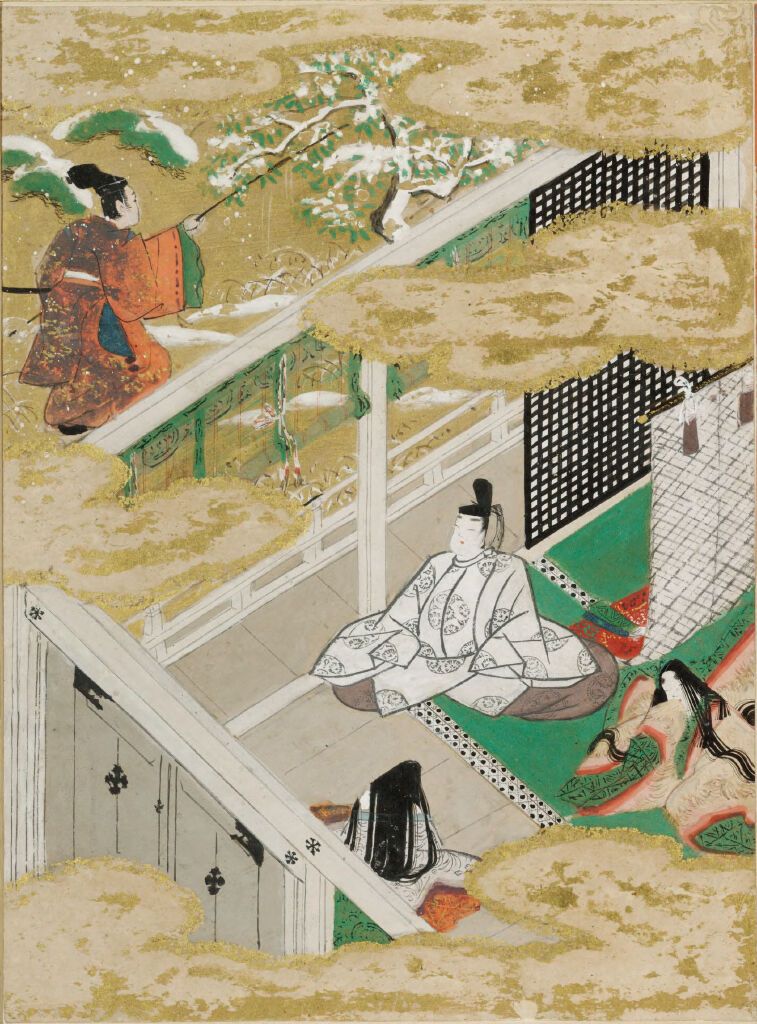
The Safflower (Suetsumuhana), Illustration to Chapter 6 of the Tale of Genji (Genji monogatari)
Tosa Mitsunobu
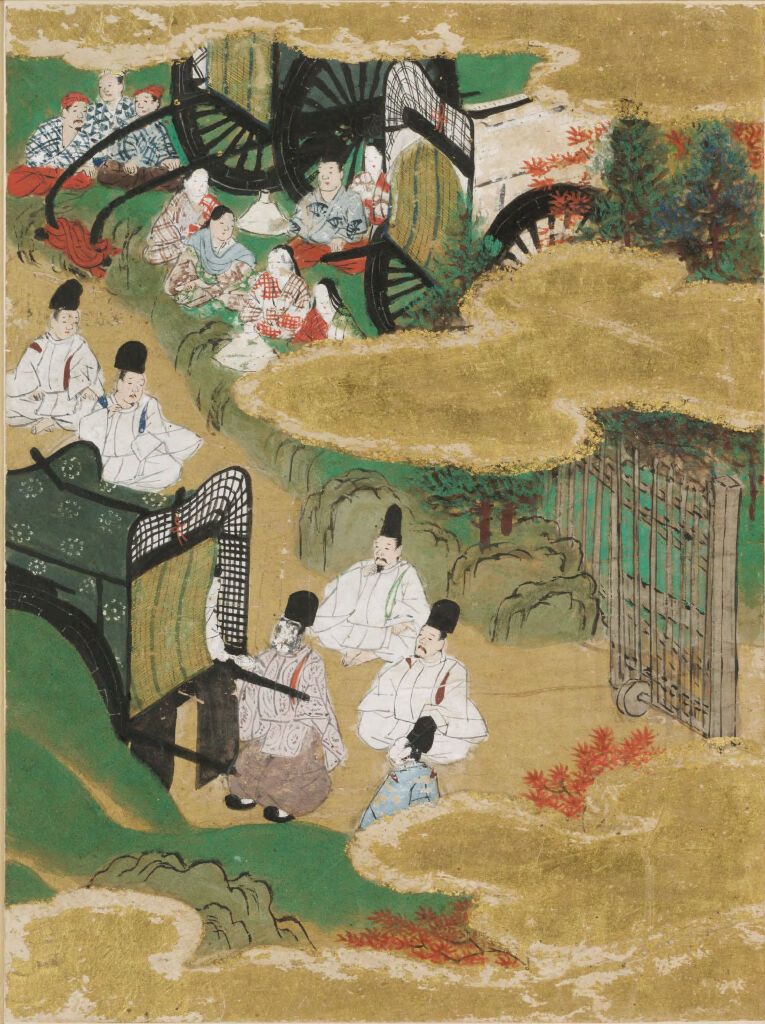
At the Pass (Sekiya), Illustration to Chapter 16 of the Tale of Genji (Genji monogatari)
Tosa Mitsunobu
More Illustration Art
Browse all →Falling Flowers (Hanachirusato), Illustration to Chapter 11 of the Tale of Genji (Genji monogatari)
Tosa Mitsunobu
The Cicada Shell (Utsusemi), Illustration to Chapter 3 of the Tale of Genji (Genji monogatari)
Tosa Mitsunobu
The Seer (Maboroshi), Illustration to Chapter 41 of the Tale of Genji (Genji monogatari)
Tosa Mitsunobu
The Oak Tree (Kashiwagi), Illustration to Chapter 36 of the Tale of Genji (Genji monogatari)
Tosa Mitsunobu
The Paulownia Pavilion (Kiritsubo), Illustration to Chapter 1 of the Tale of Genji (Genji monogatari)
Tosa Mitsunobu
Thoroughwort Flowers (Fujibakama), Illustration to Chapter 30 of the Tale of Genji (Genji monogatari)
Tosa Mitsunobu