
The Bouchardon Mill, Crozant — History & Facts
The eye is immediately drawn to the rush and tumble of water as it breaks over the stones, the surface alive with strokes of blue, violet, and green. In The Bouchardon Mill, Crozant, the painter’s brush seems to chase the fleeting light of late afternoon, capturing the river’s restless energy as it winds past the golden trees. The trees themselves, their branches etched in purple and crowned with autumn’s last fire, stand like sentinels beside the mill, their reflections trembling in the current.
The houses on the right, their roofs a muted red, seem to retreat behind the foliage, half-hidden, as if the landscape is reclaiming them. Each patch of color feels deliberate, guiding the viewer from the foreground rocks to the distant sky, where clouds drift in a pale wash. Painted circa 1898, this work belongs to a moment when artists like Armand Guillaumin sought to capture not just the look but the sensation of a place. The village of Crozant, a favorite haunt of landscape painters, became a laboratory for exploring color and light in the open air.
Such paintings were rarely grand commissions; instead, they were made for a growing middle class eager to bring the countryside indoors, or for the artist’s own pursuit of nature’s changing moods. The Metropolitan Museum of Art, which now holds this piece, preserves it as part of a broader story—one where the landscape is not a backdrop, but a living, shifting presence. Stand before it, and let your gaze follow the river’s path, feeling for a moment the pulse of a world in motion.
More Artworks by Armand Guillaumin

La Seine À Charenton
Armand Guillaumin
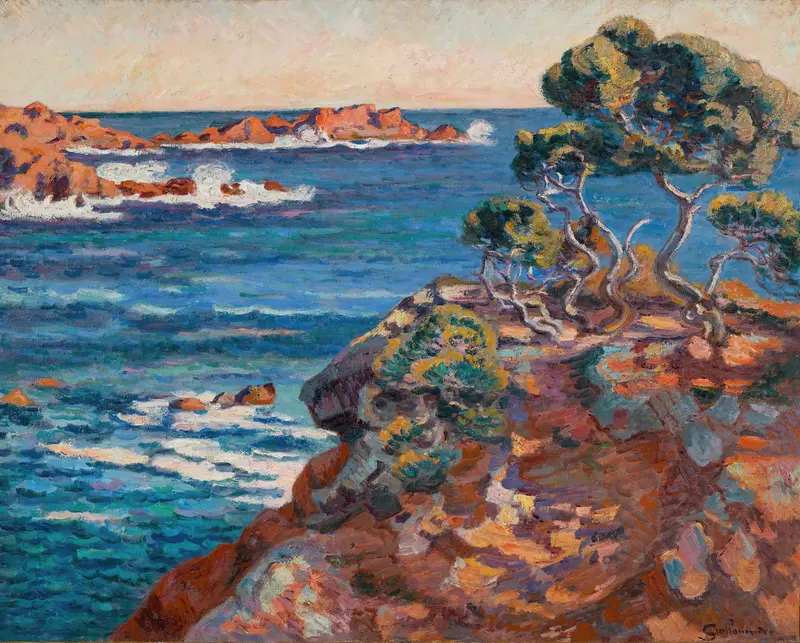
Bord De Mer À Agay
Armand Guillaumin
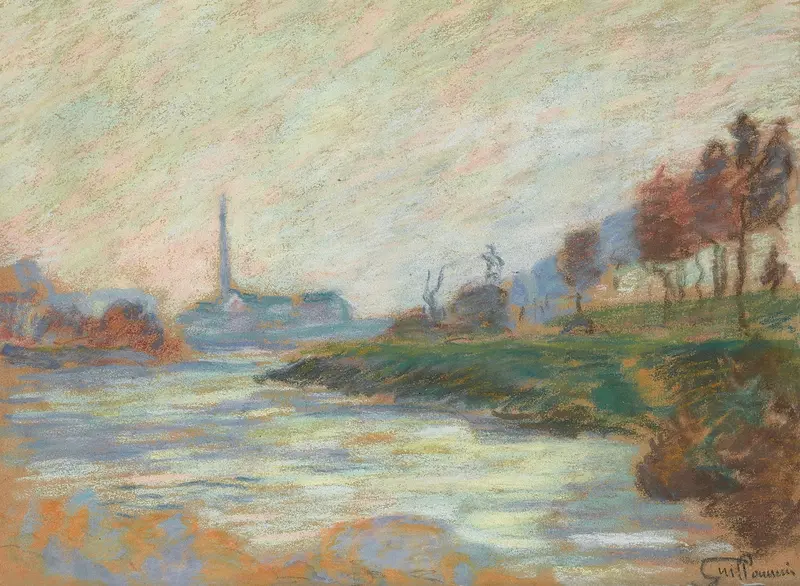
Confluent De La Marne Et De La Seine, Île De La France
Armand Guillaumin
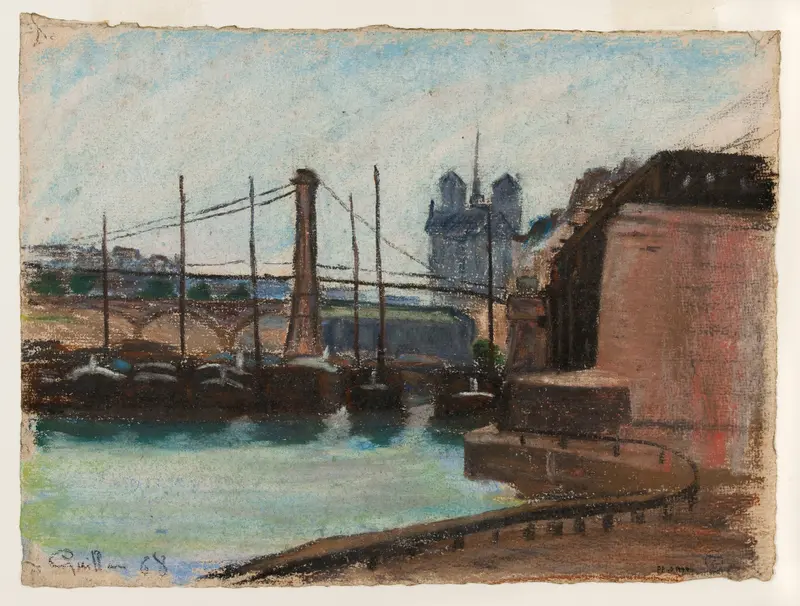
Le Pont d’Austerlitz
Armand Guillaumin
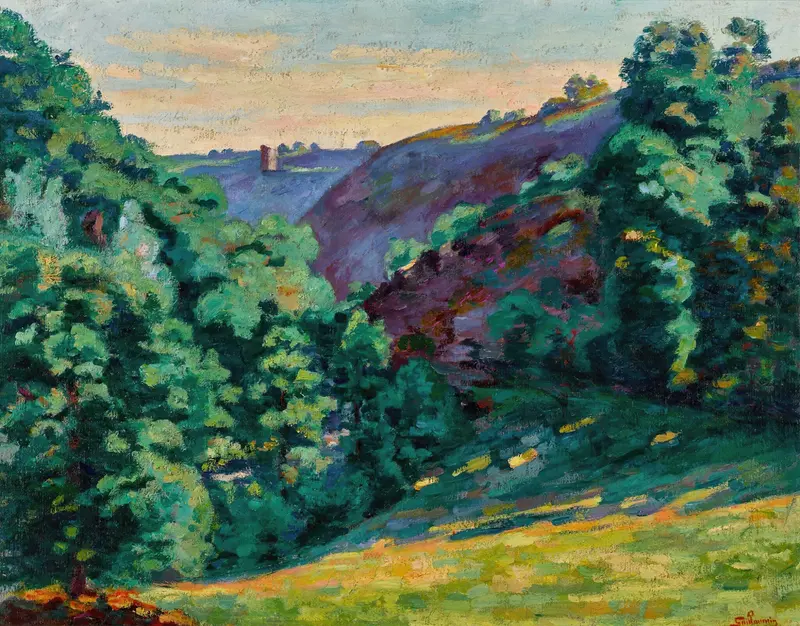
Le Ravin de la folie, vue de Chateau Crozant
Armand Guillaumin
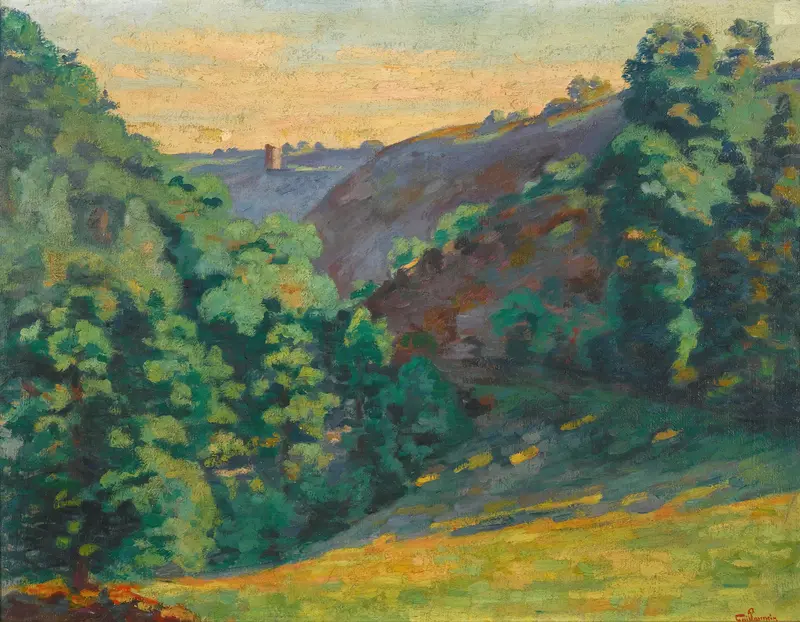
Crozant, Le Ravin De La Sedelle À La Folie
Armand Guillaumin
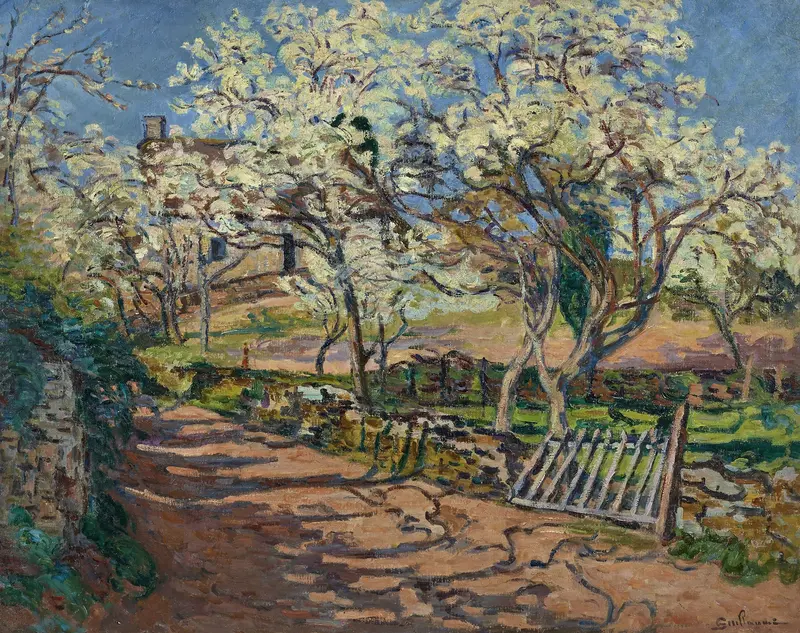
Paysage de Printemps
Armand Guillaumin
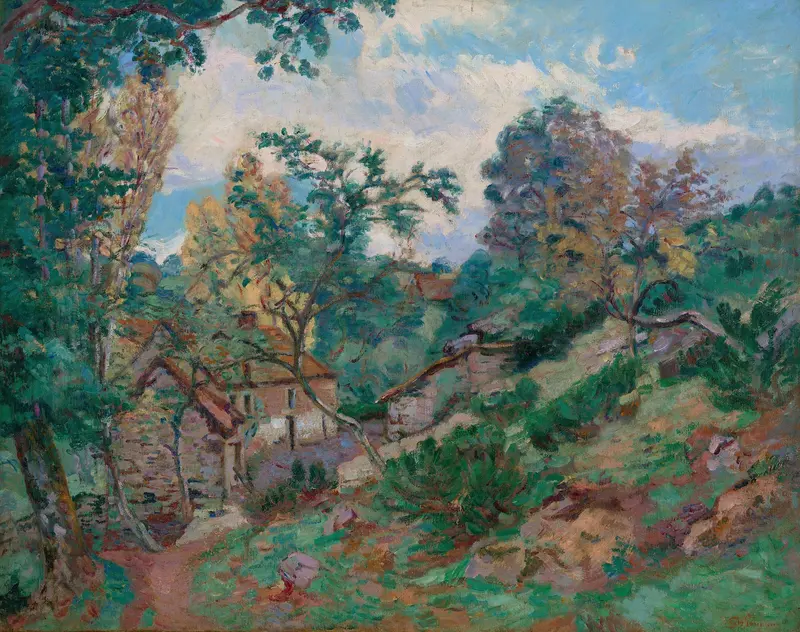
Paysage
Armand Guillaumin
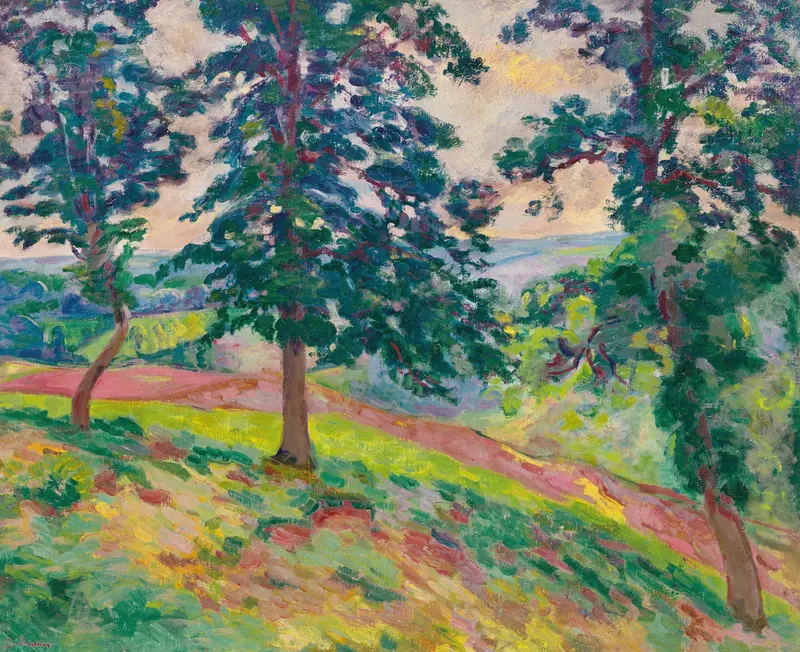
La vallée de la creuse
Armand Guillaumin
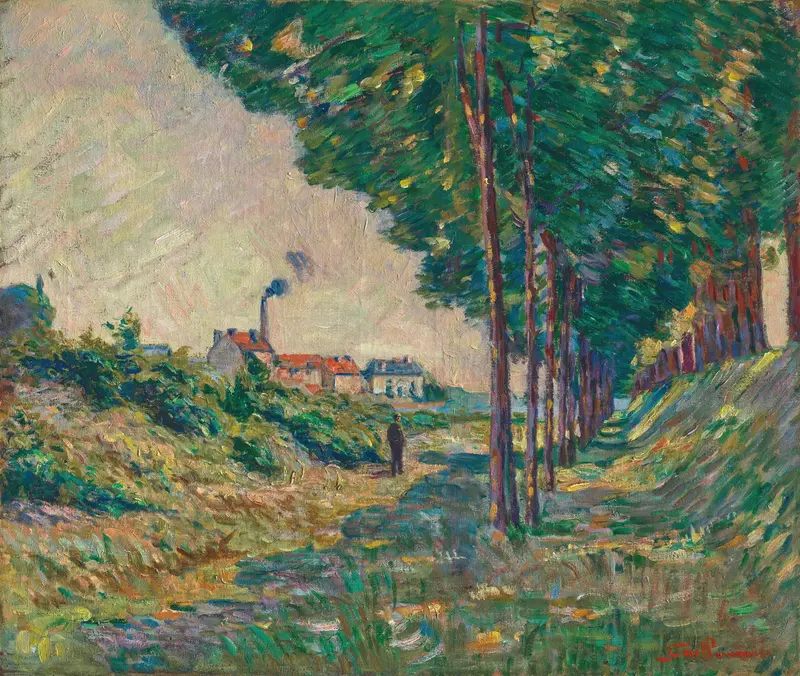
Le chemin de halage à Charenton, Ile de France
Armand Guillaumin
More Landscape Art

The Starry Night
Vincent van Gogh

View of Delft
Johannes Vermeer

Water Lilies
Claude Monet

The Grand Canal, Venice, looking north-west from the Ca' Corner to the Ca' Contarini degli Scrigni, with the campanile of Santa Maria della Carità
Canaletto

Windsor Castle
Canaletto

The Grand Canal looking North-East from the Palazzo Dolfin-Manin to the Rialto Bridge
Canaletto