
The Bridge — History & Facts
What if silence could speak through light? In the stillness of The Bridge, a moment is frozen, where the interplay of shadows and soft hues creates a world that whispers rather than shouts. Look to the left at the elegant arch of the bridge, its reflective surface mirroring the gentle ripples of the water below. The palette, dominated by muted blues and grays, envelops the viewer in a calming twilight. Notice how the soft brushstrokes convey a sense of tranquility, inviting you to linger in the serene embrace of this scene.
The composition draws the eye toward the center, where the bridge seems to connect separate realms, its solidity contrasting with the ephemeral quality of the surrounding atmosphere. Delve deeper, and you’ll uncover the emotional tension between solitude and connection. The distant figures, perhaps lost in thought, evoke a sense of isolation, yet their presence on the bridge hints at a longing for communion. The delicate light filtering through the haze suggests the possibility of clarity amidst ambiguity, while the dark hues in the water pulse with latent energy—a metaphor for the turmoil that often lies beneath calm exteriors. In 1879, Whistler painted this piece during a period when he was deeply influenced by the aesthetics of Japanese art and the burgeoning symbolist movement in France.
Living in London, he was refining his unique approach to color and composition, focusing on the emotional resonance of a moment rather than strict representation. The world of art was in transition, and The Bridge stands as a testament to Whistler's mastery in capturing the essence of silence and stillness.
More Artworks by James Abbott McNeill Whistler
Browse all →
Nocturne in Blue and Silver
James Abbott McNeill Whistler
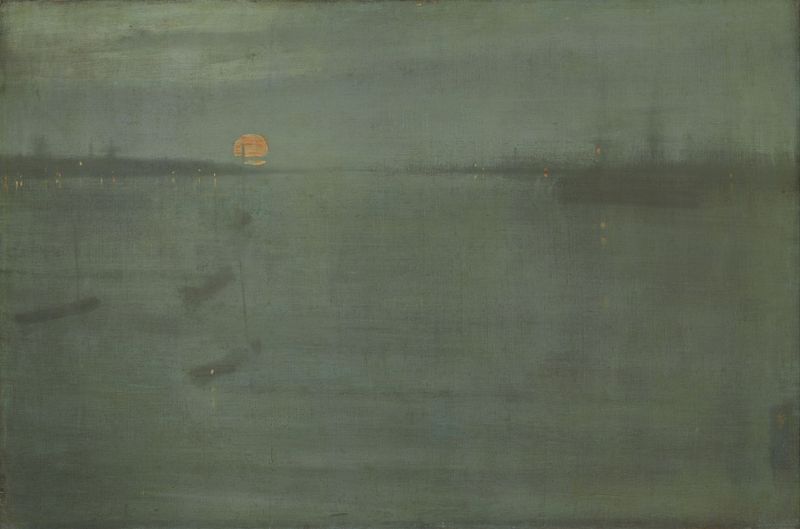
Nocturne: Blue and Gold–Southampton Water
James Abbott McNeill Whistler
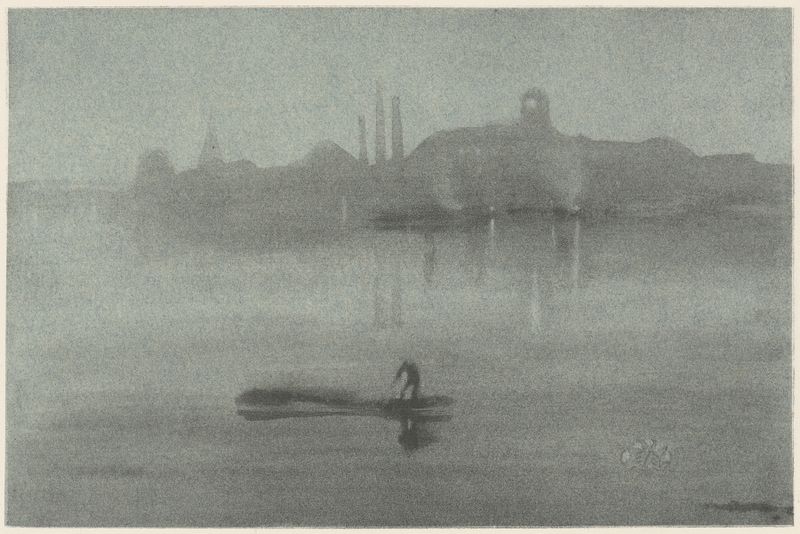
Nocturne
James Abbott McNeill Whistler
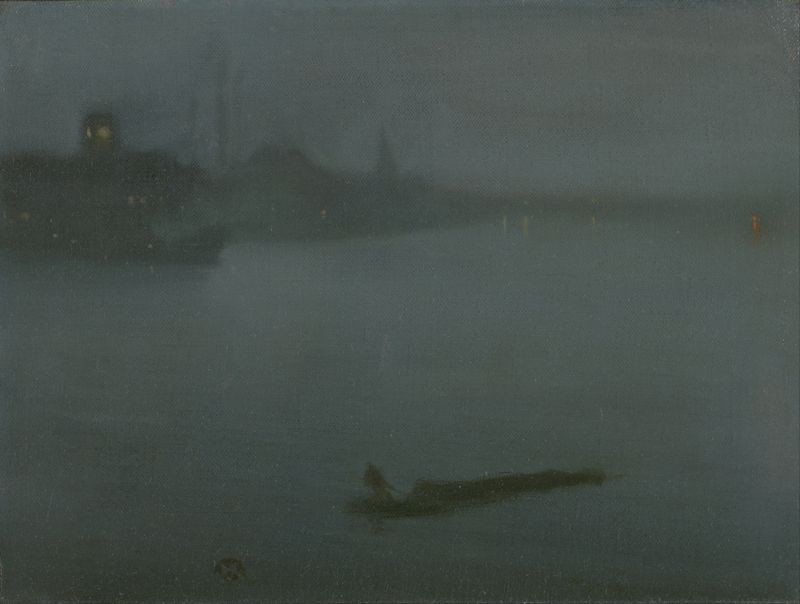
Nocturne in Blue and Silver
James Abbott McNeill Whistler
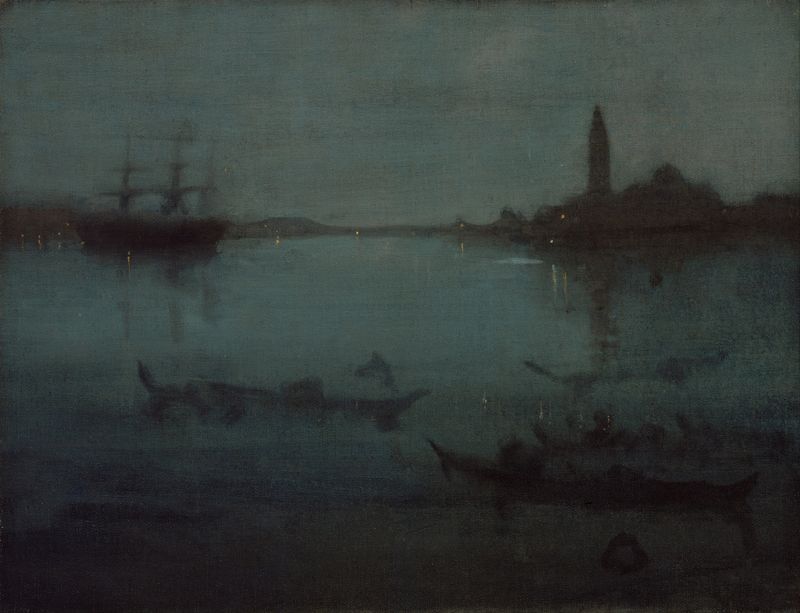
Nocturne in Blue and Silver- The Lagoon, Venice
James Abbott McNeill Whistler
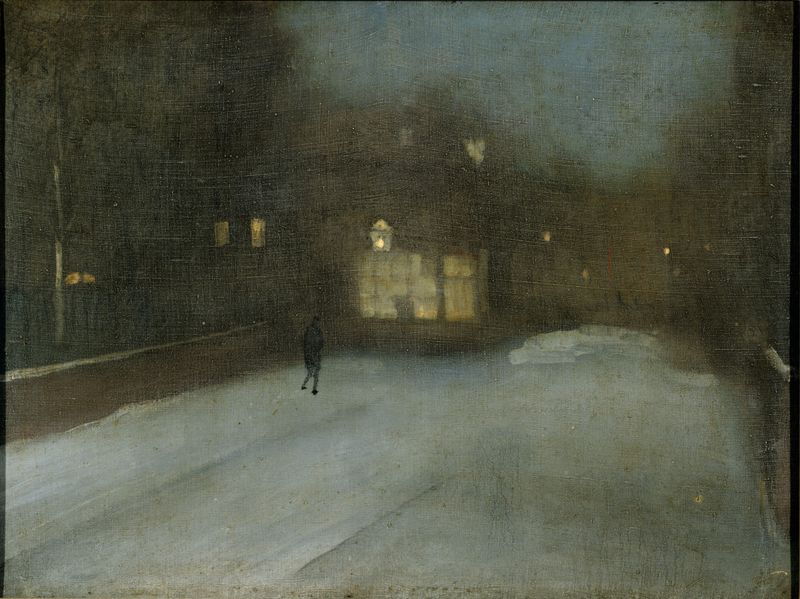
Nocturne in Grey and Gold: Chelsea Snow
James Abbott McNeill Whistler
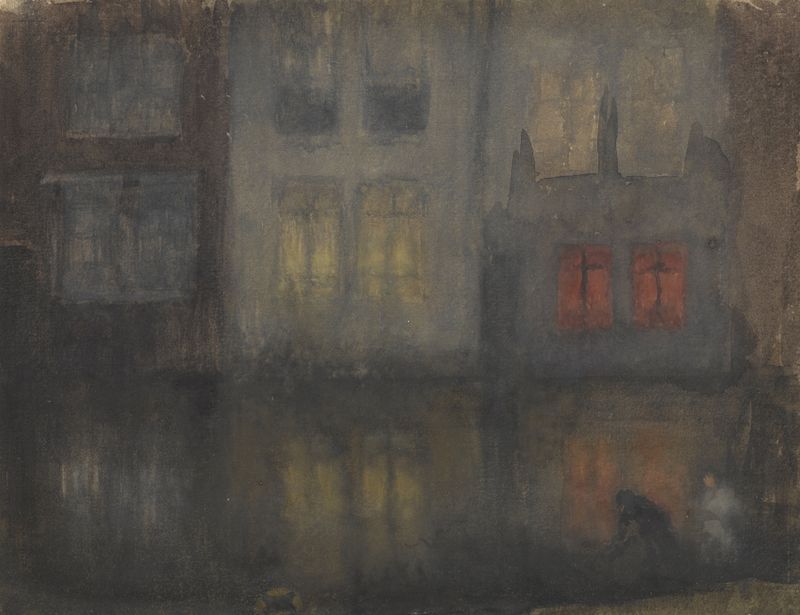
Nocturne: Black and Red—Back Canal, Holland
James Abbott McNeill Whistler
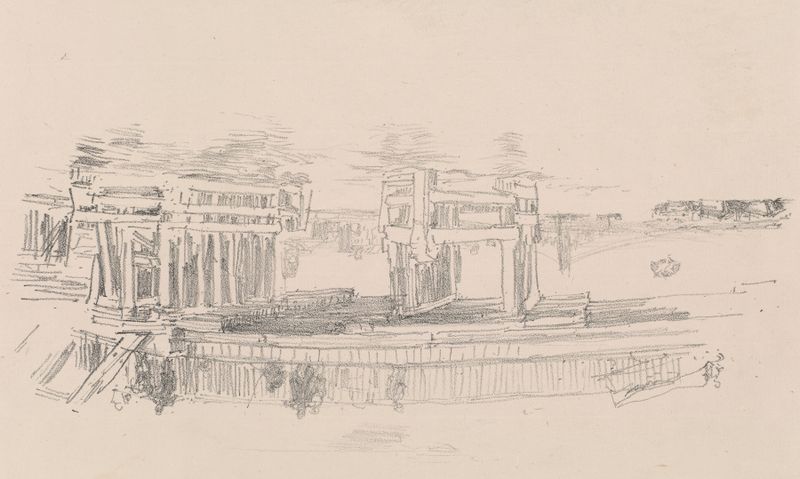
Old Battersea Bridge
James Abbott McNeill Whistler

Nocturne: Blue and Silver–Battersea Reach
James Abbott McNeill Whistler
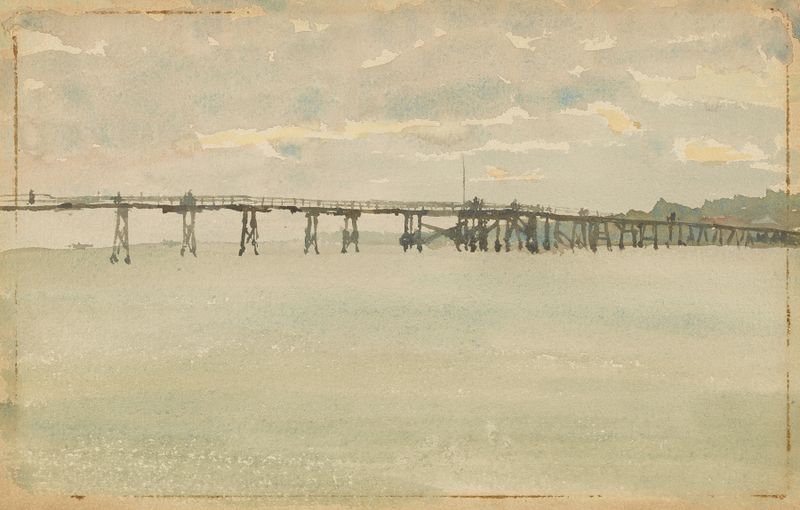
Grey and Silver–Pier, Southend
James Abbott McNeill Whistler





