
The British Museum — History & Facts
When did color learn to lie? In this world of art, truth often finds itself tangled in illusion. Look to the left at the stark, imposing façade of the British Museum, rendered in delicate, yet assertive strokes. The muted palette of grays and browns envelops the building, contrasting sharply with the vibrant hues of the surrounding trees and sky. Notice how the play of light casts long shadows, creating a dialogue between the solidity of the museum and the fleeting nature of the day.
Each brushstroke feels purposeful, capturing not just the structure but the spirit of a place that houses the world's stories. Yet, beneath this seemingly straightforward depiction lies a tension between permanence and transience. The majestic columns stand resolute, embodying a sense of historical weight, while the animated clouds overhead suggest the relentless passage of time. The juxtaposition of manmade grandeur and the ephemeral qualities of nature prompts reflection on the nature of truth in art and history.
The viewer is left to ponder what stories remain untold within those stony walls, and whose narratives might be overshadowed by the layers of paint and light. In 1928, Joseph Pennell created this work amidst a rapidly changing world, where modernism was redefining artistic expression. Living in London, he was immersed in the cultural shifts of the time, with the British Museum serving as a focal point for both history and contemporary thought. His art straddled the line between traditional representation and the burgeoning ideas of abstraction, a testament to his belief in the complexity of truth within the framework of art.
More Artworks by Joseph Pennell
Browse all →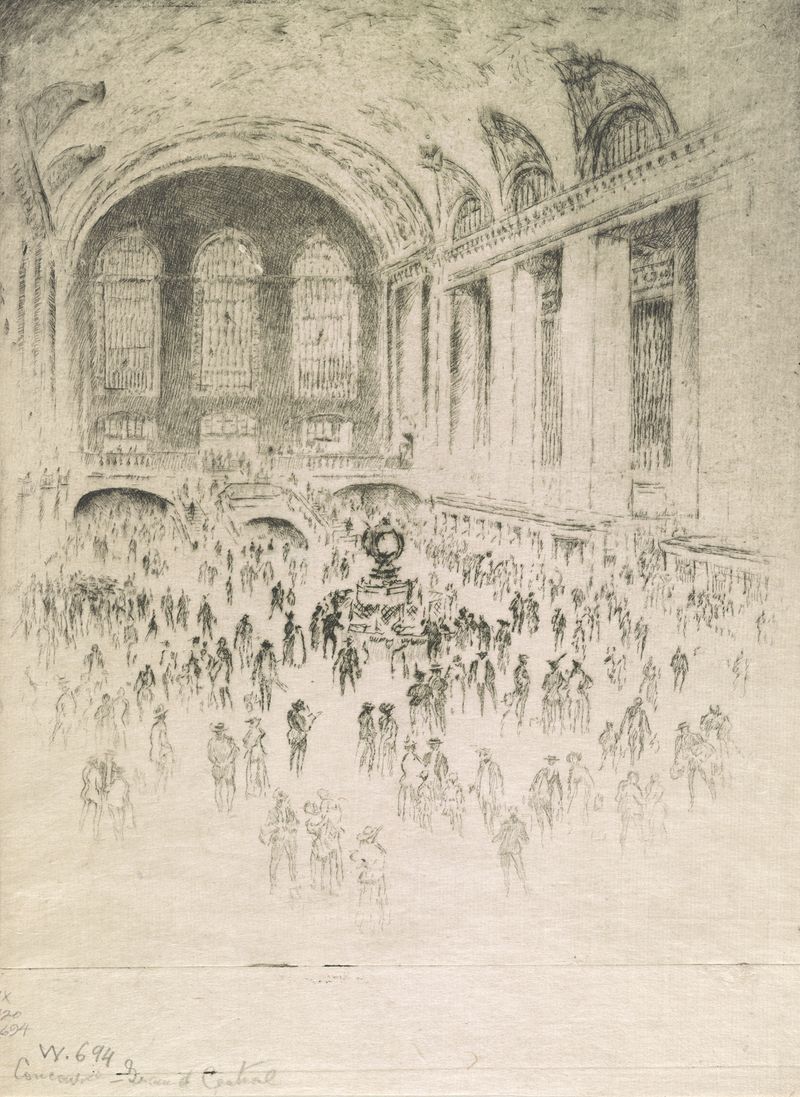
Concourse, Grand Central
Joseph Pennell
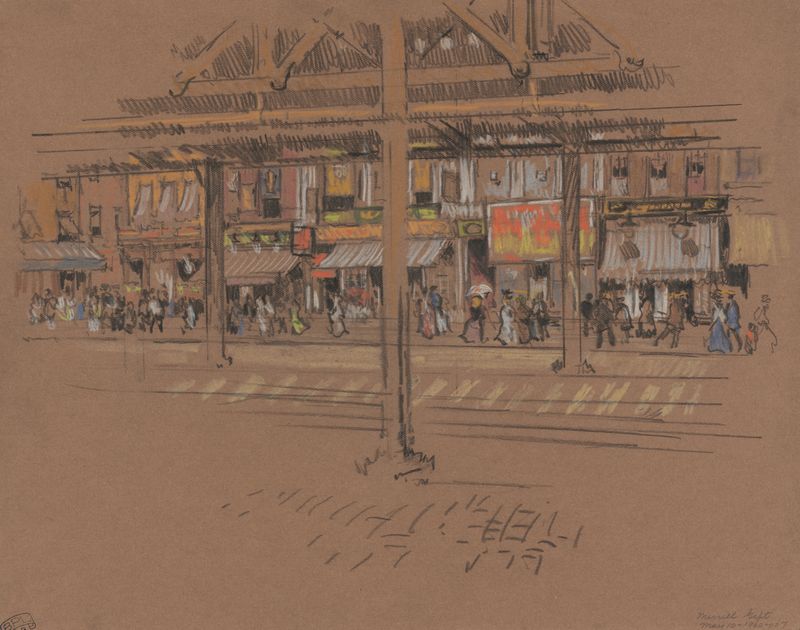
Sixth Avenue
Joseph Pennell
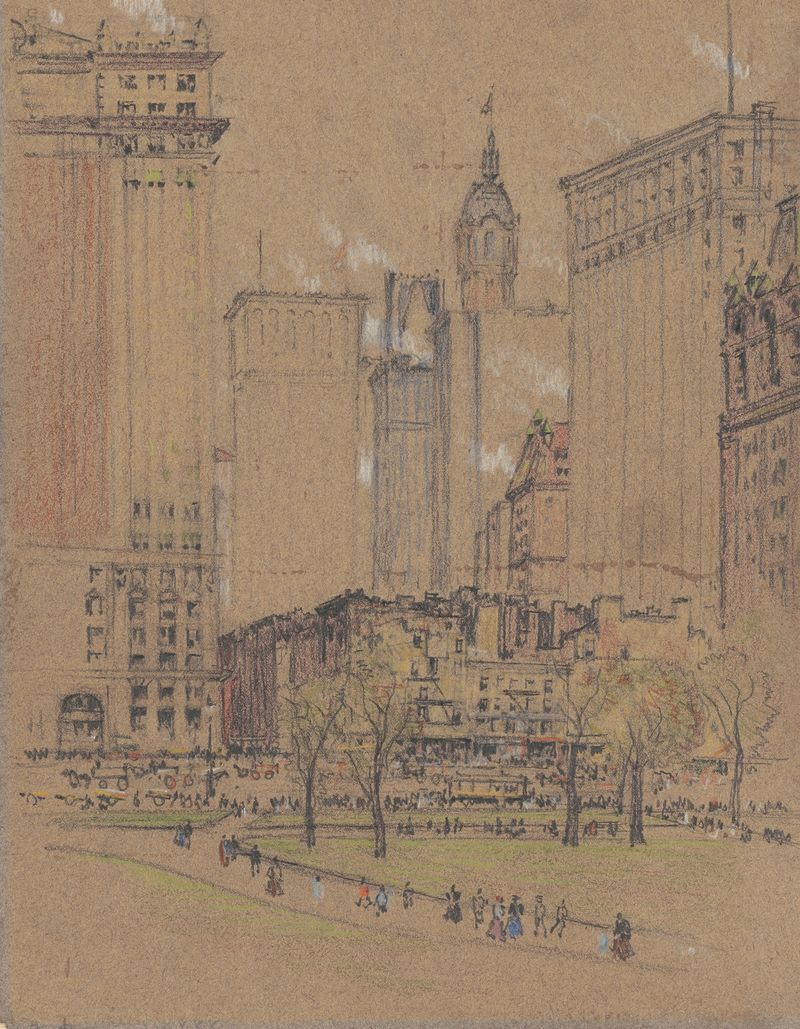
New York,the Old and the New
Joseph Pennell
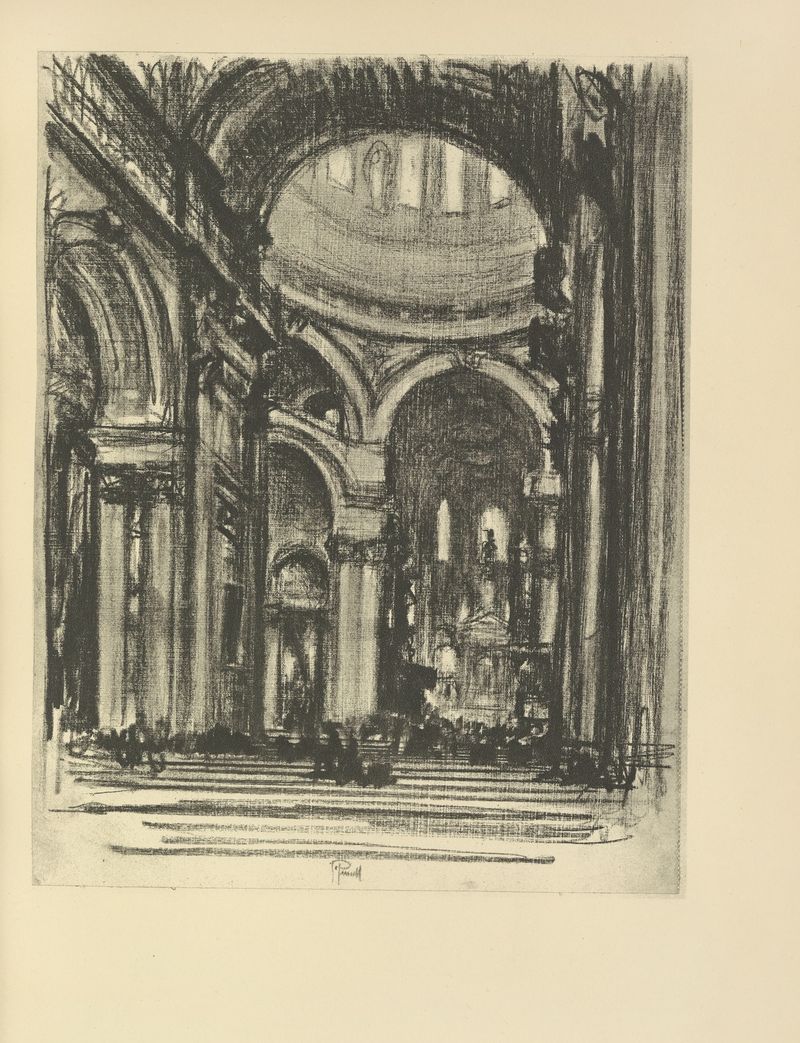
St. Paul’s, The Nave
Joseph Pennell
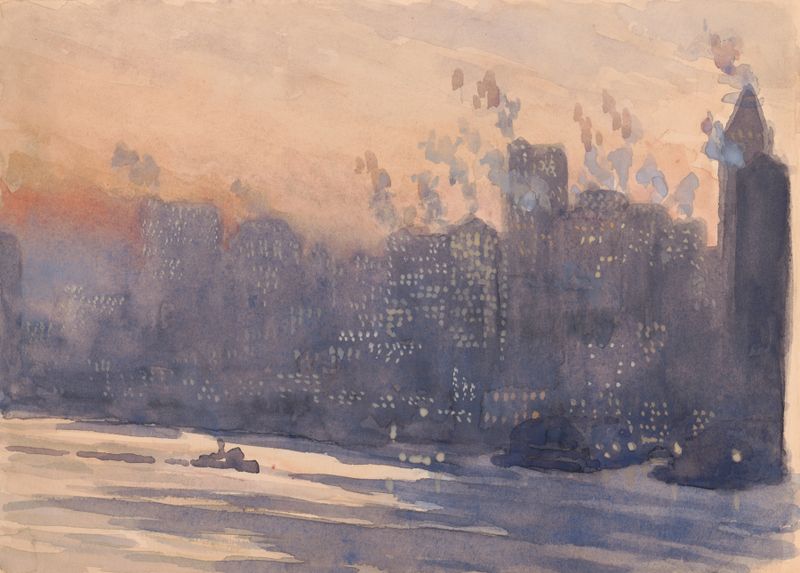
New York City harbor and skyline at night
Joseph Pennell
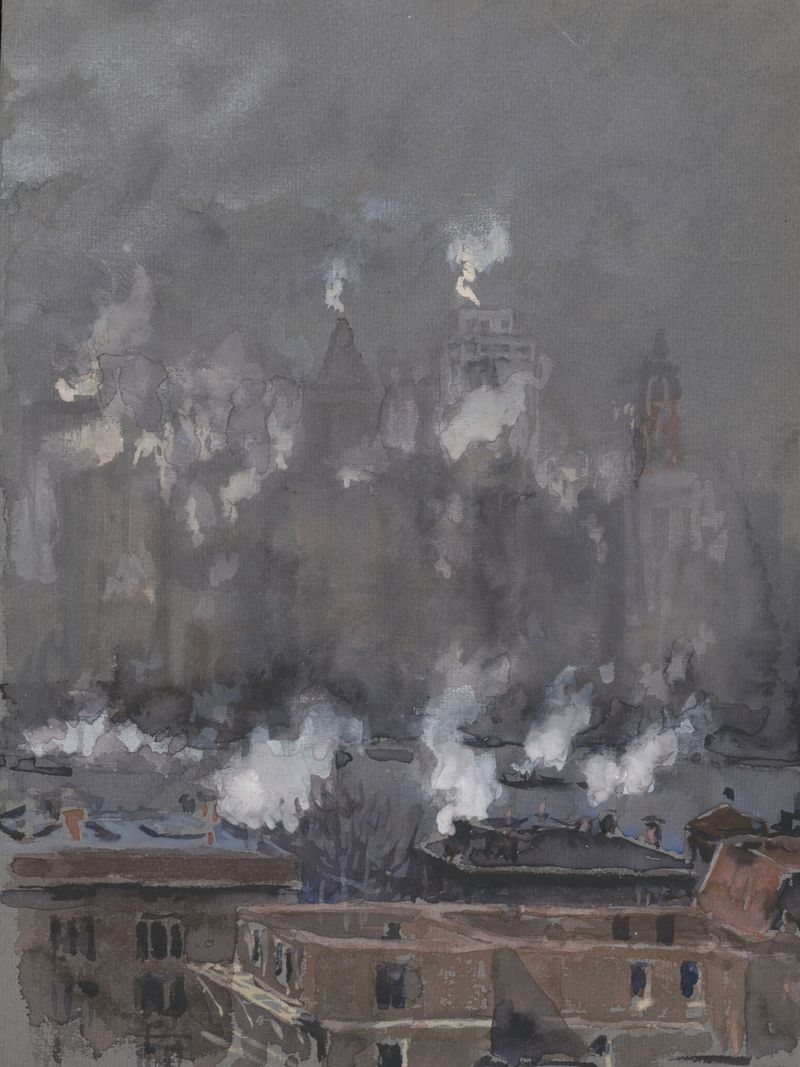
Smoke and fog on gray day, New York City
Joseph Pennell
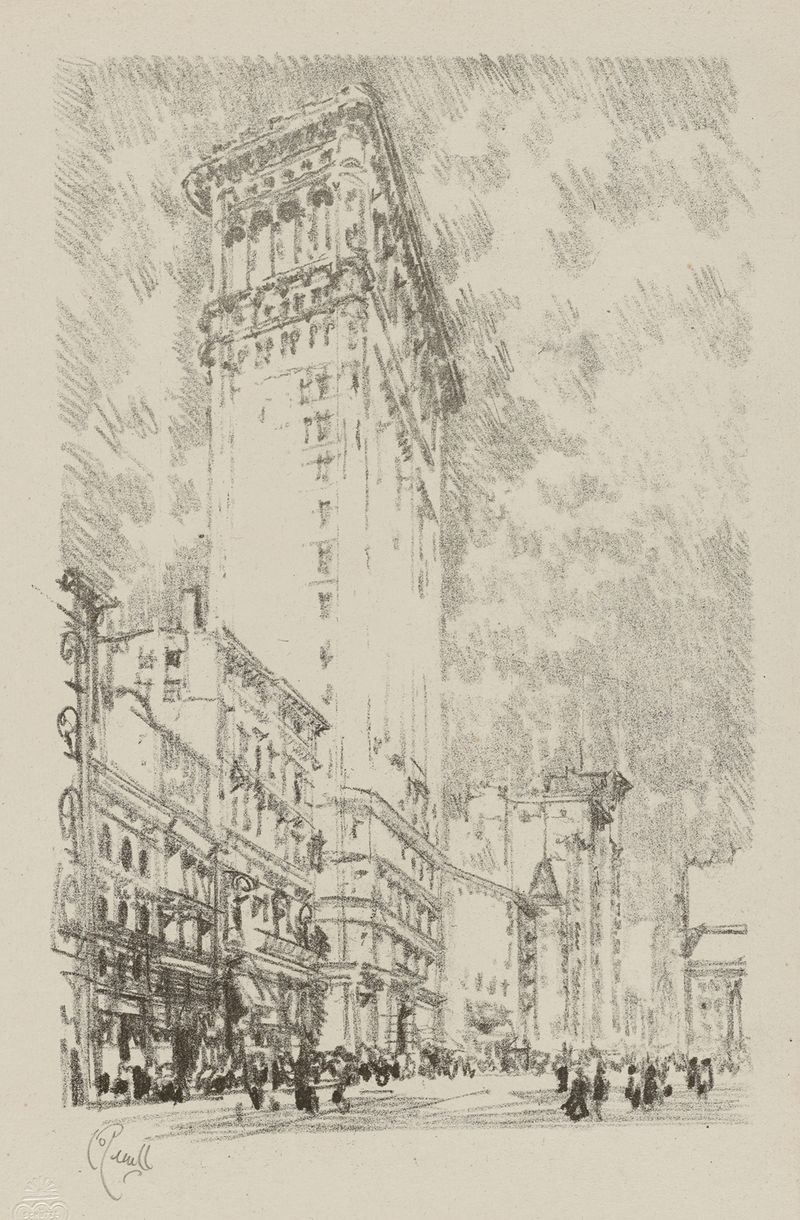
The Flat Iron
Joseph Pennell
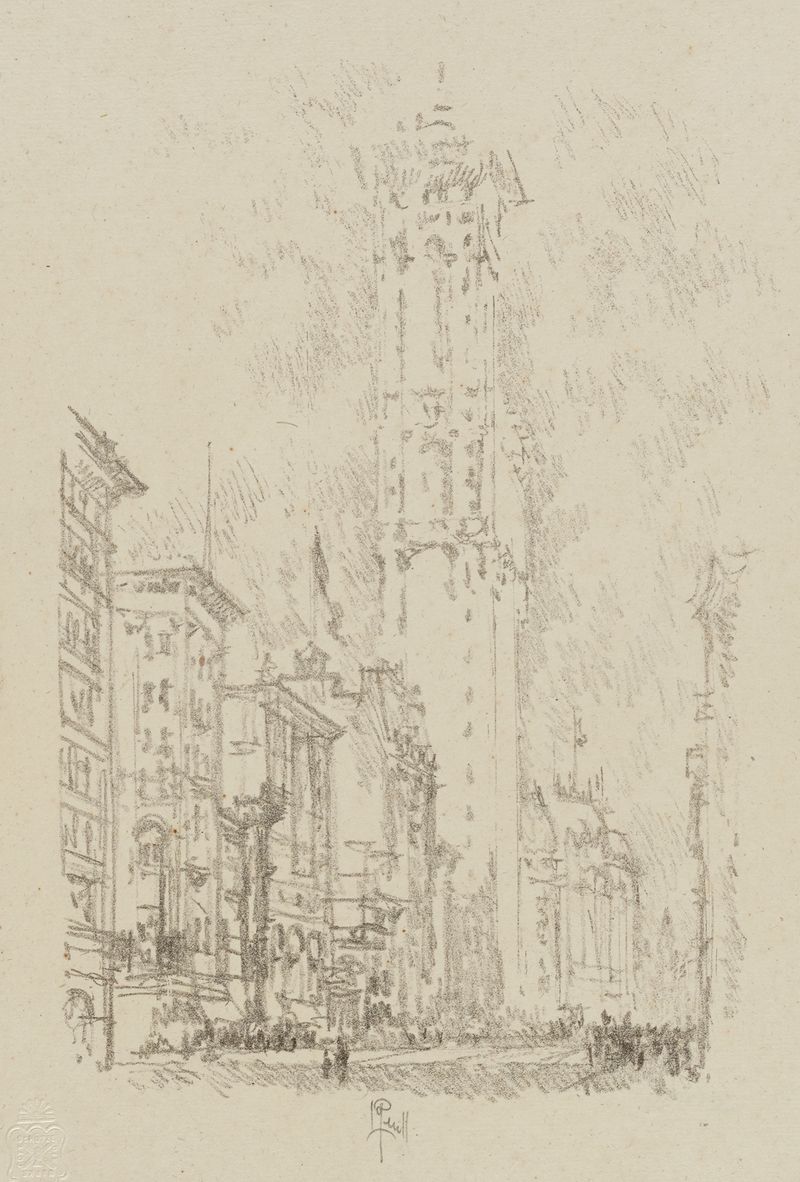
The Times Building
Joseph Pennell
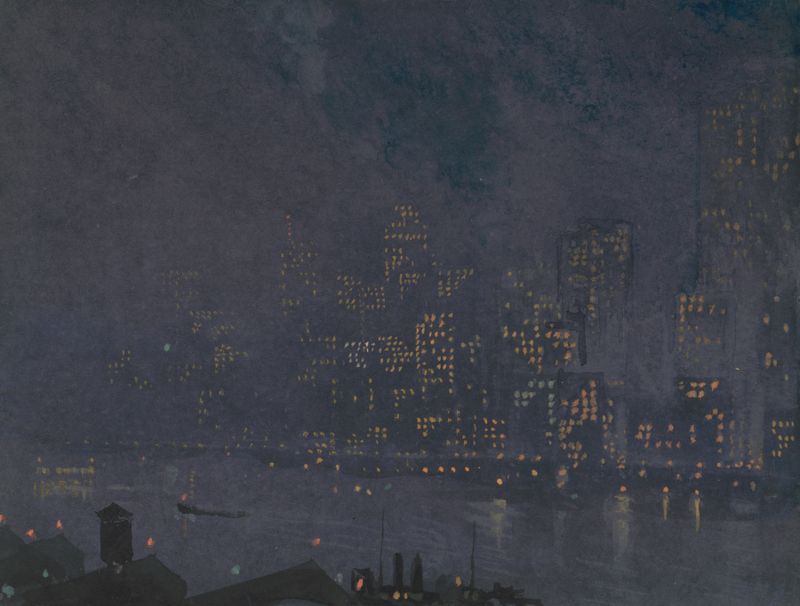
Skyscrapers at night
Joseph Pennell

St. James’ Park
Joseph Pennell
More Architecture Art
Browse all →
The statue of Liberty
Frédéric Auguste Bartholdi

View of Houses in Delft, Known as ‘The Little Street’
Johannes Vermeer

View of Houses in Delft, Known as ‘The Little Street’
Johannes Vermeer

The Cathedral in Rouen. The portal, Grey Weather
Claude Monet

The yellow house
Vincent van Gogh

The Church in Auvers-sur-Oise, View from the Chevet
Vincent van Gogh