
The Bucareli promenade. — History & Facts
The innocence of youth is often captured in fleeting moments, inviting viewers to reconsider the beauty of simplicity. In every stroke lies a whisper of nostalgia, a reminder of what it means to be unencumbered by the weight of the world. Focus on the gentle interplay of light and shadow as it dances across the canvas. The vibrant greens and soft blues draw your eyes to the lush landscape, guiding you toward the figures in the distance.
Notice the carefree gestures of children at play, their laughter almost tangible, while the elegant curves of nearby trees cradle them in an embrace, emphasizing the harmony of nature and youth. Delve deeper into the details where innocence radiates through each child’s expression, contrasting with the serene backdrop. The juxtaposition of their exuberance against the tranquil ambiance evokes a sense of fleeting time, a poignant reminder that the purity of such moments is ephemeral. The careful placement of figures within the vast landscape amplifies their smallness, highlighting the fragility and beauty of childhood. C.
Castro painted this piece in 1869, during a period marked by artistic exploration and the burgeoning Impressionist movement. Living in Mexico City, the artist was influenced by the vibrant culture around him, channeling the essence of everyday life into his work. This painting reflects not only his personal experiences but also the broader shift in art toward capturing the everyday moments that define human existence.
More Artworks by C. Castro
Browse all →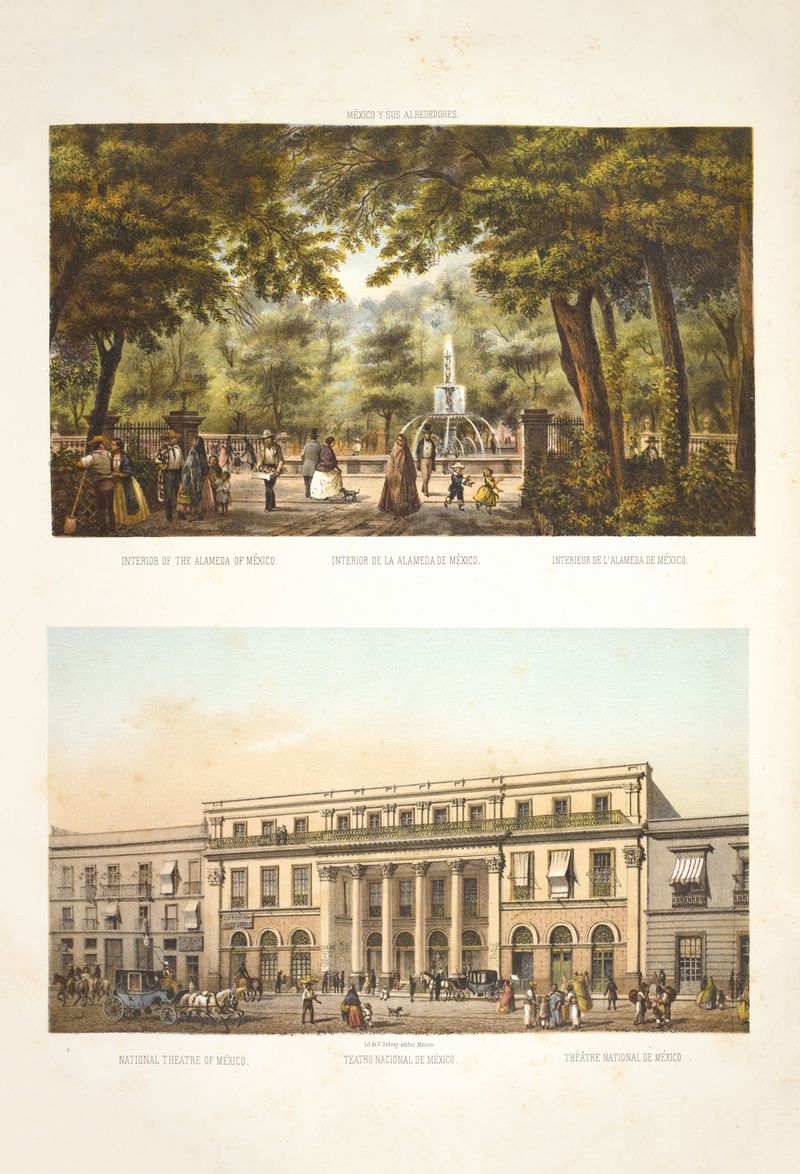
Interior of the Alameda of Mexico ; National Theatre of Mexico.
C. Castro
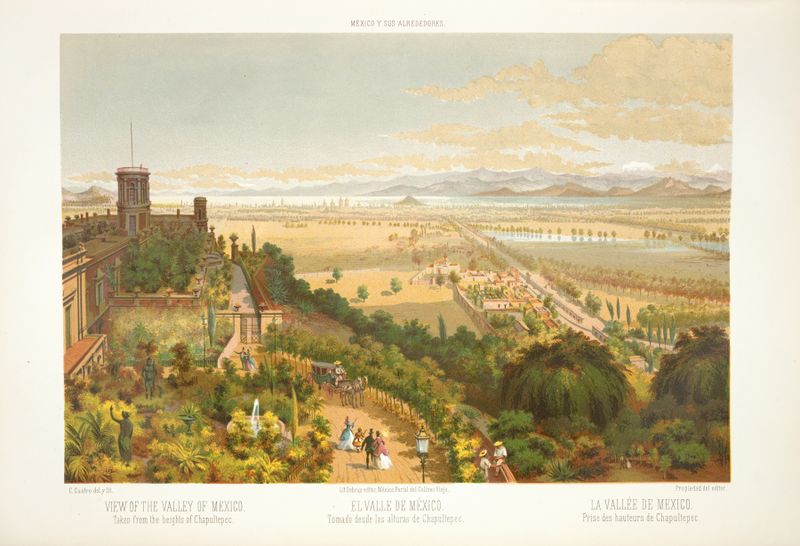
View of the Valley of Mexico, taken from the heights of Chapultepec.
C. Castro
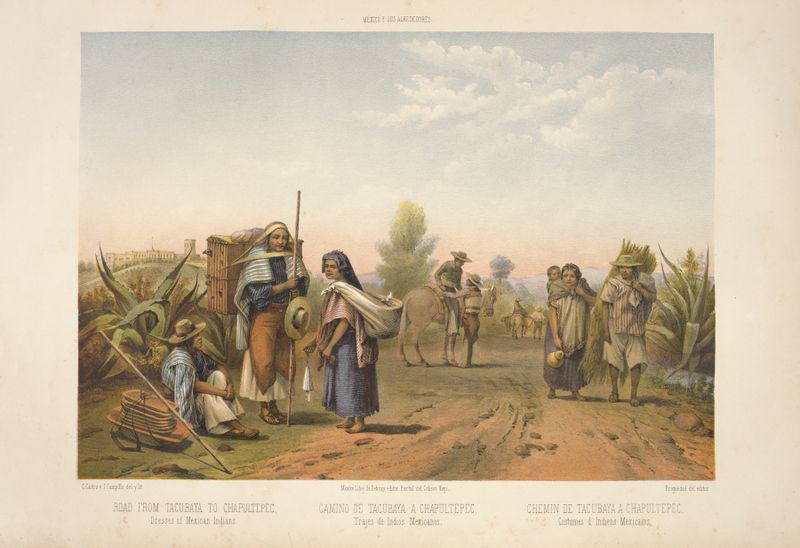
Road from Tacubaya to Chapultepec, dresses of Mexican Indians.
C. Castro
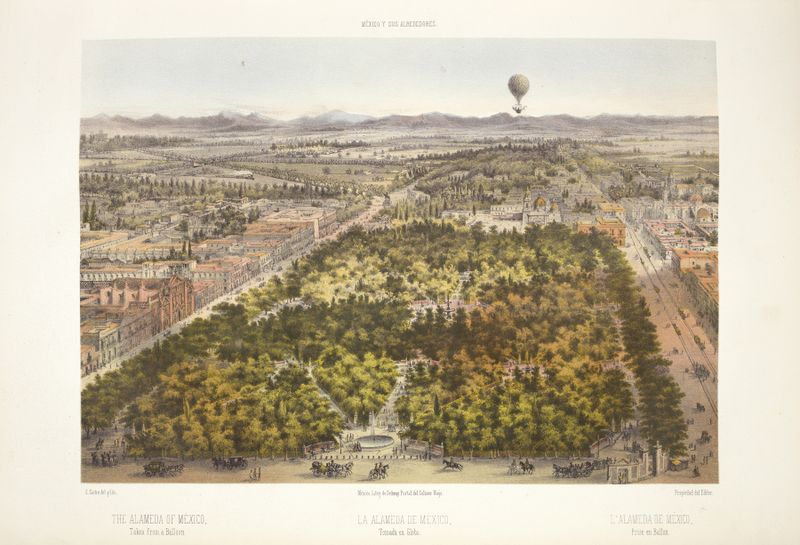
The Alameda of Mexico, taken from a balloon.
C. Castro
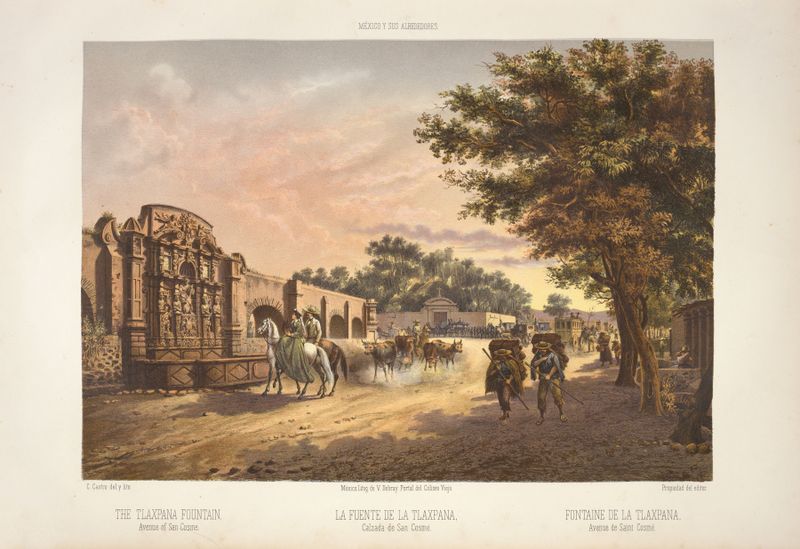
The Tlaxpana fountain, Avenue of San Cosme.
C. Castro
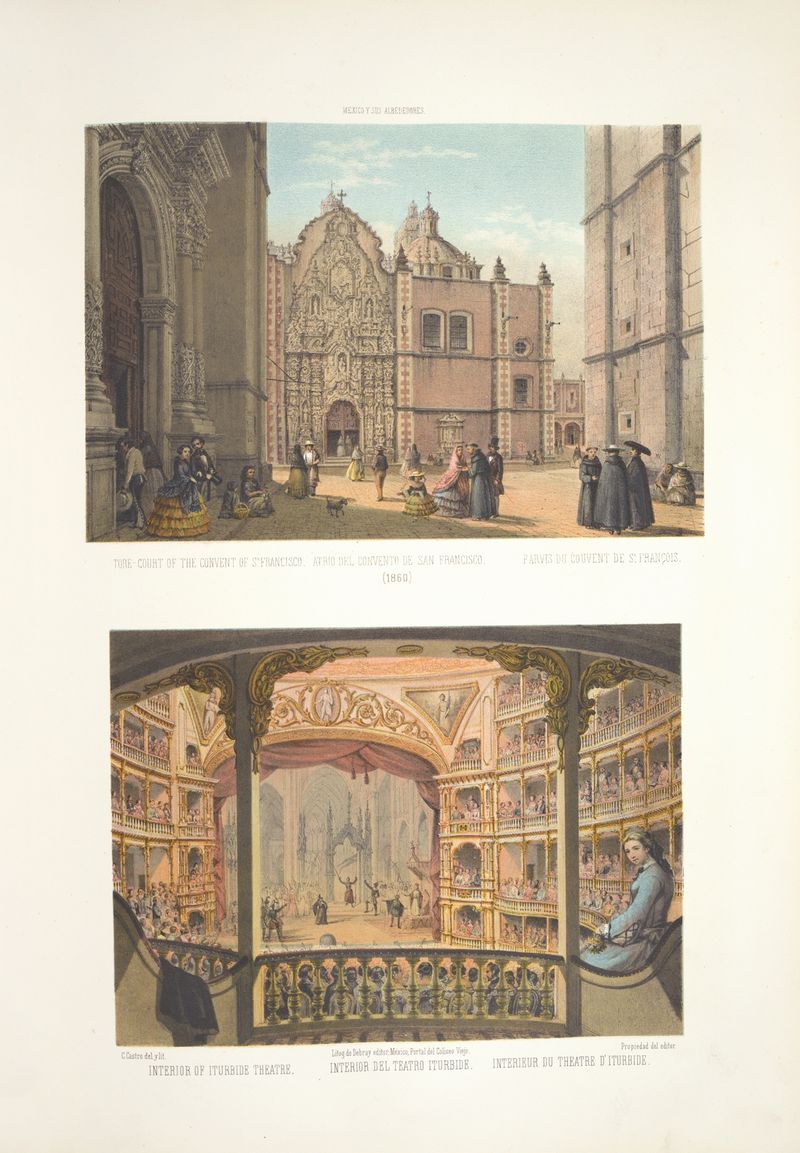
Tore-court of the convent of St. Francisco ; Interior del Teatro Iturbide
C. Castro
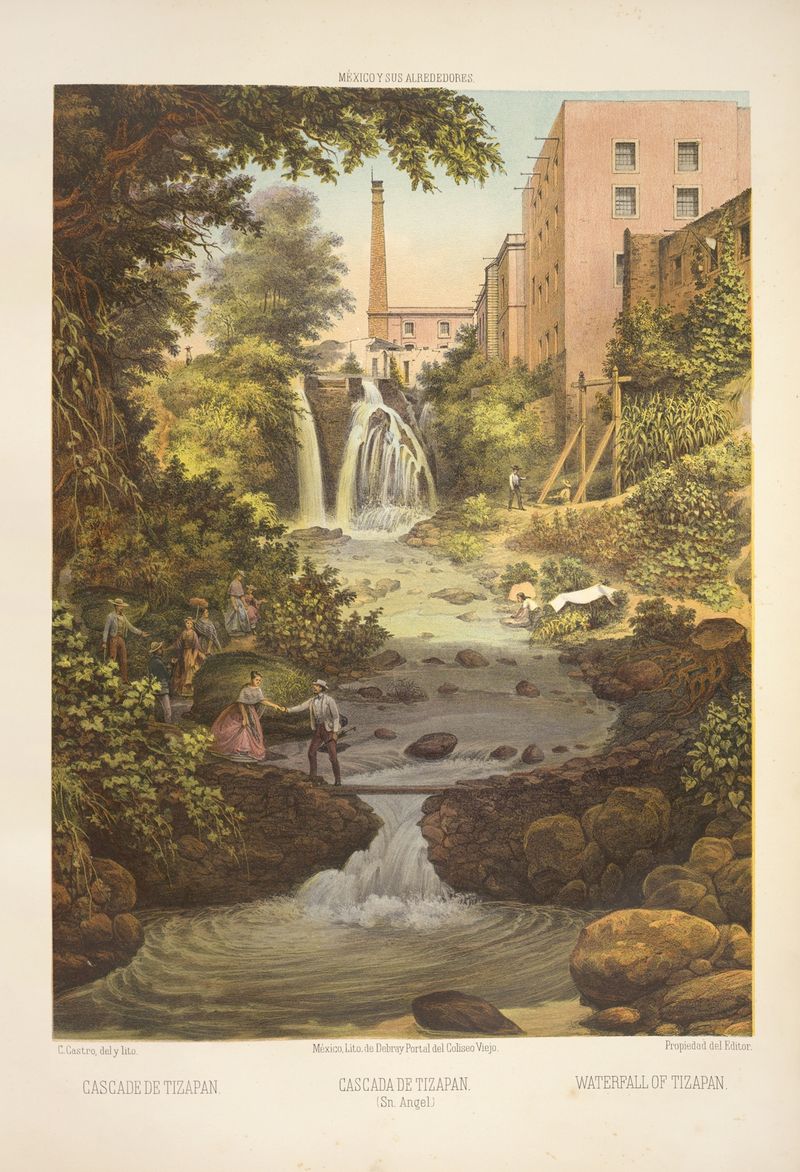
Waterfall of Tizapan
C. Castro
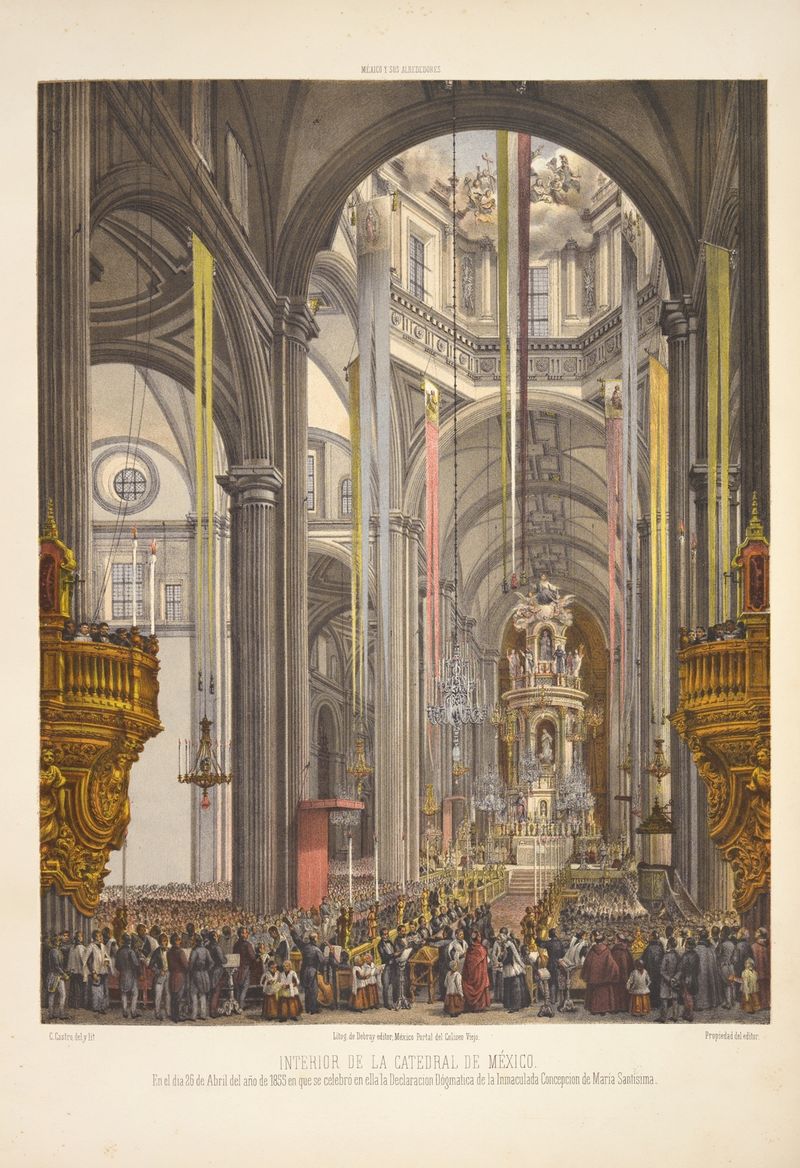
Interior de la Catedral de México. En el dia 26 de Abril del año de 1855 en que se celebró en ella la Declaracion Dógmatica de la Inmaculada Concepcion de María Santisima.
C. Castro
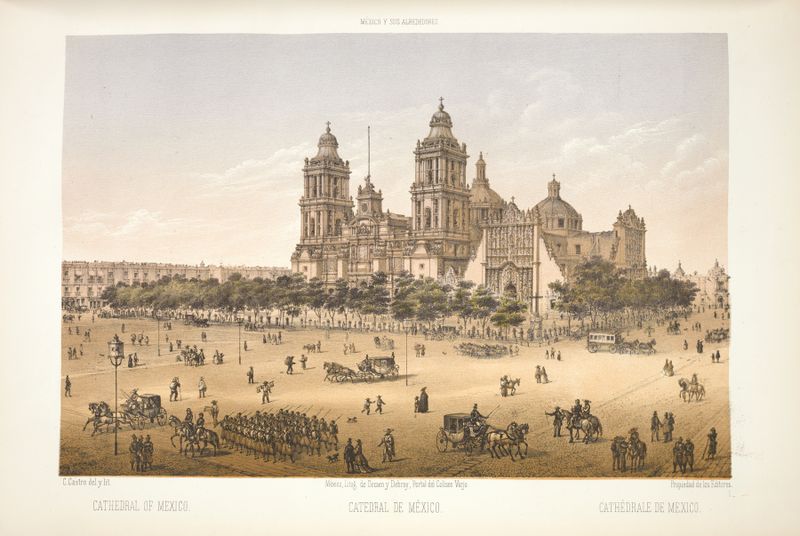
Cathedral of Mexico.
C. Castro
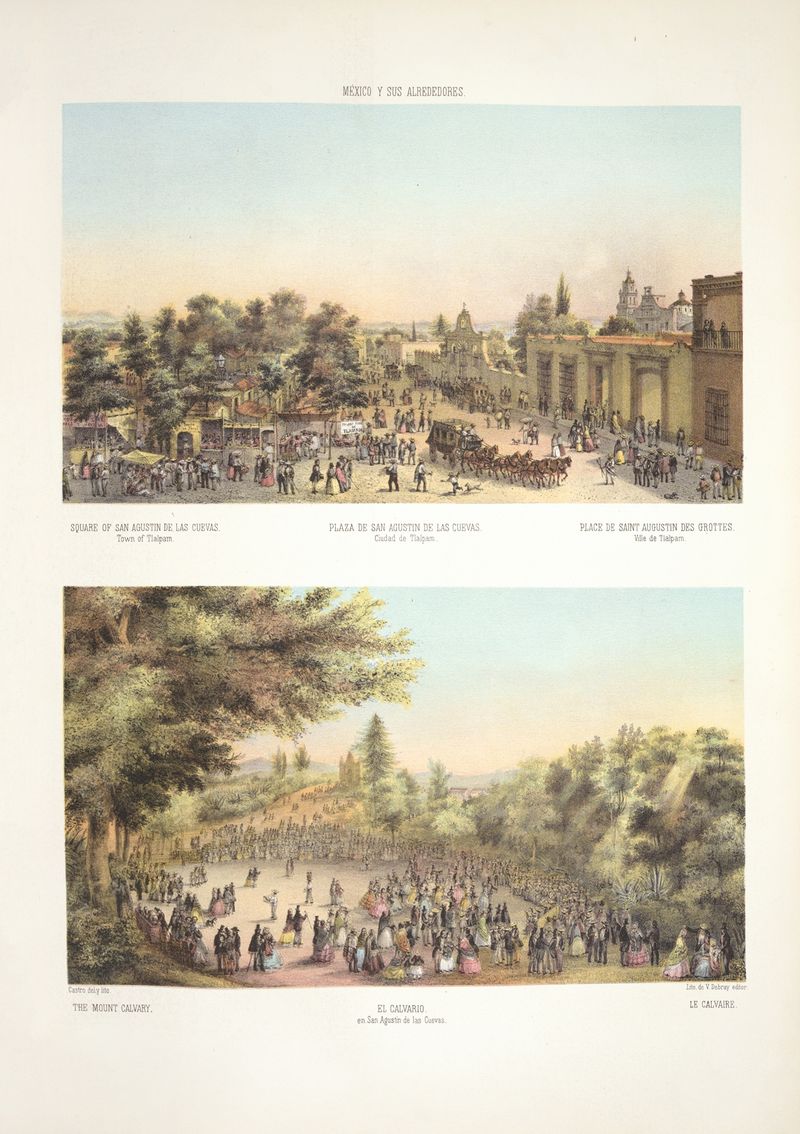
Square of San Agustin de las Cuevas, town of Tlalpam ; The Mount Calvary.
C. Castro





