
The Canal du Loing at Moret — History & Facts
A row of slender trees, their trunks pale and almost transparent, slices the canvas with a rhythm that feels both accidental and carefully orchestrated. Your eye is drawn first to the gentle bend of the canal, its calm water mirroring the sky and the ghostly trees. The buildings across the water are modest, their white walls catching the thin light of a cool day; a few small figures linger at the water’s edge, their presence almost an afterthought in this quietly expansive scene.
The palette is restrained—soft blues, greens, and earthy browns—setting a mood of early spring or late autumn, when the world is stripped back to essentials and the air is full of possibility. Painted in 1892, The Canal du Loing at Moret belongs to a moment when artists like Alfred Sisley turned their attention to the shifting effects of light and atmosphere in the French countryside. This kind of landscape, painted directly from life, was not made for grand salons or aristocratic patrons, but for a new audience eager to see the world as it truly appeared—fleeting, ordinary, and beautiful in its quiet moments. The work is now part of the Google Arts & Culture collection, a reminder that history has kept few traces of some pictures except for the light they still seem to hold.
Let your gaze wander along the canal’s edge, and notice how the brushwork itself seems to breathe.
More Artworks by Alfred Sisley
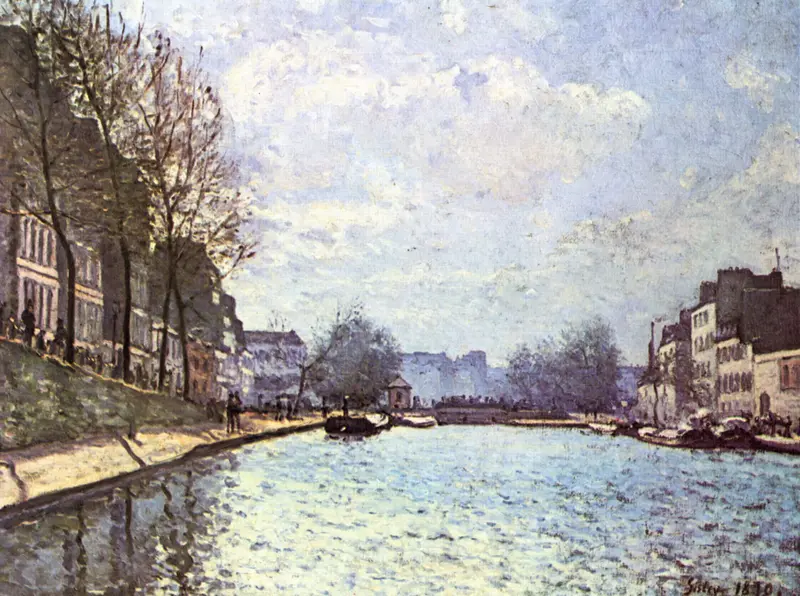
View of the Canal Saint-Martin
Alfred Sisley

Le Loing à Saint-Mammès
Alfred Sisley
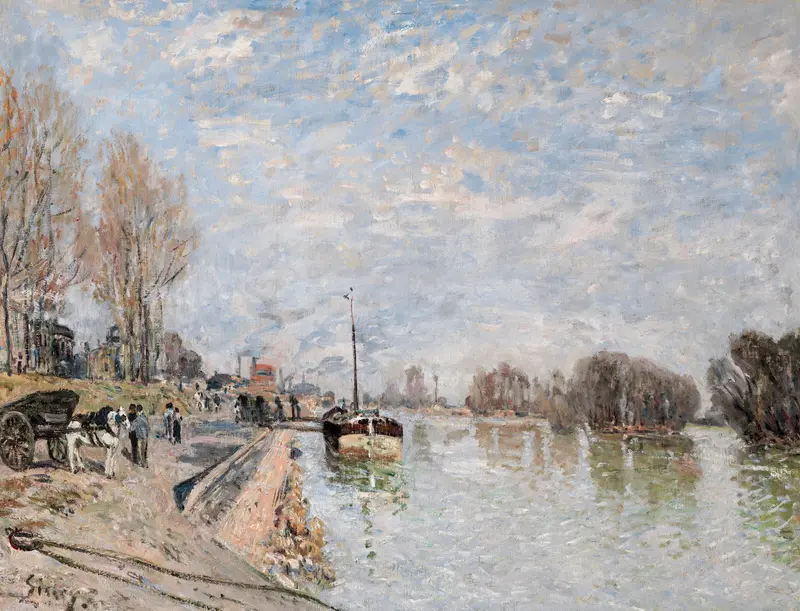
La Seine à Suresnes
Alfred Sisley
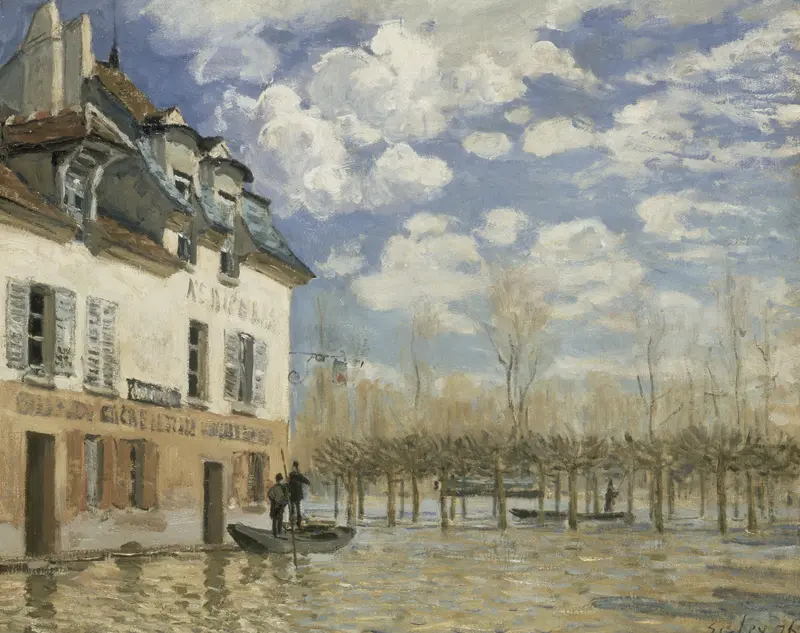
Boat in the Flood at Port Marly
Alfred Sisley
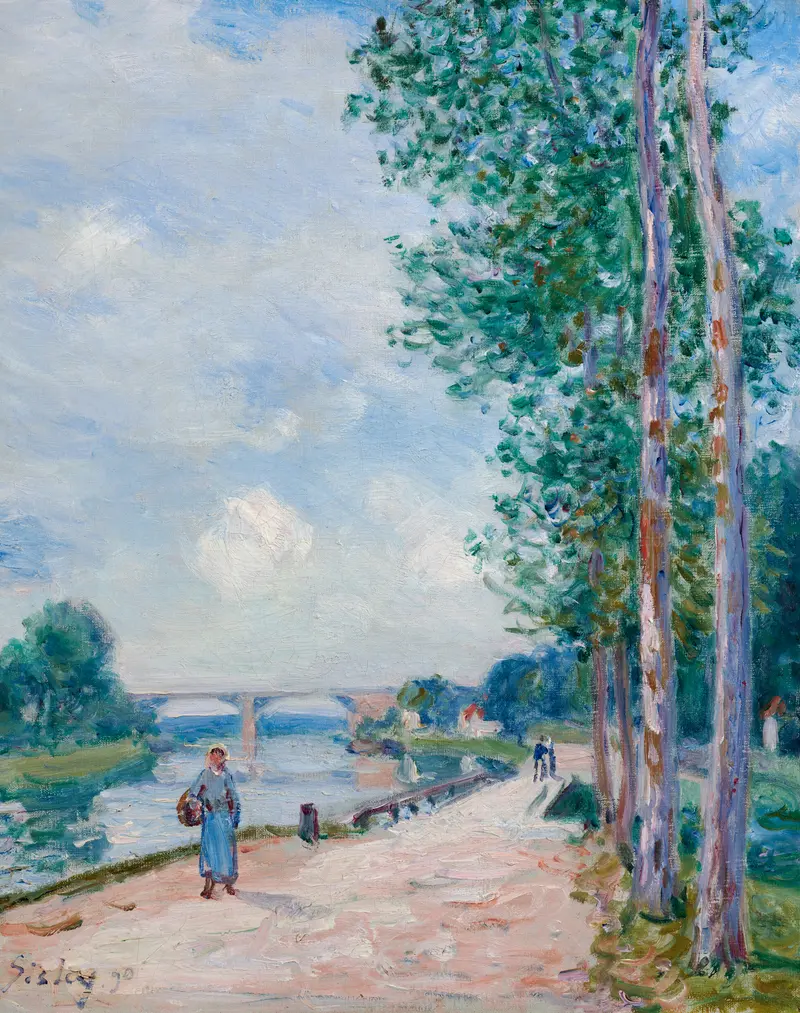
Les bords du Loing près de Moret
Alfred Sisley
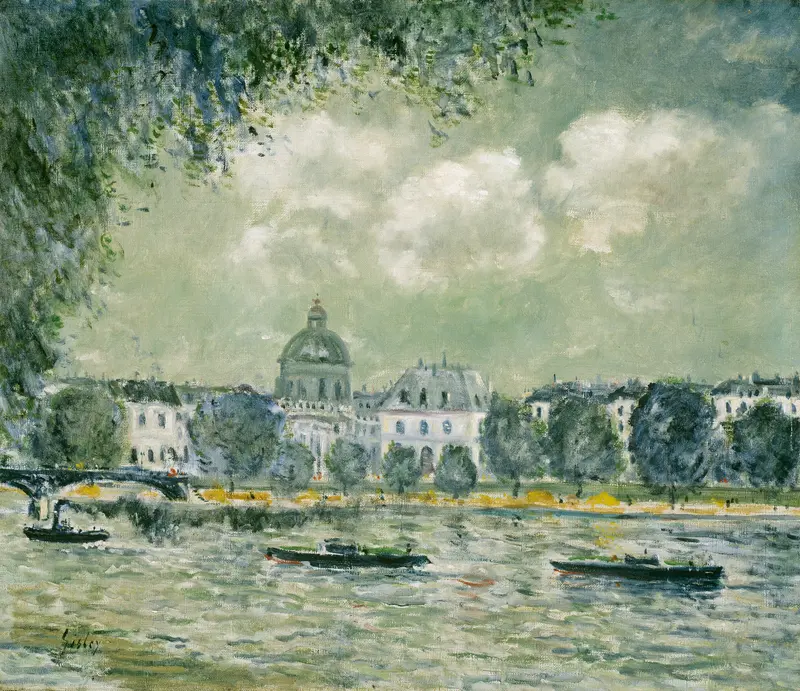
Landscape along the Seine with the Institut de France and the Pont des Arts
Alfred Sisley

Printemps au bord du Loing
Alfred Sisley
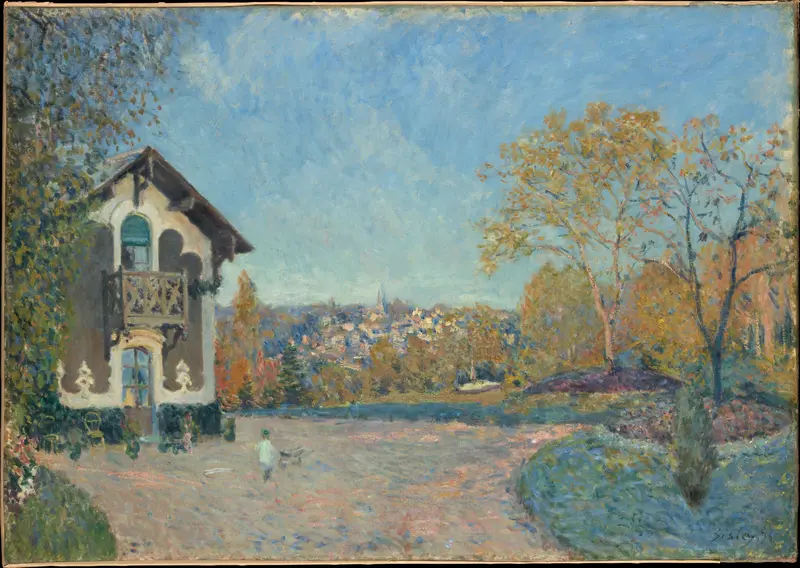
View of Marly-le-Roi from Coeur-Volant
Alfred Sisley
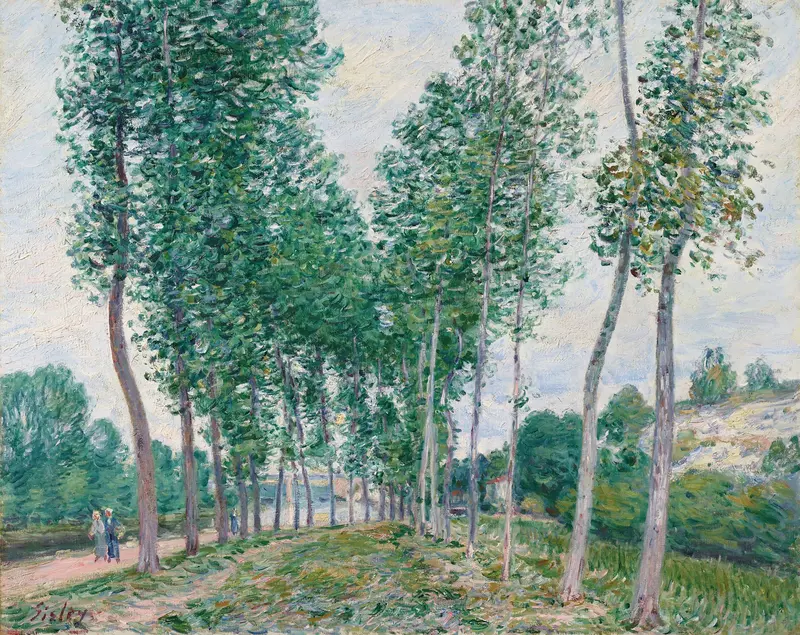
L’allée des peupliers au bord du Loing
Alfred Sisley
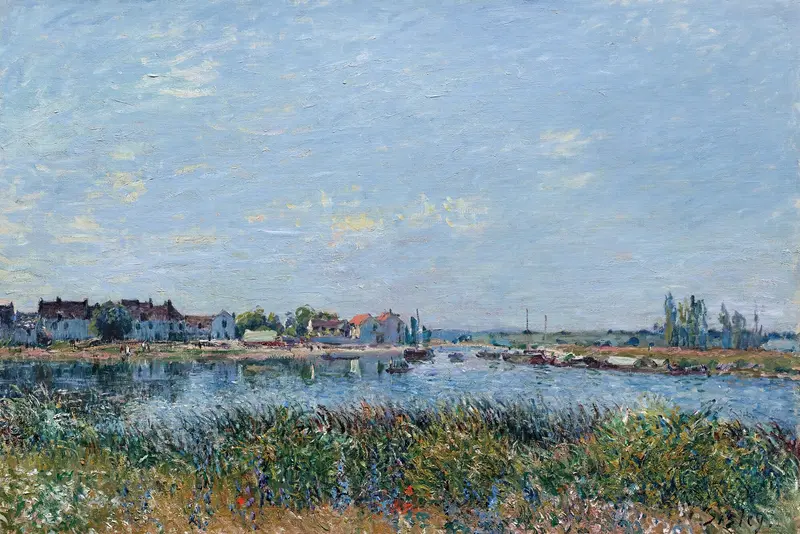
Saint-Mammès, Le Matin
Alfred Sisley
More Landscape Art

The Starry Night
Vincent van Gogh

View of Delft
Johannes Vermeer

Water Lilies
Claude Monet

The Grand Canal, Venice, looking north-west from the Ca' Corner to the Ca' Contarini degli Scrigni, with the campanile of Santa Maria della Carità
Canaletto

Windsor Castle
Canaletto

The Grand Canal looking North-East from the Palazzo Dolfin-Manin to the Rialto Bridge
Canaletto