The Canyon — History & Facts
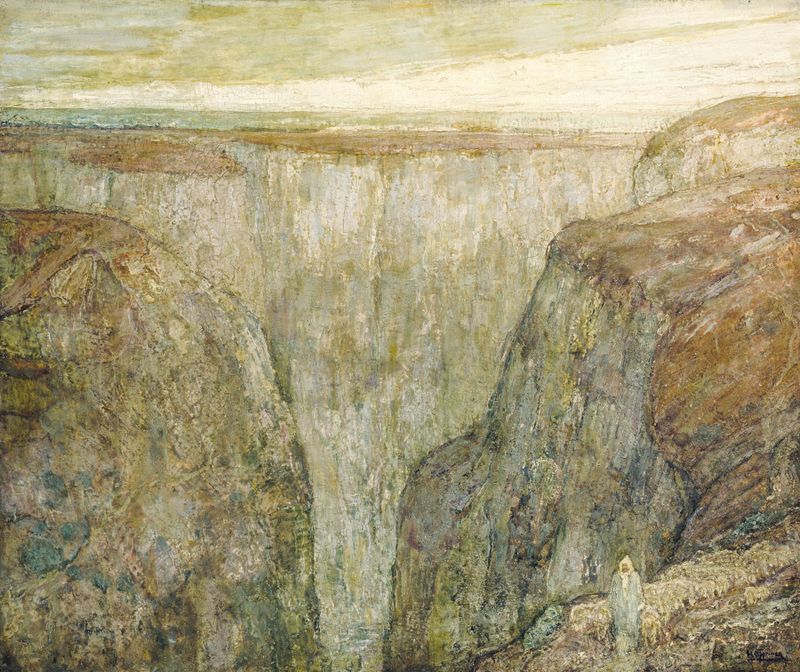
Who listens when art speaks of silence? The absence of sound in The Canyon speaks volumes, inviting us into an introspective realm where shadows carry untold stories. Look closely at the interplay of light and dark; the vast expanse of the canyon stretches across the canvas, almost swallowing the horizon. Notice how the soft hues of ochre and muted blues blend seamlessly, creating a sense of depth and allure. The layers of rock emerge from the darkness, etched with delicate strokes that capture the rugged texture of the landscape, while the subtle gradient toward the sky beckons the viewer’s gaze upward, evoking both awe and tranquility. Within this serene setting lies a poignant contrast between grandeur and solitude.
The looming shadows in the canyon create a sense of mystery, suggesting the weight of history and the passage of time. This visual silence reflects an emotional depth, a reminder of both the beauty and isolation inherent in nature. The shadows are not just voids; they are vessels of memory, inviting contemplation of what lies unseen. Henry Ossawa Tanner created this work during a period marked by personal struggles and a quest for artistic authenticity.
Despite his success as an African American artist in the late 19th and early 20th centuries, he often faced societal challenges. This painting, representative of his exploration of light and shadow, embodies his search for a voice in an art world that was often unwelcoming, capturing the tension between existence and absence that resonates through his oeuvre.
More Artworks by Henry Ossawa Tanner
Browse all →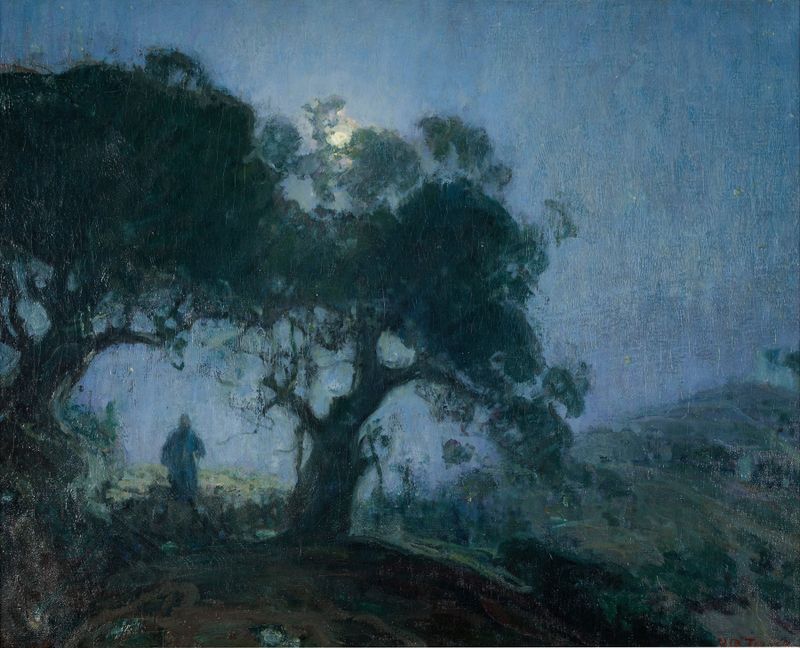
The Good Shepherd
Henry Ossawa Tanner
The Good Shepherd (Atlas Mountains, Morocco)
Henry Ossawa Tanner
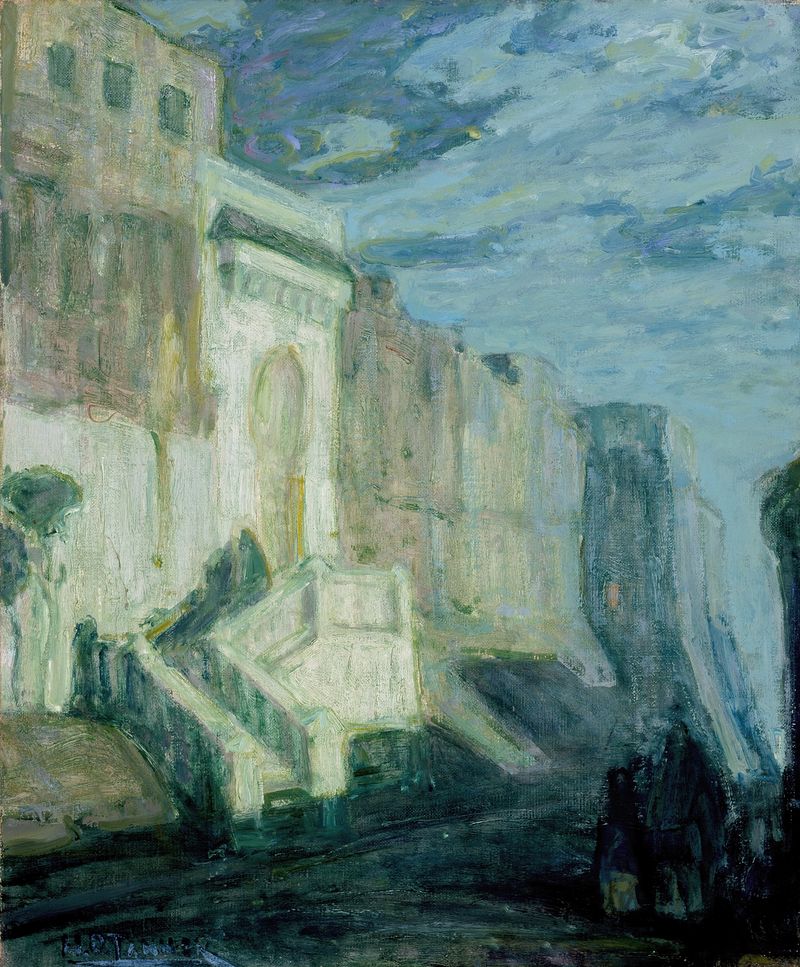
Moonlight; Walls of Tangiers
Henry Ossawa Tanner
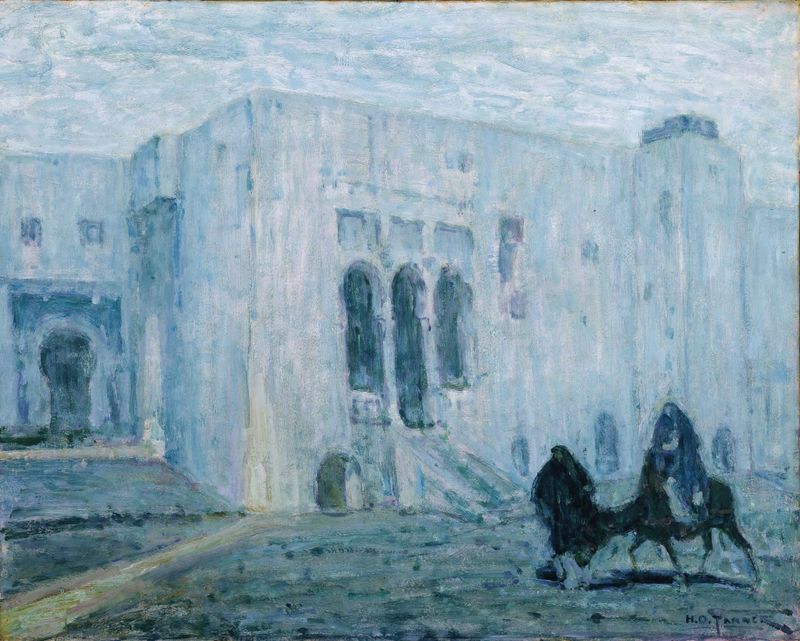
Palace of Justice, Tangier
Henry Ossawa Tanner
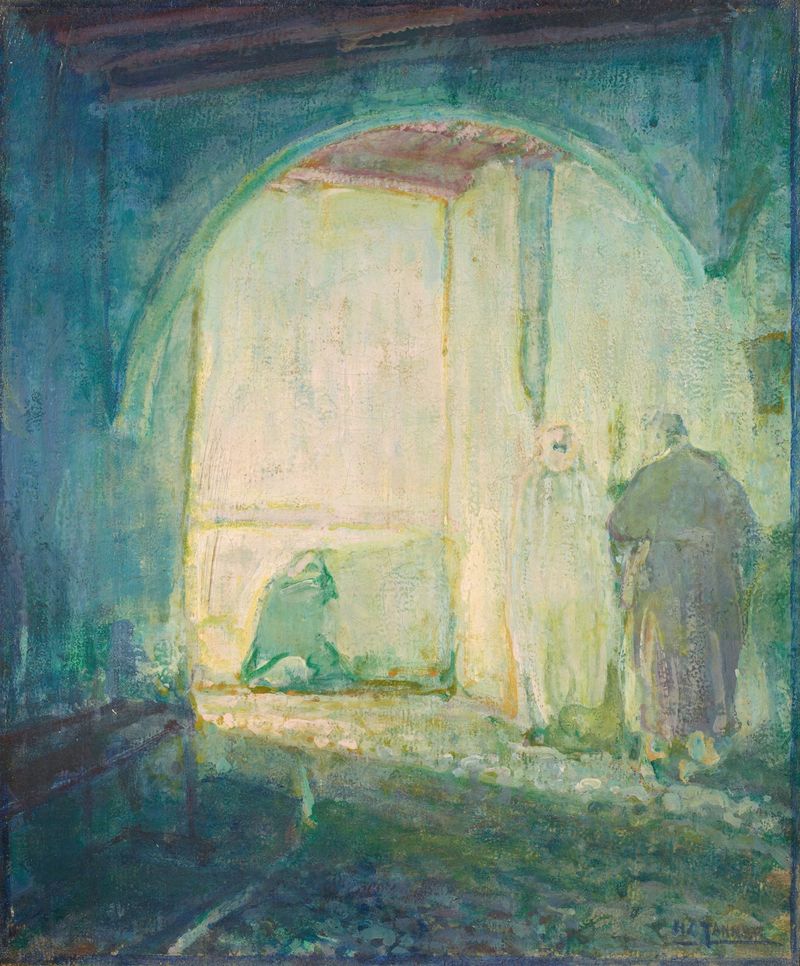
Moroccan Scene
Henry Ossawa Tanner
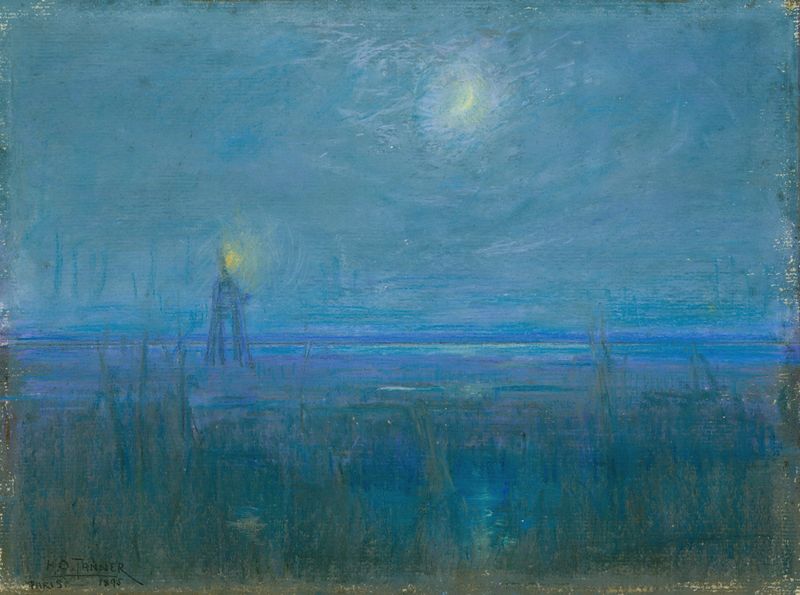
Marshes In New Jersey
Henry Ossawa Tanner
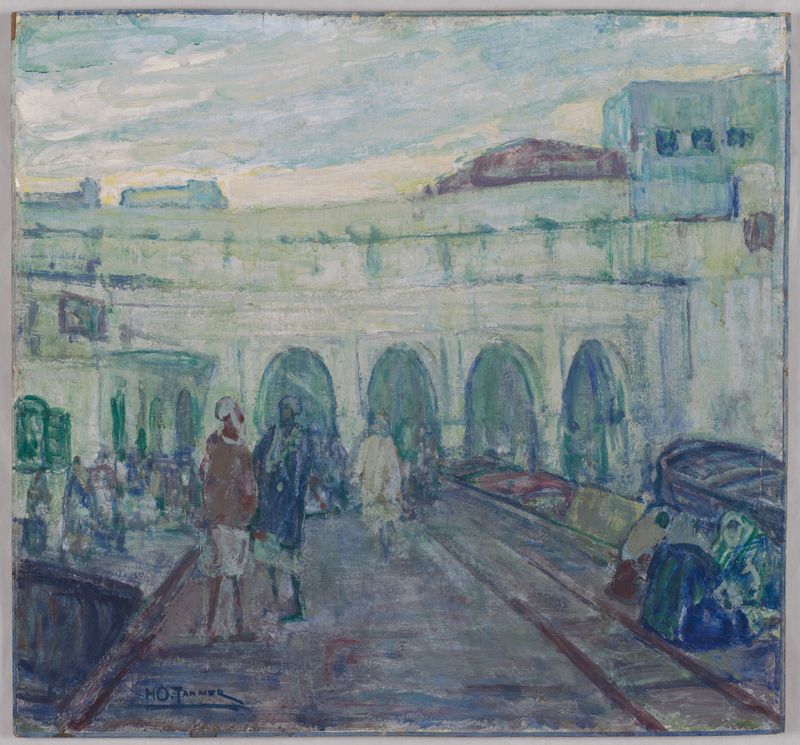
Port of Tangiers (Entrance to the Customs House)
Henry Ossawa Tanner
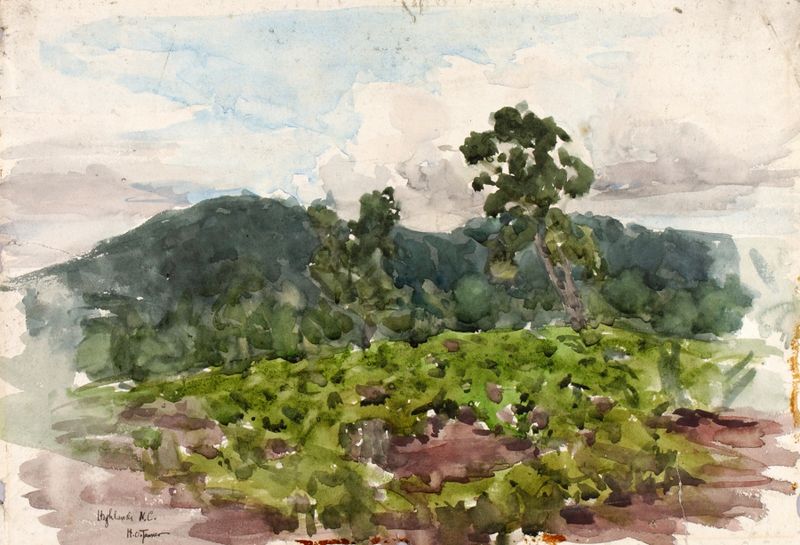
Highlands, N.C.
Henry Ossawa Tanner
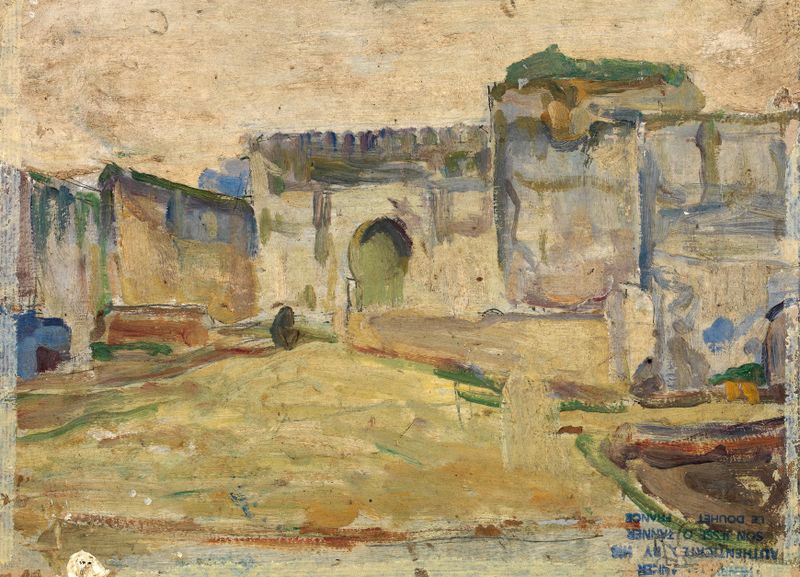
Street Scene, Tangier (Crenelated Architecture)
Henry Ossawa Tanner
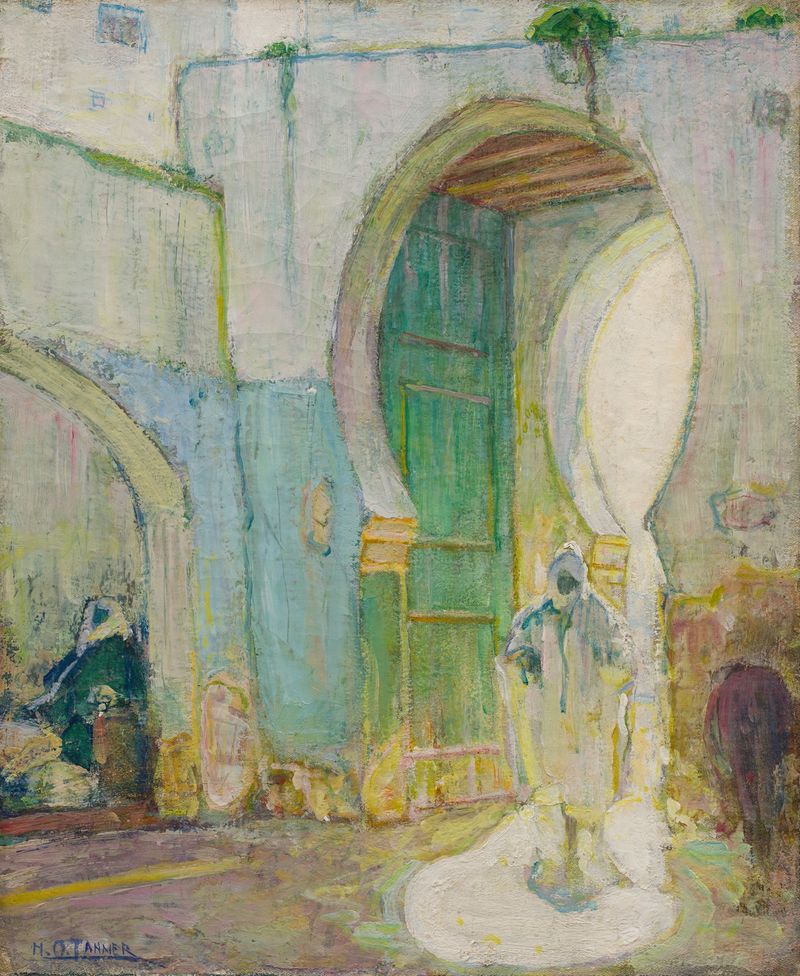
Gateway, Tangier
Henry Ossawa Tanner