
The card player — History & Facts
Could beauty survive in a century of chaos? Look to the left at the central figures locked in concentration, their faces illuminated by a warm, golden light that spills forth from an unseen source. The deep shadows envelop the corners of the canvas, creating a stark contrast that heightens the intimacy of the moment. Notice how the players’ hands, deftly maneuvering the cards, capture a sense of camaraderie and competition, the texture of their worn garments rendered in rich browns and deep reds that ground them in their humble surroundings. As your gaze lingers, you may perceive a deeper tension within this seemingly simple game.
The watchful eyes of the spectator in the background add a layer of intrigue, suggesting the stakes are higher than mere entertainment. The chiaroscuro technique emphasizes the emotional weight of the scene, where joy and tension coexist, offering a glimpse into the human condition—vulnerability caught in the delicate balance of trust and deception. In 1641, Rembrandt painted this work during a period marked by personal and societal upheaval. Living in Amsterdam, he was navigating the challenges of burgeoning fame while grappling with financial instability and the complexities of human relationships.
The world around him was rife with conflict, yet he turned his brush toward the intimate sphere of shared moments, capturing the essence of people drawn together amidst the chaos of life.
More Artworks by Rembrandt van Rijn
Browse all →
The Night Watch Militia Company of District II under the Command of Captain Frans Banninck Cocq
Rembrandt van Rijn

The Return of the Prodigal Son
Rembrandt van Rijn

The Hundred Guilder Print: the figures leaning on the wall in the centre left
Rembrandt van Rijn

The Hundred Guilder Print: the central piece with Christ preaching, the plate arched
Rembrandt van Rijn

Isaac and Rebecca, Known as ‘The Jewish Bride’
Rembrandt van Rijn
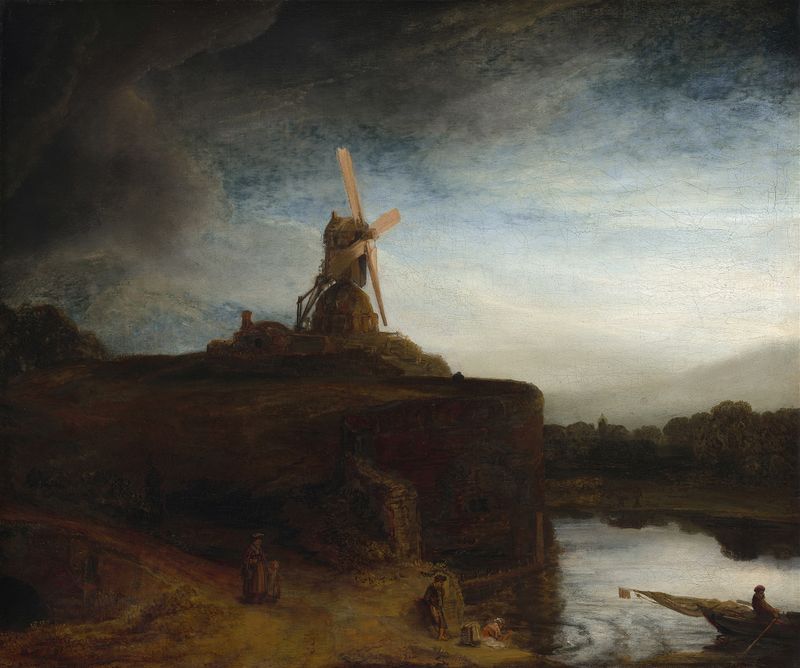
The Mill
Rembrandt van Rijn

The Sampling Officials of the Amsterdam Drapers’ Guild, Known as ‘The Syndics’
Rembrandt van Rijn

The return of the prodigal son
Rembrandt van Rijn
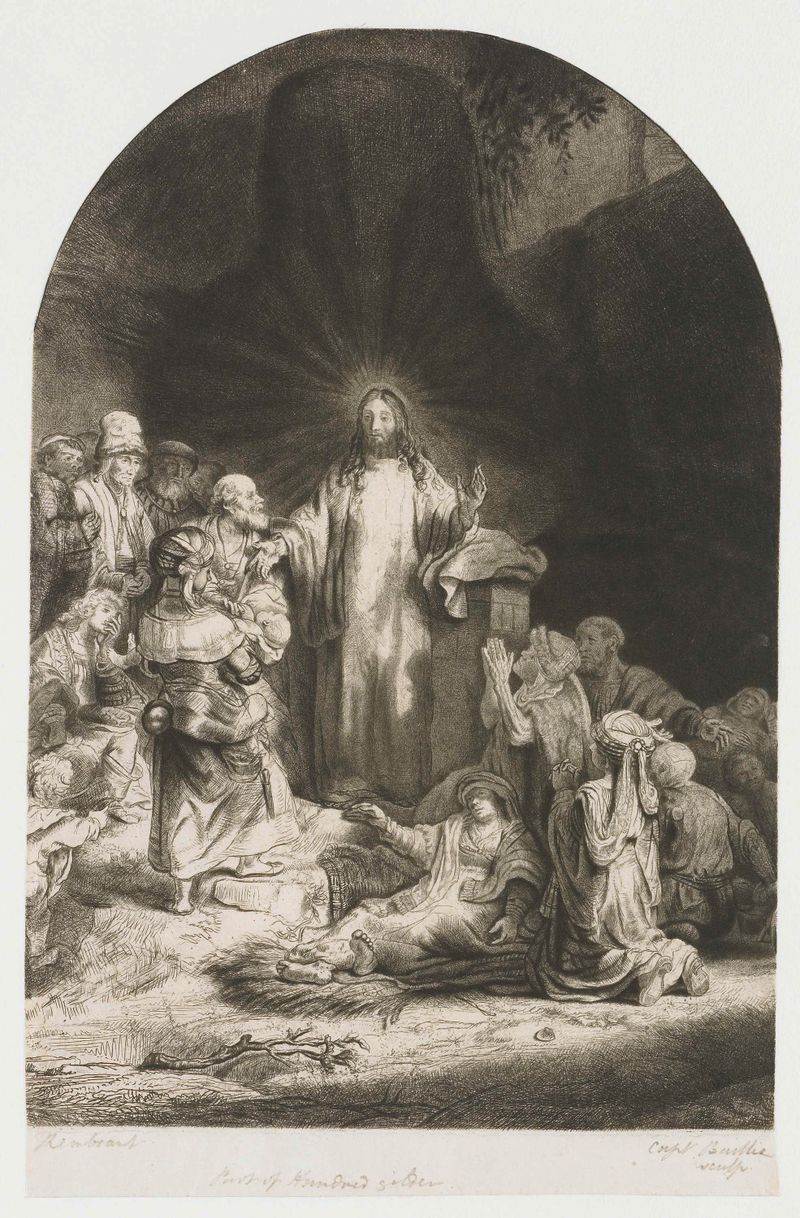
The Hundred Guilder Print: the central piece with Christ preaching, the plate arched
Rembrandt van Rijn

The Hundred Guilder Print: the man seen on the back in the lower left corner
Rembrandt van Rijn





