
The Castle Ruin at Tharandt — History & Facts
What if beauty was never meant to be finished? The notion lingers in the air of The Castle Ruin at Tharandt, where melancholy intertwines with the remnants of grandeur, inviting the viewer to contemplate the passage of time and the stories left untold. Look to the center of the composition, where the weathered stones of the castle rise defiantly against the backdrop of a soft, luminous sky. The warm hues of ochre and gold contrast sharply with the cool blues and greys of the surrounding landscape, drawing your eye into the heart of the ruin. Dahl's delicate brushwork captures the texture of the crumbling walls, while the dappled light filters through the trees, creating a wistful ambiance that envelops the scene. Within this landscape lies an emotional tension; the castle, once a bastion of power and life, now stands as a silent testament to impermanence.
The juxtaposition of nature creeping into the architecture suggests a reclaiming, a reminder that even the most formidable structures succumb to time. The scattered foliage and wildflowers weave a hopeful narrative through the desolation, hinting at the beauty that persists in decay and loss. Created in 1819, this painting emerged during a period when Dahl was deeply influenced by the Romantic movement, which emphasized emotion and the sublime qualities of nature. Working in Germany, he sought to capture the essence of his surroundings while exploring themes of nostalgia.
It was a moment in art history marked by a yearning for connection to the past, paving the way for a profound exploration of humanity’s relationship with the ephemeral beauty of the world.
More Artworks by Johan Christian Dahl
Browse all →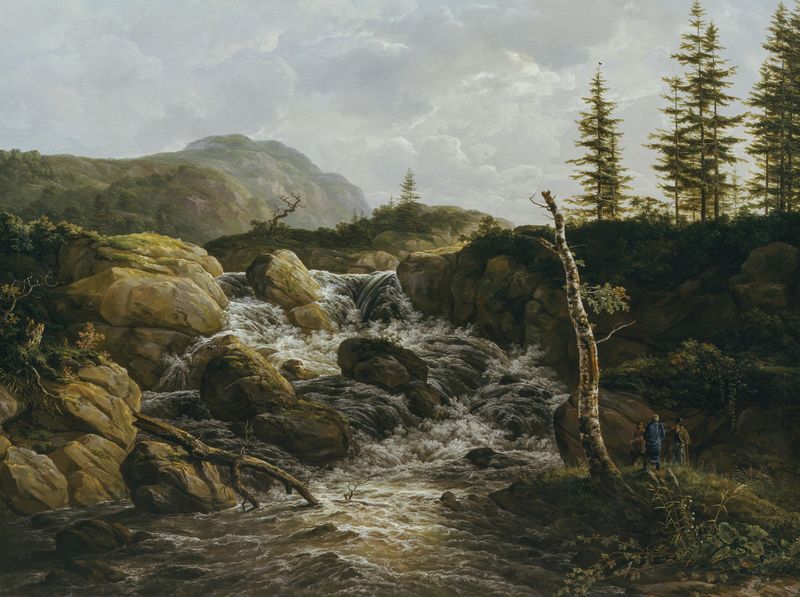
Mountainous Landscape with a Waterfall, Norway
Johan Christian Dahl
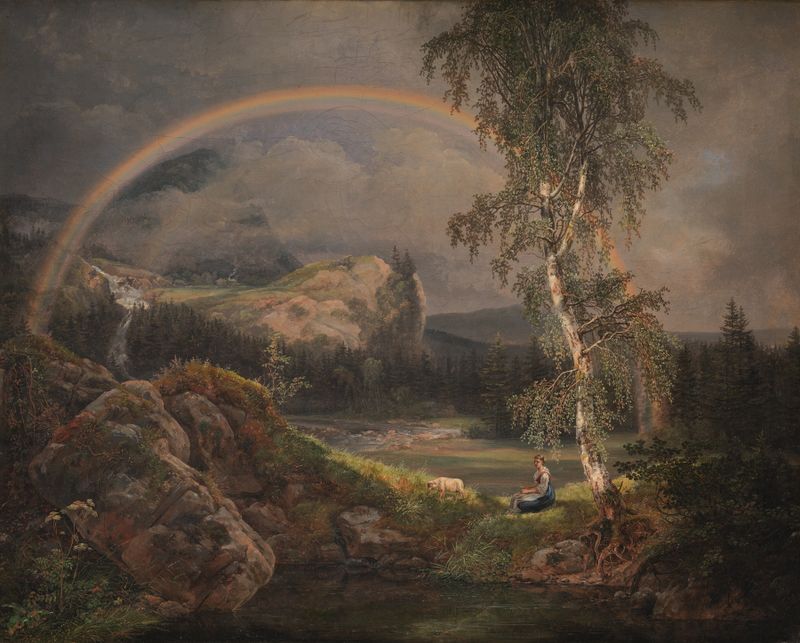
Norwegian Landscape with a Rainbow
Johan Christian Dahl
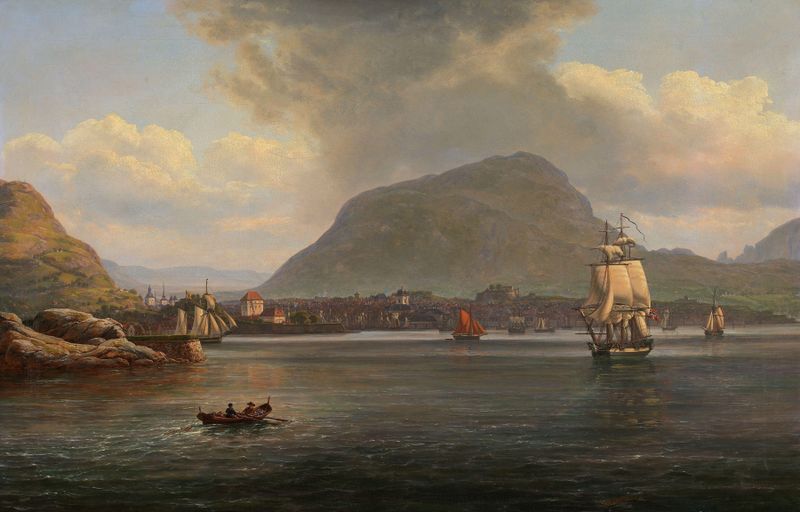
Bergen seen from the northern Inlet
Johan Christian Dahl
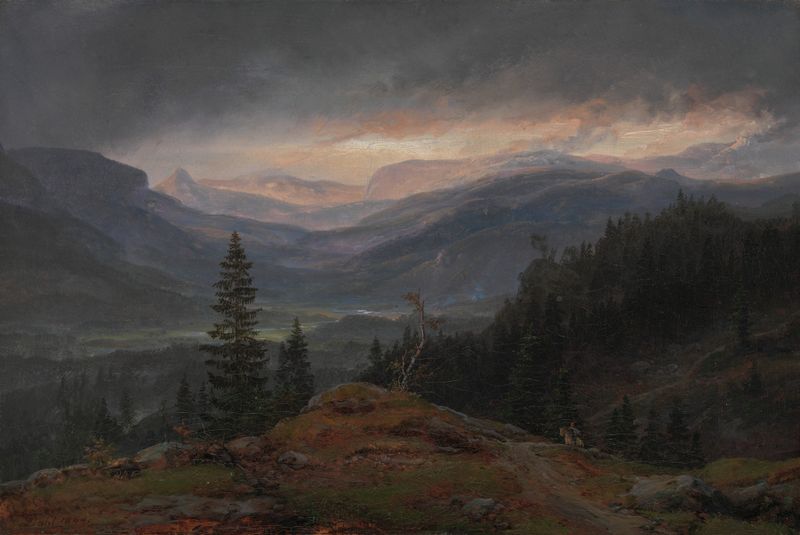
View over Hallingdal
Johan Christian Dahl
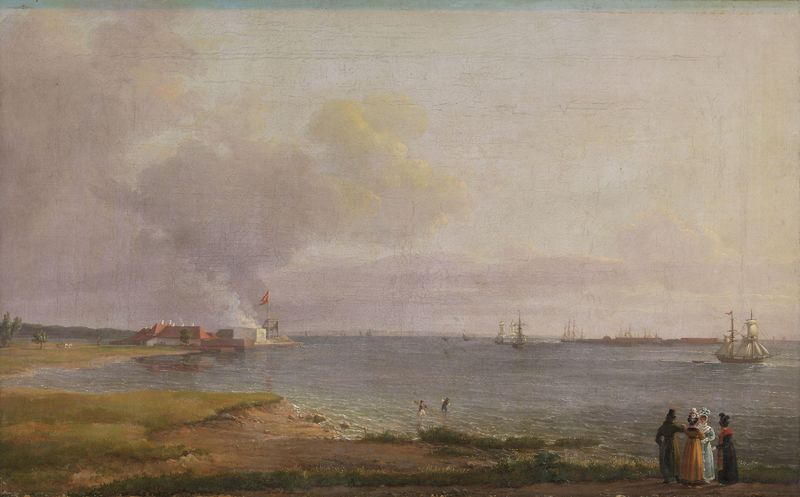
View over Øresund near the Lime Works
Johan Christian Dahl
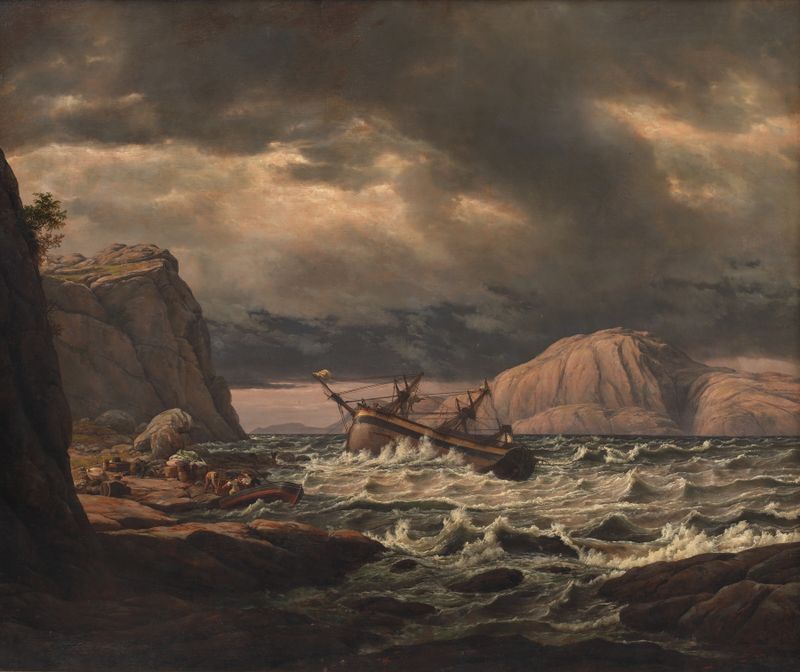
A Shipwreck on the Coast of Norway
Johan Christian Dahl
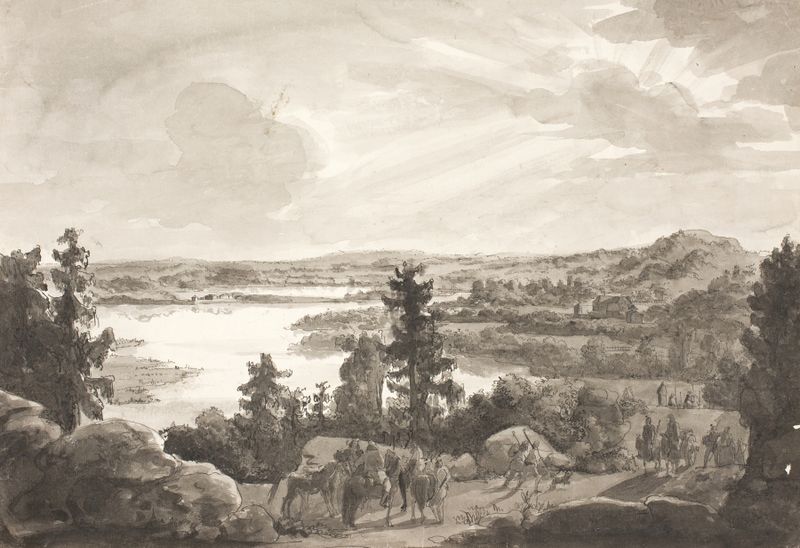
View of a Lake, Norway
Johan Christian Dahl
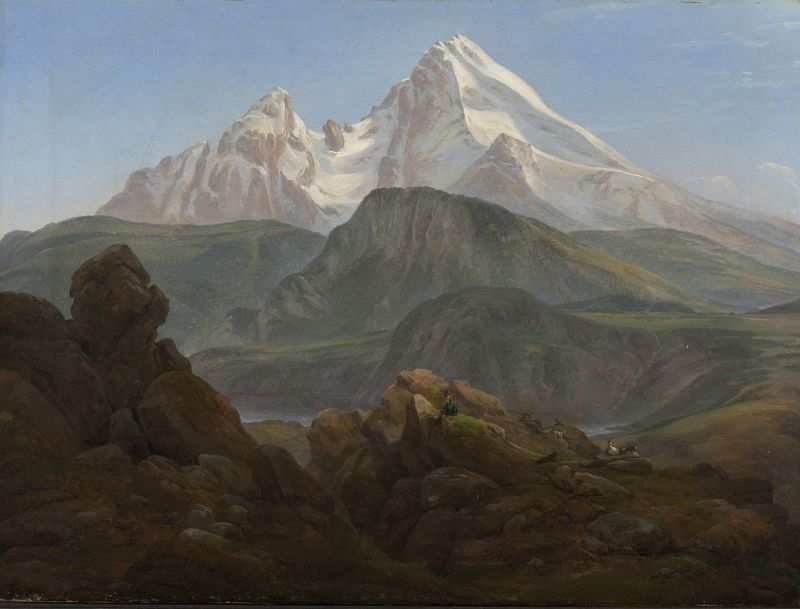
The Watzmann
Johan Christian Dahl
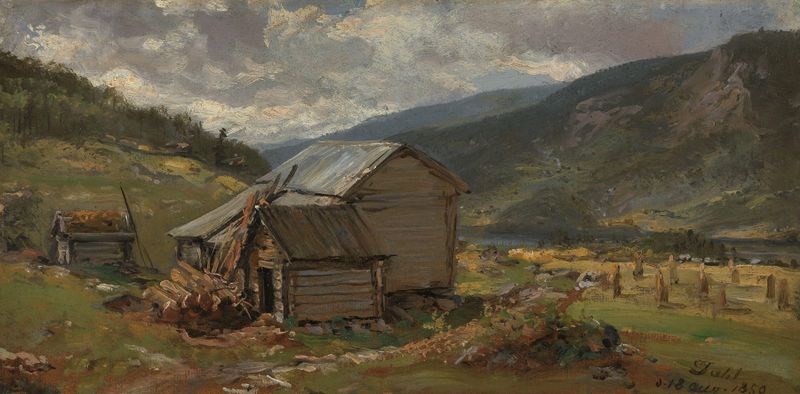
View of Hjelle in Valdres
Johan Christian Dahl

View At Skjolden In Lyster
Johan Christian Dahl





