
The Cemetery at Baden-Baden — History & Facts
Did the painter know this moment would outlive them? In The Cemetery at Baden-Baden, a haunting stillness envelops the canvas, inviting us to ponder the echoes of lives once lived. The subtle interplay of light and shadow captures a poignant nostalgia, a reminder of the delicate balance between existence and oblivion. Look to the left at the stone wall, its weathered surface suggesting years of whispers exchanged in hushed reverence. The muted greens and browns of the surrounding trees lend a comforting intimacy to the scene, while the soft light filtering through the branches creates a contemplative atmosphere.
Notice how the figures, small and almost ghostly in the distance, stand silently amid the graves—each one a memory, a life, a story waiting to be remembered. Within this tranquil yet somber composition lies a juxtaposition of life and decay. The gravestones, some beautifully ornate, others crumbling, represent the inevitable passage of time, while the vibrant foliage hints at nature's resilience in the face of mortality. Each element composes a narrative where sorrow intertwines with reverence, invoking an emotional resonance that transcends mere representation. In 1855, while creating this work, Dubourcq found himself amidst a rapidly evolving art scene, marked by the rise of Realism and the exploration of personal and collective memory.
Working in Europe, he engaged with themes of human experience against a backdrop of both celebration and loss, reflecting a society grappling with its own historical context—where the beauty of life was often overshadowed by the inevitability of death.
More Artworks by Pierre Louis Dubourcq
Browse all →
Een wijngaard bij Olevano
Pierre Louis Dubourcq
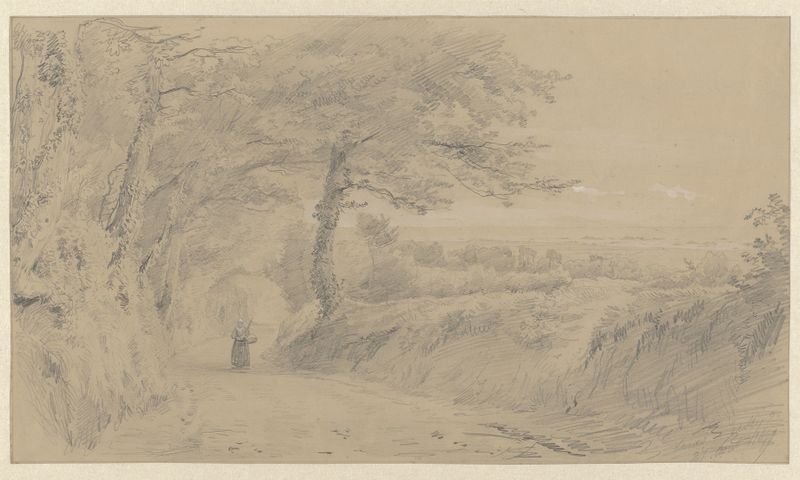
Landschap op Jersey
Pierre Louis Dubourcq

De tempel van Neptunus, Paestum
Pierre Louis Dubourcq
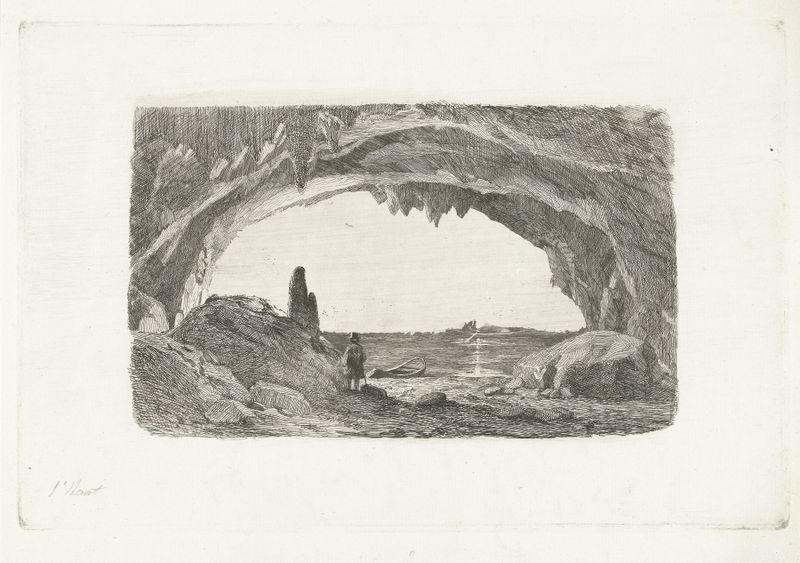
Man met roeiboot in de grotten van Han
Pierre Louis Dubourcq
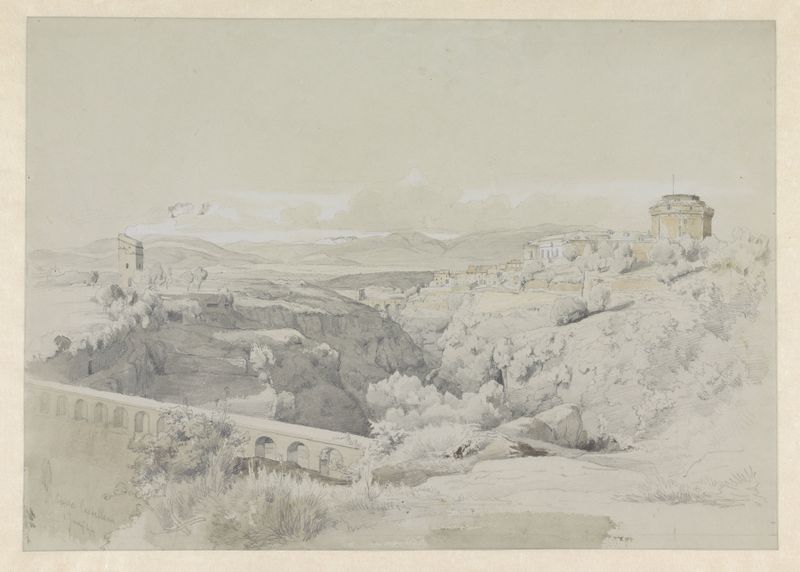
Gezicht op Civita Castellana
Pierre Louis Dubourcq

Paard en wagen op een weg
Pierre Louis Dubourcq
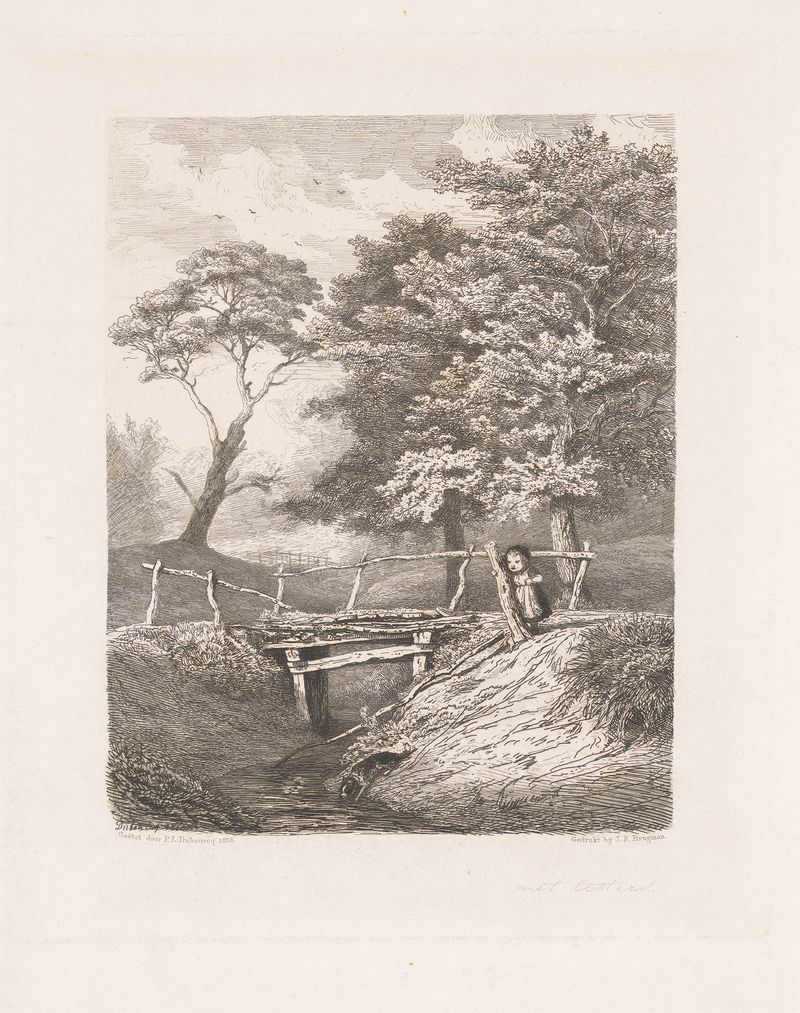
Meisje met hond bij houten brug
Pierre Louis Dubourcq

Kustlandschap te Granville
Pierre Louis Dubourcq

View of Castle Gerone on the island Ischia
Pierre Louis Dubourcq

De rivier de Nera bij Narni
Pierre Louis Dubourcq





