
The Cemetery by the Canal — History & Facts
In the stillness of a cemetery, hope lingers like a whisper among the tombstones, waiting to be discovered. Look to the left at the somber gravestones, meticulously rendered in the soft, muted hues of earth and stone. The cool blues of the canal contrast with the warm browns of the earth, creating a delicate balance that invites contemplation. Notice how the light gently caresses the landscape, illuminating the foliage surrounding the cemetery, as if nature itself seeks to embrace the memories held within.
Each element is thoughtfully positioned, drawing the eye through the serene composition and inviting the viewer to wander deeper into this tranquil scene. Amidst the stillness, there exists a powerful tension between life and death, as the vibrant trees and flowing water frame the solemn resting place. The juxtaposition of the serene canal against the gravestones suggests a passage of time, mirroring the inevitable cycle of existence. Each shadow and highlight serves as a reminder of the intrinsic connection between the living and the departed, hinting at the hope that lives on through memories and legacies. Antonie Waterloo created this evocative work around 1640–1690, during a period marked by the rise of Dutch landscape painting.
Living in the Netherlands, he was influenced by the Baroque emphasis on realism and nature. This piece reflects the changing attitudes towards death and spirituality in his time, as artists began to explore not just the physical but also the emotional landscapes of their subjects.
More Artworks by Antonie Waterloo
Browse all →
Gezicht op het dorp Soest
Antonie Waterloo

Hagar comforted by the Angel
Antonie Waterloo

Waldbach, der über Felsen stürzt, über die eine Holzbrücke führt
Antonie Waterloo
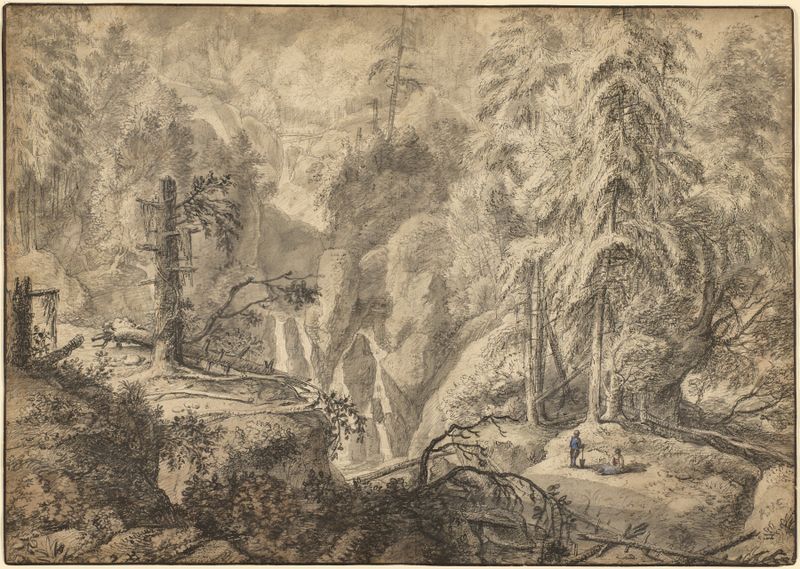
Mountain Landscape, Peasants in a Clearing near a Waterfall
Antonie Waterloo
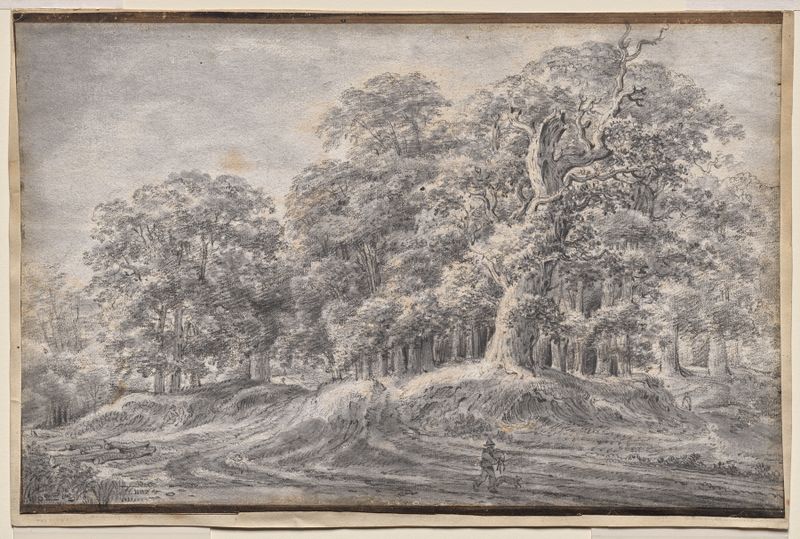
A Track on the Edge of a Wood with a Peasant Carrying Sheep
Antonie Waterloo
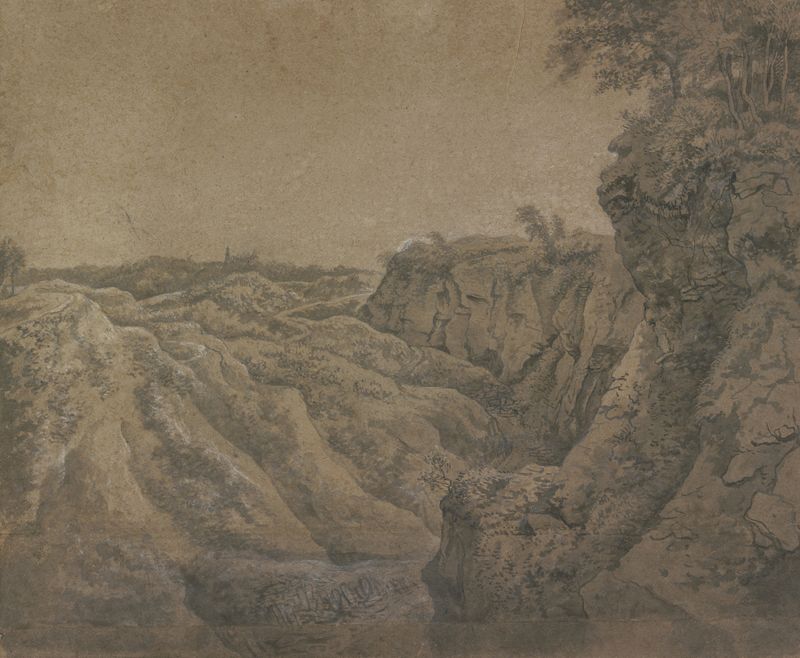
Landscape with a View of Bentheim Castle in the far Distance
Antonie Waterloo
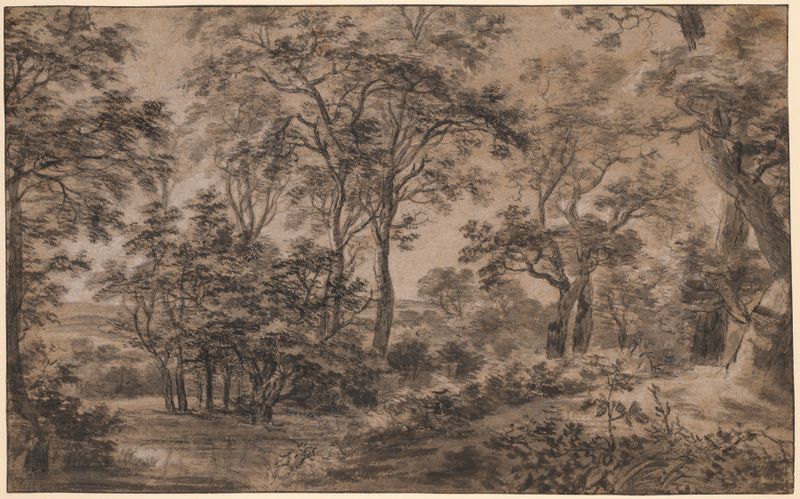
Wooded Landscape
Antonie Waterloo
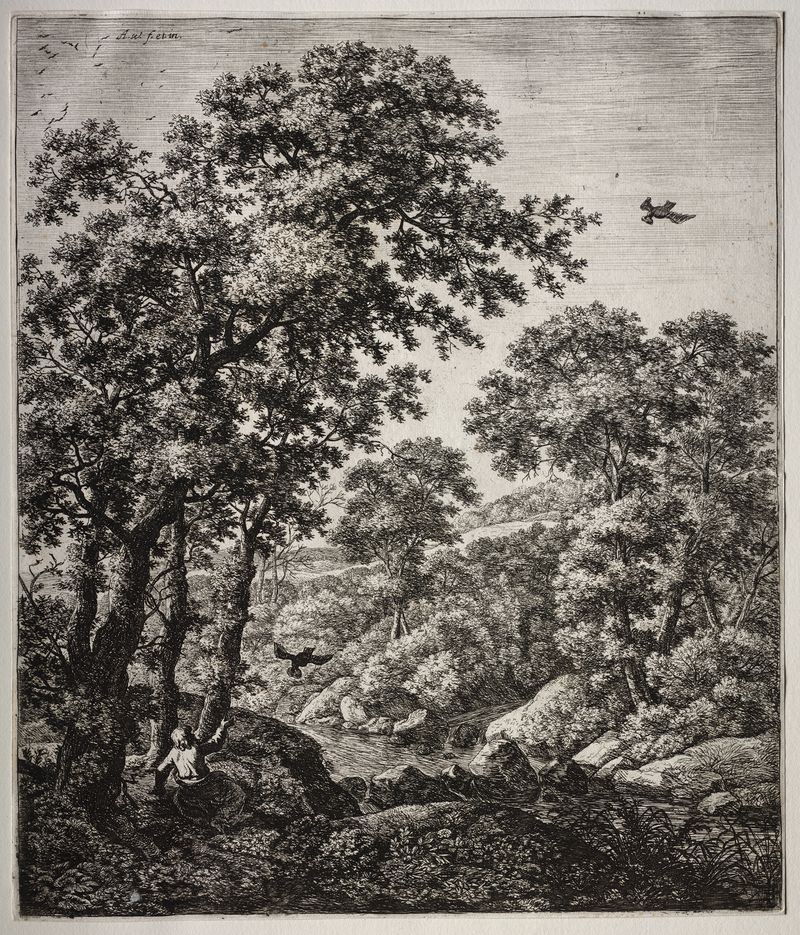
Elijah Fed by the Ravens
Antonie Waterloo
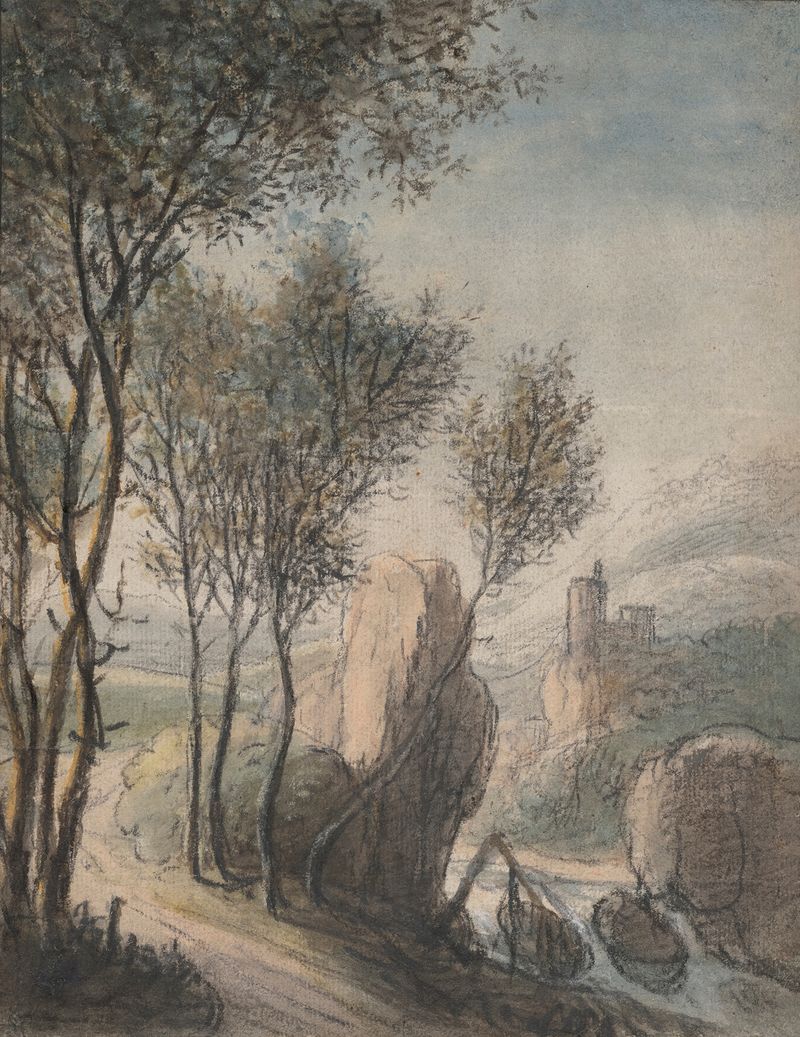
River Landscape with a Castle in the Distance
Antonie Waterloo

Trees and cottages in hilly landscape
Antonie Waterloo





