
The chains by moonlight. — History & Facts
In the stillness of the night, a haunting emptiness emerges, inviting the viewer to contemplate the depths of solitude and entrapment. Look to the center of the canvas where the chains, shimmering under the soft glow of the moonlight, seem almost ethereal. The delicate interplay of light and shadow highlights intricate details in the metal, creating a stark contrast against the darkness surrounding them. Notice how the muted blues and silvers evoke a sense of coldness, amplifying the isolation that pervades the scene, while the subtle brushwork lends an air of fluidity, suggesting that even in confinement, there remains a flicker of life. Delve deeper into the symbolism of the chains.
They represent both bondage and protection, an embodiment of the dual nature of existence—how we bind ourselves to our fears and yet seek security in their grip. The moonlight, a source of illumination, becomes a paradox, revealing the chains in all their beauty yet also calling attention to the emptiness that their presence signifies. The space around them—vast and dark—serves as a reminder of the freedom that remains tantalizingly out of reach. In 1869, C.
Castro, a lesser-known artist, painted this piece during a period of personal struggle and creative exploration. Living in a time marked by social upheaval and artistic transition, Castro sought to express the complexities of human emotion through evocative imagery. His work reflects an engagement with the themes of isolation and the search for meaning, resonating with the broader movements emerging in the art world of the late 19th century.
More Artworks by C. Castro
Browse all →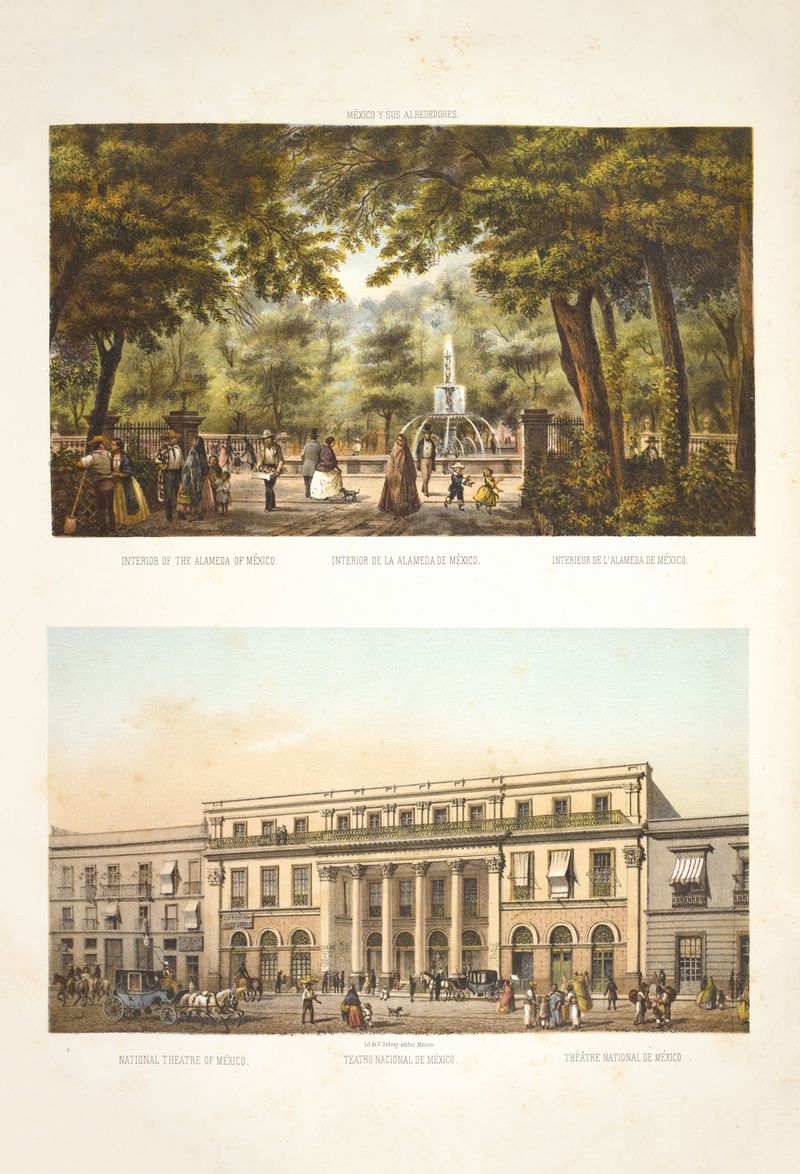
Interior of the Alameda of Mexico ; National Theatre of Mexico.
C. Castro
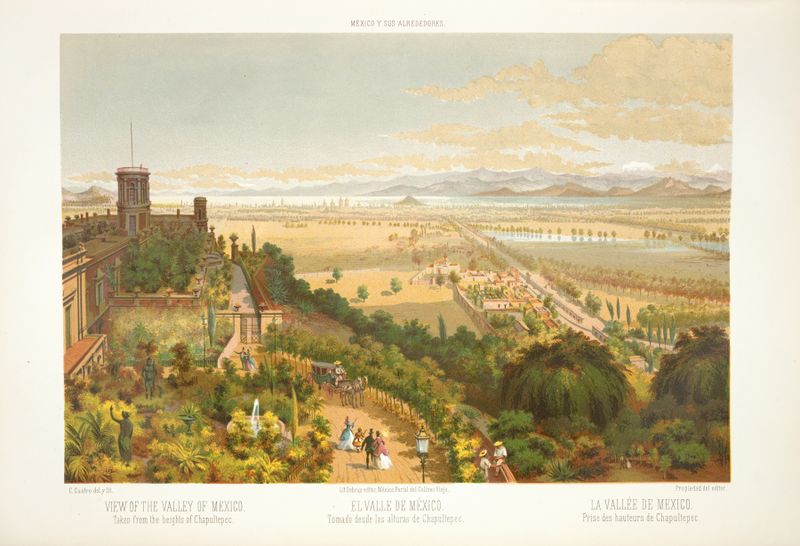
View of the Valley of Mexico, taken from the heights of Chapultepec.
C. Castro
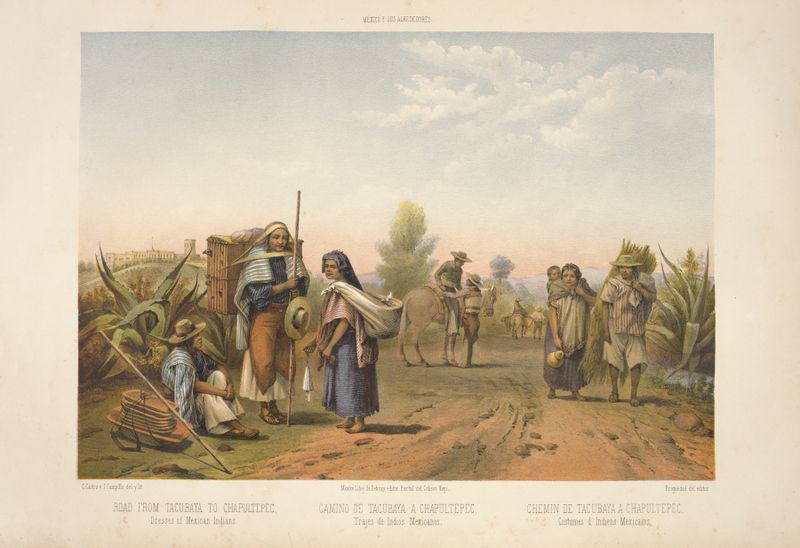
Road from Tacubaya to Chapultepec, dresses of Mexican Indians.
C. Castro
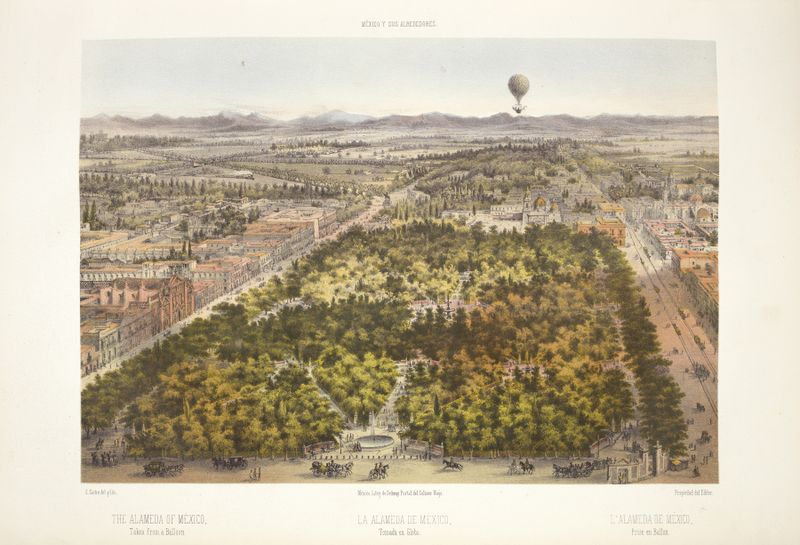
The Alameda of Mexico, taken from a balloon.
C. Castro
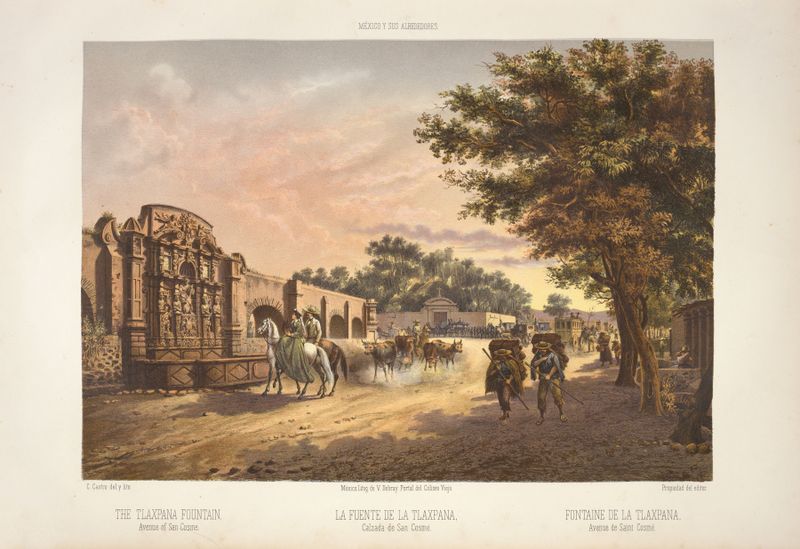
The Tlaxpana fountain, Avenue of San Cosme.
C. Castro
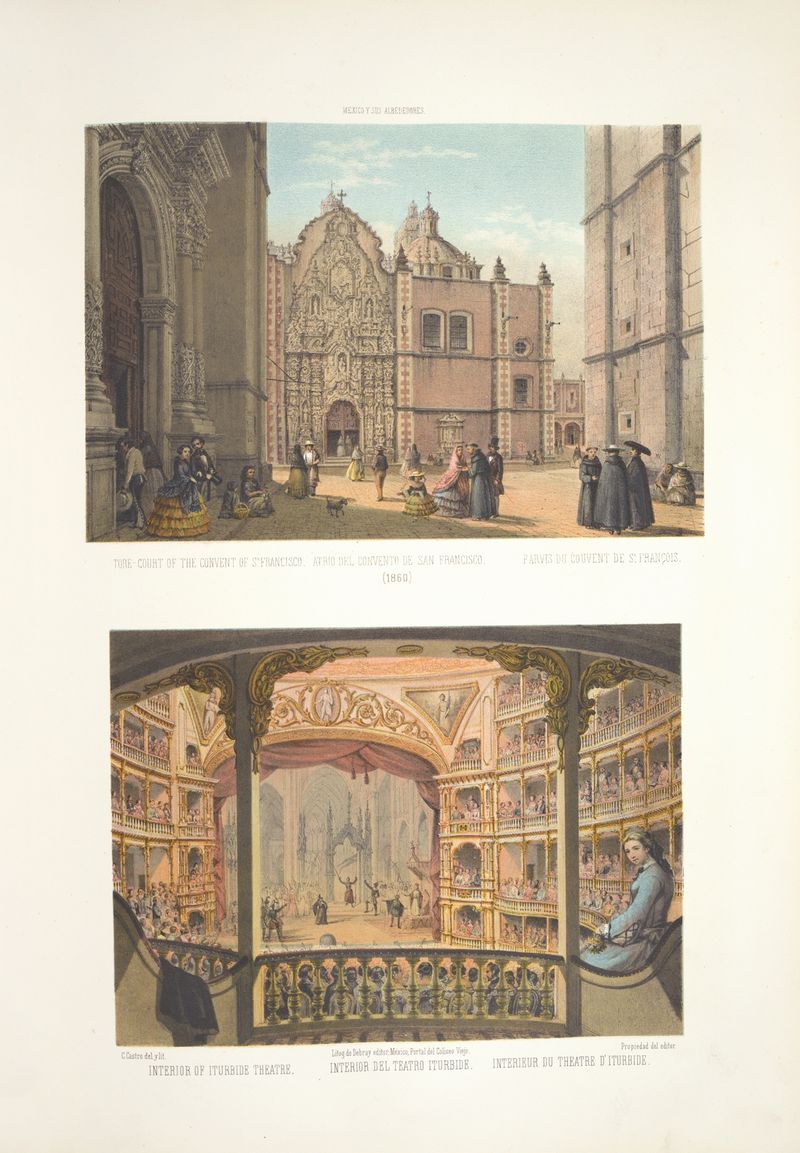
Tore-court of the convent of St. Francisco ; Interior del Teatro Iturbide
C. Castro
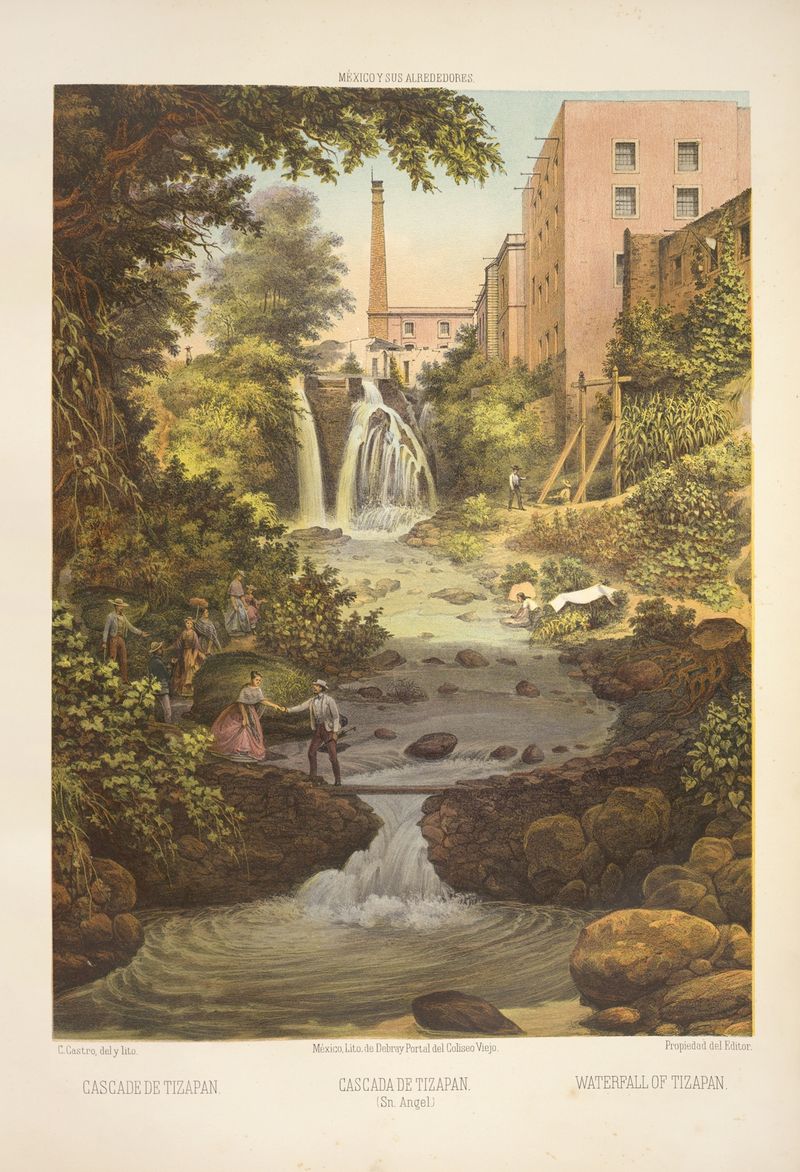
Waterfall of Tizapan
C. Castro
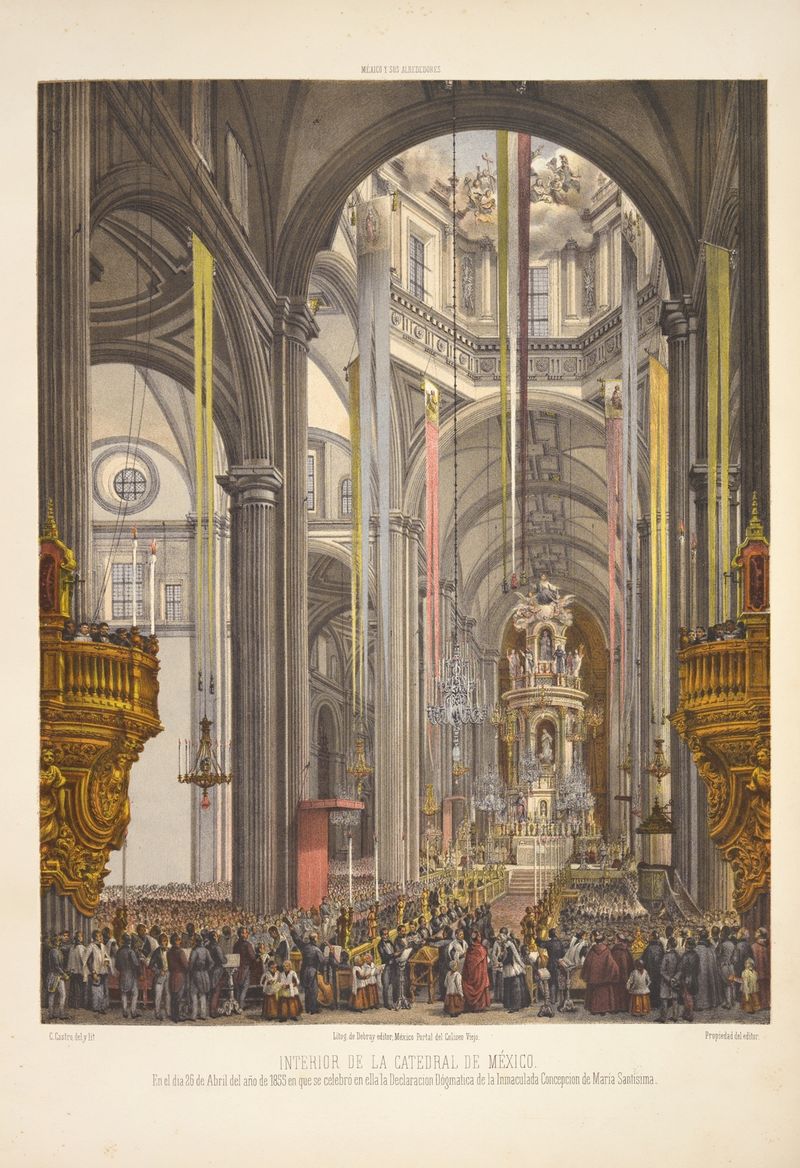
Interior de la Catedral de México. En el dia 26 de Abril del año de 1855 en que se celebró en ella la Declaracion Dógmatica de la Inmaculada Concepcion de María Santisima.
C. Castro
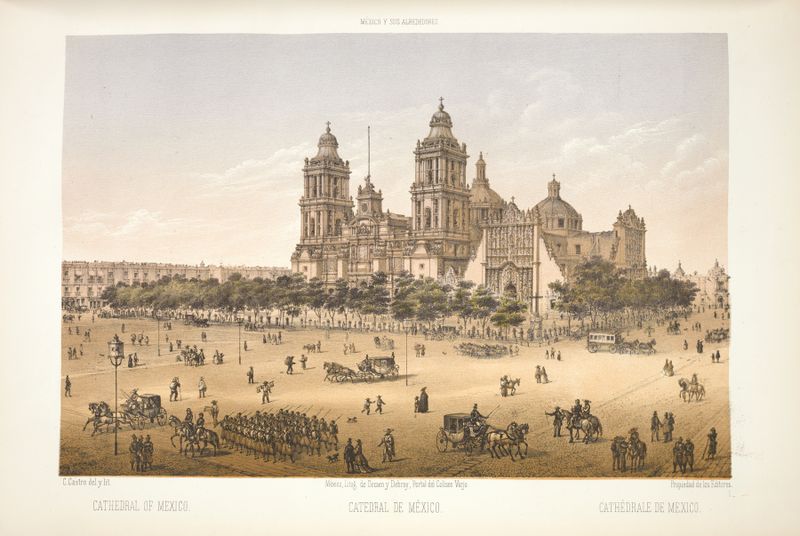
Cathedral of Mexico.
C. Castro
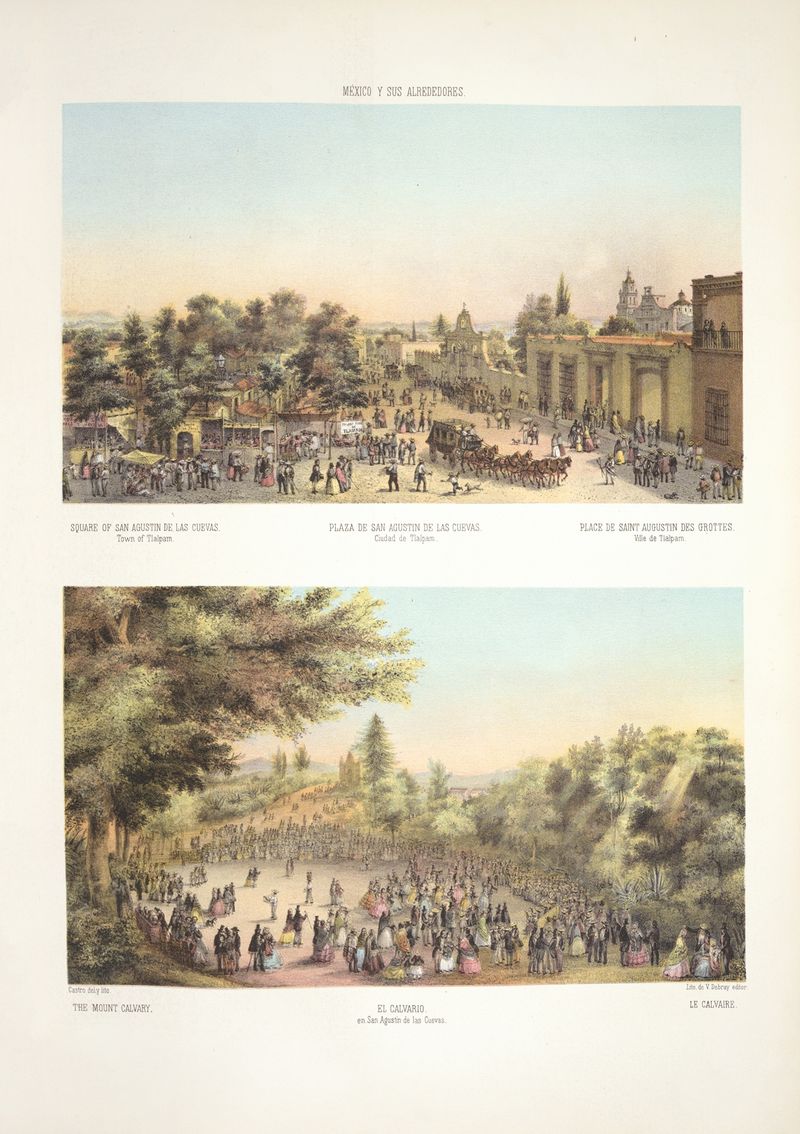
Square of San Agustin de las Cuevas, town of Tlalpam ; The Mount Calvary.
C. Castro





