The chef's party (or the happy cook) — History & Facts
A chef stands atop a barrel, chest puffed and hand theatrically posed over his heart, the undisputed star of his own small stage. The light falls squarely on him, catching the white of his uniform and the pink of a flower pinned to his chest, while his audience of kitchen staff—some attentive, some amused, a few distracted—gather in a loose semicircle. Ribot’s brushwork lingers on faces and gestures: the chef’s proud stance, the sideways glances, the hint of a smirk.
The muted palette of greys and browns, punctuated by the chef’s whites and the copper pots in the shadowy kitchen beyond, sets a mood both celebratory and workaday. Even the cats at the lower left, eyeing scraps, seem drawn into the drama. Painted in 1861, The chef's party (or the happy cook) springs from a moment when genre painting delighted in the dignity and humor of everyday life. In mid-19th-century France, artists like Augustin Théodule Ribot found inspiration not in grand history but in the bustling world of kitchens, markets, and workshops—scenes familiar to the rising bourgeoisie and the working class alike.
Such paintings were often destined for private homes, where they offered both a touch of comedy and a celebration of honest labor. While little is recorded about the journey of this particular work, its presence in a contemporary collection, documented in 2021, reminds us how these lively glimpses of ordinary joy still invite us to pause, smile, and look again.
More Artworks by Augustin Théodule Ribot

The Scullion
Augustin Théodule Ribot
The Artist's Daughter
Augustin Théodule Ribot
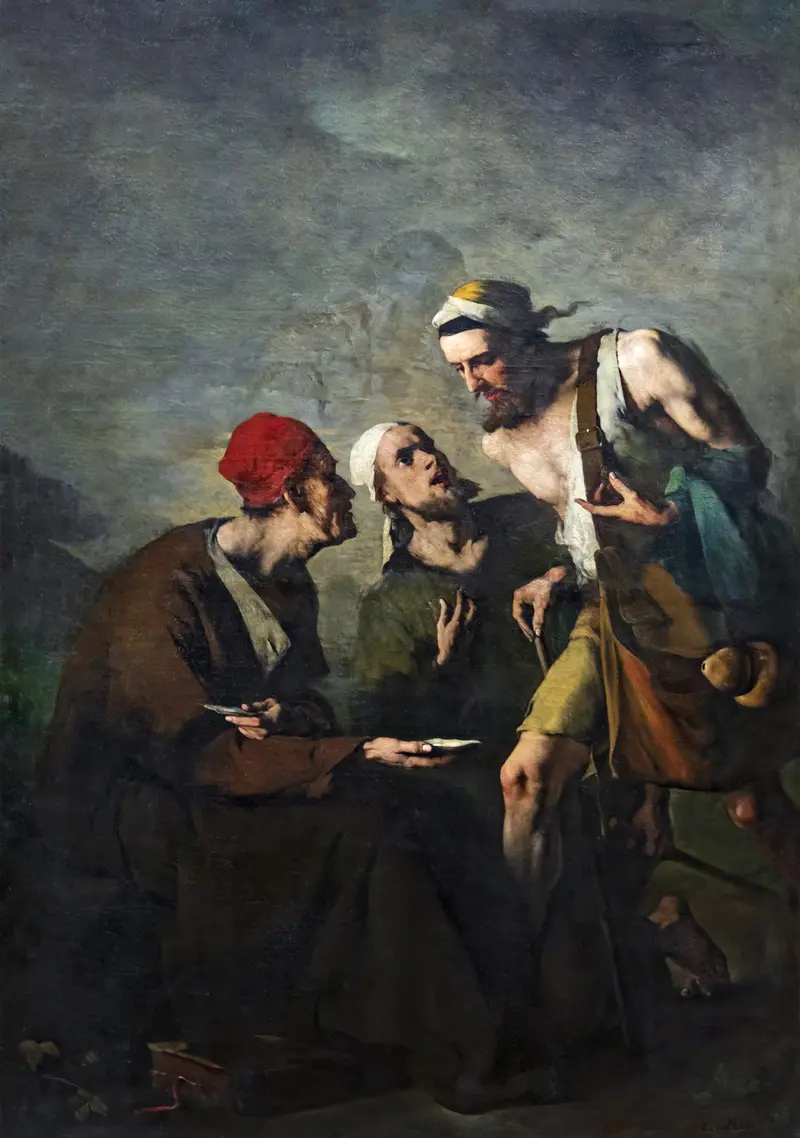
The oyster and the Litigant's
Augustin Théodule Ribot
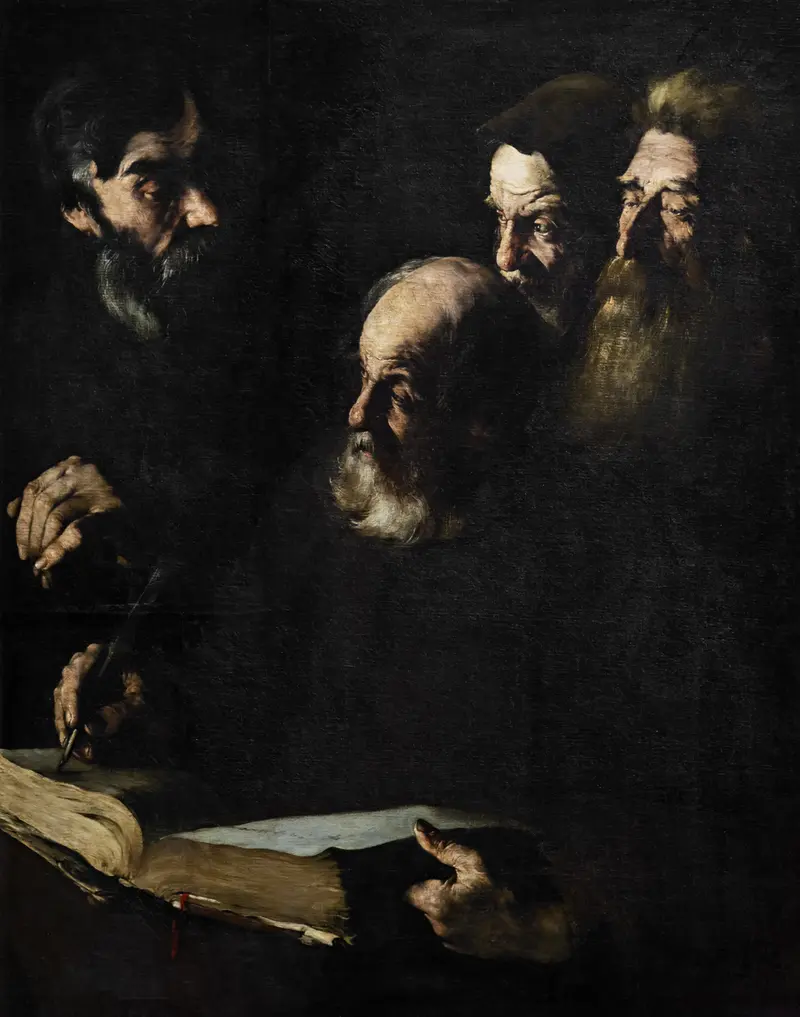
The philosophers
Augustin Théodule Ribot
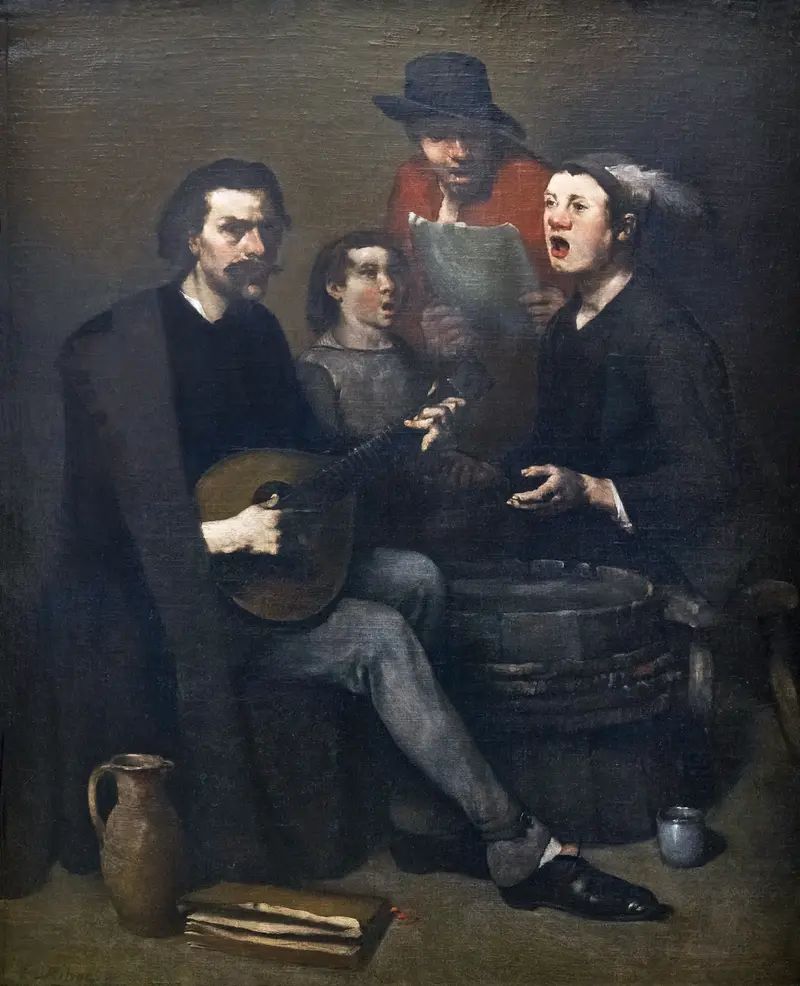
Singers
Augustin Théodule Ribot
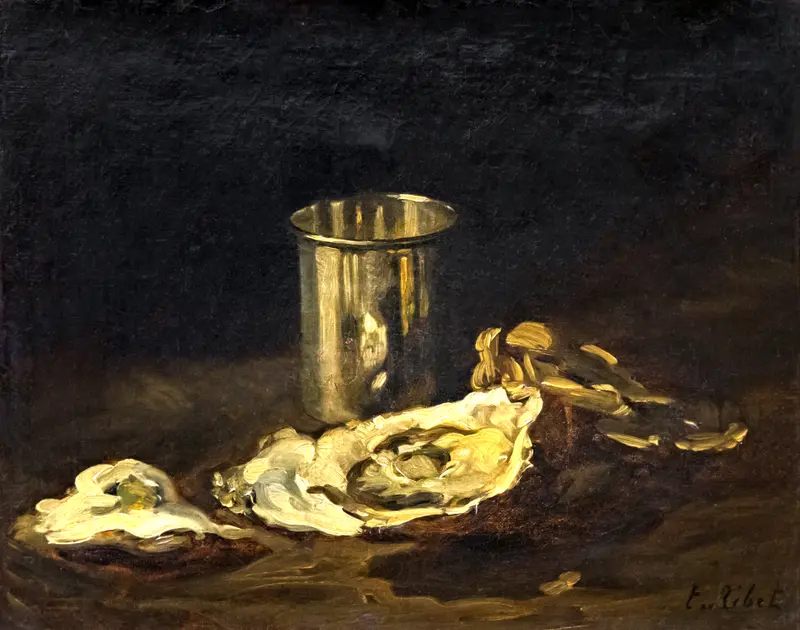
Oyster and timbale
Augustin Théodule Ribot
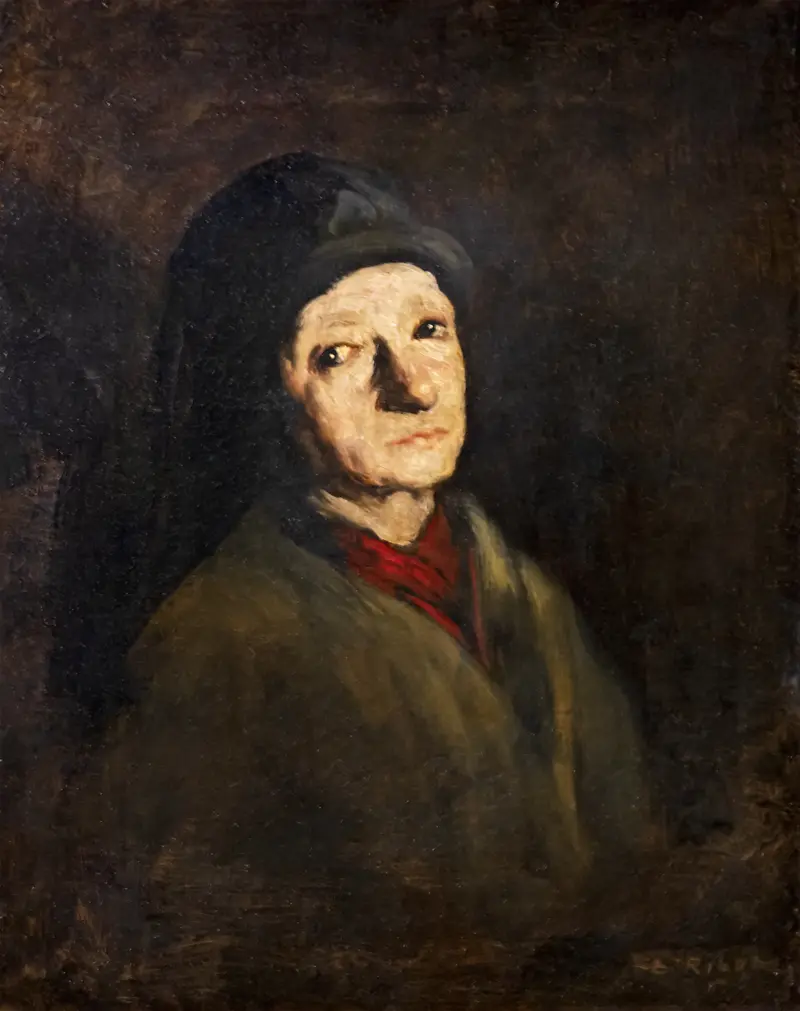
Portrait of the artist's mother
Augustin Théodule Ribot
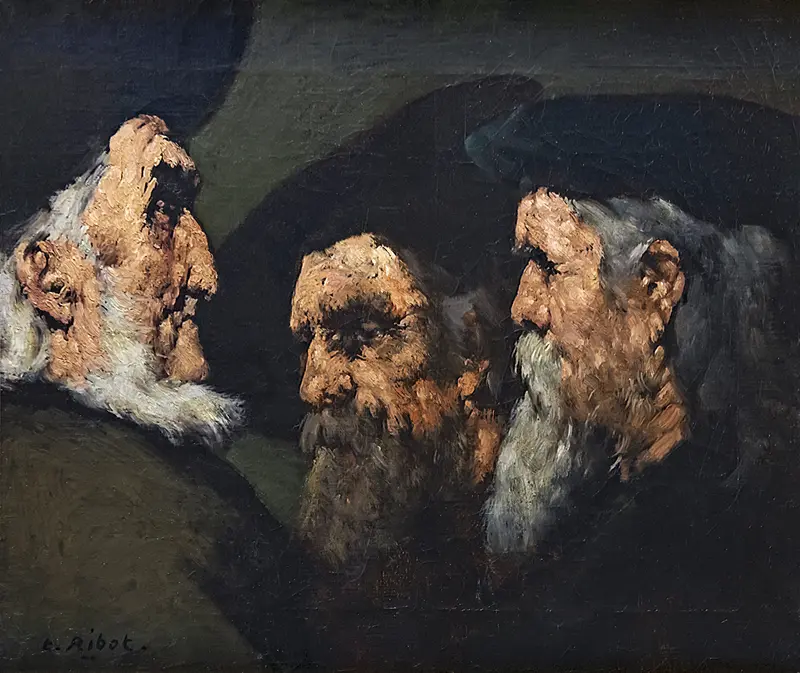
Three old jews
Augustin Théodule Ribot
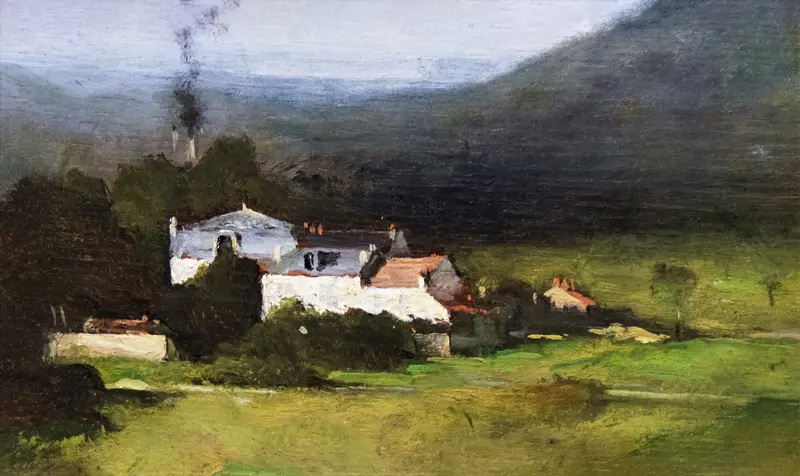
' Landscape ', known as ' La Maison de Corot in Ville-d'Avray '
Augustin Théodule Ribot
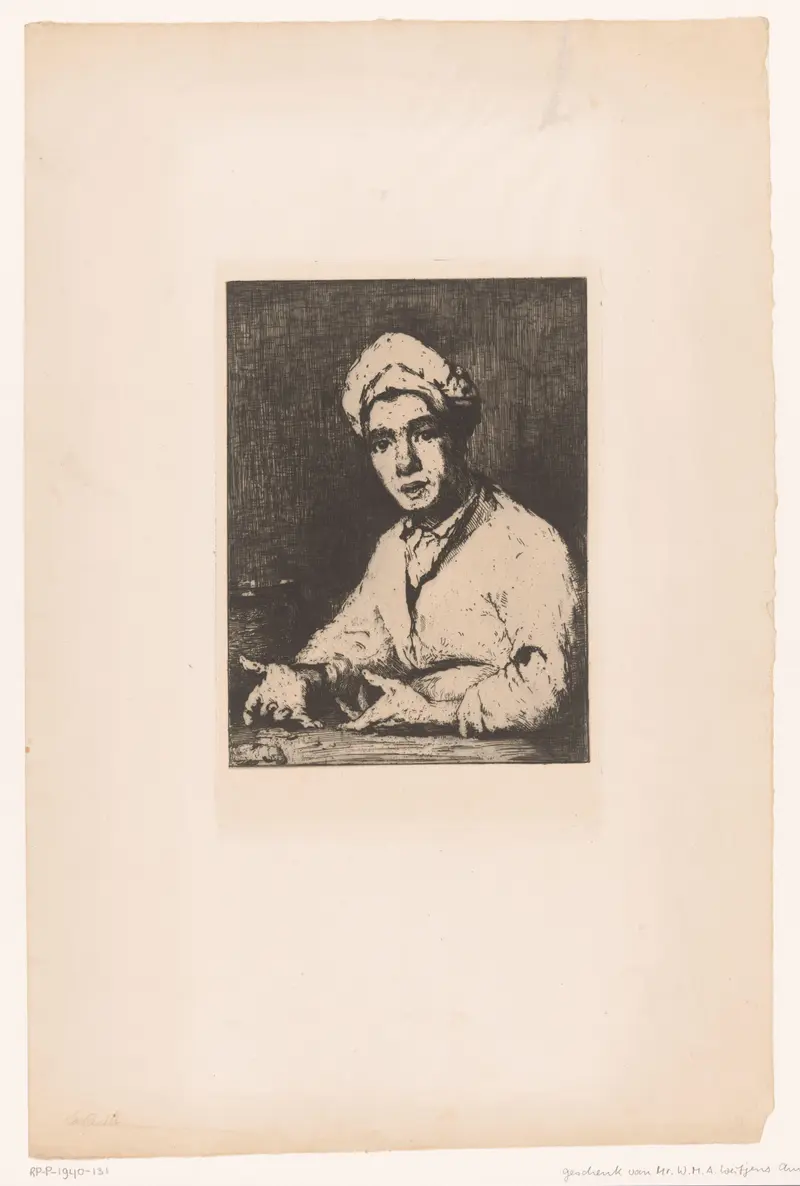
La recette du cuisinier
Augustin Théodule Ribot