
The Church of San Giorgio Maggiore — History & Facts
In The Church of San Giorgio Maggiore, the delicate interplay of light and shadow offers a profound meditation on balance amidst chaos. Look to the left at the luminous reflection of the church upon the water’s surface, where the strokes of blue and gold meld seamlessly, inviting your gaze into the tranquil depths. Notice how the architecture stands stoically against the vastness of the lagoon, its animated brushwork granting it both presence and serenity. The composition is a careful orchestration of lines and colors, each element harmonizing with the others to create a sense of calm in the painting's expansive setting. Beneath the tranquil surface lies a tension between the earthly and the divine.
The church, with its striking silhouette, serves as a reminder of spiritual aspiration, contrasting sharply with the fluidity of the water that hints at life’s impermanence. Whistler’s choice of a muted palette evokes not just tranquility, but an underlying yearning for stability in a world ever in flux, where the church symbolizes a refuge from the storm. In 1880, Whistler painted this piece amidst a period of personal and artistic exploration in Venice. Having settled there to capture the enchanting light and atmosphere, the artist sought to push the boundaries of color and form.
It was a time when he embraced Impressionism, yet he still clung to the principles of balance and composition, striving to blend the real with the ideal in his reflections on beauty and harmony.
More Artworks by James Abbott McNeill Whistler
Browse all →
Nocturne in Blue and Silver
James Abbott McNeill Whistler
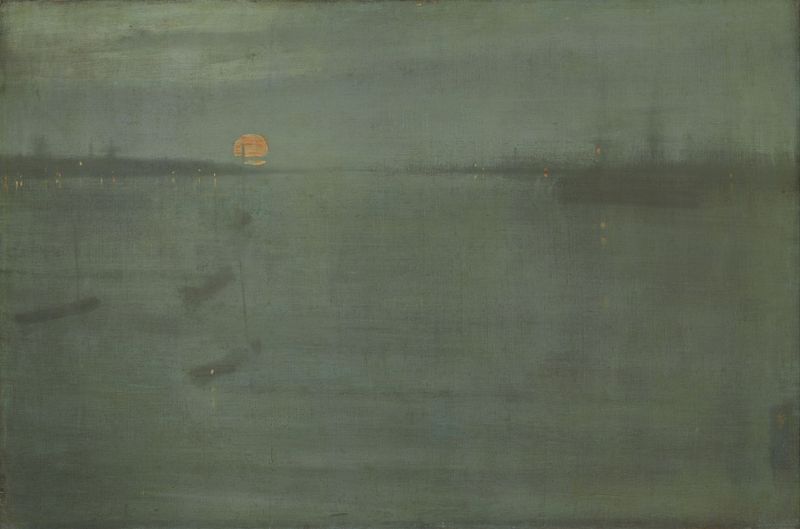
Nocturne: Blue and Gold–Southampton Water
James Abbott McNeill Whistler
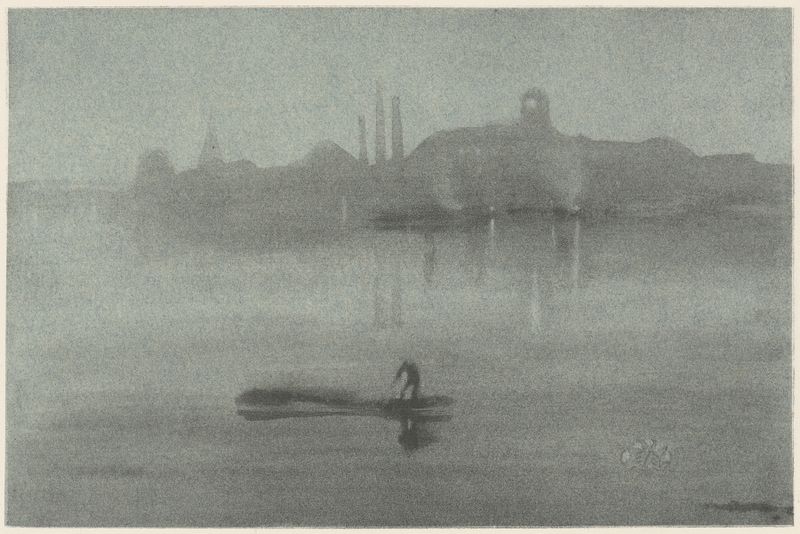
Nocturne
James Abbott McNeill Whistler
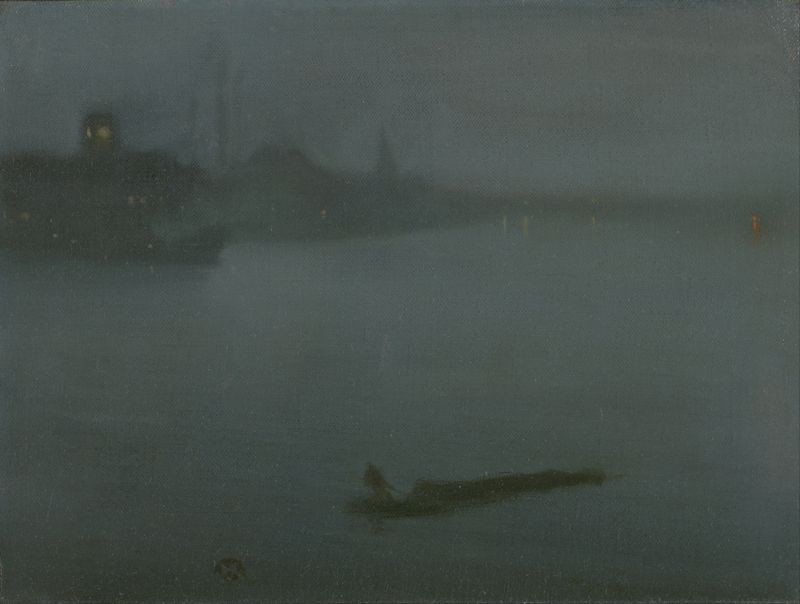
Nocturne in Blue and Silver
James Abbott McNeill Whistler
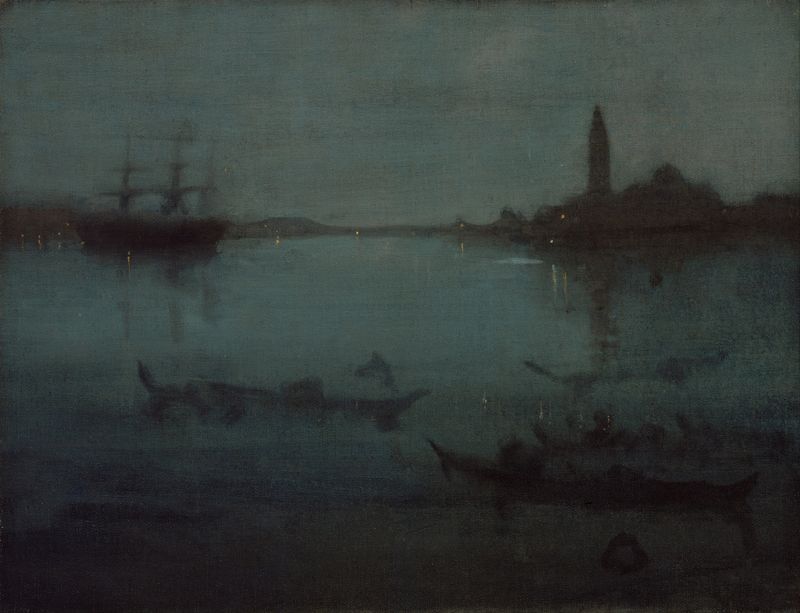
Nocturne in Blue and Silver- The Lagoon, Venice
James Abbott McNeill Whistler
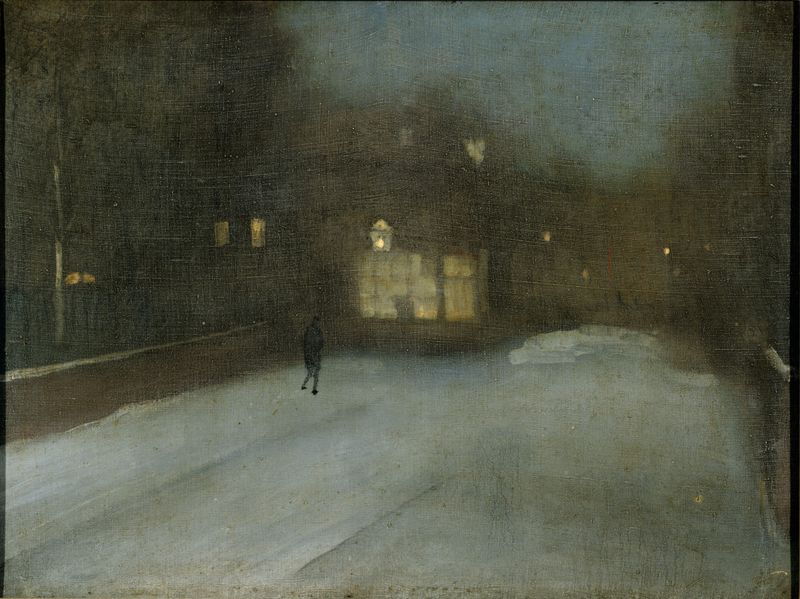
Nocturne in Grey and Gold: Chelsea Snow
James Abbott McNeill Whistler
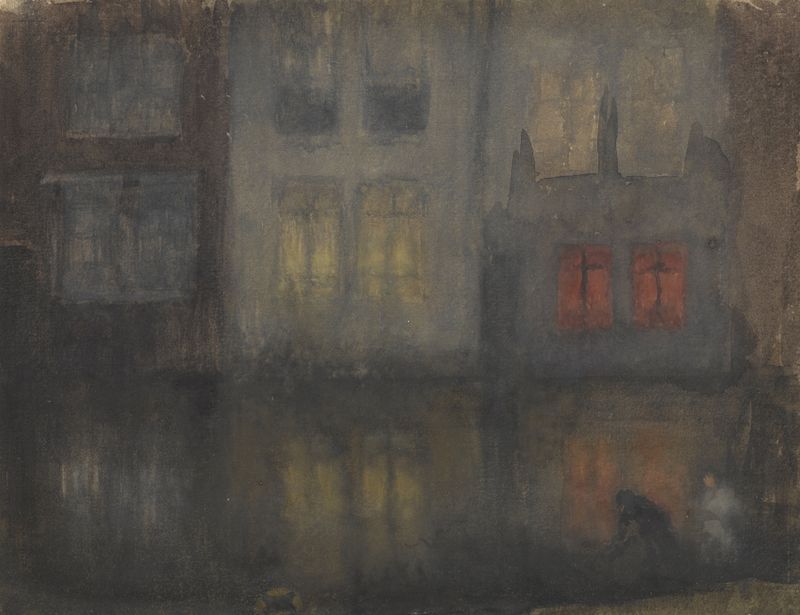
Nocturne: Black and Red—Back Canal, Holland
James Abbott McNeill Whistler
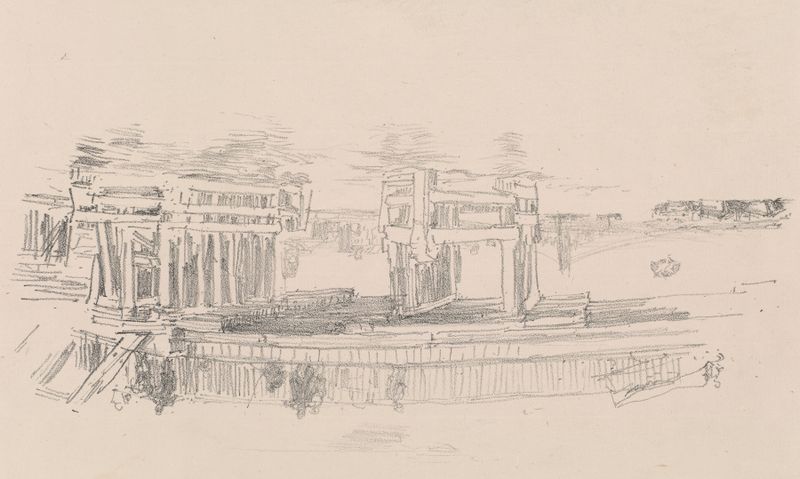
Old Battersea Bridge
James Abbott McNeill Whistler

Nocturne: Blue and Silver–Battersea Reach
James Abbott McNeill Whistler
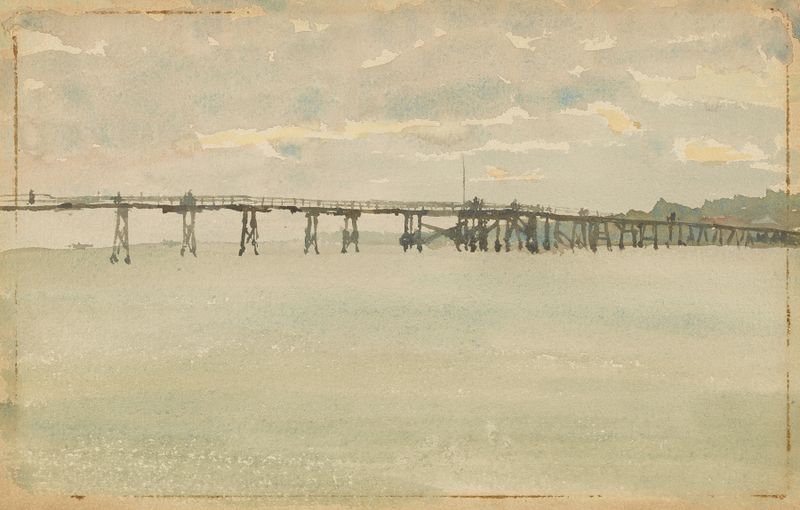
Grey and Silver–Pier, Southend
James Abbott McNeill Whistler
More Architecture Art
Browse all →
The statue of Liberty
Frédéric Auguste Bartholdi

View of Houses in Delft, Known as ‘The Little Street’
Johannes Vermeer

View of Houses in Delft, Known as ‘The Little Street’
Johannes Vermeer

The Cathedral in Rouen. The portal, Grey Weather
Claude Monet

The yellow house
Vincent van Gogh

The Church in Auvers-sur-Oise, View from the Chevet
Vincent van Gogh