
The Clemency of Scipio — History & Facts
In 1506, Giovanni Bellini—then Venice’s most celebrated painter—turned to the storied virtues of ancient Rome for inspiration, choosing a moment from the life of Scipio Africanus that had not yet been immortalized in Venetian art. The tale he chose was already famous: after his victory at New Carthage in 209 BCE, the young Roman general returned a captured Spanish princess to her fiancé, earning him the admiration of friend and foe alike. This act of magnanimity was widely cited in Renaissance Italy as a model of self-restraint and honor, and Bellini’s interpretation would become a touchstone for later artists seeking to depict the virtues of mercy and justice. Bellini captures the decisive moment: Scipio, clad in Roman armor, gestures calmly toward the veiled princess, whose downcast eyes and modest posture emphasize her vulnerability.
Behind her, the fiancé stands with hands clasped, his gratitude barely contained, while Roman soldiers look on in silent witness. The golden chain at Scipio’s waist hints at the bonds of power and the choice to wield it with mercy. Bellini’s use of soft, atmospheric light—distinct from the harsher clarity of Andrea Mantegna’s treatments of Roman history—bathes the scene in a sense of quiet dignity, focusing the viewer’s attention on the moral drama rather than the spectacle of conquest. The precise origins of The Clemency of Scipio remain uncertain, as the painting’s early history is not well documented and its original patron is unknown.
What is clear is that this work belongs to Bellini’s late period, when he was increasingly drawn to classical themes and the humanist ideals circulating in Venice. Over the centuries, the painting has been admired for its restraint and psychological insight, though its whereabouts have sometimes been obscure—possibly due to changes in attribution or the shifting fortunes of Venetian collections. Today, it stands as a testament to Bellini’s ability to infuse ancient stories with the human warmth and subtlety that defined the Venetian Renaissance.
More Artworks by Giovanni Bellini
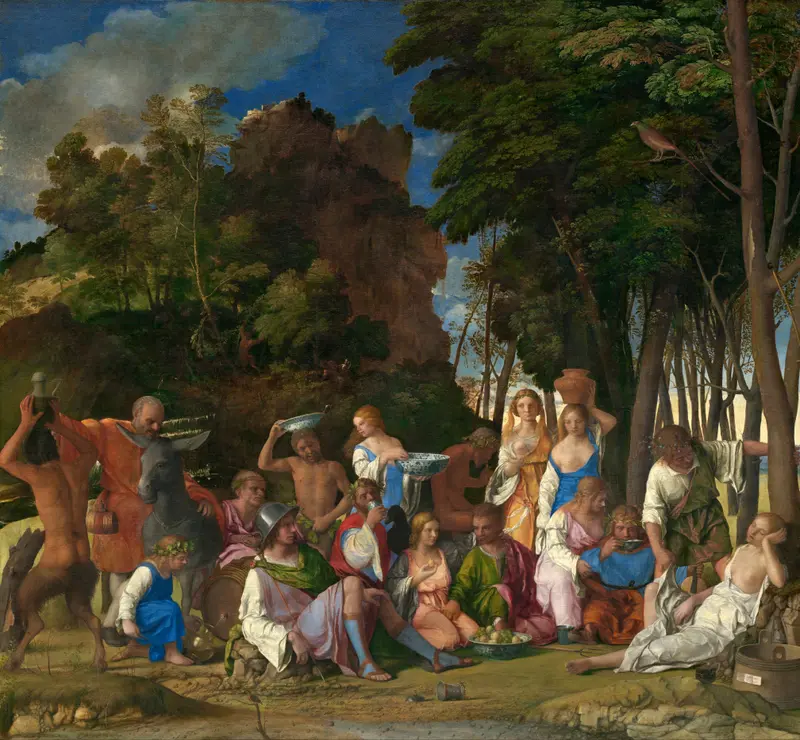
The Feast of the Gods
Giovanni Bellini

Madonna and Child enthroned with Saints and Angels
Giovanni Bellini
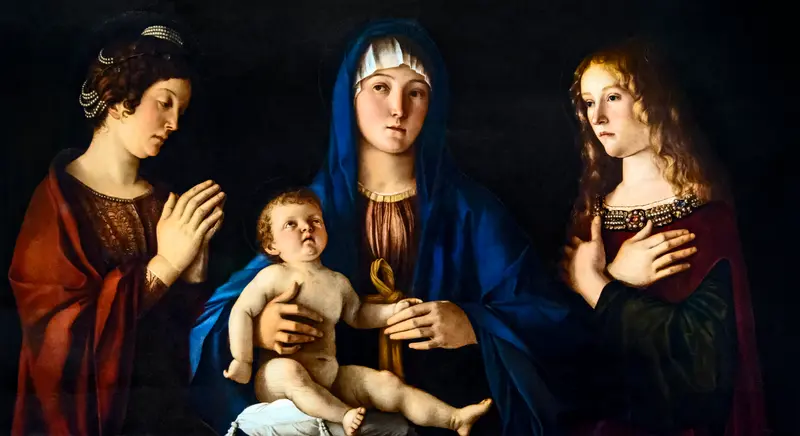
Madonna and Child between Saints Catherine and Mary Magdalene
Giovanni Bellini
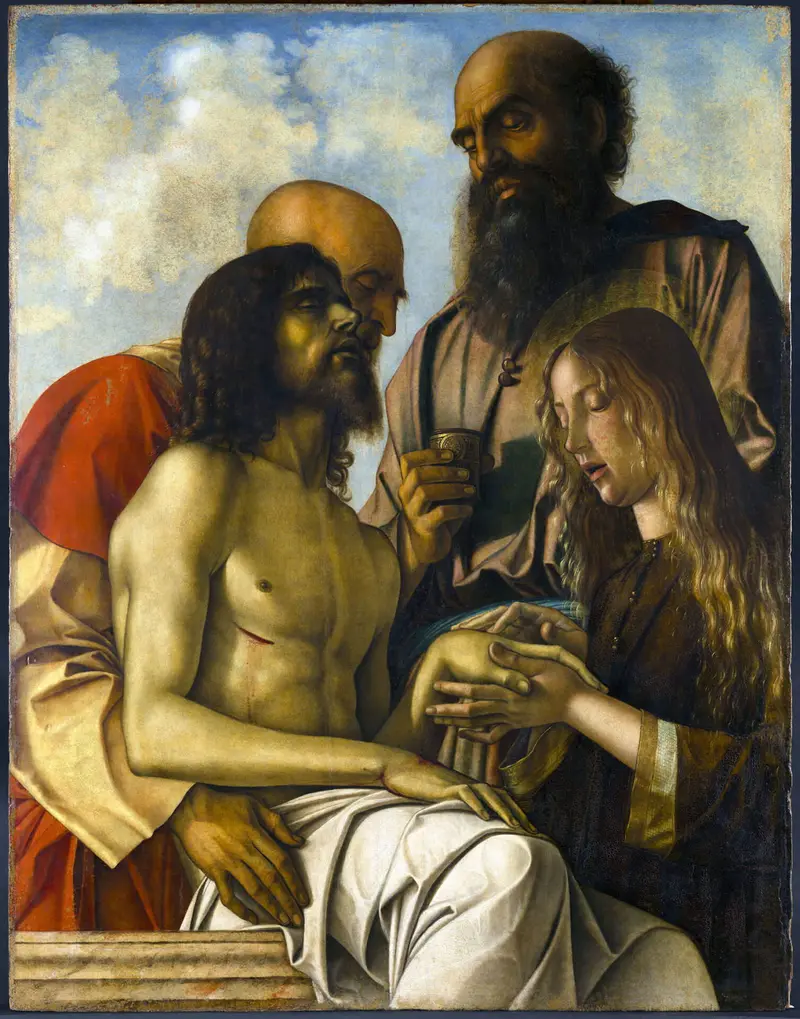
Lamentation over the Dead Christ
Giovanni Bellini
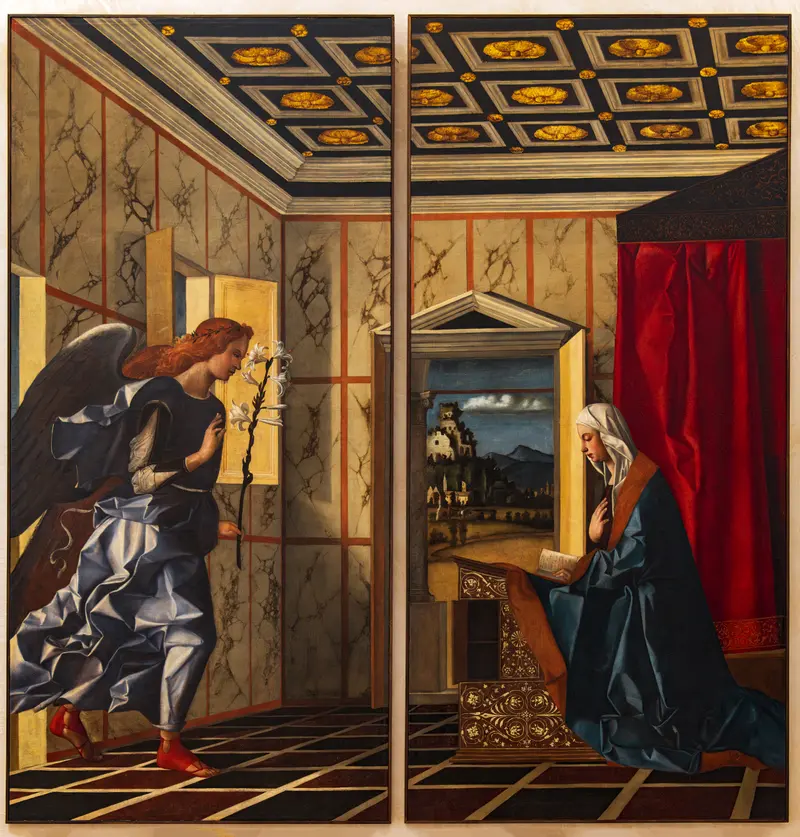
Annunciation
Giovanni Bellini
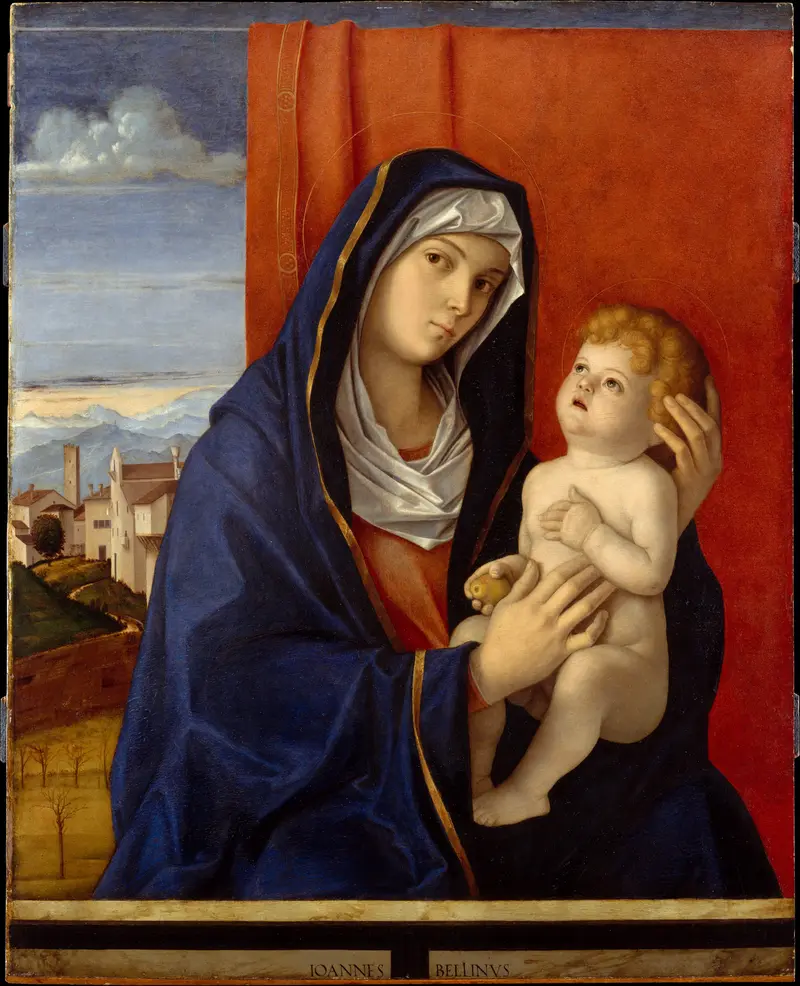
Madonna and Child
Giovanni Bellini
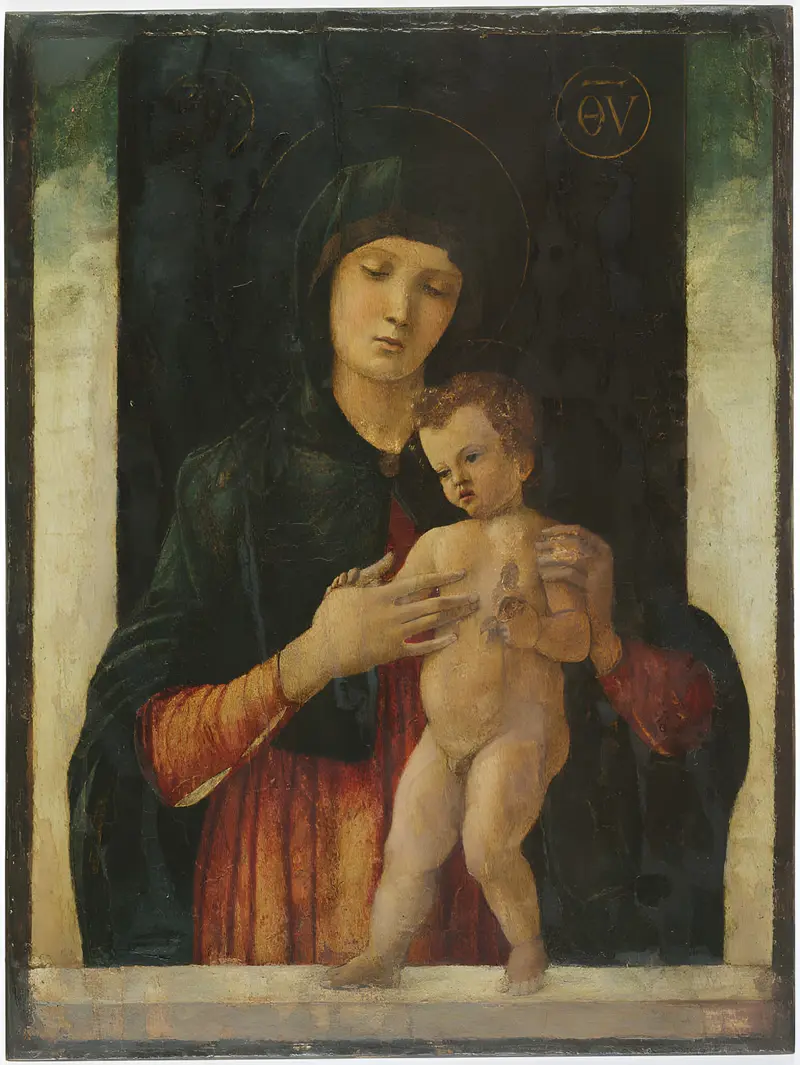
The Virgin and Child
Giovanni Bellini
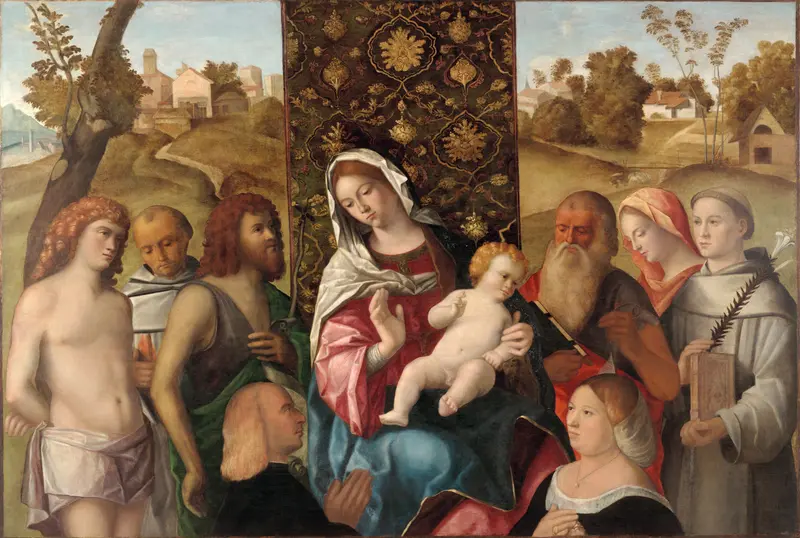
Virgin and Child with Saints Sebastian, Francis, John the Baptist, Jerome, an unidentified female saint, Saint Anthony of Padua and two donors
Giovanni Bellini
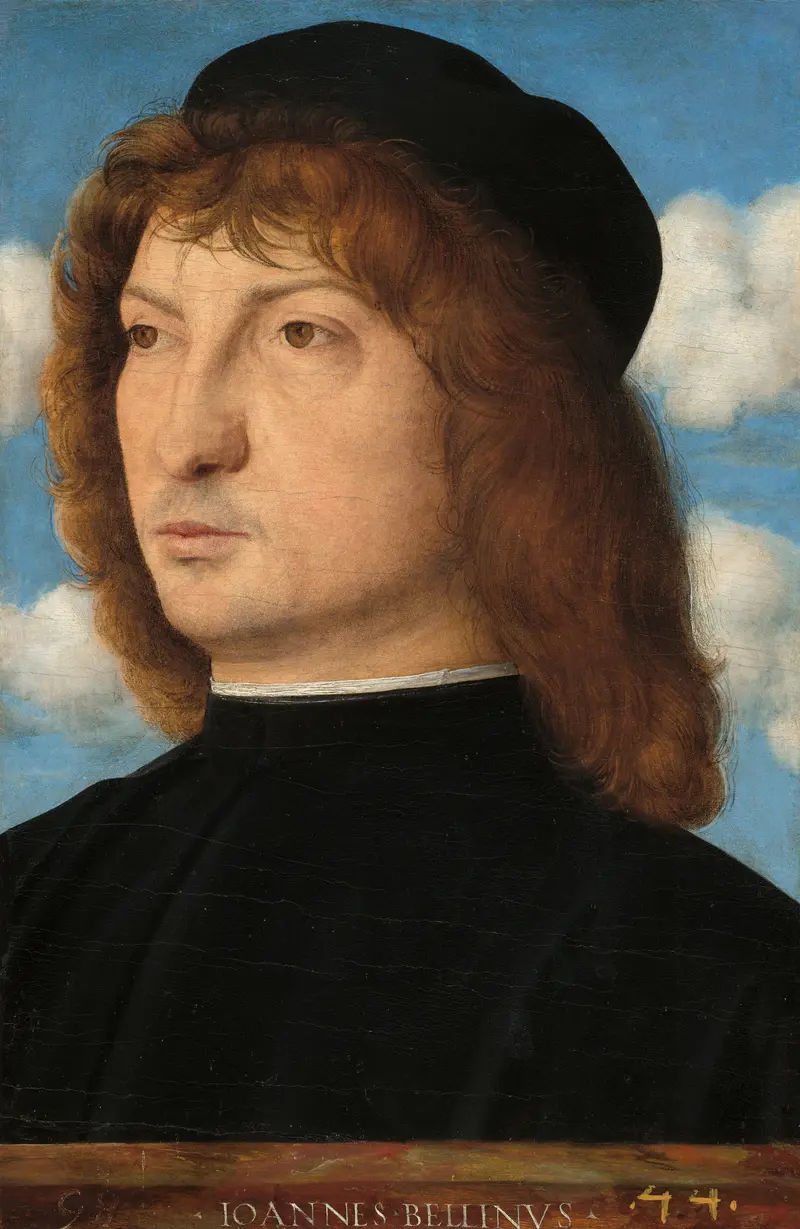
Portrait of a Venetian Gentleman
Giovanni Bellini
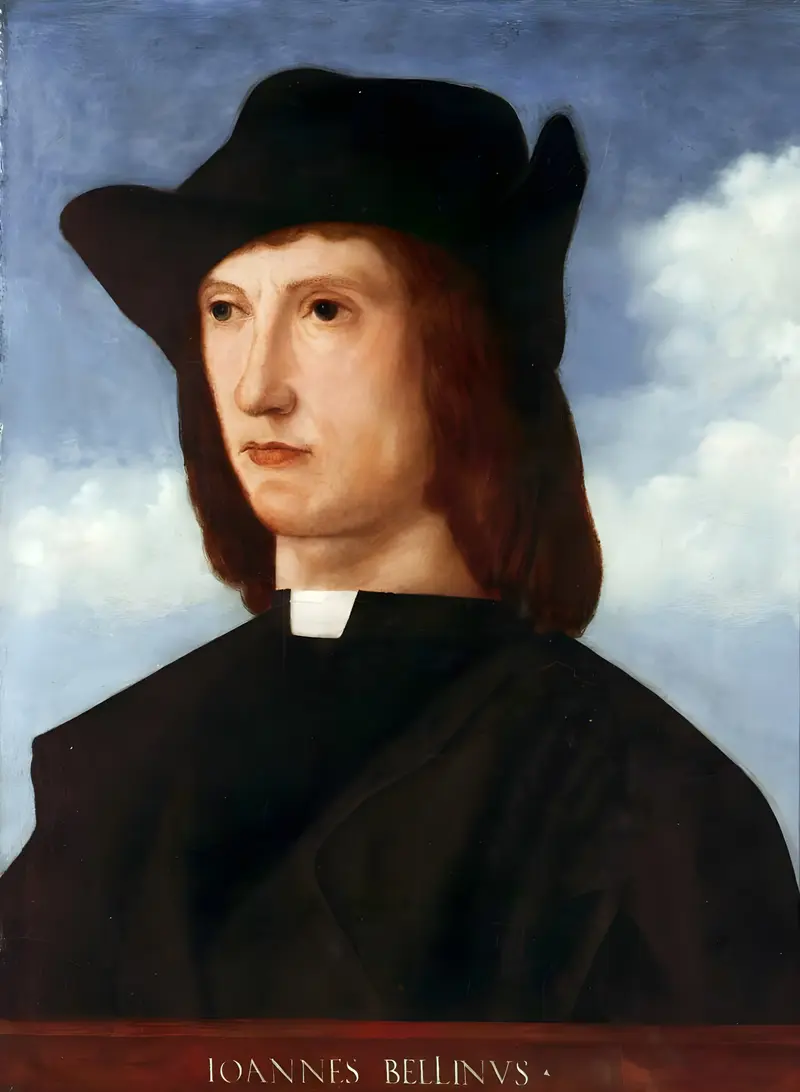
Portrait of a Young Man
Giovanni Bellini





