
Portrait of a Young Man — History & Facts
No one knows the identity of the young man who gazes out from this portrait by Giovanni Bellini, and that mystery has fascinated viewers and scholars for centuries. Unlike many of his contemporaries, Bellini left few clues—no coat of arms, no inscription, no telltale attribute. The anonymity of the sitter has led to lively debate: some have speculated he was a member of Venice’s patrician class, others that he was a fellow artist or even a self-portrait.
The painting’s uncertain date and lack of documentation only deepen the enigma, making it a touchstone for discussions about portraiture in Renaissance Venice. The young man meets the viewer’s gaze directly, his features rendered with the soft modeling and luminous color that mark Bellini’s mature style. His clothing is simple, almost severe, in keeping with Venetian fashion of the late fifteenth century: a dark doublet, a white shirt, and a cap pulled low over his brow. There are no emblems of office or wealth, only the subtle play of light across his face and the quiet intelligence in his eyes.
This restraint invites comparison with Antonello da Messina’s portraits, which similarly focus on the psychological presence of the sitter rather than external markers of status. In Bellini’s hands, the absence of narrative detail becomes a statement in itself: the sitter’s individuality is the subject. As with many portraits from this period, the early history of Portrait of a Young Man is obscure. It likely remained in private hands for generations before entering a public collection, though the specifics are lost to time.
The painting’s attribution to Giovanni Bellini has been widely accepted, thanks to its characteristic handling of flesh tones and its gentle, atmospheric light, but the lack of a signature or date means that some uncertainty lingers. Today, the work stands as a testament to Bellini’s influence on Venetian painting, capturing the quiet dignity and psychological depth that would inspire later artists from Titian to Lorenzo Lotto. Its journey from the private world of Renaissance Venice to the museum wall mirrors the enduring appeal of its silent, watchful subject.
More Artworks by Giovanni Bellini
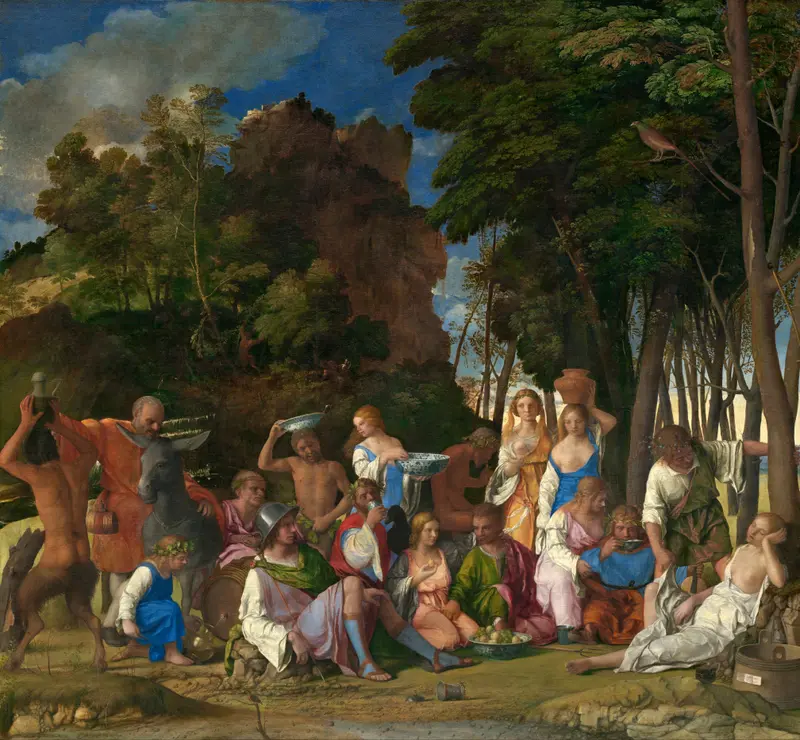
The Feast of the Gods
Giovanni Bellini

Madonna and Child enthroned with Saints and Angels
Giovanni Bellini
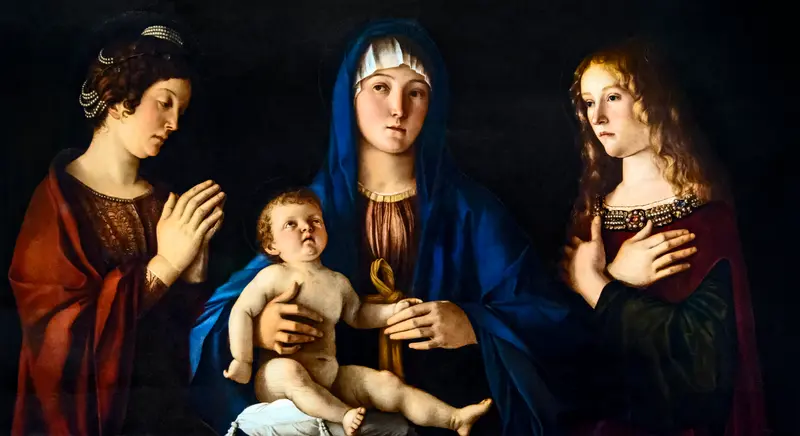
Madonna and Child between Saints Catherine and Mary Magdalene
Giovanni Bellini
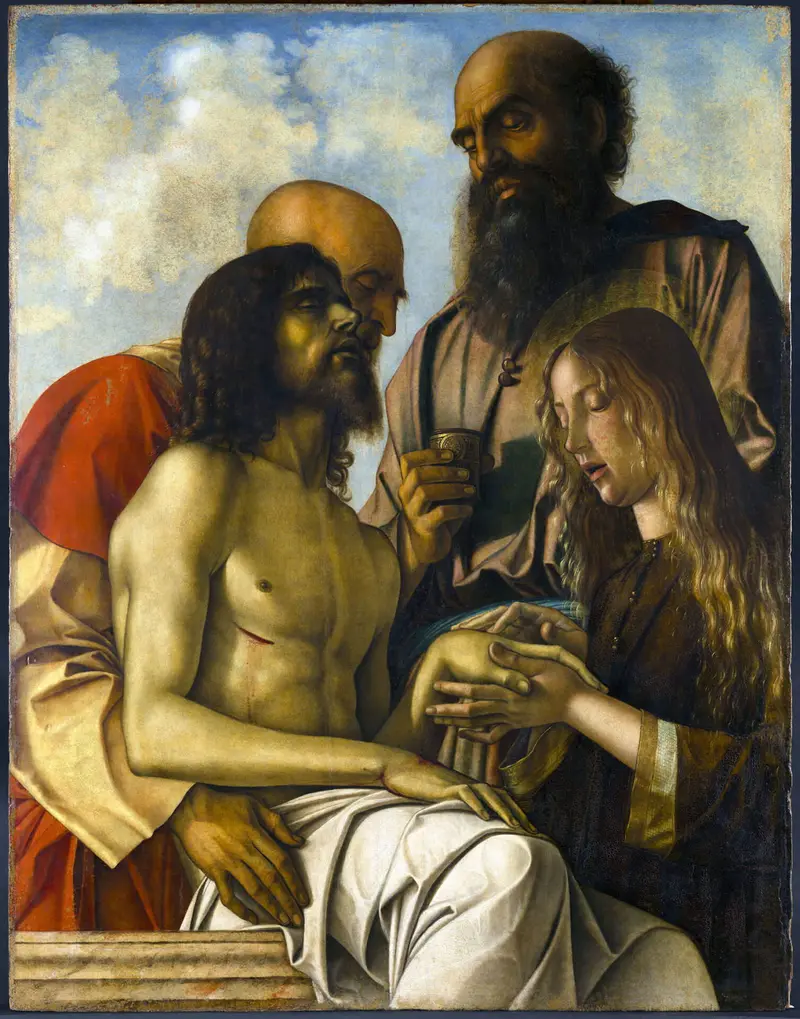
Lamentation over the Dead Christ
Giovanni Bellini
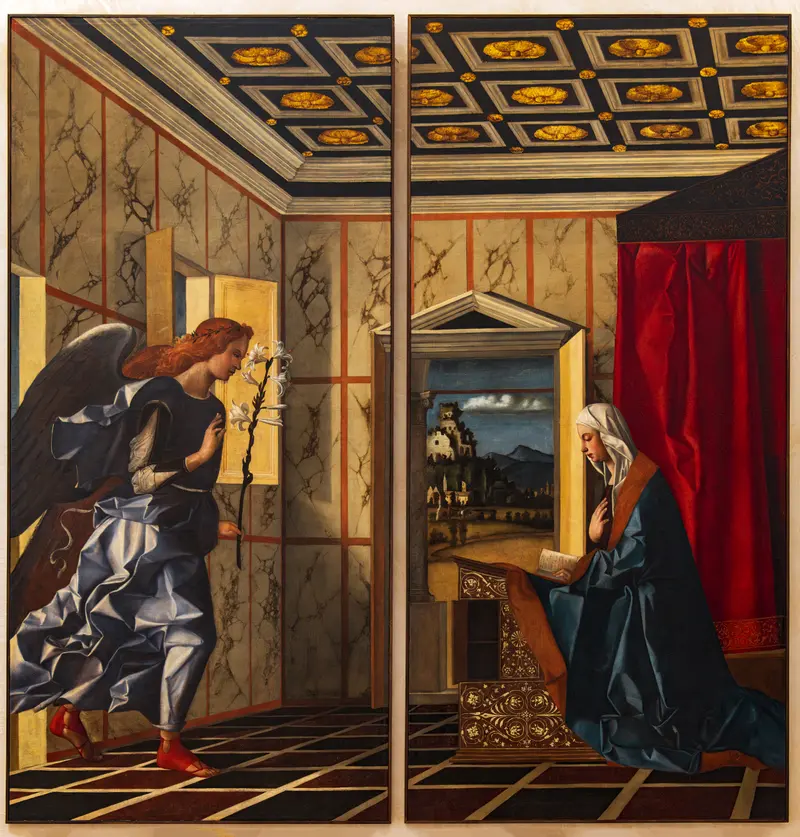
Annunciation
Giovanni Bellini
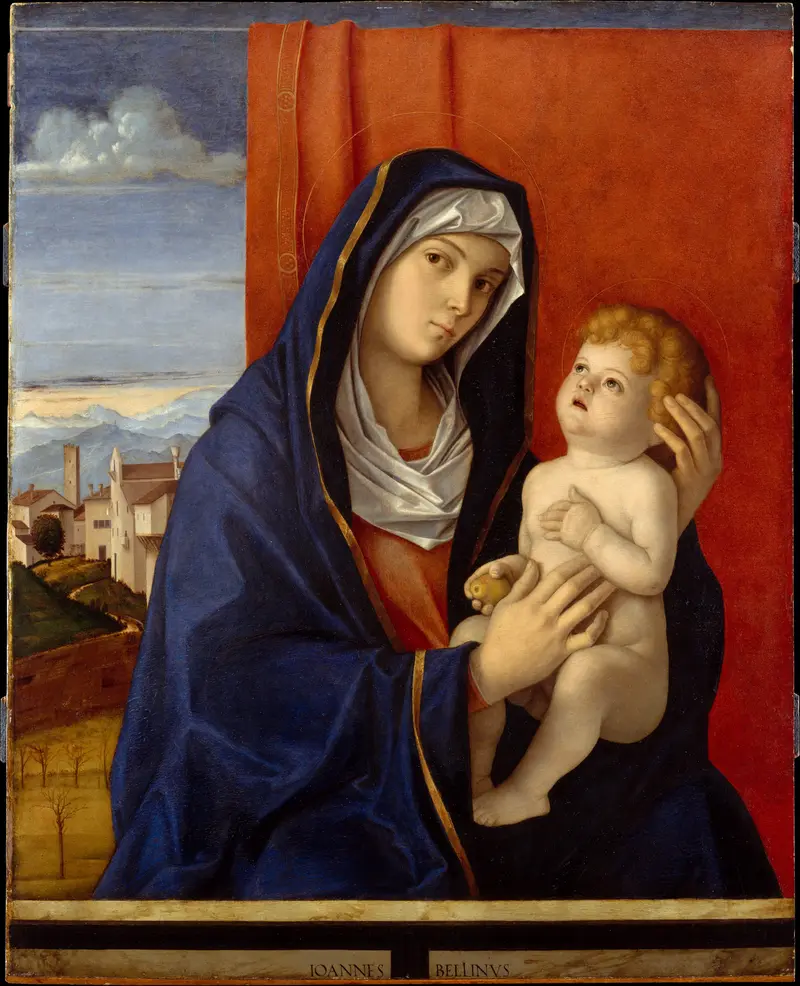
Madonna and Child
Giovanni Bellini
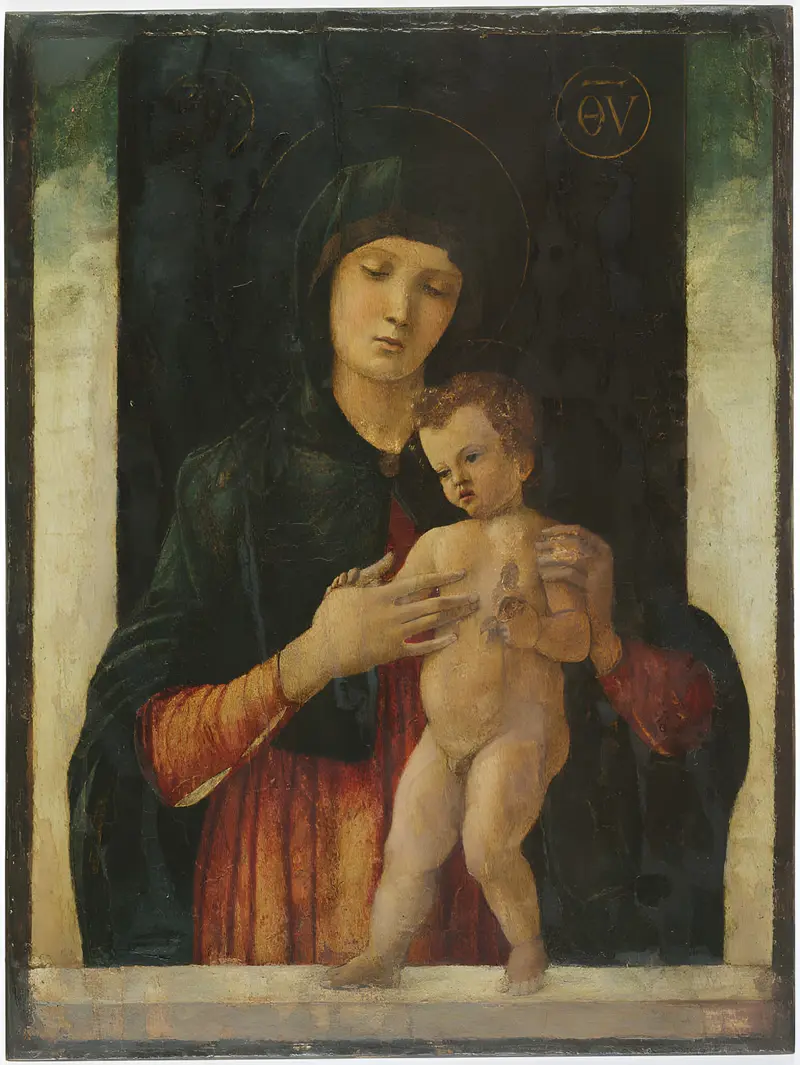
The Virgin and Child
Giovanni Bellini
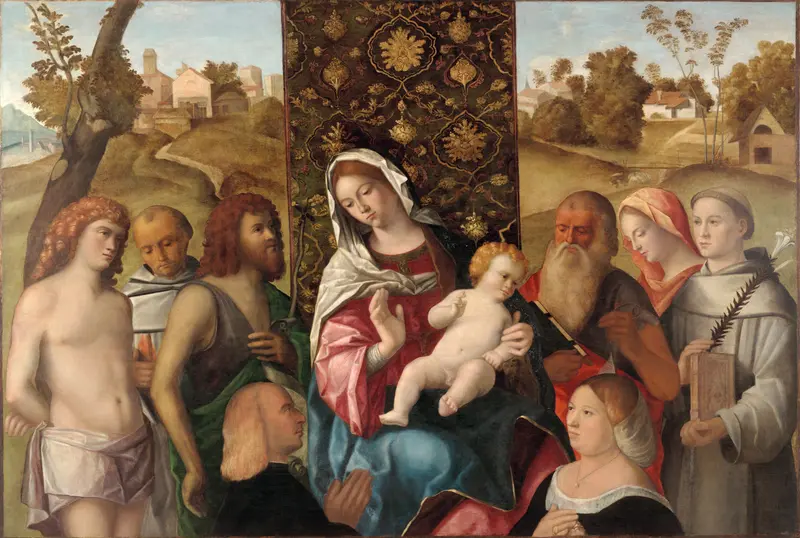
Virgin and Child with Saints Sebastian, Francis, John the Baptist, Jerome, an unidentified female saint, Saint Anthony of Padua and two donors
Giovanni Bellini
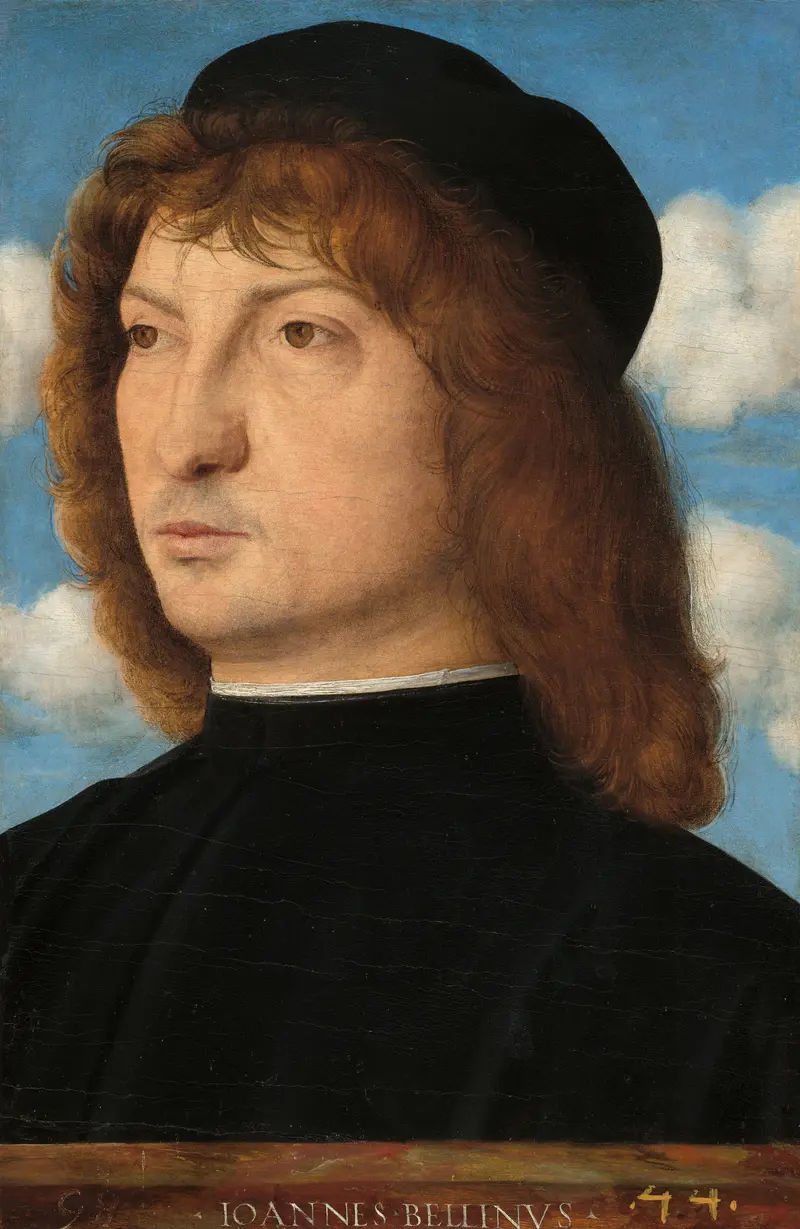
Portrait of a Venetian Gentleman
Giovanni Bellini
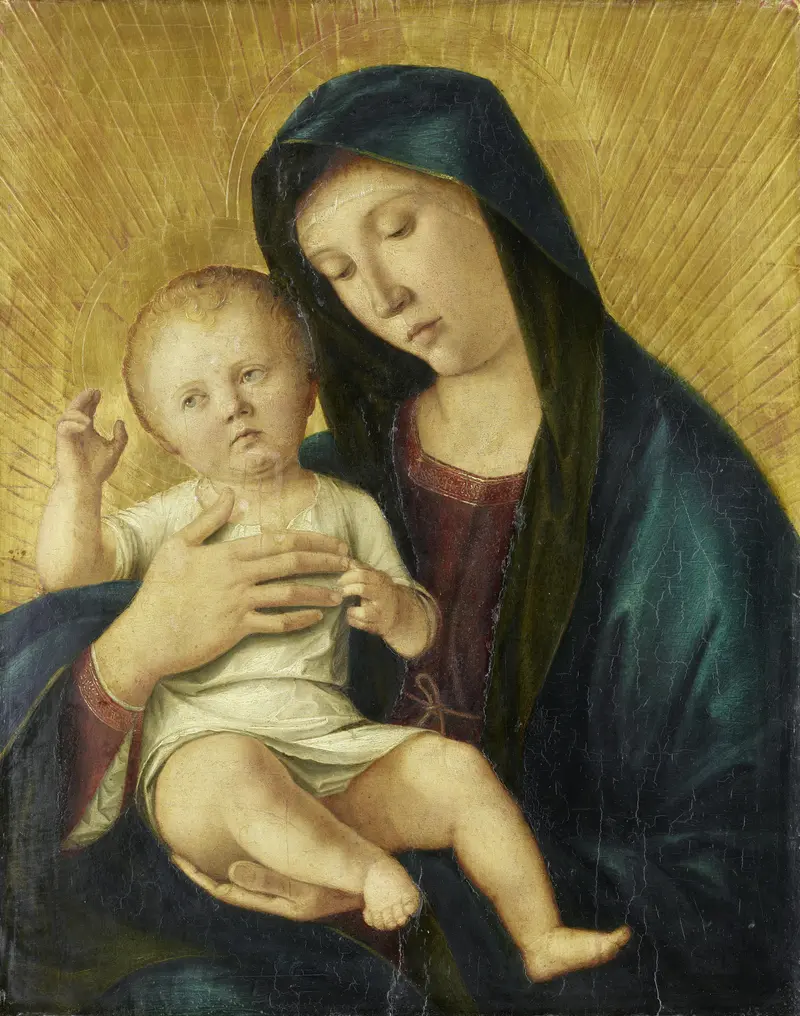
The Virgin with the Blessing Child
Giovanni Bellini





