
Lamentation over the Dead Christ — History & Facts
No other artist in Venice so early dared to paint Christ’s death with such raw immediacy as Giovanni Bellini in his Lamentation over the Dead Christ of 1472. This work stands among the earliest known examples of Bellini’s lifelong meditation on the Passion, and it marks a turning point in Venetian painting—where the emotional force of the scene takes precedence over gold backgrounds and rigid formality. While later versions by Bellini would be more polished, this painting’s directness and experimental technique have long puzzled scholars, who debate whether it was intended as a finished altarpiece or a private devotional image. The moment captured here is one of unbearable stillness: Christ’s lifeless body lies on a stone slab, attended by the Virgin Mary and Saint John, their hands frozen in gestures of grief and disbelief.
The Virgin’s pale face presses close to her son, her hands supporting his head, while John’s open palms and anguished gaze draw the viewer’s eye to Christ’s wounds. The figures are pressed tightly into the foreground, with no landscape to offer escape—Bellini’s use of compressed space and stark lighting forces us into the intimacy of their loss. Unlike Andrea Mantegna’s more sculptural lamentations, Bellini’s figures are softer, their sorrow more inward, their humanity unmistakable. The original patron of this painting is not recorded, and its early history remains uncertain—a common fate for devotional works of this period.
What is clear is that Lamentation over the Dead Christ belongs to Bellini’s formative years, when he was absorbing influences from his father Jacopo and his brother-in-law Mantegna, yet already forging his own path. The painting’s medium is still debated; some believe it was executed in tempera, others suggest early experiments with oil. Today, the work is recognized as a milestone in the development of Venetian painting, a testament to Bellini’s gift for transforming sacred drama into deeply felt human experience.
More Artworks by Giovanni Bellini
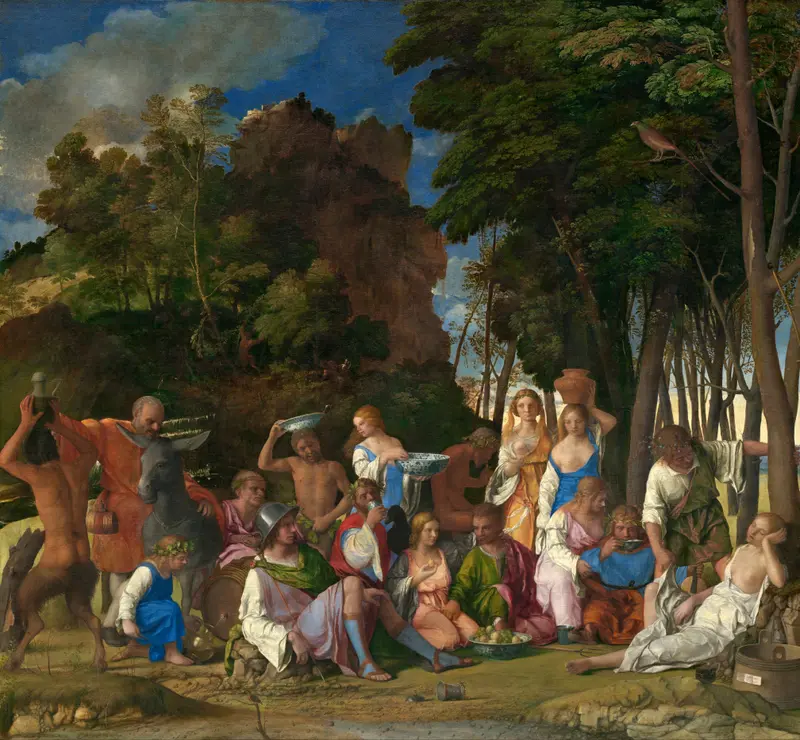
The Feast of the Gods
Giovanni Bellini

Madonna and Child enthroned with Saints and Angels
Giovanni Bellini
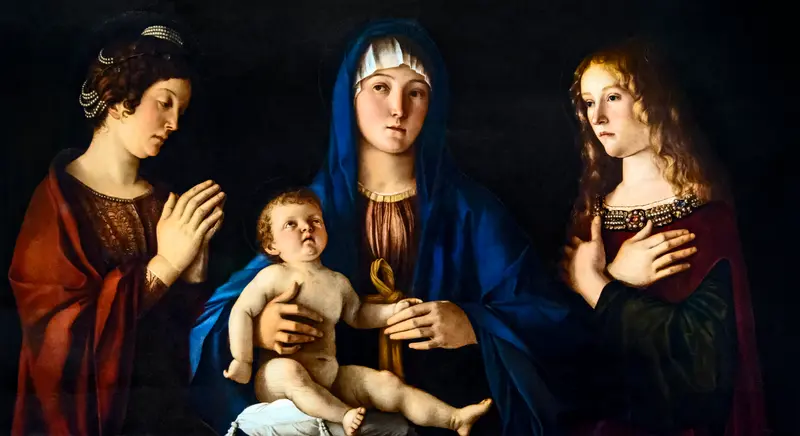
Madonna and Child between Saints Catherine and Mary Magdalene
Giovanni Bellini
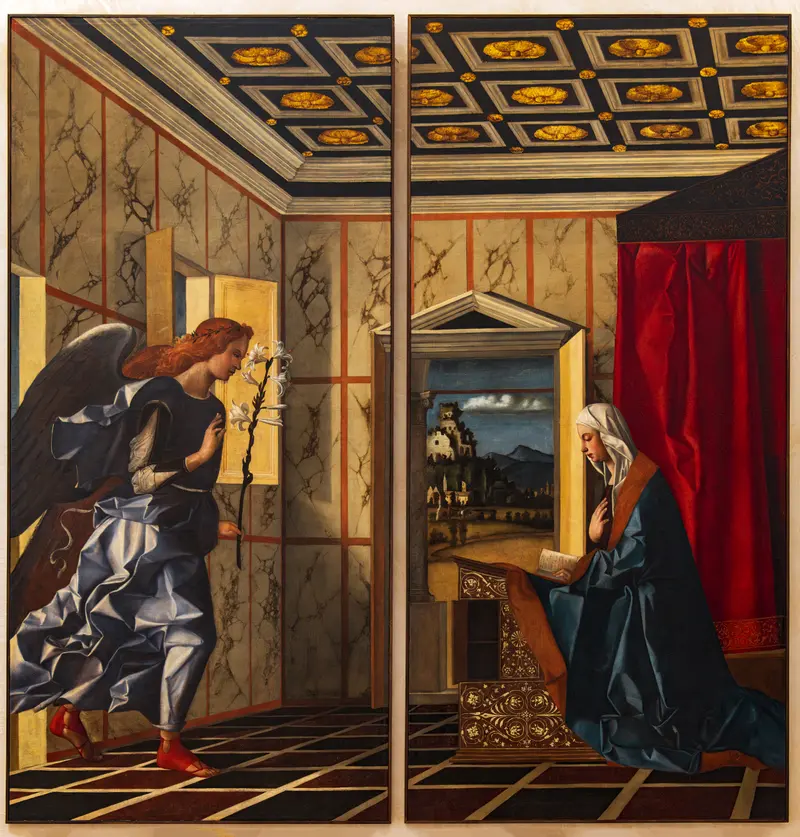
Annunciation
Giovanni Bellini
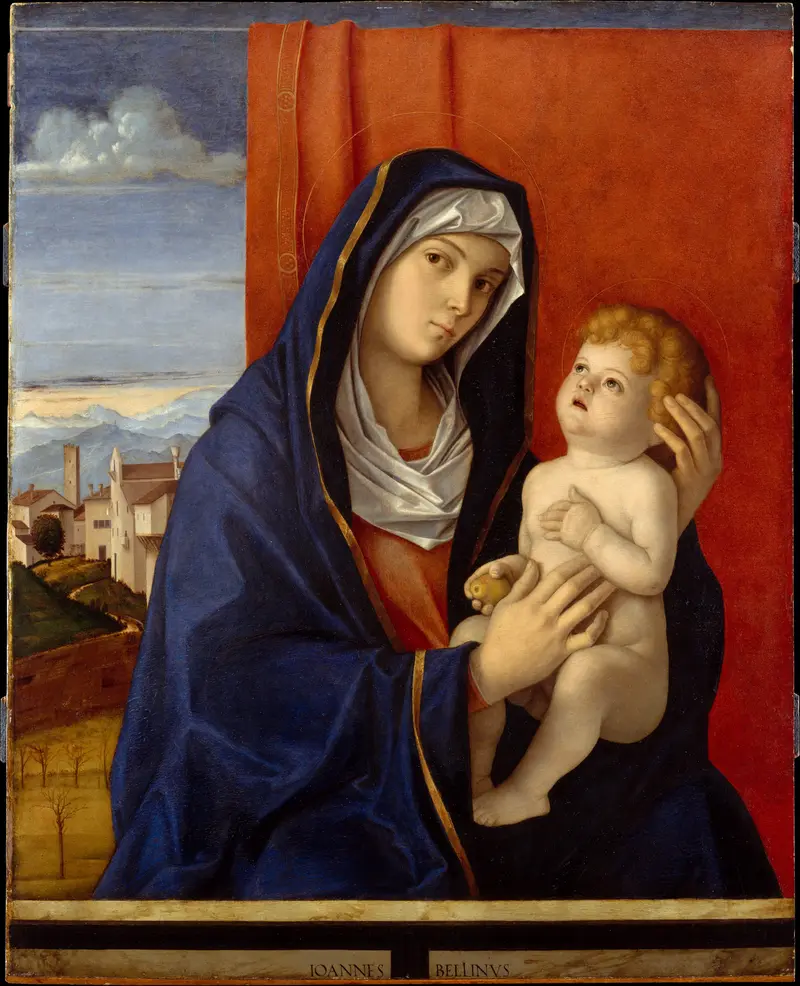
Madonna and Child
Giovanni Bellini
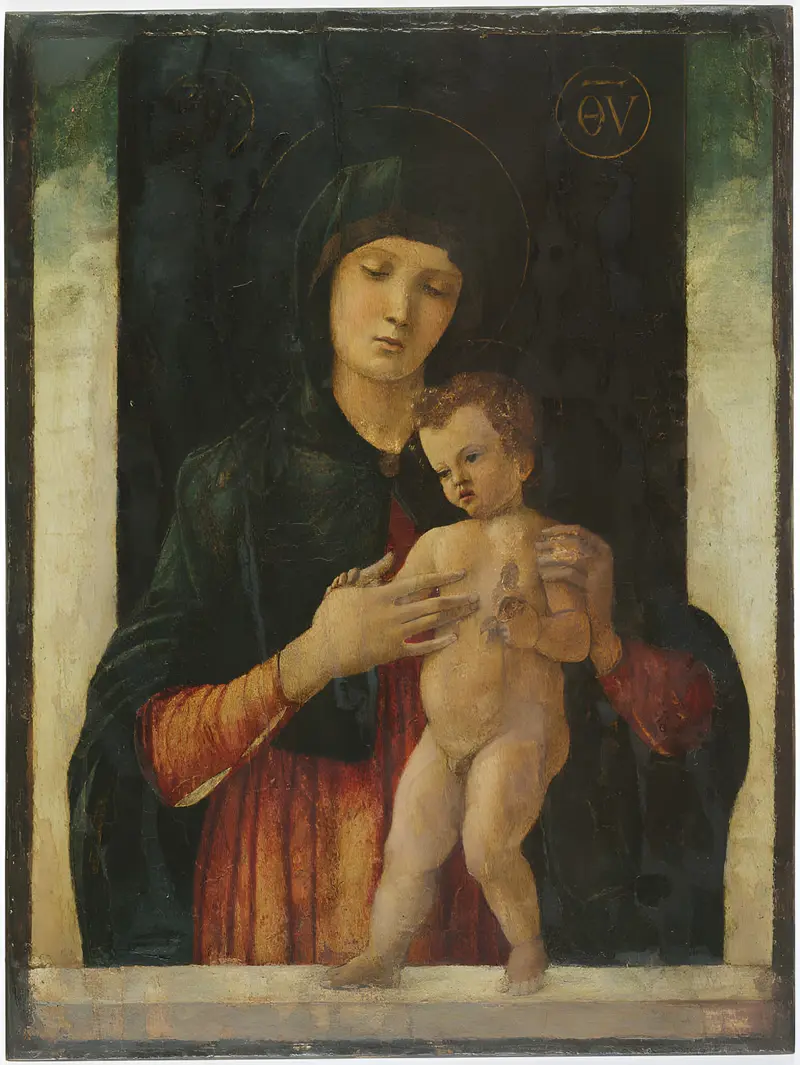
The Virgin and Child
Giovanni Bellini
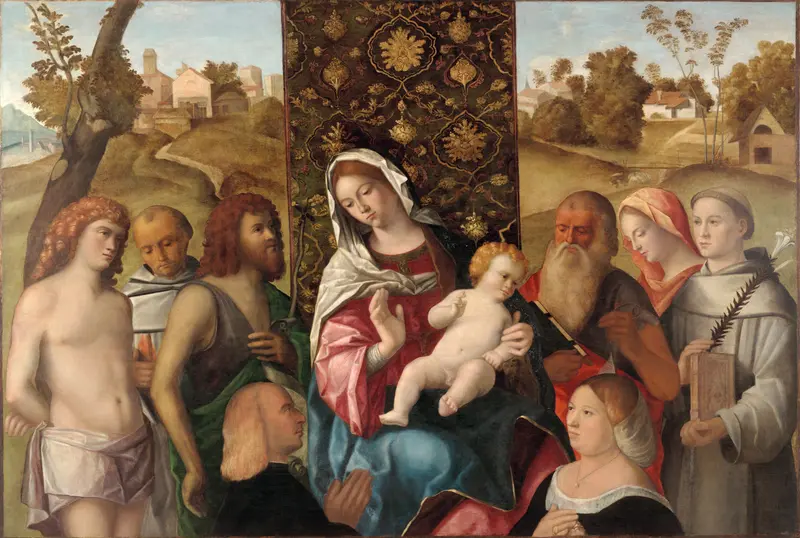
Virgin and Child with Saints Sebastian, Francis, John the Baptist, Jerome, an unidentified female saint, Saint Anthony of Padua and two donors
Giovanni Bellini
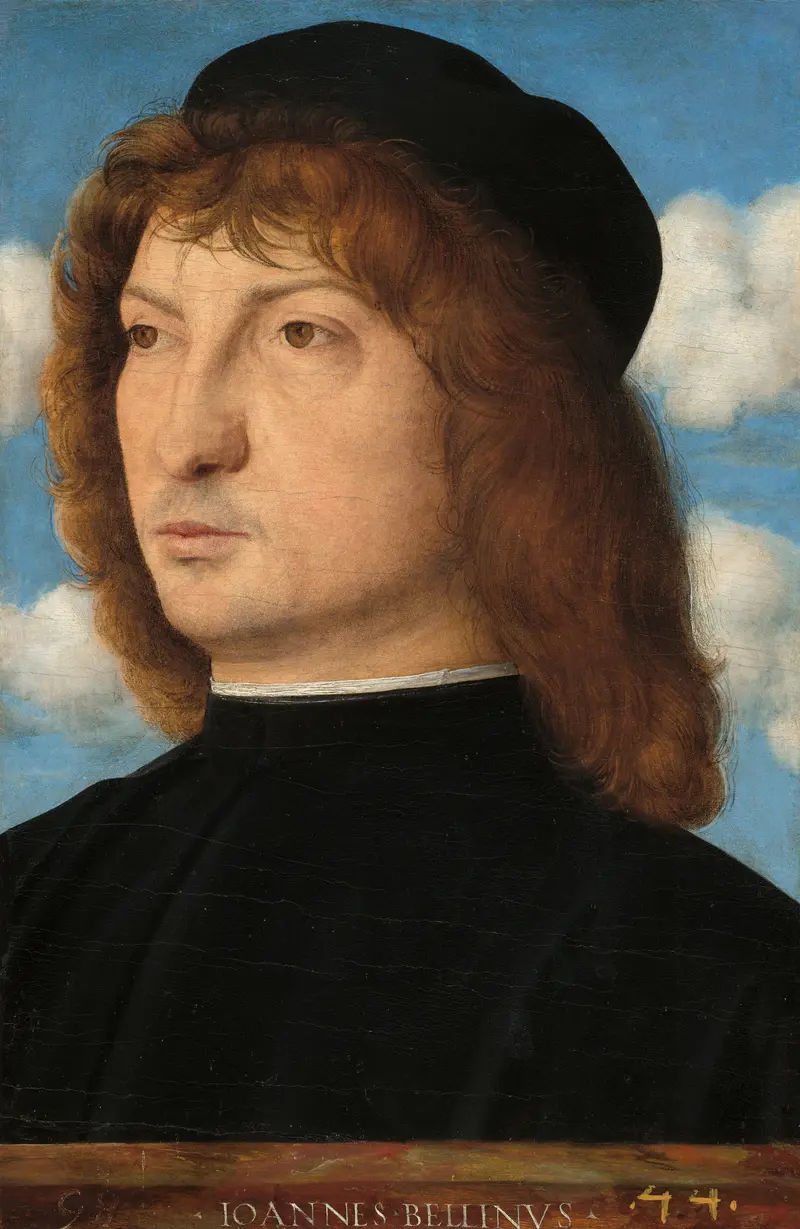
Portrait of a Venetian Gentleman
Giovanni Bellini
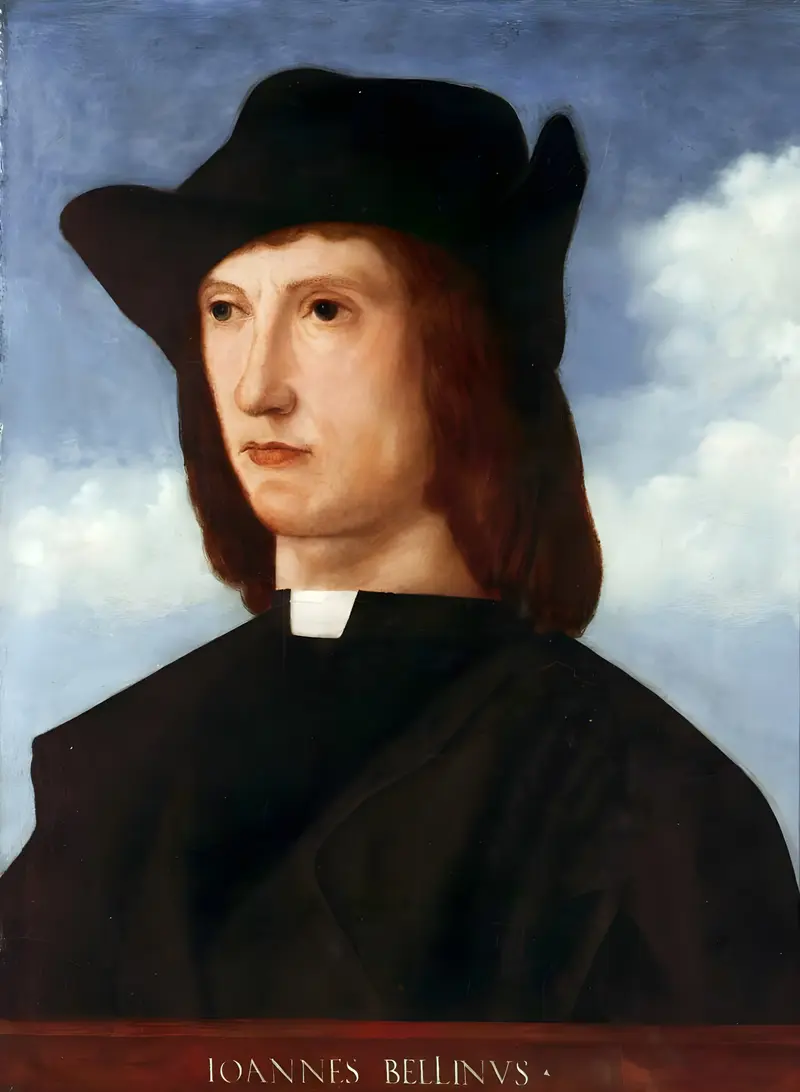
Portrait of a Young Man
Giovanni Bellini
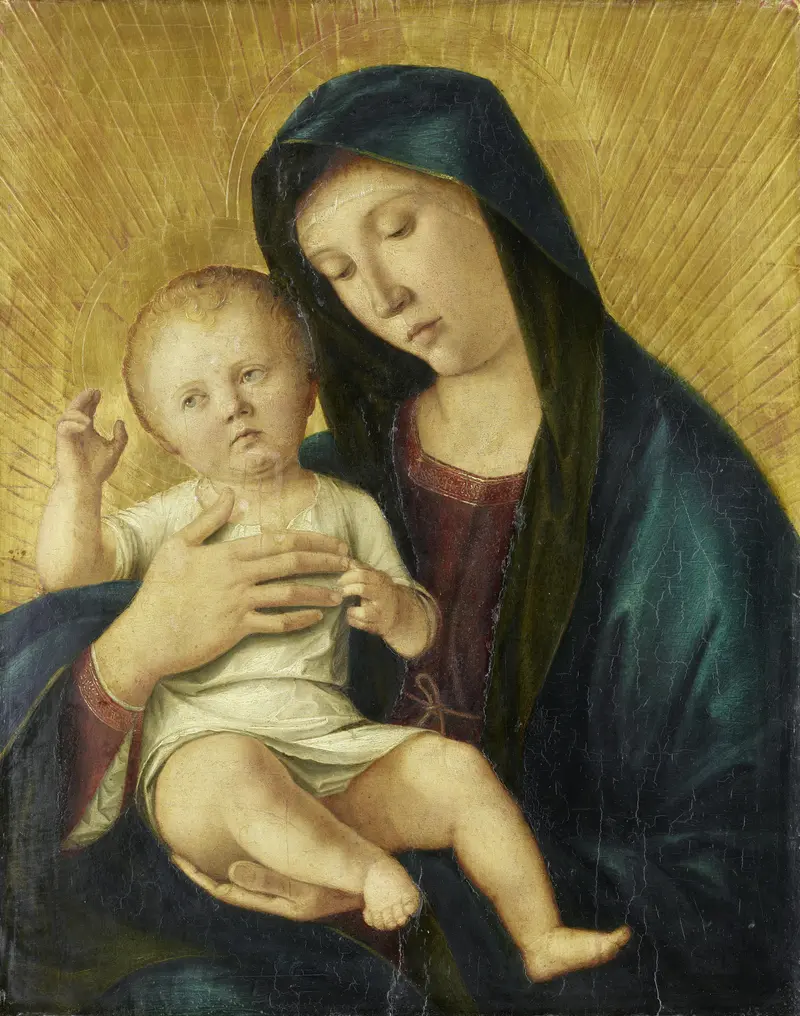
The Virgin with the Blessing Child
Giovanni Bellini





