
The Clown; M. Joret — History & Facts
In The Clown; M. Joret, Henri de Toulouse-Lautrec presents a vibrant portrayal of a clown. The painting features bold colors, primarily reds and yellows, which create a lively atmosphere.
The figure is dressed in traditional clown attire, complete with a ruffled collar and a painted face. The background is a soft blend of colors that emphasizes the subject, drawing the viewer's attention to the clown's expressive features. The painting is executed in oil on canvas, a common medium for Toulouse-Lautrec. The dimensions are approximately 65 x 81 cm, making it a medium-sized work that invites close inspection.
The brushwork is loose and fluid, characteristic of the Post-Impressionist style, allowing for a sense of movement and spontaneity. The use of color and light enhances the emotional impact of the clown's expression. Henri de Toulouse-Lautrec was known for his depictions of Parisian nightlife and its performers. This painting, created around 1896, reflects his fascination with the world of entertainment.
An interesting fact about this work is that it captures the essence of the performer, highlighting the duality of their public persona versus their private self. Toulouse-Lautrec often portrayed clowns and entertainers, revealing the complexity of their lives behind the mask.
More Artworks by Henri de Toulouse-Lautrec
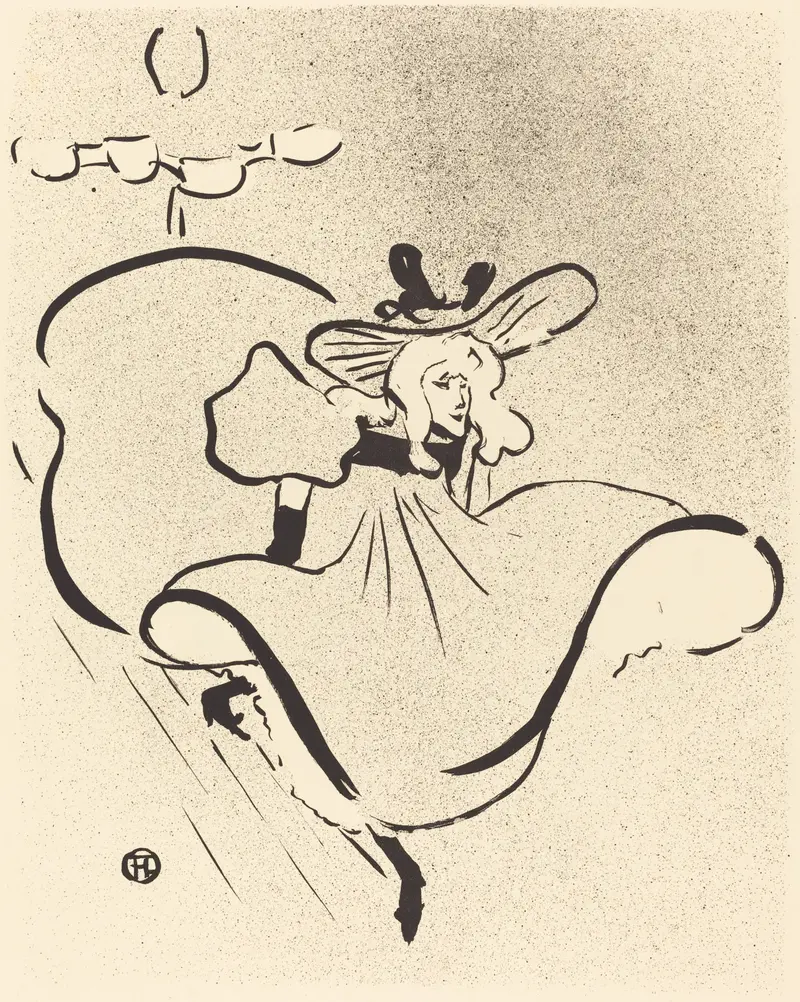
Jane Avril
Henri de Toulouse-Lautrec
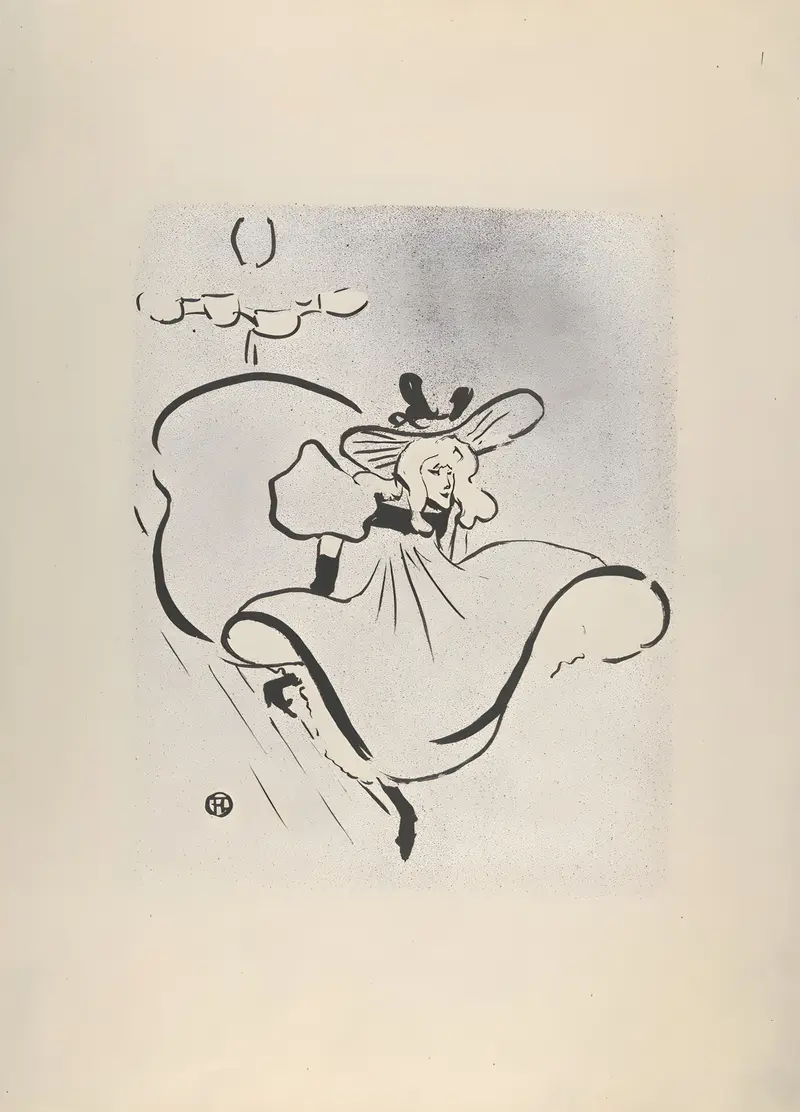
Jane Avril.
Henri de Toulouse-Lautrec

Quadrille at the Moulin Rouge
Henri de Toulouse-Lautrec
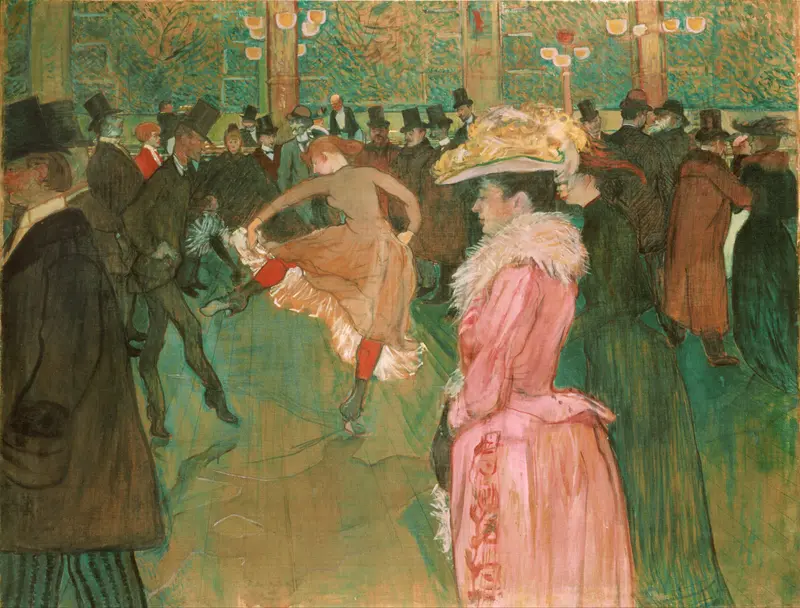
At the Moulin Rouge- The Dance
Henri de Toulouse-Lautrec
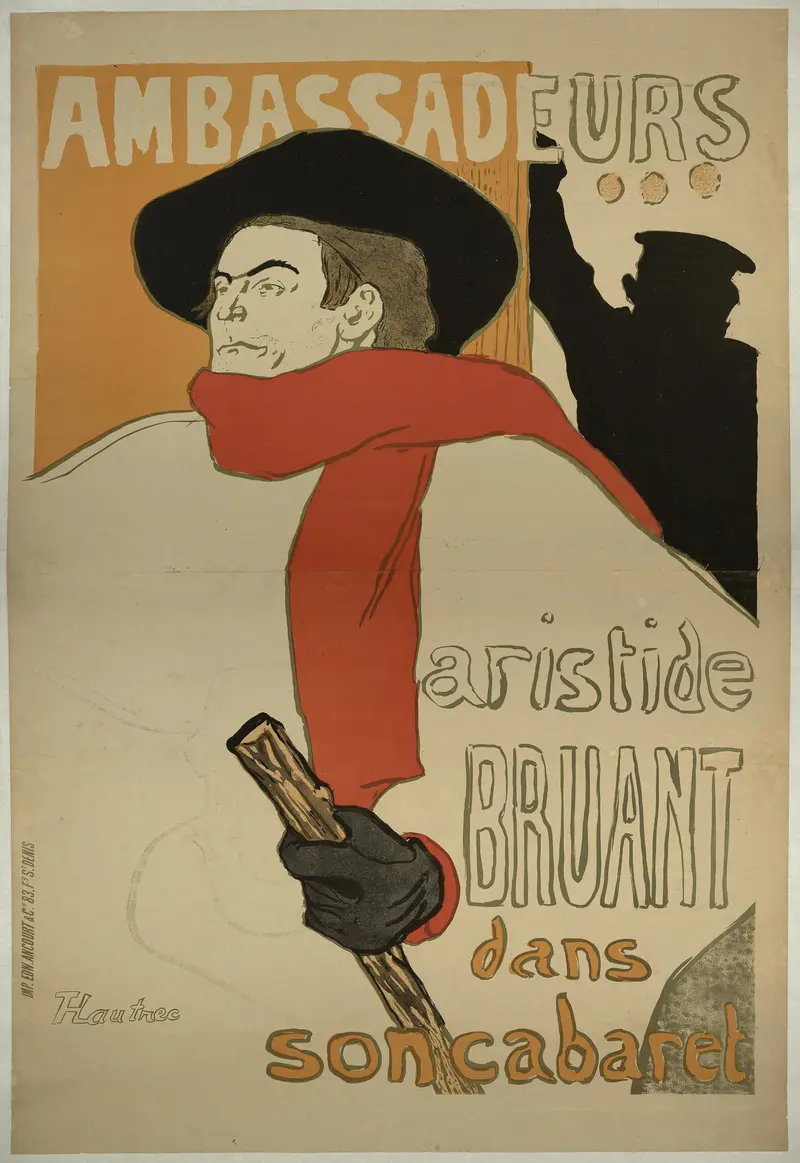
Ambassadeurs. Aristide Bruant dans son cabaret
Henri de Toulouse-Lautrec
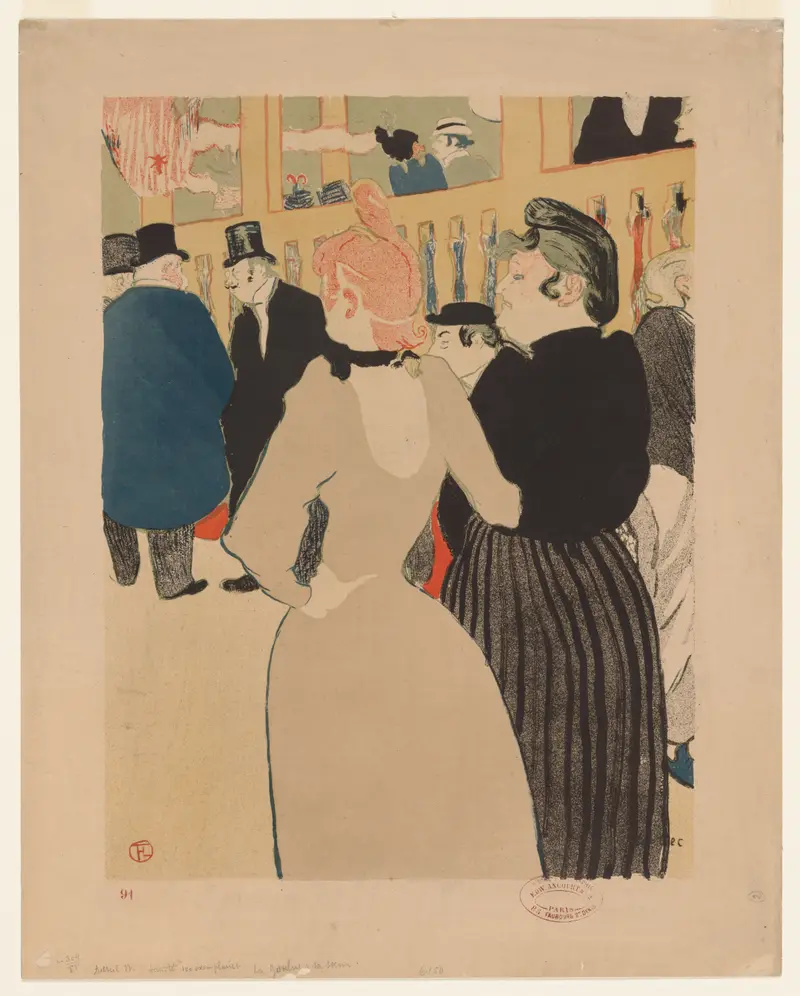
At the Moulin Rouge; La Goulue and Her Sister
Henri de Toulouse-Lautrec
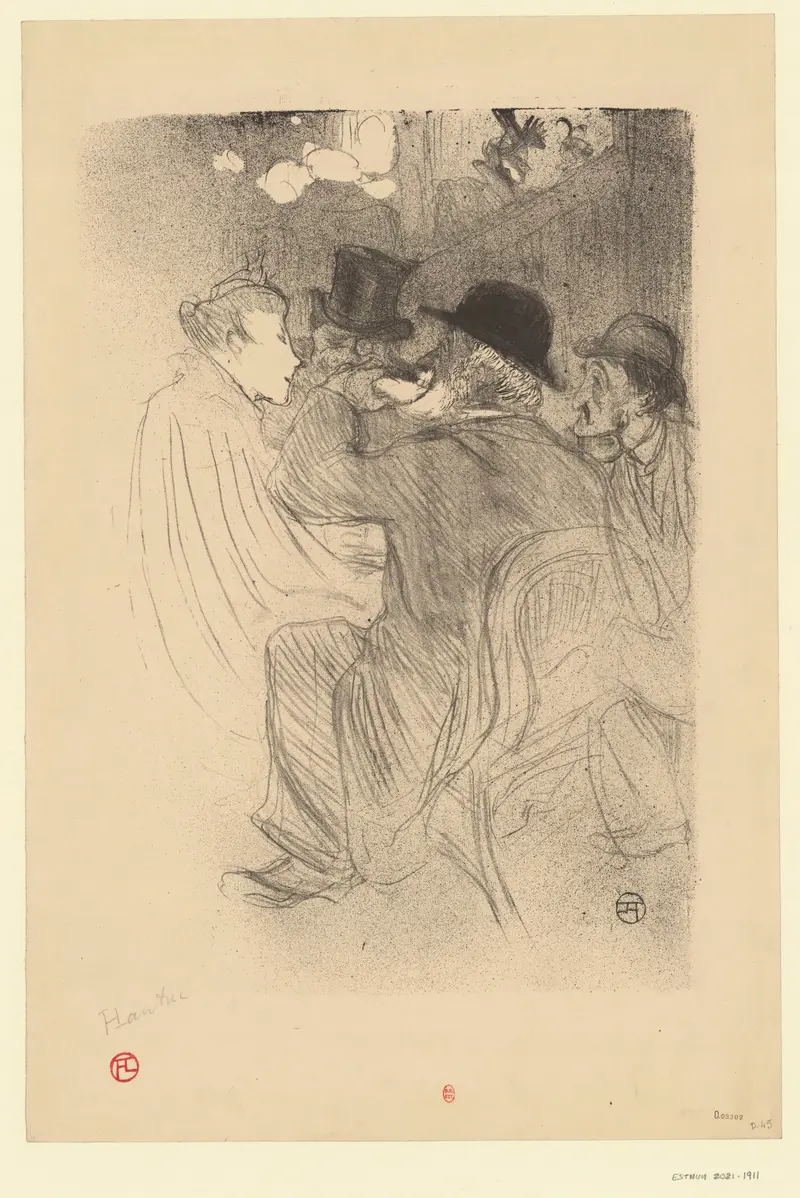
Au Moulin Rouge;Un Rude! Un Vrai Rude!
Henri de Toulouse-Lautrec
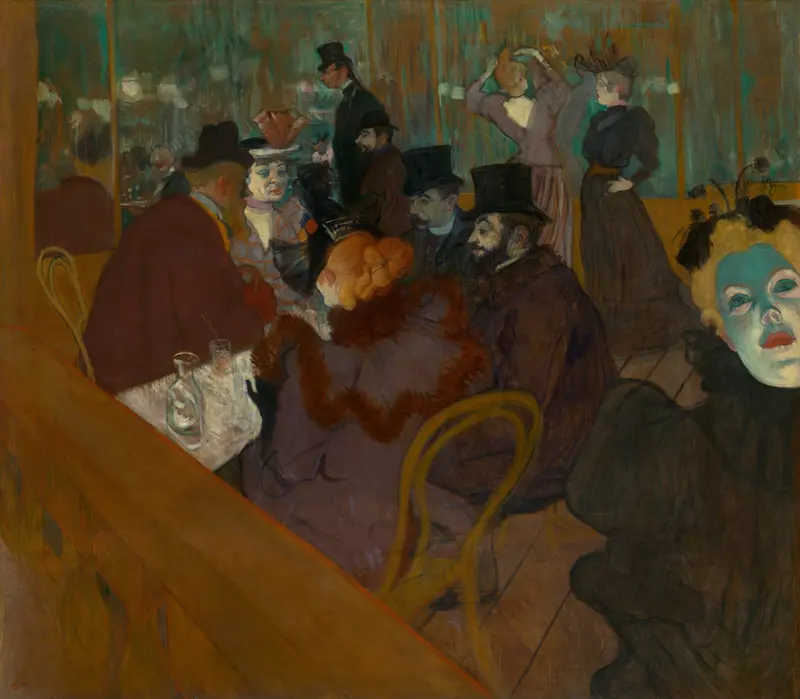
At the Moulin Rouge
Henri de Toulouse-Lautrec
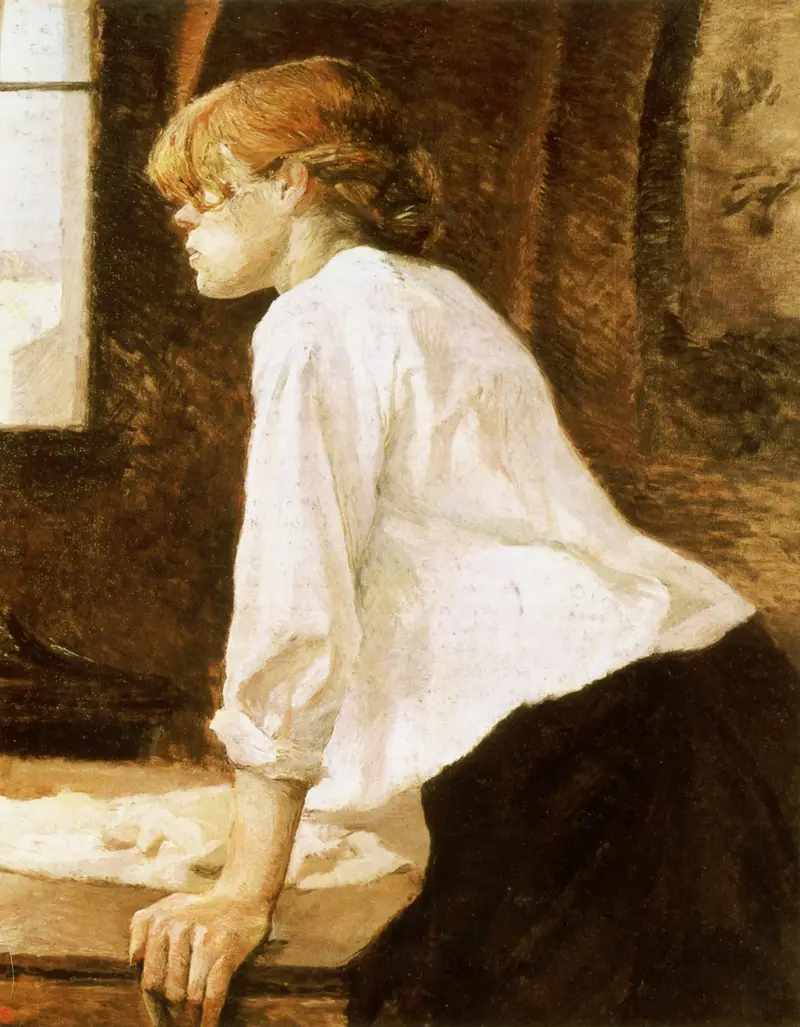
La Blanchisseuse
Henri de Toulouse-Lautrec
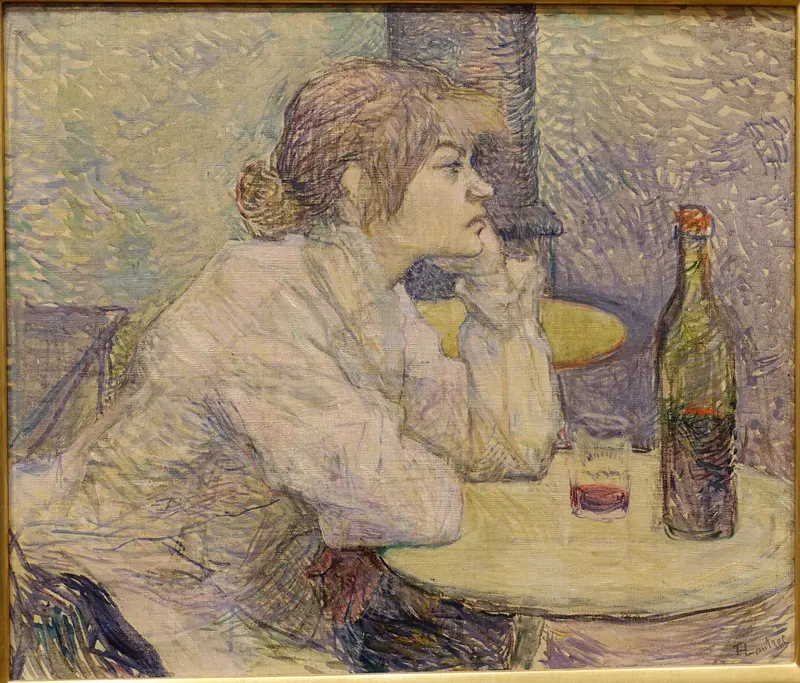
The Hangover (Suzanne Valadon)
Henri de Toulouse-Lautrec





