
The Colosseum — History & Facts
What if silence could speak through light? In The Colosseum, the grandeur of ancient Rome resonates, whispering tales of glory and decay. Focus on the illuminated ruins at the painting’s center, where sunlight bathes the crumbling arches in a warm glow. The rich, earthy tones of ochre and sienna highlight the texture of the stone, inviting you to trace the contours of this monumental structure. As you scan the canvas, notice the contrasting hues of blue in the sky, which seem to cradle the Colosseum, adding depth and a sense of time suspended.
The composition draws the eye upward, suggesting a yearning for the past as nature gently reclaims its space. The juxtaposition of light and shadow evokes a deeper emotional resonance, revealing a dialogue between humanity and nature. The warmth of the light symbolizes hope and awakening, while the ruins represent the inevitable passage of time and the fragility of human achievement. Small details, such as the creeping vines, hint at nature's resilience and the gradual quietude surrounding the once-bustling arena.
This interplay encourages reflection on the cycle of life and legacy, urging viewers to consider what endures beyond the ephemeral. Thomas Cole painted The Colosseum in 1832, during a period of intense exploration in American landscape painting. Amidst the burgeoning Romantic movement, Cole sought to evoke emotions through natural scenes and historical subjects, reflecting both the beauty and transience of human accomplishments. With this work, he contributes to a growing narrative that intertwines nature with the remnants of civilization, inviting viewers to ponder the implications of time on memory and existence.
More Artworks by Thomas Cole
Browse all →
View from Mount Holyoke, Northampton, Massachusetts, after a Thunderstorm—The Oxbow
Thomas Cole
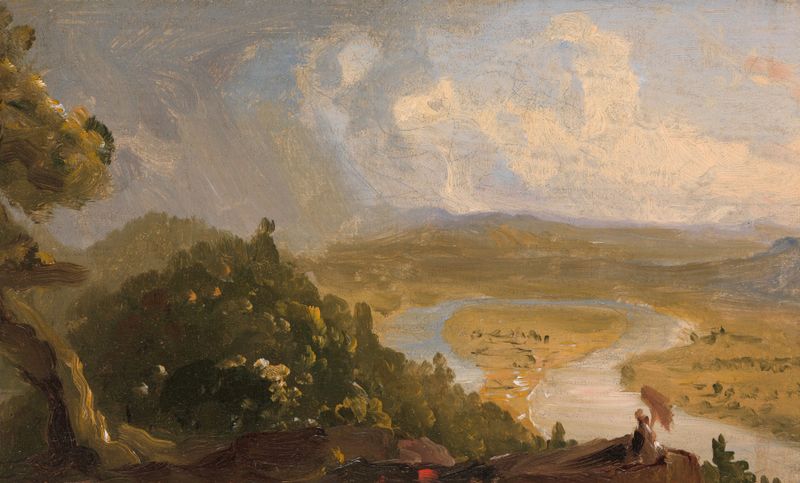
Sketch for View from Mount Holyoke, Northampton, Massachusetts, after a Thunderstorm (The Oxbow)
Thomas Cole
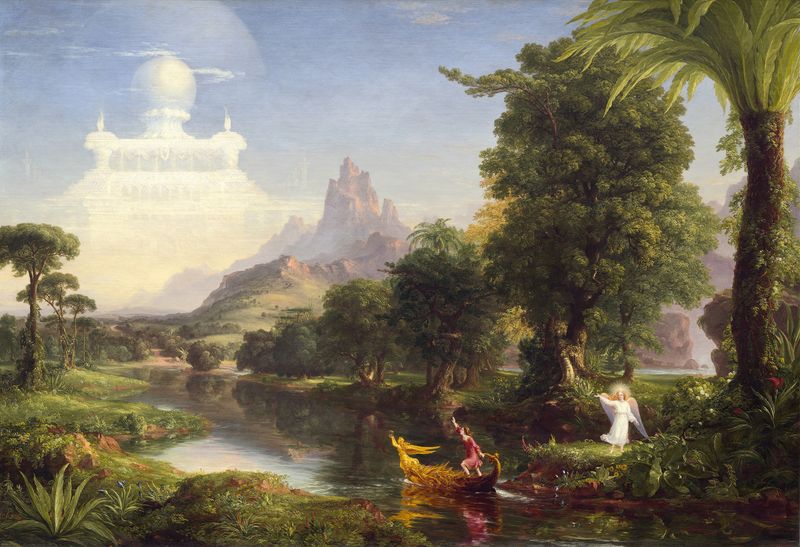
The Voyage of Life – Youth
Thomas Cole
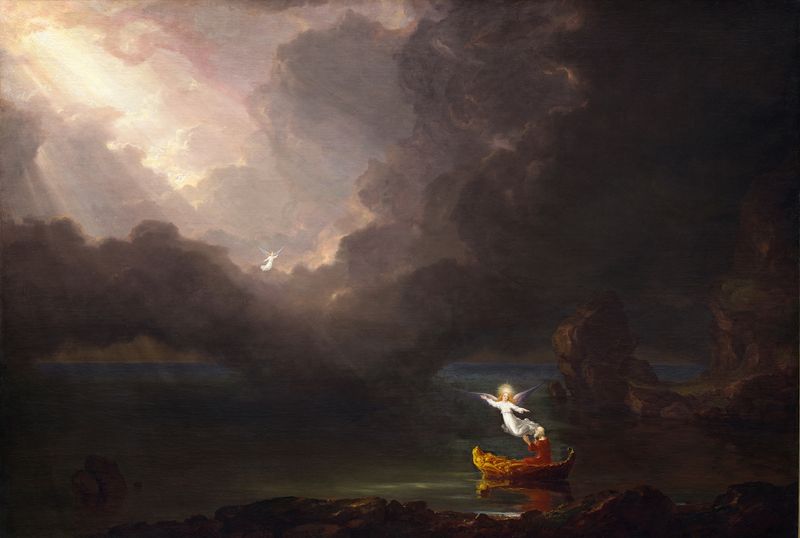
The Voyage of Life – Old Age
Thomas Cole
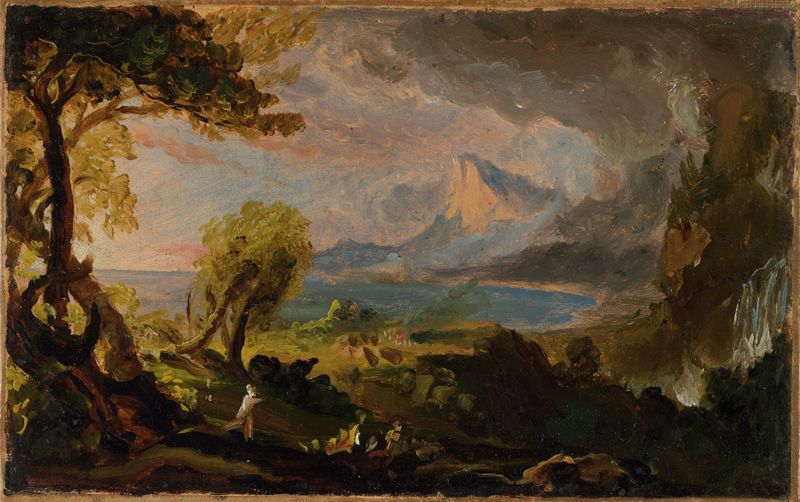
The Course of Empire–The Savage State
Thomas Cole

Landscape
Thomas Cole

New England Scenery
Thomas Cole

Sunrise in the Catskills
Thomas Cole
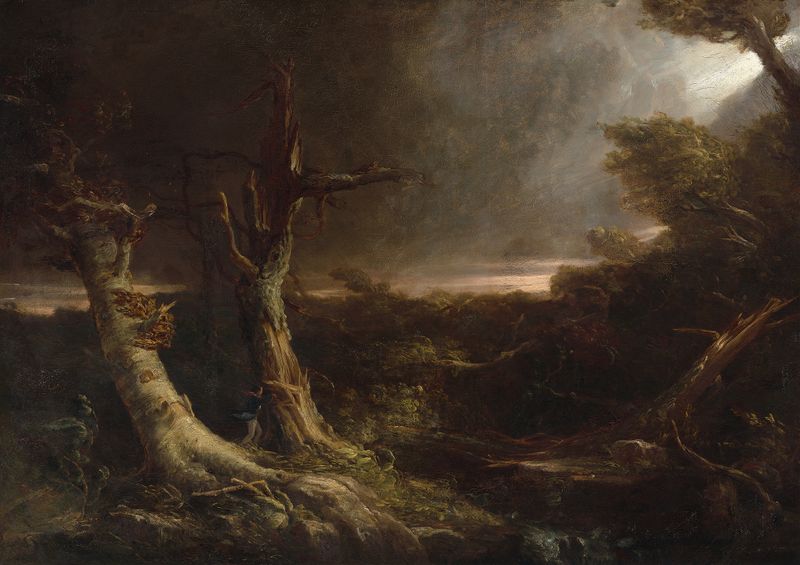
Tornado in an American Forest
Thomas Cole
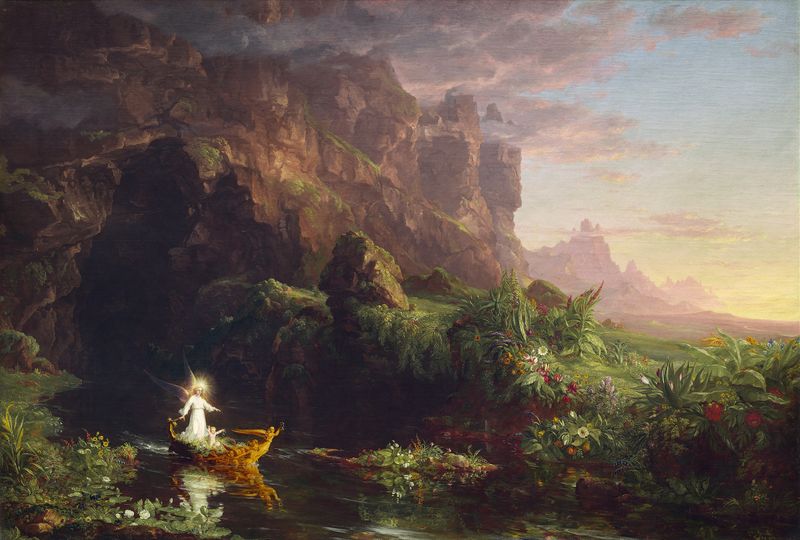
The Voyage of Life – Childhood
Thomas Cole
More Architecture Art
Browse all →
The statue of Liberty
Frédéric Auguste Bartholdi

View of Houses in Delft, Known as ‘The Little Street’
Johannes Vermeer

View of Houses in Delft, Known as ‘The Little Street’
Johannes Vermeer

The Cathedral in Rouen. The portal, Grey Weather
Claude Monet

The yellow house
Vincent van Gogh

The Church in Auvers-sur-Oise, View from the Chevet
Vincent van Gogh