
The Colossus of Barletta — History & Facts
Did the painter know this moment would outlive them? In the stillness captured within the canvas, a haunting silence envelops the legendary figure, echoing across time and space. Look to the center where the colossal statue rises, almost commanding the viewer's gaze. Notice how the warm hues of the earth contrast sharply with the muted blue sky, creating a sense of both stability and transience. The rough textures of the stone amplify its monumental presence, while the carefully rendered details of the figure’s drapery whisper stories of age and endurance.
This delicate balance of light and shadow brings depth to the scene, inviting contemplation of the silent witness standing against the tides of history. Delve deeper into the emotional tensions presented in this work. The figure, though grand in scale, is imbued with a sense of isolation, reflecting the duality of glory and anonymity. The surrounding emptiness underscores the mighty figure's solitude, evoking questions about legacy and memory.
Each meticulously crafted line suggests a narrative beyond the visual, a contemplation of what it means to be immortalized in stone yet tethered to silence. In 1785, Reveley painted this monumental work amidst a burgeoning interest in antiquity and neoclassicism, influenced by the political currents of his time. Living in Italy, he absorbed the rich context of classical art while grappling with the shifting ideals of the Enlightenment. This period marked a crucial intersection in artistic evolution, as artists sought to blend historical reverence with contemporary thought, a challenge beautifully embodied in this striking piece.
More Artworks by Willey Reveley
Browse all →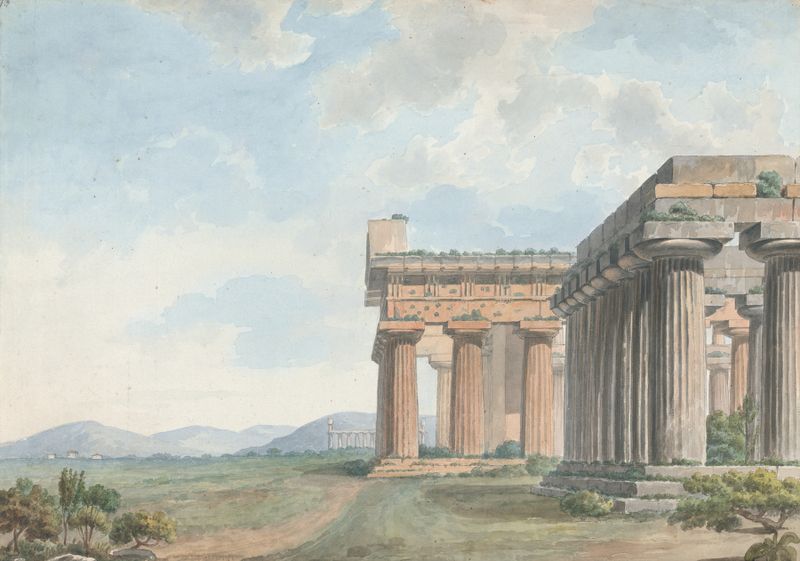
Temple Ruins at Paestum
Willey Reveley
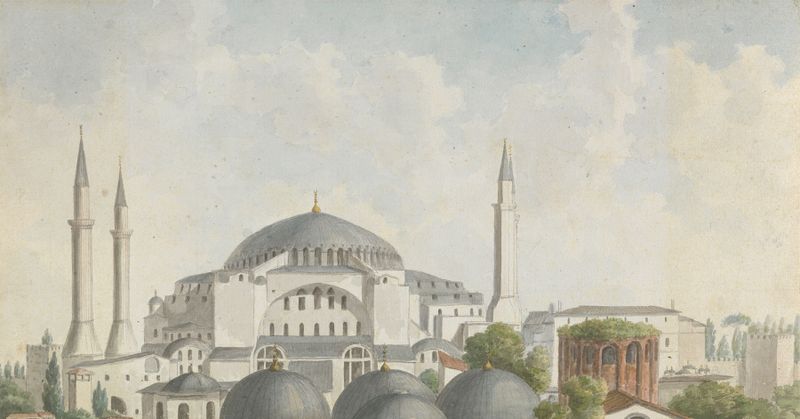
View of the domes and spires of Hagia Sophia, Istanbul
Willey Reveley
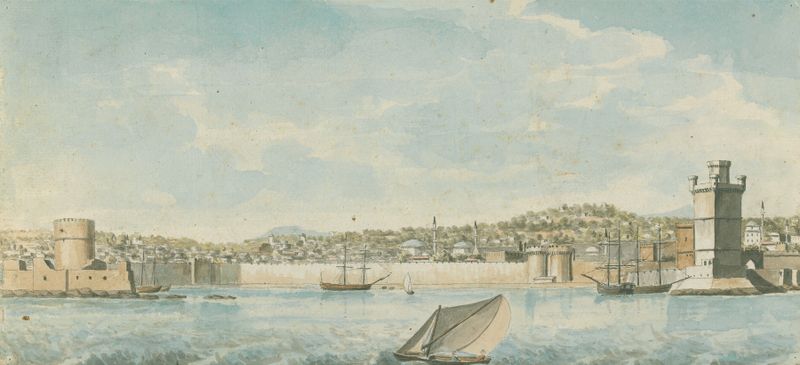
View of a Walled Town and Harbour with Towers Seen From the Sea
Willey Reveley
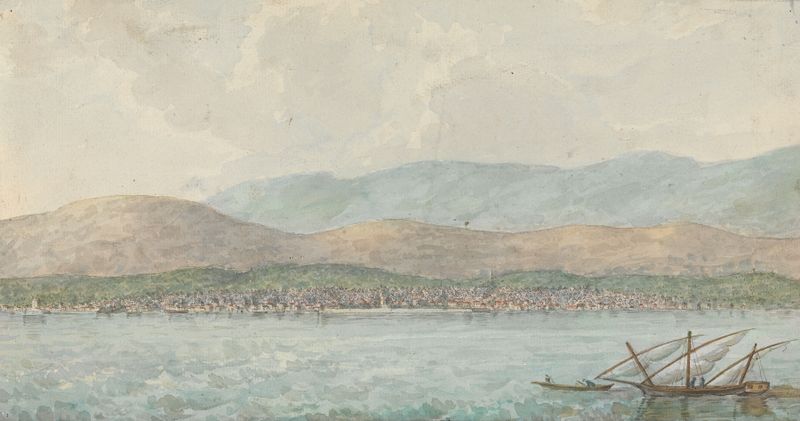
View of a Harbour and Town From the Sea, Turkey
Willey Reveley
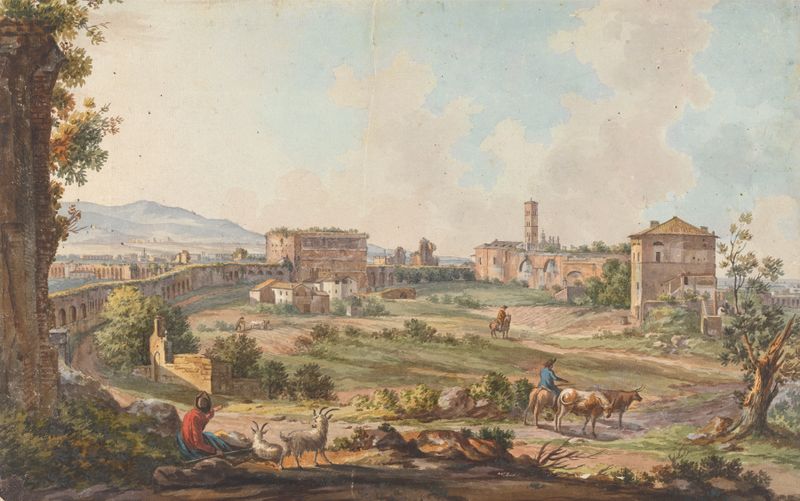
Ruins in Rome with Goats, Cows and Herdsmen
Willey Reveley
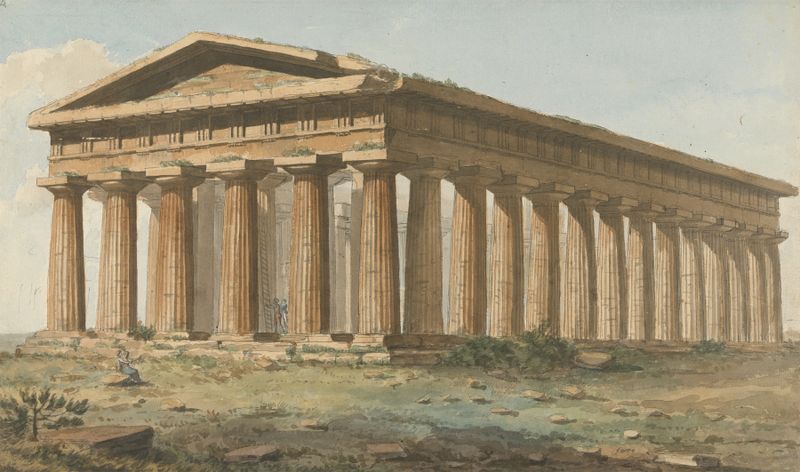
Paestum
Willey Reveley
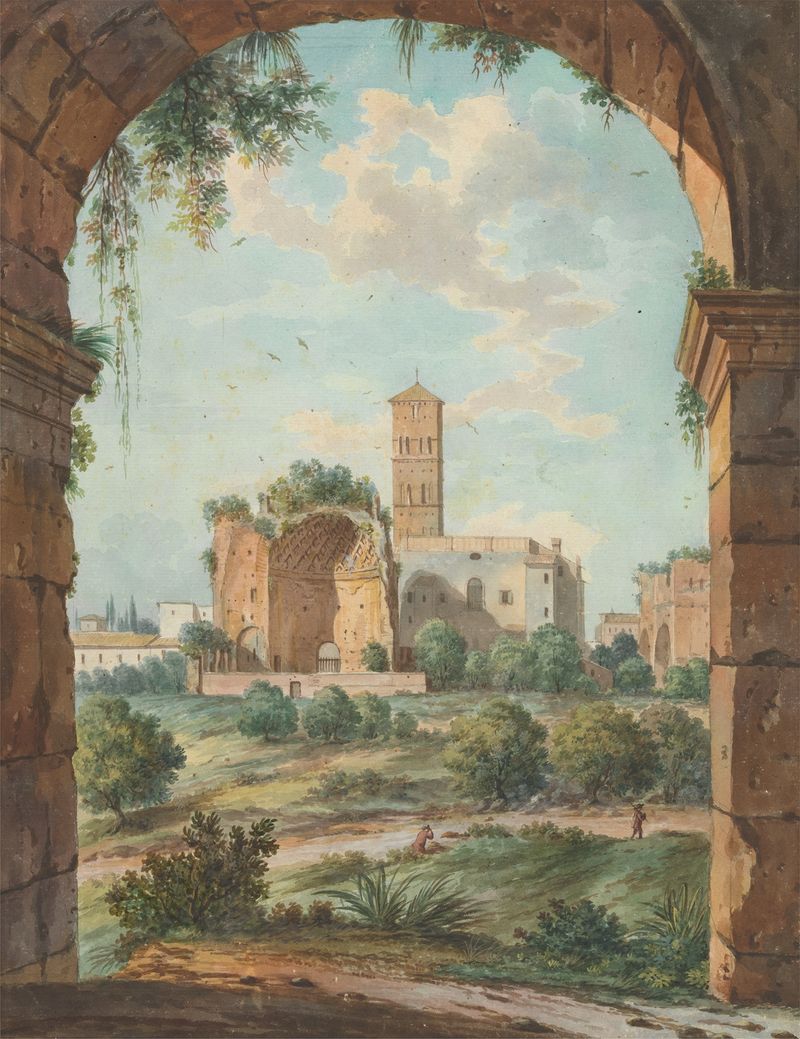
Rome with Ruins seen Through an Archway
Willey Reveley
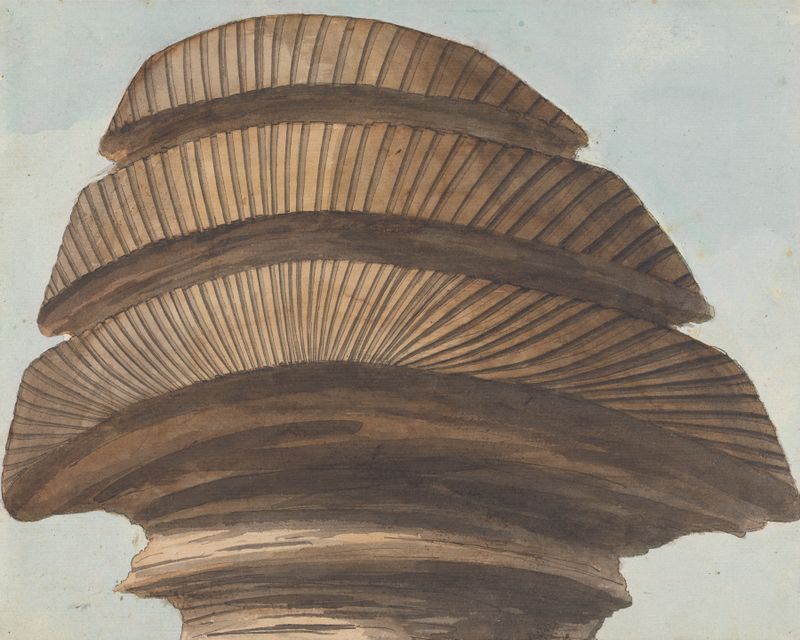
Back View of the Head of the Sphinx
Willey Reveley
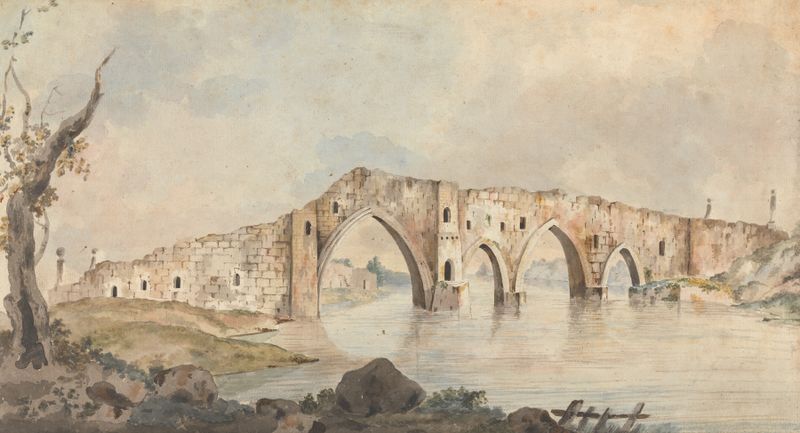
Ruined Bridge with Four Pointed Arches Near Rome
Willey Reveley
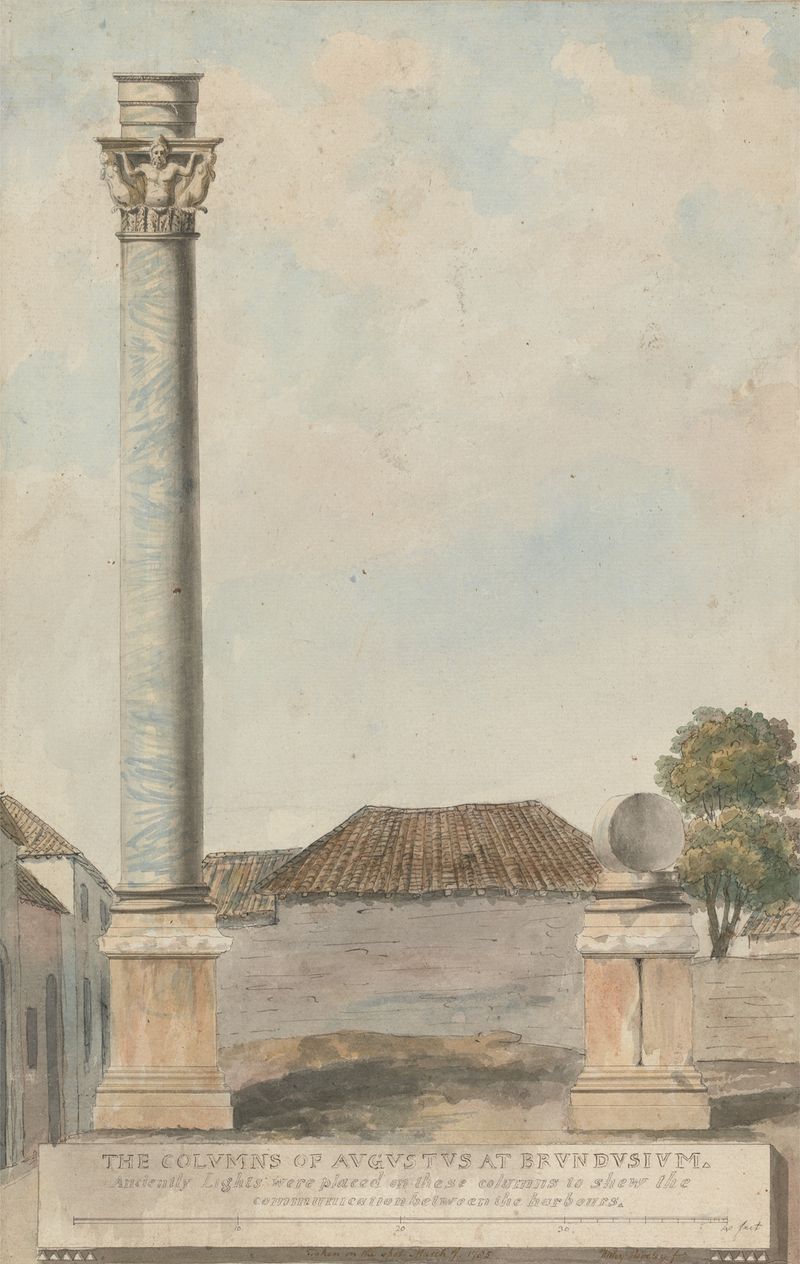
The Columns of Augustus at Brundisium
Willey Reveley
More Historical Art
Browse all →
The Night Watch Militia Company of District II under the Command of Captain Frans Banninck Cocq
Rembrandt van Rijn

Lincoln Memorial
Henry Bacon

The Third of May 1808
Francisco de Goya

Isaac and Rebecca, Known as ‘The Jewish Bride’
Rembrandt van Rijn

The Charge of the Mamelukes (1814)
Francisco de Goya

De vier ruiters van de apocalyps
Albrecht Dürer