The Constitution — History & Facts
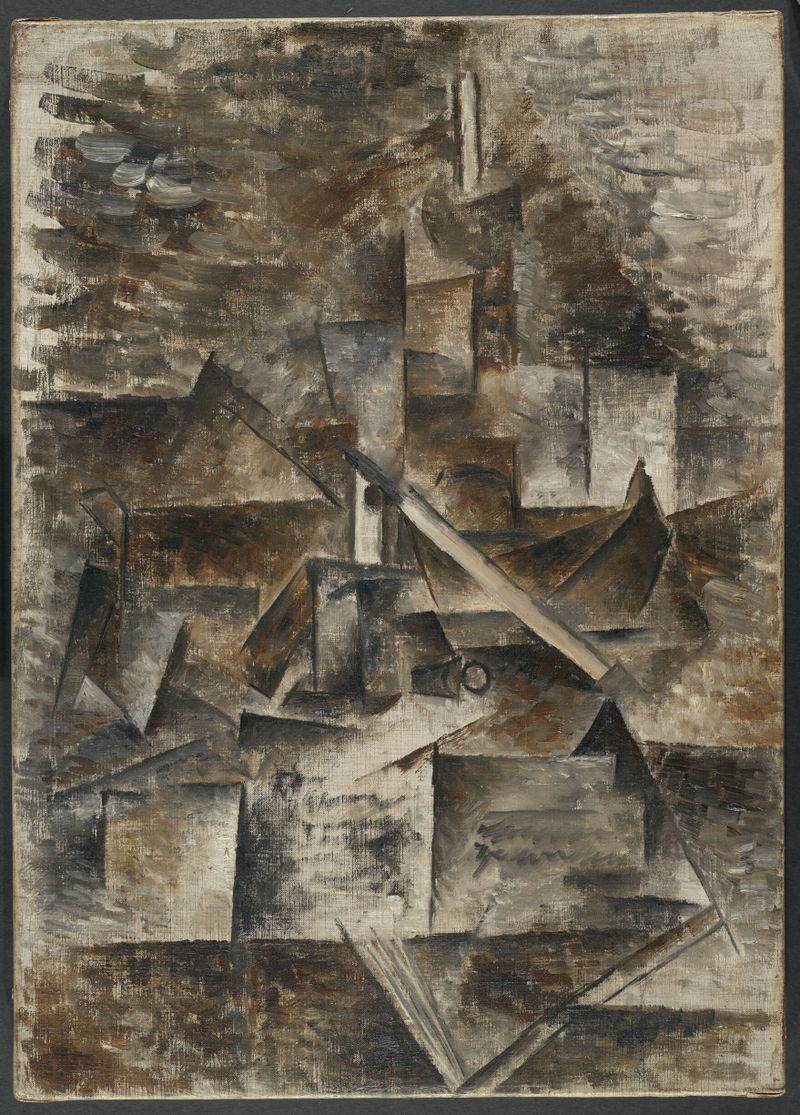
What if silence could speak through light? In The Constitution, Emil Carlsen masterfully explores the delicate interplay of existence and mortality, inviting us to ponder the invisible forces that shape our lives. Look to the center of the canvas, where light diffuses softly, illuminating a solitary object draped with a translucent cloth. The muted palette of browns and grays evokes a stillness, while the gentle play of shadows adds a sense of depth and mystery. Notice how the fabric seems to cradle the object, suggesting both protection and vulnerability, a poignant reminder of life’s fragility and the inevitable approach of time. Hidden within the simplicity of this still life lies a profound commentary on the human condition.
The draped form hints at both presence and absence, evoking a sense of longing for what once was. The interplay of light and shadow not only creates a visual tension but also symbolizes the balance between life and death, inviting viewers to reflect on their own mortality and the passage of time. In 1881, Carlsen was based in New York, immersed in the vibrant art scene that was transitioning between realism and impressionism. This period was marked by a growing interest in the emotional depth of still life, as artists began to explore the subtleties of light and atmosphere.
Carlsen’s work reflects both personal contemplation and broader artistic movements, capturing the essence of life’s fleeting moments within the stillness of an everyday object.
More Artworks by Emil Carlsen
Browse all →
In The Maine Woods
Emil Carlsen
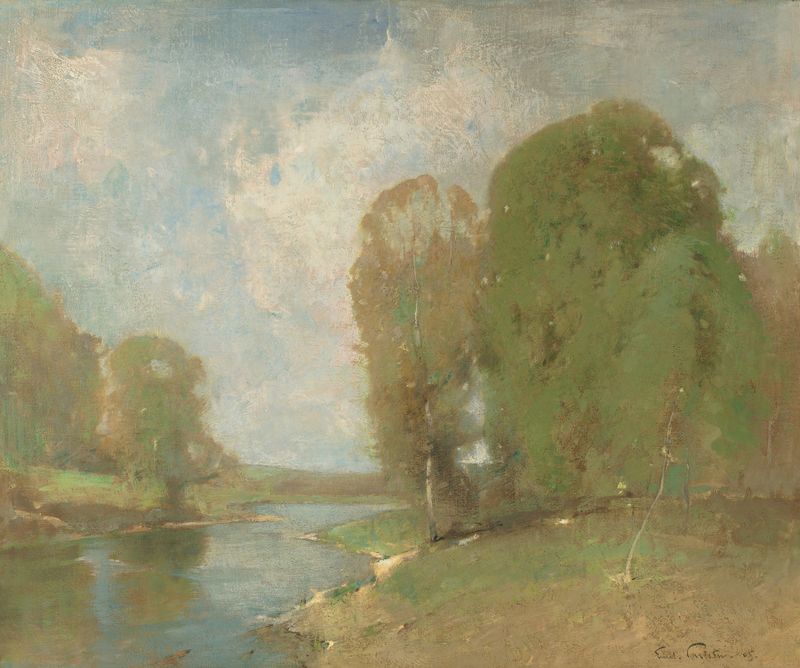
Meadow Brook
Emil Carlsen

Bald Head Cliff, York, Maine
Emil Carlsen
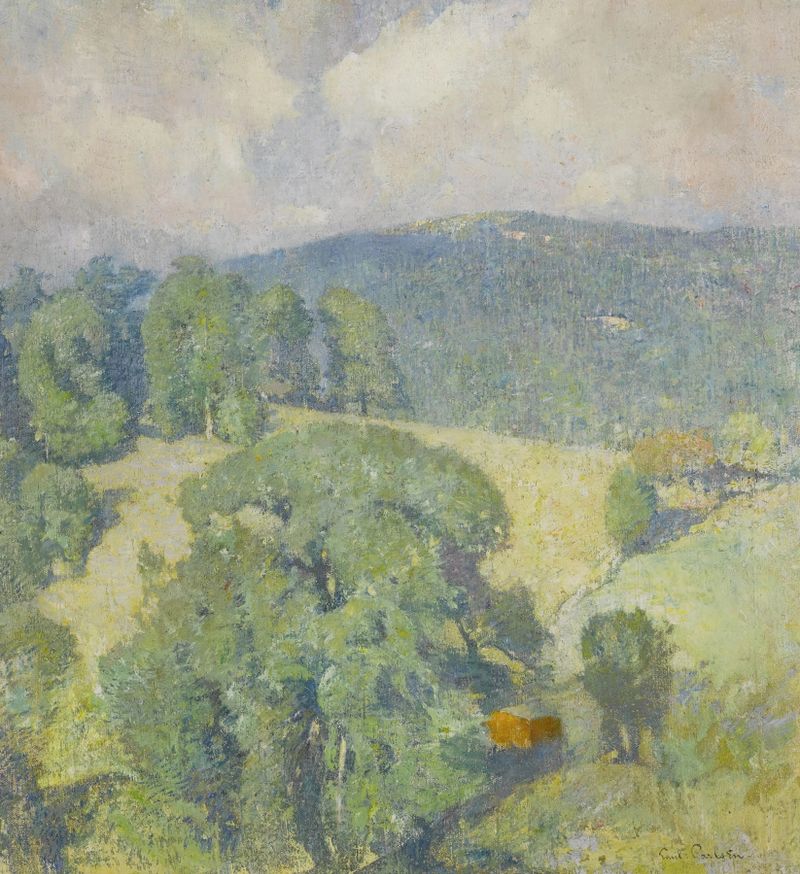
Connecticut Hillside
Emil Carlsen
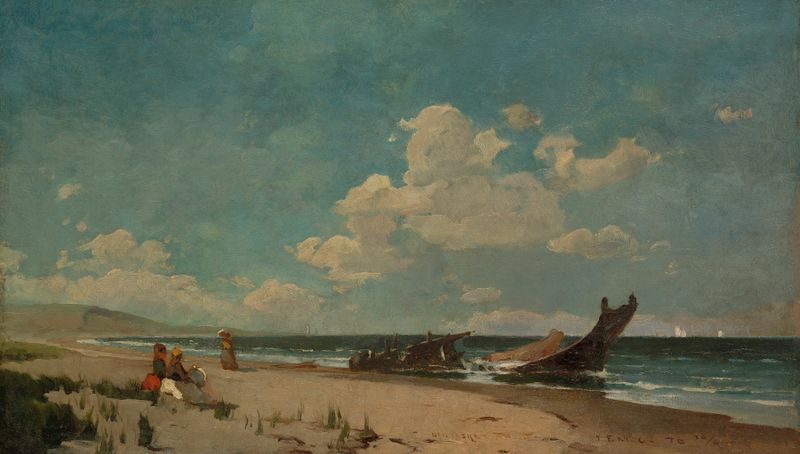
Nantasket Beach
Emil Carlsen

Nantasket Beach
Emil Carlsen

Fishing Boat on Shore
Emil Carlsen
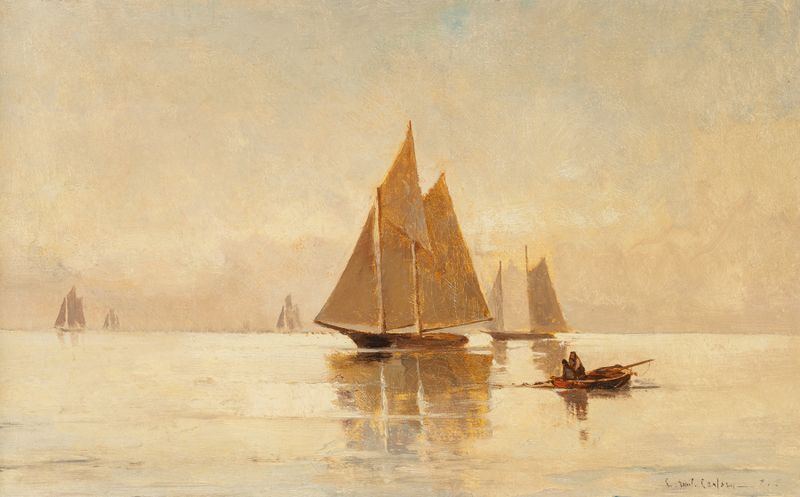
Sailboats in the Evening
Emil Carlsen

The South Strand
Emil Carlsen

In the Pine Woods
Emil Carlsen