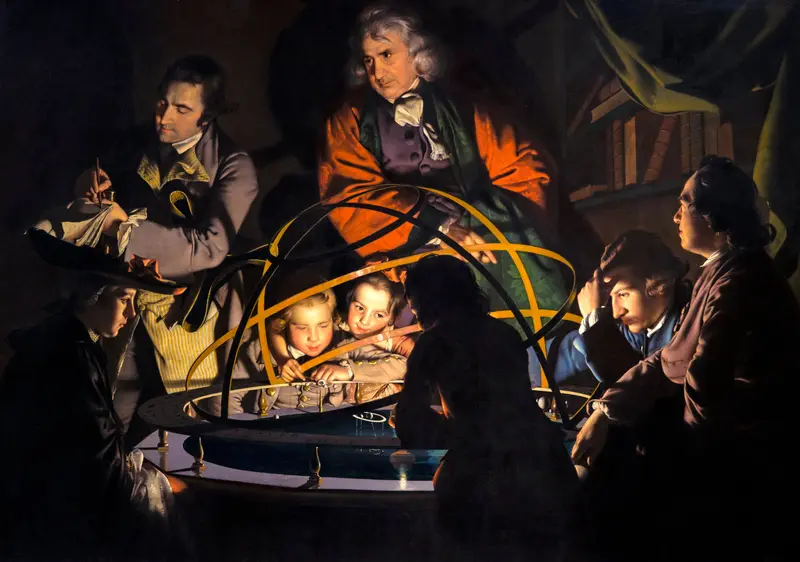
About The Dance of the 41: history and the print
The Met measures the sheet at just 7.8 by 10.8 centimetres. The Dance of the 41 is an etching on zinc made in 1901 by José Guadalupe Posada (1852–1913), and the Metropolitan Museum of Art in New York, which holds it, describes the scene as a dance with men in dresses paired with men in suits. It was taken from a broadside about a police raid on a private ball in Mexico City, an event Spanish speakers call El baile de los 41.
- The broadside title: the Met records the sheet as coming from a broadside entitled “Los 41 maricones encontrados en un baile de la Calle de la Paz el 20 de Noviembre de 1901”, quoted here once as the museum gives it. The title names a street, Calle de la Paz, and a date.
- A date the press contradicts: The writer Sergio Téllez-Pon notes that newspapers reported the ball on 19 November 1901, a day before the date in the title. From the first newspaper note, which says police found the dance on a Saturday night, he counts back to 16 November.
- Numbers that changed: the first newspaper notes spoke of 42 people, and later reports gave 41, the figure that stayed attached to the event, according to Téllez-Pon.
- The press behind the sheet: Téllez-Pon writes that the flysheets carrying Posada’s engravings came from the press of Antonio Vanegas Arroyo. He counts them, with the newspaper notes and court files that cannot be consulted, among the only documentary sources on the ball.
- In the Met’s collection: accession number 30.82.107, Gift of Jean Charlot, 1930. The museum’s record flags the object as public domain.
Sources: Metropolitan Museum of Art: record 30.82.107 · Metropolitan Museum of Art: collection data for 30.82.107 · Sergio Téllez-Pon, Confabulario (El Universal) · Wikidata Q732526 (José Guadalupe Posada) · Sergio Téllez-Pon, La Razón, 14 Nov 2026
Questions and answers about the print
What is the story behind The Dance of the 41?
It is the story of a police raid on a private ball in Mexico City in November 1901. According to the writer Sergio Téllez-Pon, newspapers reported it on 19 November: police found a dance behind closed doors in a house on Calle de la Paz and took everyone present to the police station. Early notes counted 42 people, later ones 41. Posada’s engraved flysheets, printed by Antonio Vanegas Arroyo, are among the few documents that survive on the event.
Source: Sergio Téllez-Pon, Confabulario (El Universal) · Sergio Téllez-Pon, La Razón, 14 Nov 2026
What does Posada’s print of the 1901 ball show?
The Met describes the etching as a dance with men in dresses paired with men in suits. The museum gives no further description of the figures, so this page adds none. The sheet comes from a broadside, which is why its title names a street and a date.
Source: Metropolitan Museum of Art: record 30.82.107 · Metropolitan Museum of Art: collection data for 30.82.107
Why does Posada’s broadside give 20 November 1901?
Sergio Téllez-Pon calls the date in the broadside’s title an error. Newspapers had already reported the ball on 19 November; he places the discovery on the night of Saturday 16 November, with the raid itself at 3 a.m. on Sunday 17 November in the account of La Patria. Other writers have given other days, so the date varies by source.
Source: Sergio Téllez-Pon, Confabulario (El Universal) · Sergio Téllez-Pon, La Razón, 14 Nov 2026
Where can I see Posada’s print of the ball of 1901?
At the Metropolitan Museum of Art in New York, which holds it as accession number 30.82.107, a gift of Jean Charlot in 1930. As of 17 November 2026 the museum’s online record lists no gallery location for it. Displays change, so check with the museum before a visit.
Source: Metropolitan Museum of Art: record 30.82.107 · Metropolitan Museum of Art: collection data for 30.82.107
How big is the etching, and how was it made?
The Dance of the 41 is an etching on zinc, and the sheet measures 7.8 × 10.8 cm (about 3 × 4¼ inches), according to the Met. It is dated 1901 and attributed to José Guadalupe Posada, born in Aguascalientes in 1852 and died in Mexico City in 1913.
Source: Metropolitan Museum of Art: record 30.82.107 · Metropolitan Museum of Art: collection data for 30.82.107 · Wikidata Q732526 (José Guadalupe Posada)
Can I use Posada’s print of the 1901 ball for free?
Yes. Posada died in 1913, so his prints are free of copyright everywhere. A faithful photograph of a public-domain work adds no new copyright in the United States or the European Union, so you can download this image and use it in personal or commercial projects. The guide Public-domain images for commercial use explains how.
Source: Wikidata Q732526 (José Guadalupe Posada) · Metropolitan Museum of Art: record 30.82.107
More Artworks by José Guadalupe Posada
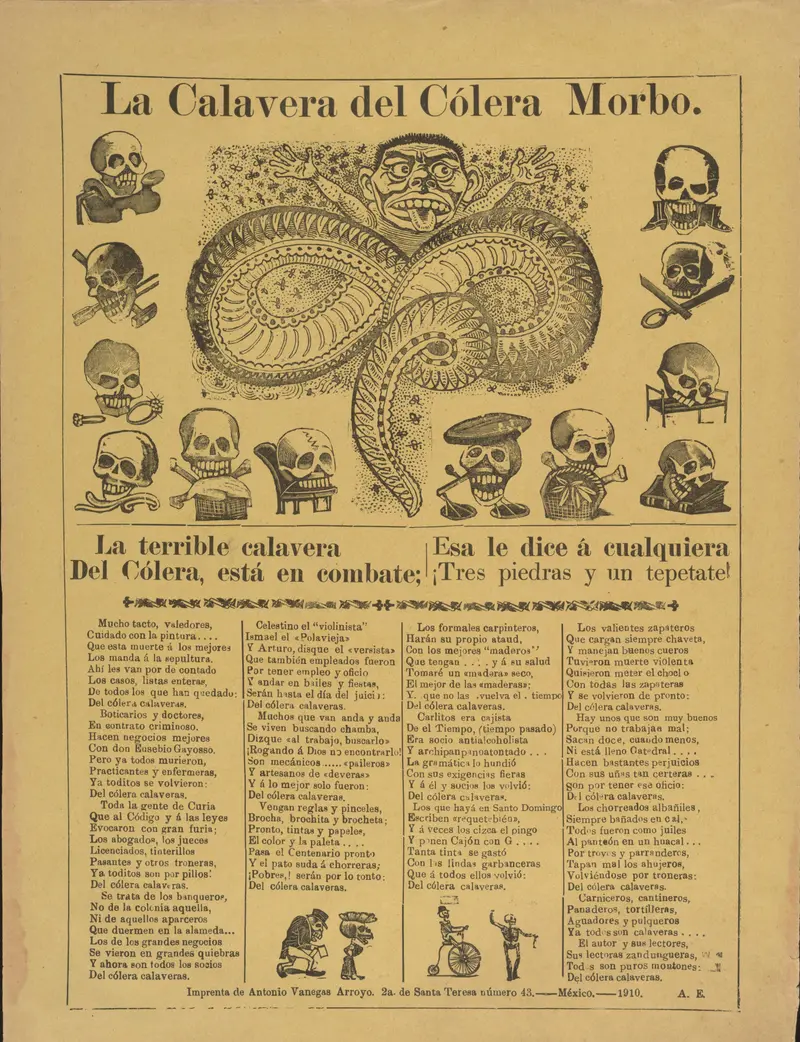
Calavera of the Cholera
José Guadalupe Posada
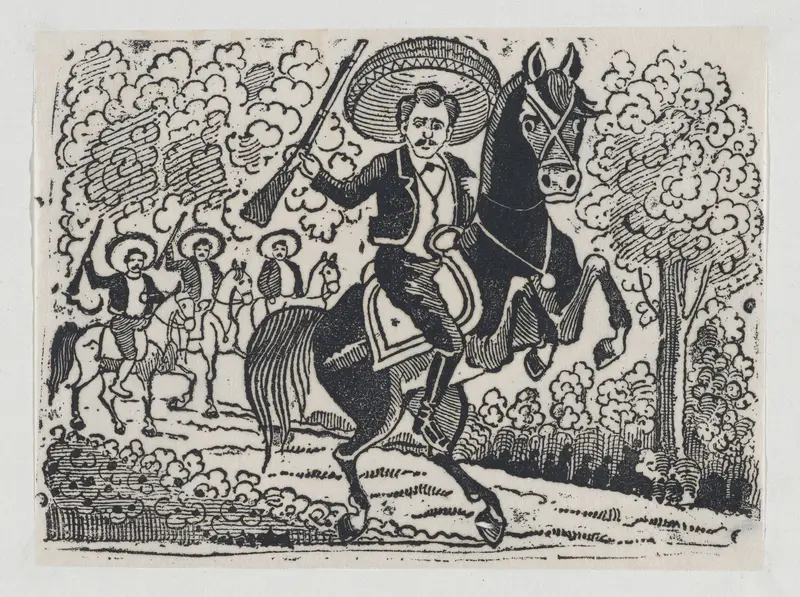
Emiliano Zapata on Horseback
José Guadalupe Posada
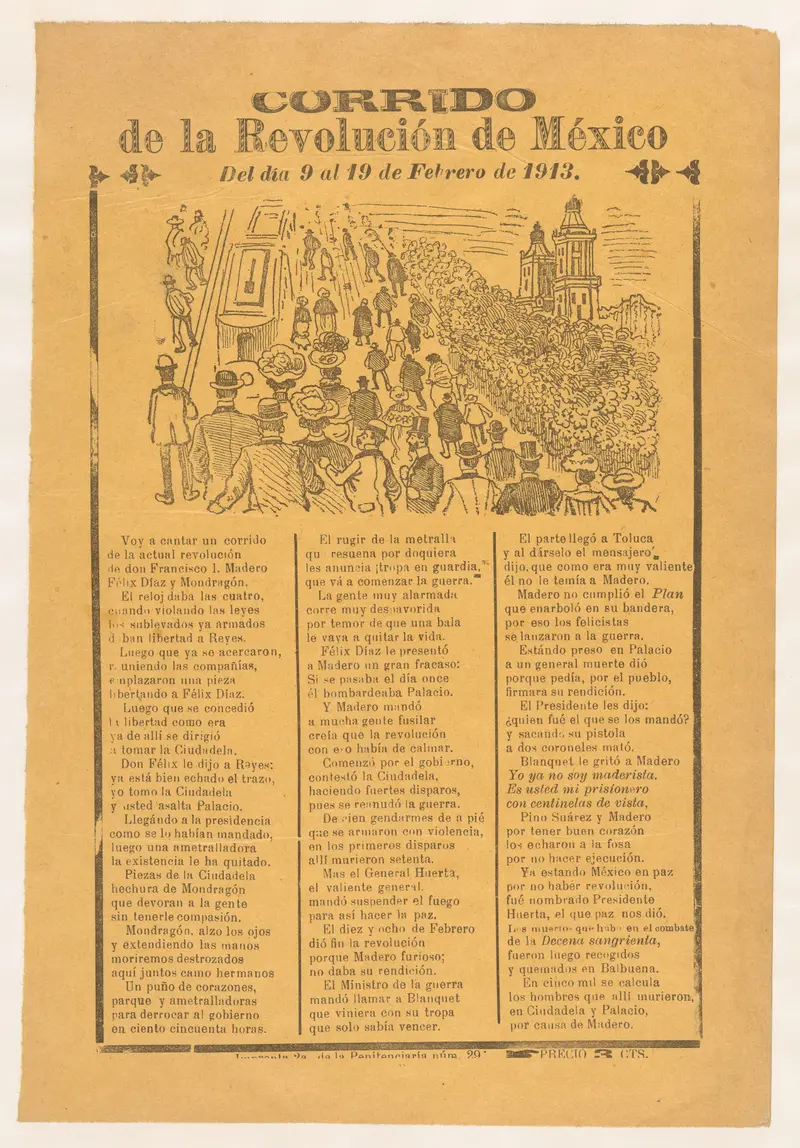
The Ten Tragic Days
José Guadalupe Posada
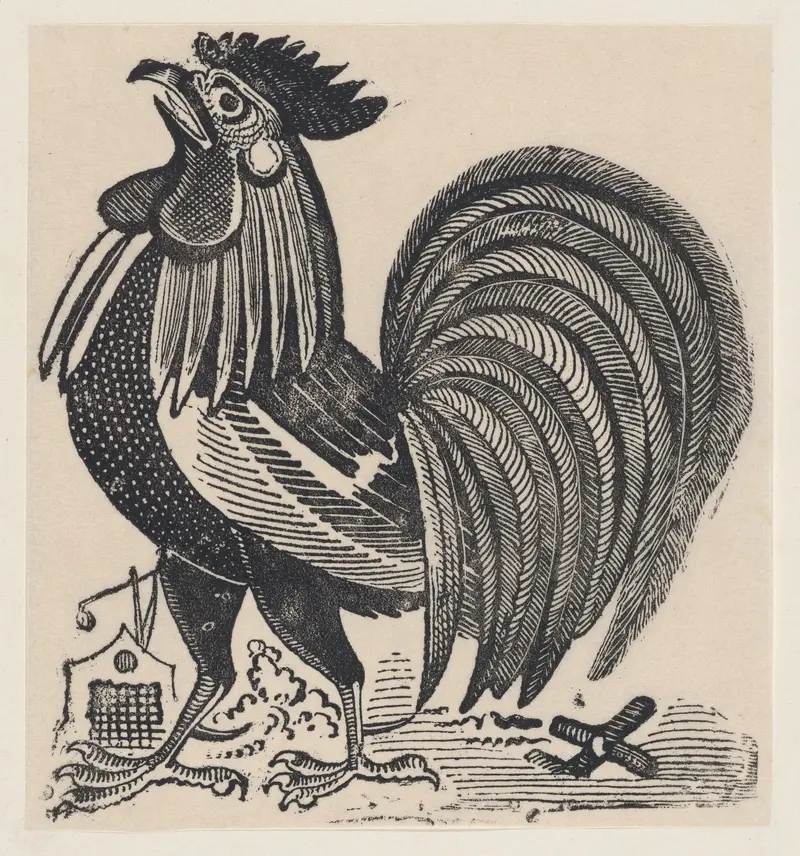
A Rooster
José Guadalupe Posada

La Calavera Catrina
José Guadalupe Posada
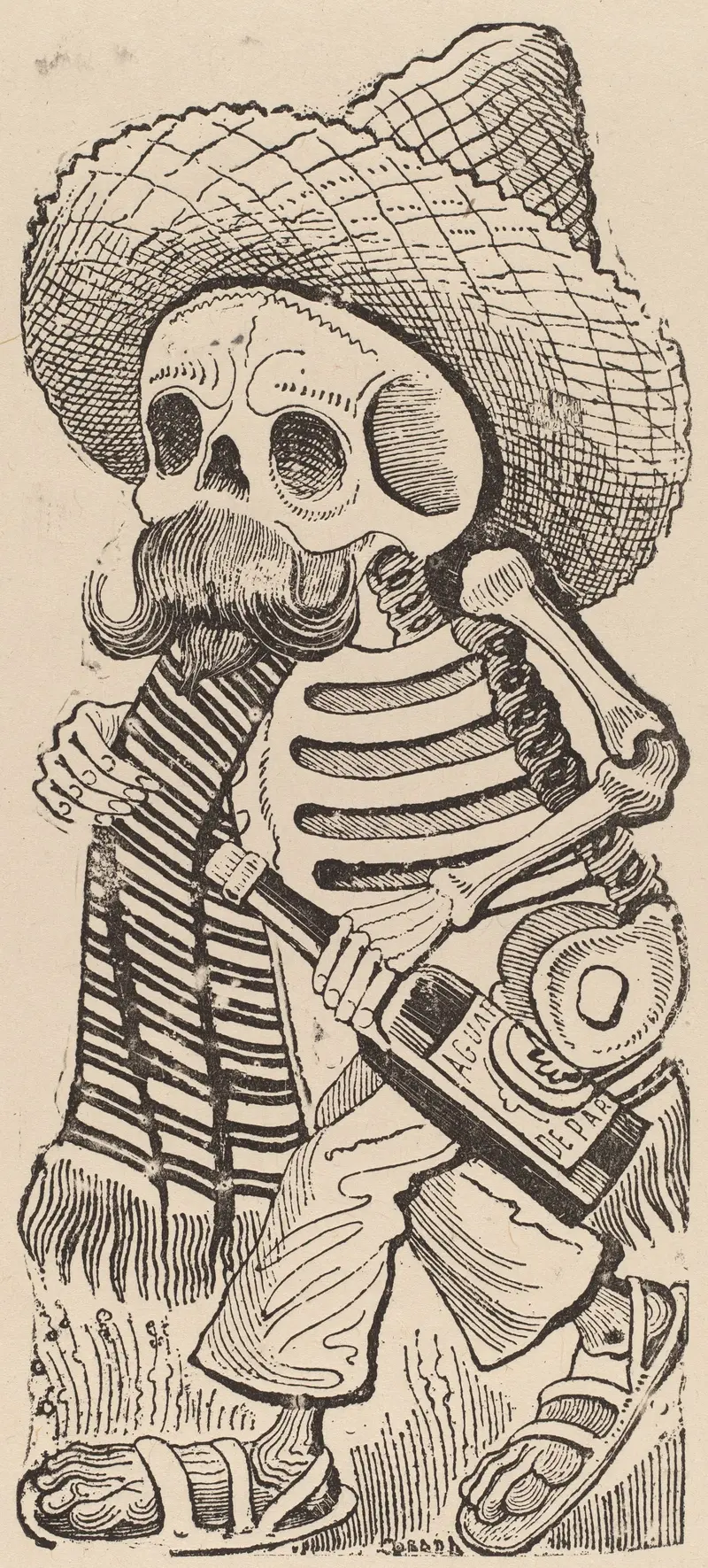
Calavera Maderista
José Guadalupe Posada
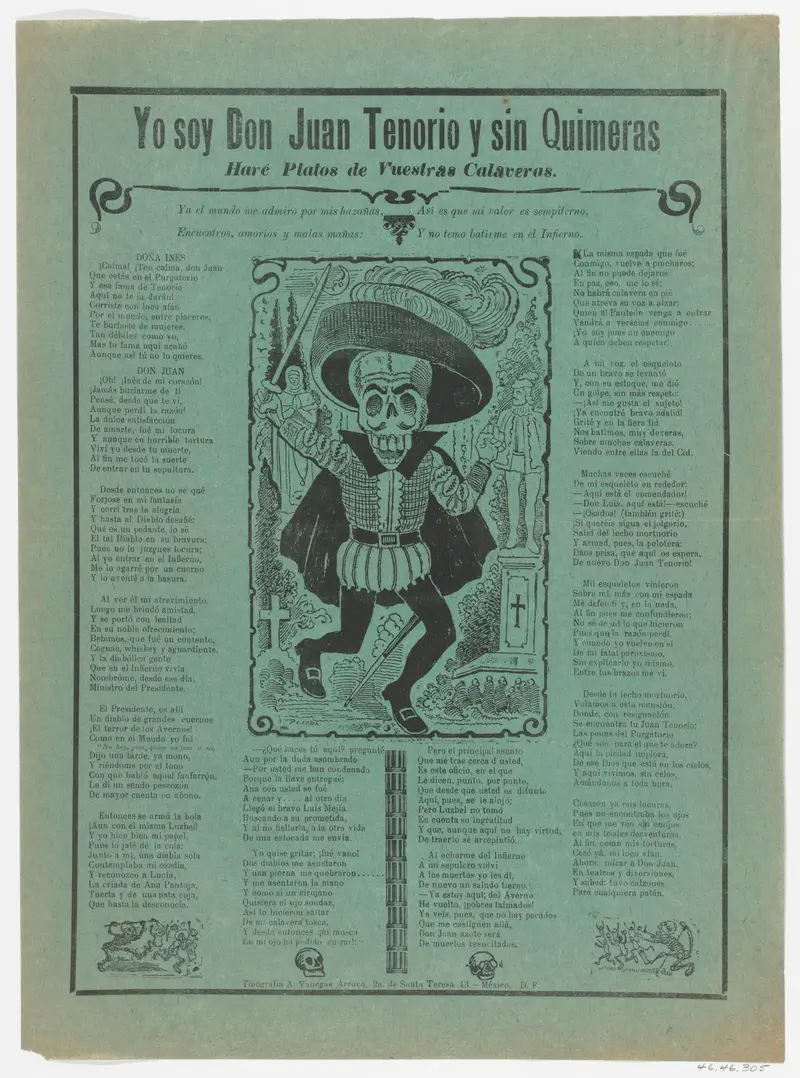
The Skeleton of Don Juan Tenorio
José Guadalupe Posada
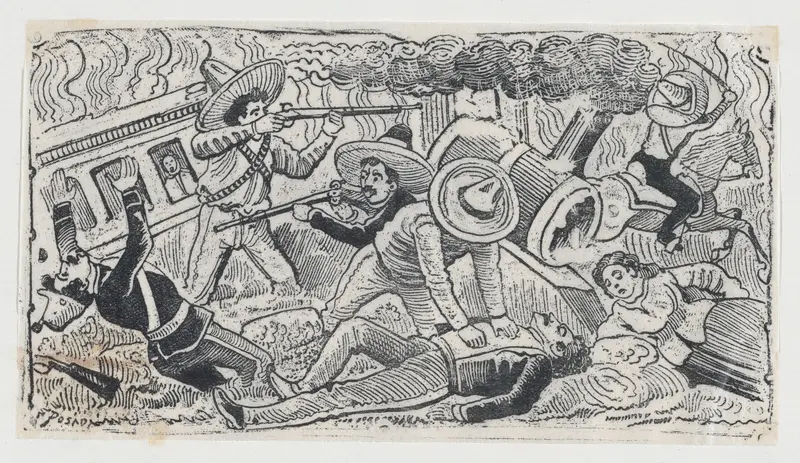
Zapatistas Attacking a Train
José Guadalupe Posada
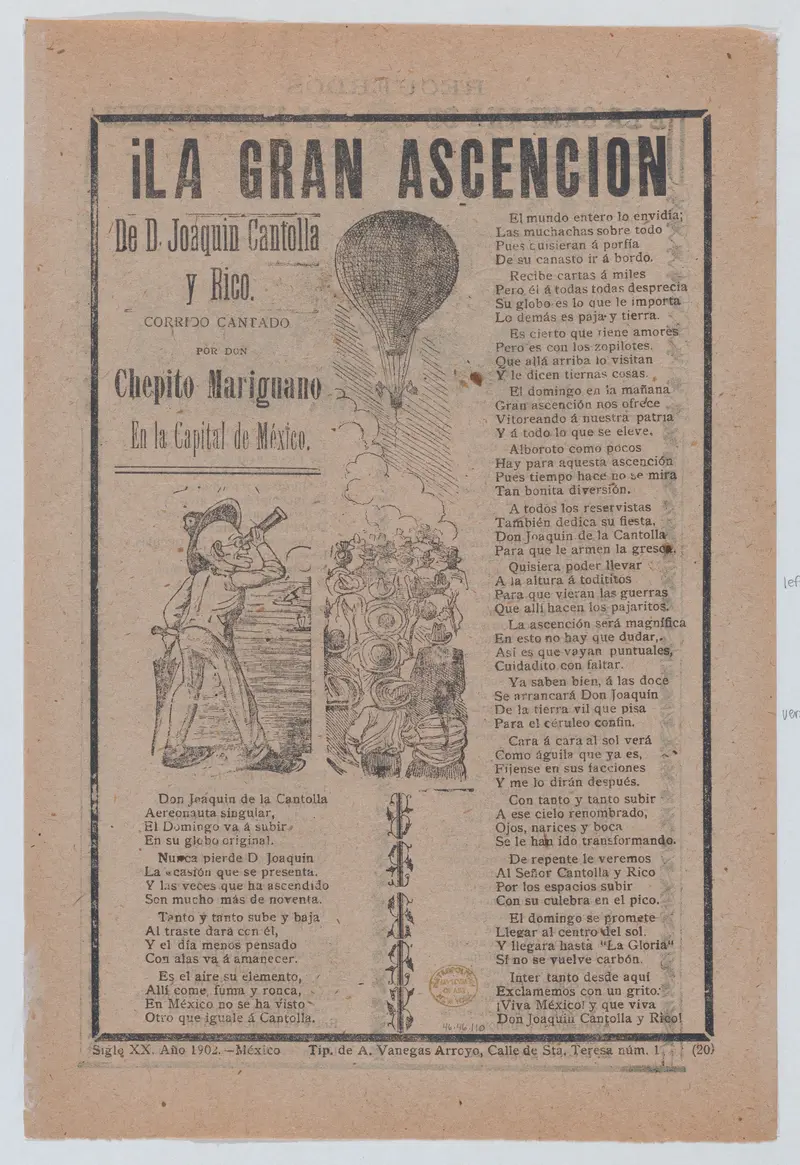
Don Joaquín Cantolla in a Hot Air Balloon
José Guadalupe Posada
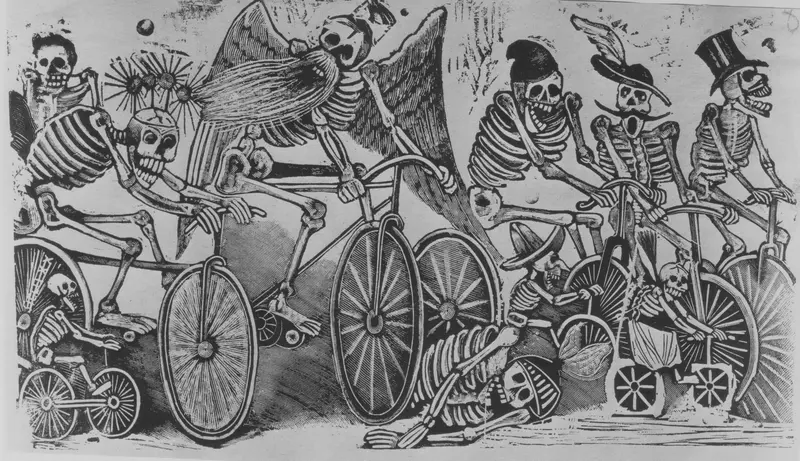
Calavera of the Cyclists
José Guadalupe Posada