
The Daydreamer — History & Facts
The Daydreamer by Nicolaes Maes depicts a young woman lost in thought, seated in a cozy interior. The colors are warm and inviting, with soft browns and golds dominating the palette. Light filters through a window, casting gentle shadows that enhance the serene atmosphere.
The woman's expression is one of contemplation, suggesting a moment of escape from reality. This painting is an example of oil on canvas, a common medium during the Dutch Golden Age. The artist employs a realistic style, capturing intricate details in the woman's clothing and the surrounding objects. The use of light and shadow is particularly effective, creating depth and dimension within the scene.
Viewers can appreciate the meticulous brushwork that brings the fabric and textures to life. Nicolaes Maes was a prominent Dutch painter known for his genre scenes and portraits. He was a pupil of Rembrandt, which influenced his use of light and composition. The Daydreamer showcases Maes' ability to convey emotion and narrative through everyday moments.
An interesting fact about this work is that it reflects the growing interest in domestic life during the 17th century, highlighting the importance of personal space and introspection.
More Artworks by Nicolaes Maes

Portrait of George Bredehoff de Vicq as Ganymede
Nicolaes Maes
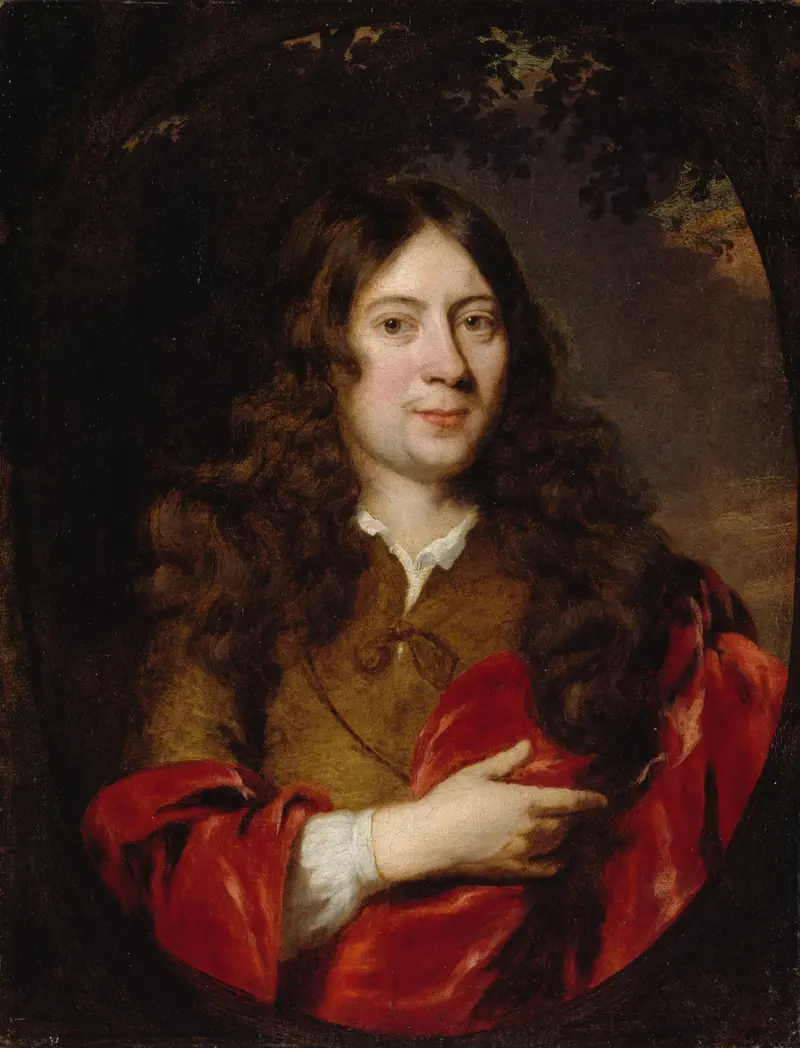
Portrait of a Man
Nicolaes Maes
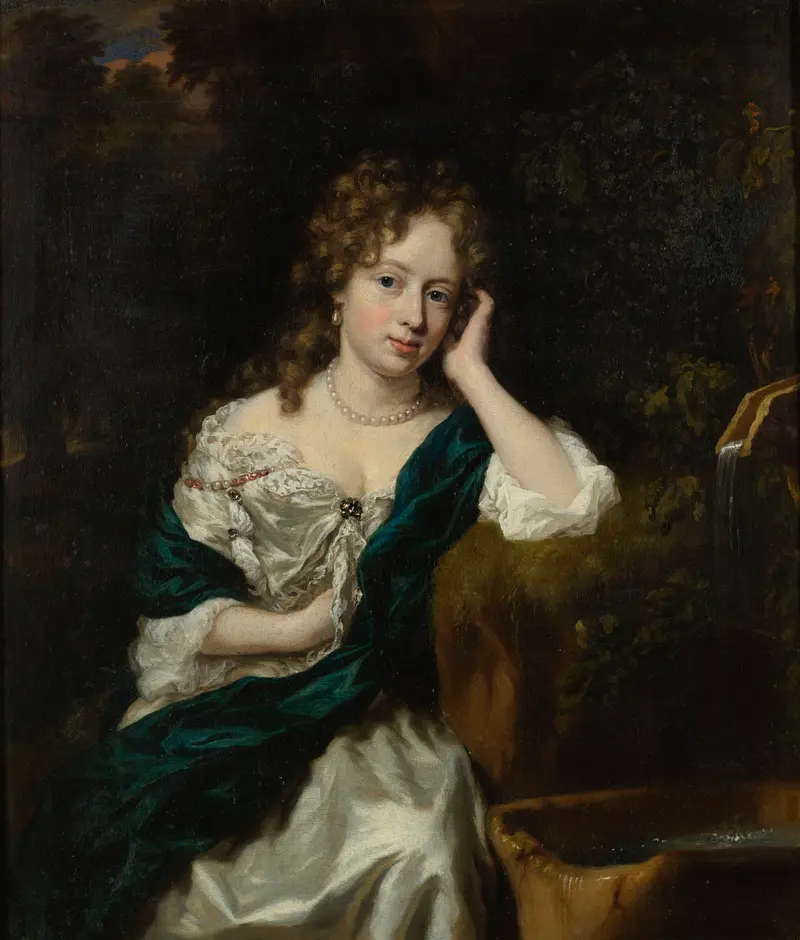
Portrait of a Lady Seated By a Fountain
Nicolaes Maes
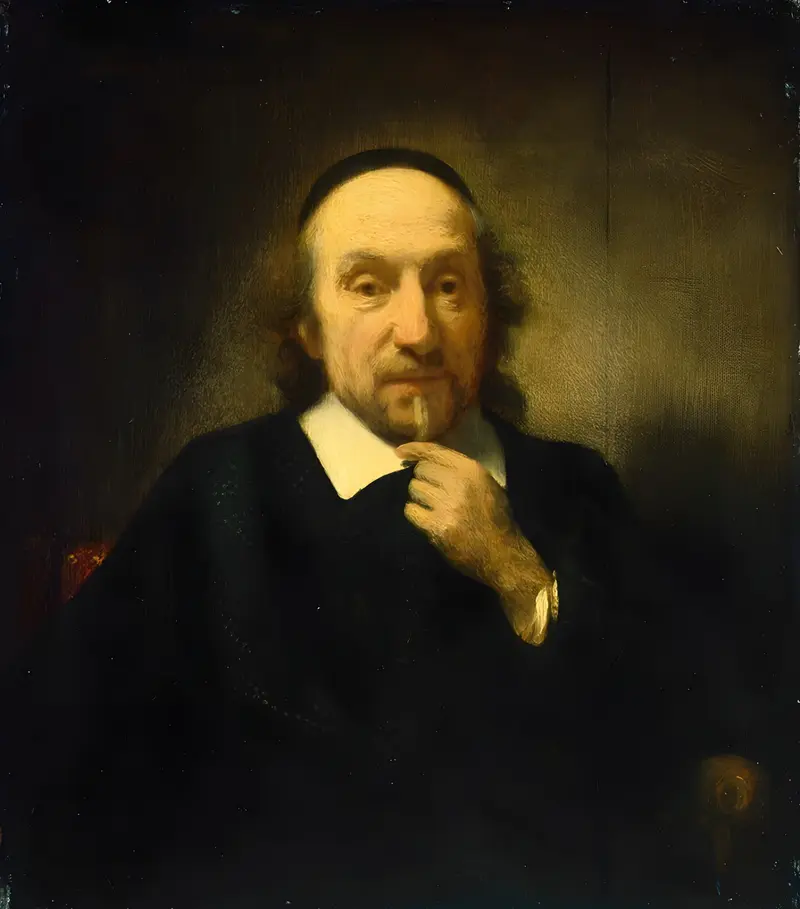
Portrait of a Man
Nicolaes Maes
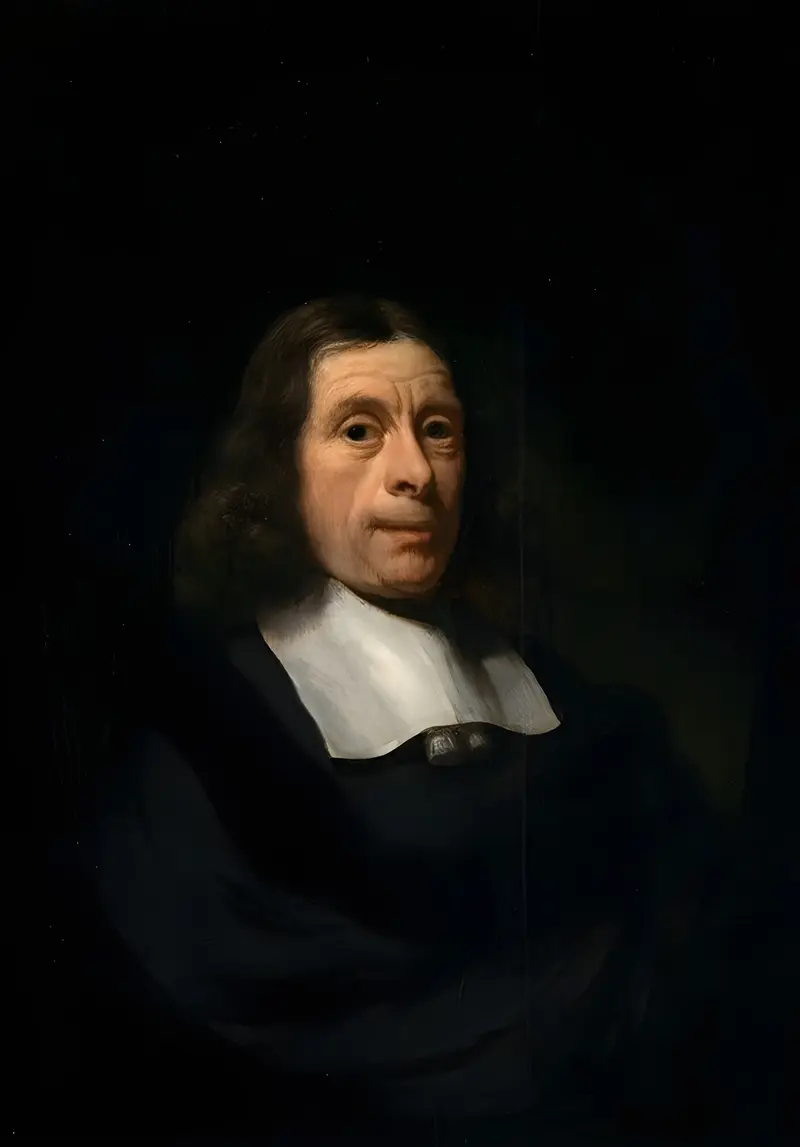
Portrait of a Man
Nicolaes Maes
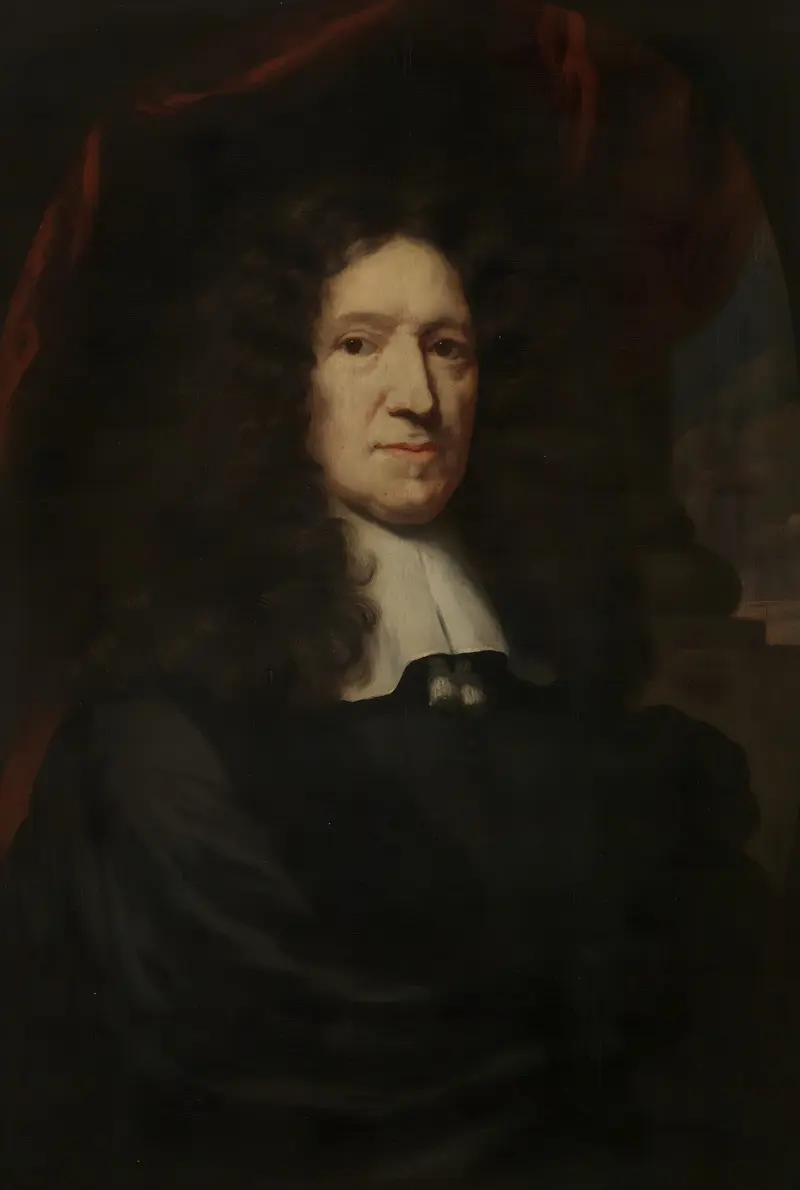
Portrait of a Man
Nicolaes Maes
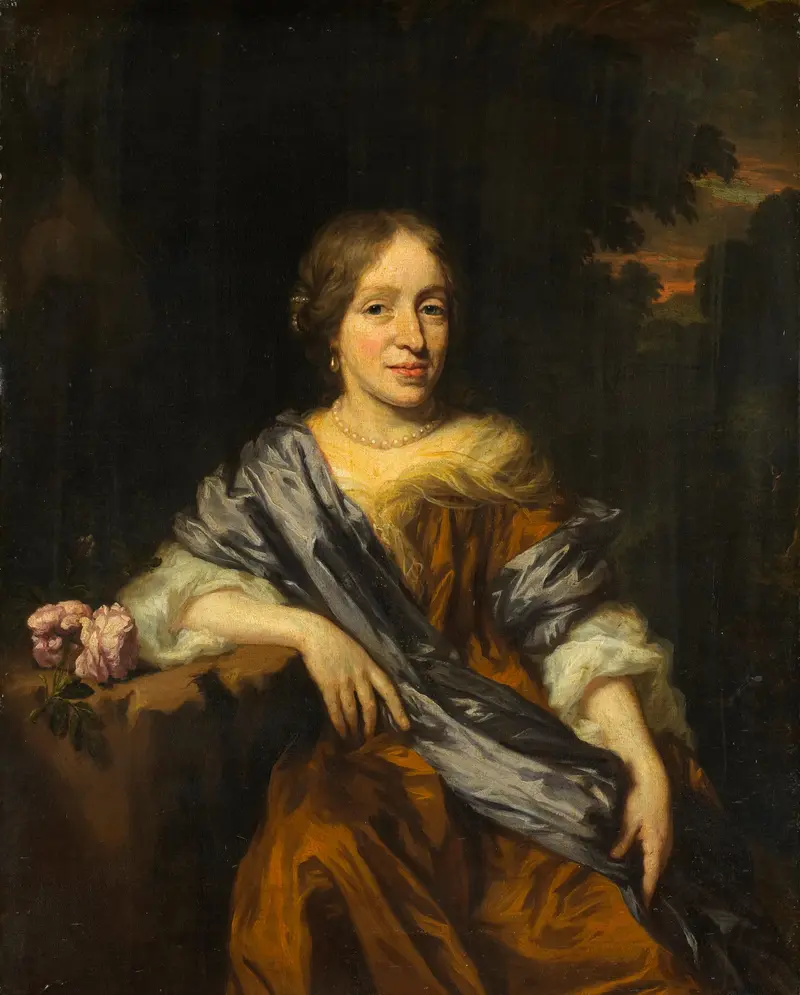
Portrait of Catharina Pottey, Sister of Willem and Sara Pottey
Nicolaes Maes
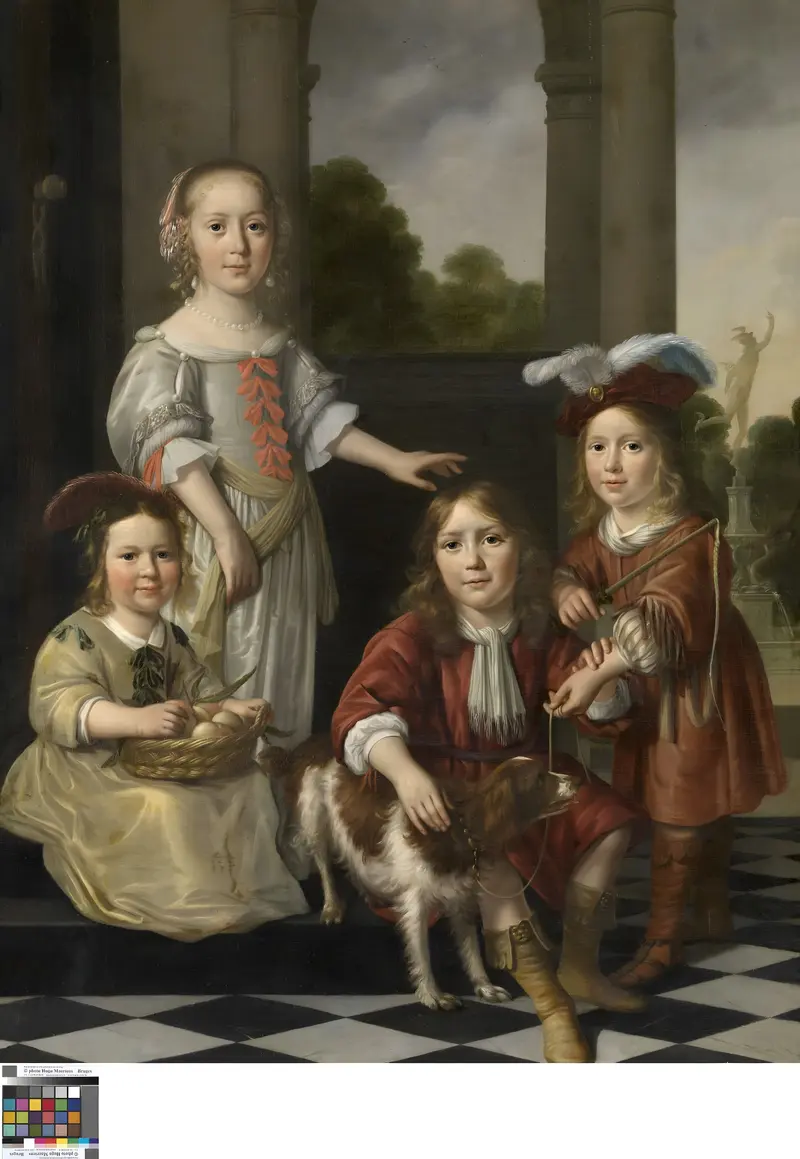
Portrait of four Children
Nicolaes Maes
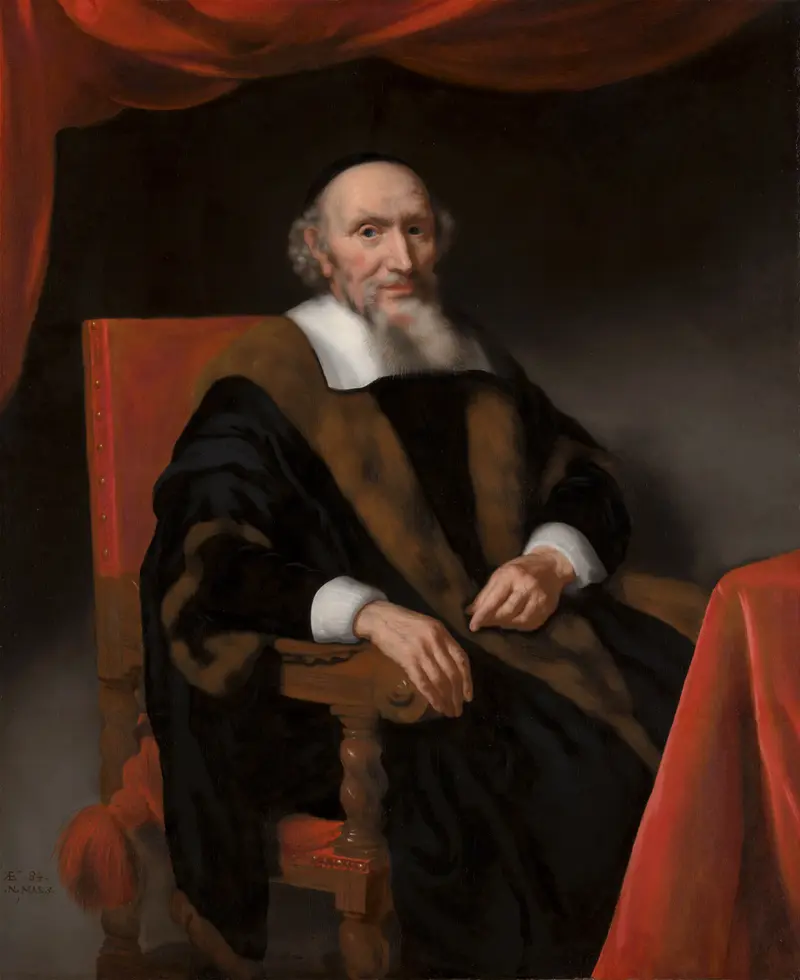
Portrait of Jacob Trip
Nicolaes Maes
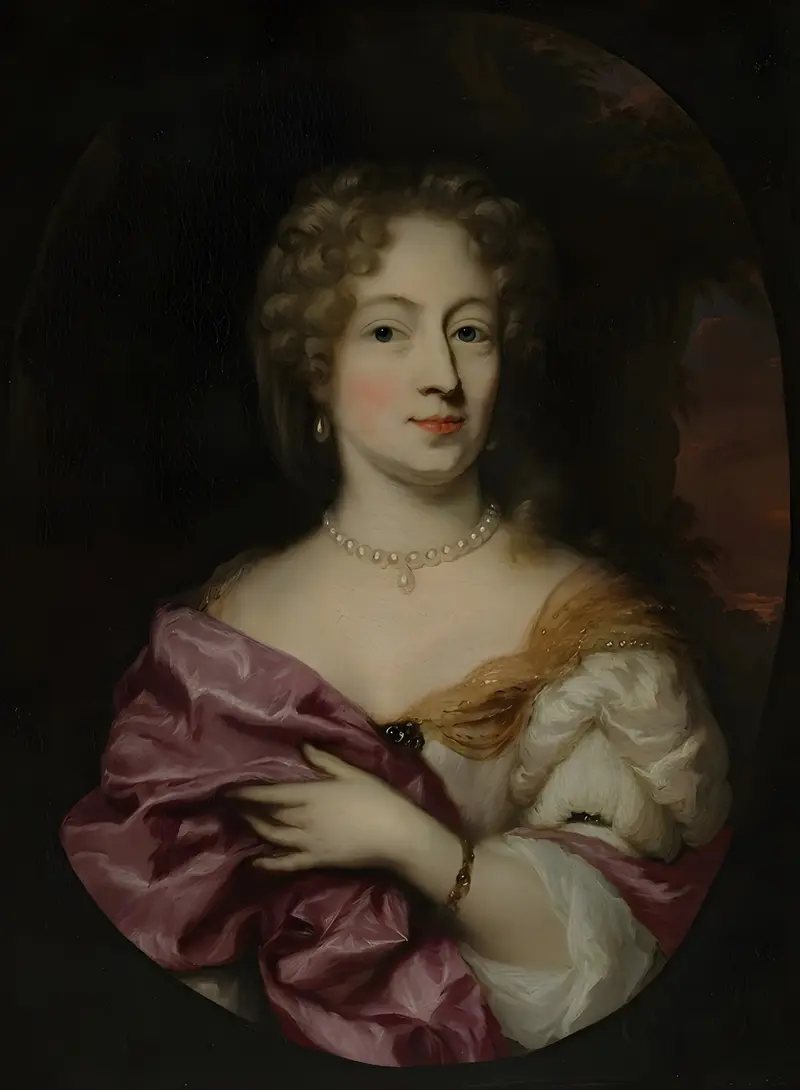
Ingena Rotterdam (died 1704), Betrothed of Admiral Jacob Binkes
Nicolaes Maes
More Genre Scene Art

Banquet of the Officers of the St George Civic Guard
Frans Hals

Rembrandt and Saskia in the Scene of the Prodigal Son
Rembrandt van Rijn

Bal du moulin de la Galette
Pierre-Auguste Renoir

Quadrille at the Moulin Rouge
Henri de Toulouse-Lautrec

A Burial at Ornans
Gustave Courbet

When Will You Marry?
Paul Gauguin