
The Dead Sea, 16 and 17 April 1858 — History & Facts
What if silence could speak through light? In the delicate hues of an untamed landscape, the unspoken truths of the natural world come alive, revealing layers of revelation within the serene facade. Look to the right at the distant mountains—soft pastels blend into one another, creating a dreamlike horizon. The artist's deft brushwork captures the interplay of light and shadow, inviting the eye to wander across the calm surface of the sea. Notice how the shimmering water reflects the ethereal colors of the sky, transforming the scene into a luminous tapestry.
The gentle gradation from deep blues to warm ochres conveys a transition not just of color but of time, as if the viewer is caught in a moment suspended between day and night. Beneath the placid surface, there exists an emotional tension—a juxtaposition of beauty and isolation. The vastness of the Dead Sea evokes feelings of solitude and introspection, suggesting both the weight of history and the fragility of existence. The sparse composition evokes a sense of quiet contemplation, inviting viewers to consider their own place within the grandeur of nature.
Each brushstroke whispers secrets, revealing a profound connection between humanity and the earth. In the late 1850s, Lear was immersed in his travels through the Middle East, capturing landscapes that often reflected his own introspections. The world of art was shifting, with Romanticism giving way to more modern interpretations of nature. During this time, he sought to express both the beauty and the stark realities of the places he visited, aligning his work with a growing fascination for the natural world and its power to evoke deep emotional responses.
More Artworks by Edward Lear
Browse all →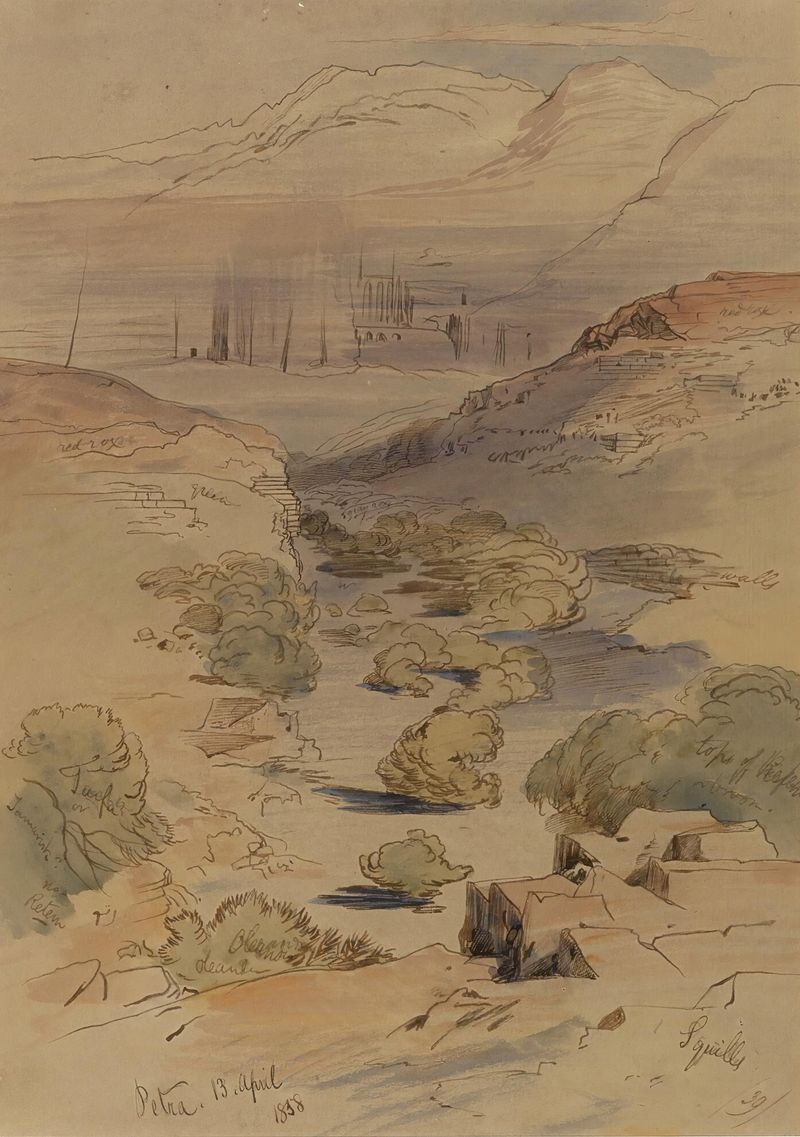
Petra
Edward Lear
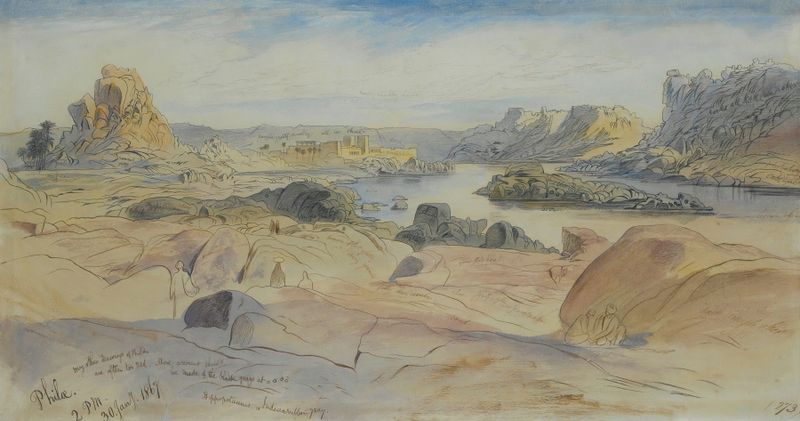
Philae, Egypt
Edward Lear
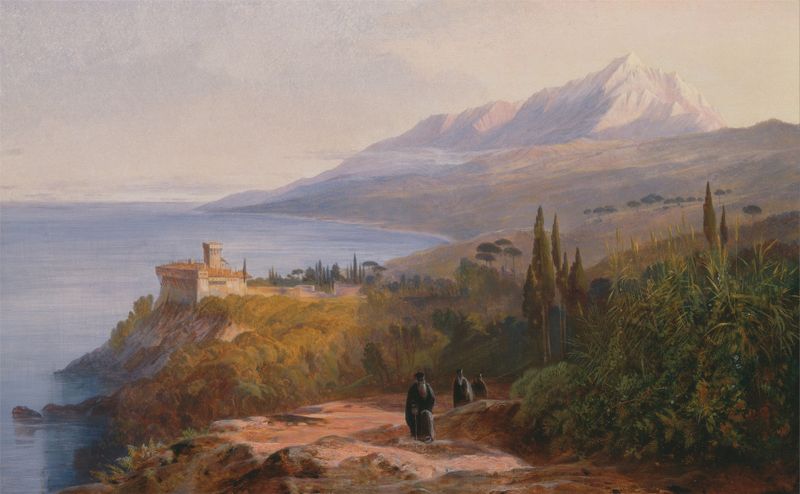
Mount Athos and the Monastery of Stavronikétes
Edward Lear
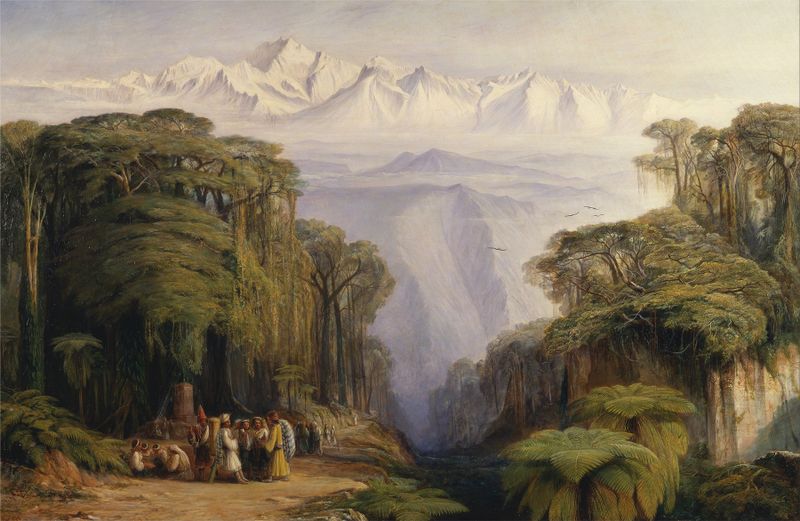
Kangchenjunga from Darjeeling
Edward Lear
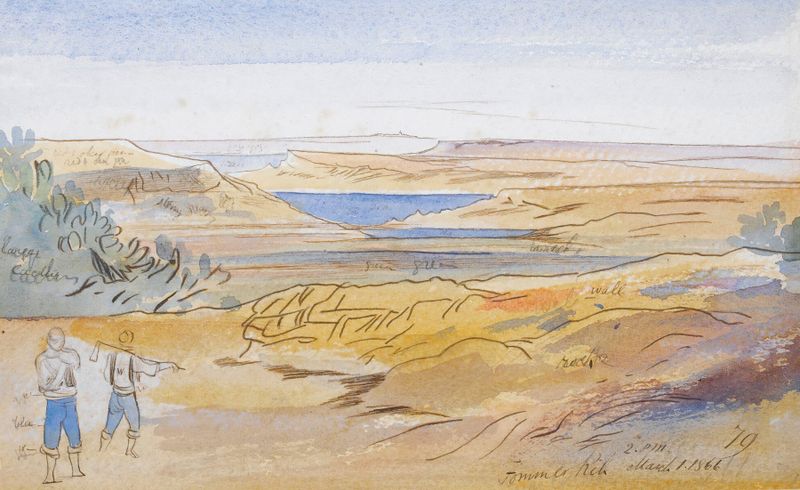
Fomm Ir-Rih, Malta
Edward Lear
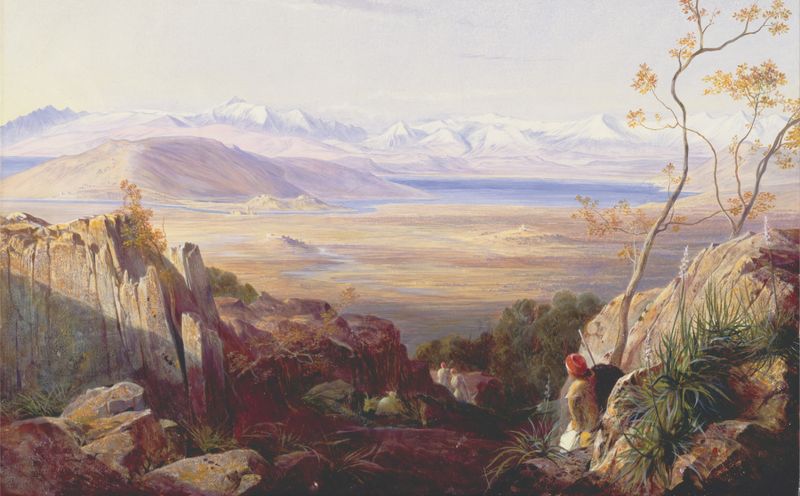
Butrinto, Albania
Edward Lear
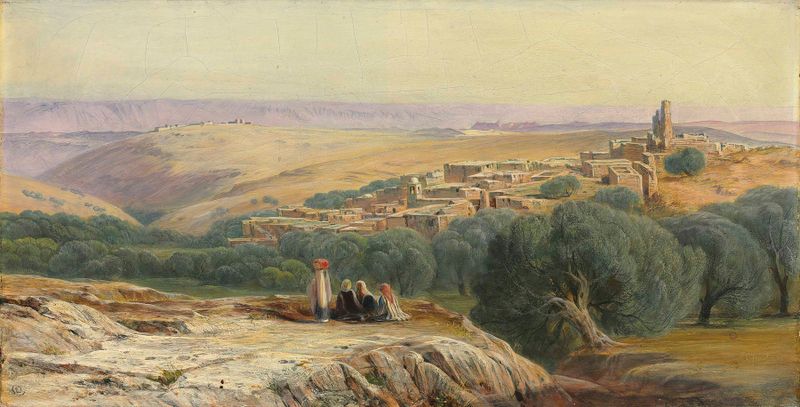
The Plains of Bethany
Edward Lear

Karnak, 9-30 pm, 22 January 1867
Edward Lear
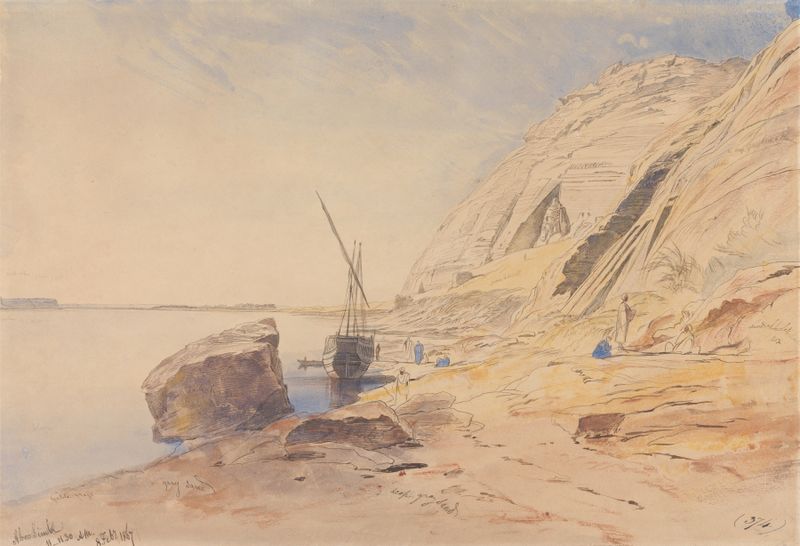
Abu Simbel, 11-11;30 am, 8 February 1867 (374)
Edward Lear

A View Of Mount Athos And The Pantokrator Monastery, Greece
Edward Lear





