
The Death of Cleopatra — History & Facts
What draws the viewer in first is the electric tension between light and shadow, as Cleopatra’s pale skin emerges from a dense, almost suffocating darkness. Her head tilts back, eyes wide and lips parted, the last flicker of consciousness caught between agony and defiance. The artist’s hand lingers on the details: the translucent drapery slipping from her shoulder, the tight grip on the embroidered yellow cushion, the sinuous, unmistakable form of the asp pressed to her breast.
Each element guides the eye upward, from the languid hand to the exposed throat, heightening the sense of a moment suspended between life and legend. The palette, dominated by golds and violets, sets a mood of faded luxury—Cleopatra’s final hour rendered both intimate and monumental. Painted in 1872, The Death of Cleopatra by Arnold Böcklin belongs to a world fascinated by the ancient and the exotic, yet also by the psychological drama of its subjects. In the late nineteenth century, artists and collectors alike were drawn to scenes of historical tragedy, often commissioning works that explored the private side of public figures.
Böcklin, known for his Symbolist leanings, channels the era’s preoccupation with fate and mortality, choosing not the spectacle of Cleopatra’s court but the solitary, vulnerable instant of her end. Today, the painting resides in the collection of the Kunstmuseum Basel, a reminder of how history’s most storied queen continues to haunt the imagination. Let your gaze linger on the play of light across her skin, and ask what stories still flicker in the shadows.
More Artworks by Arnold Böcklin

Die Toteninsel III
Arnold Böcklin
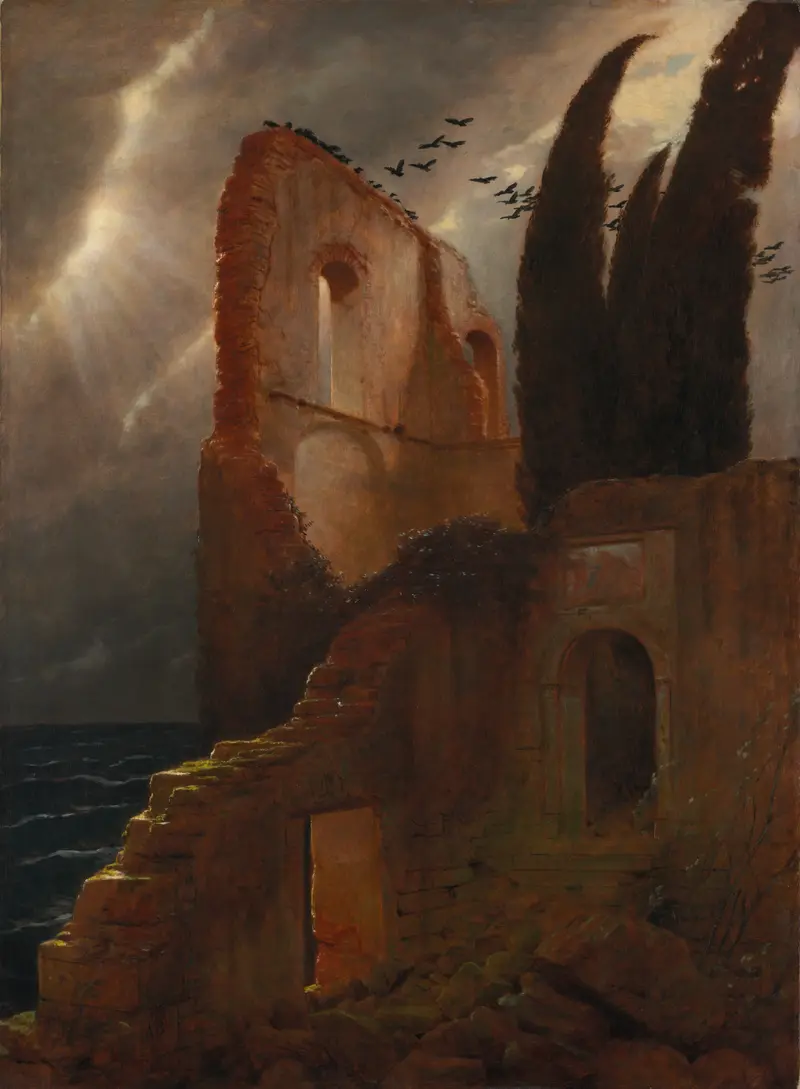
Ruin by the Sea
Arnold Böcklin
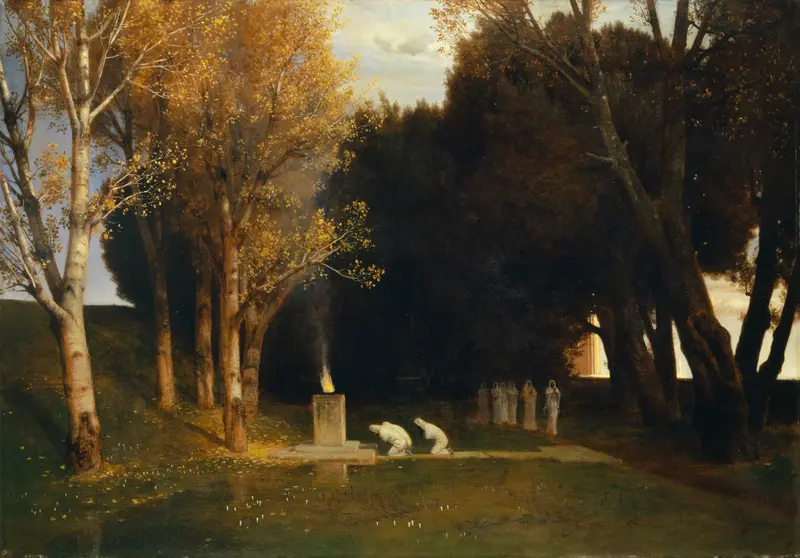
The Sacred Grove
Arnold Böcklin
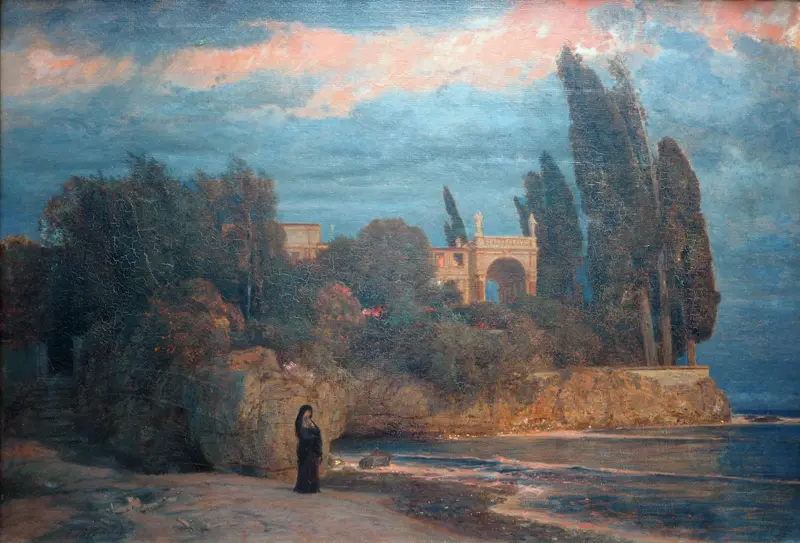
Villa by the Sea
Arnold Böcklin
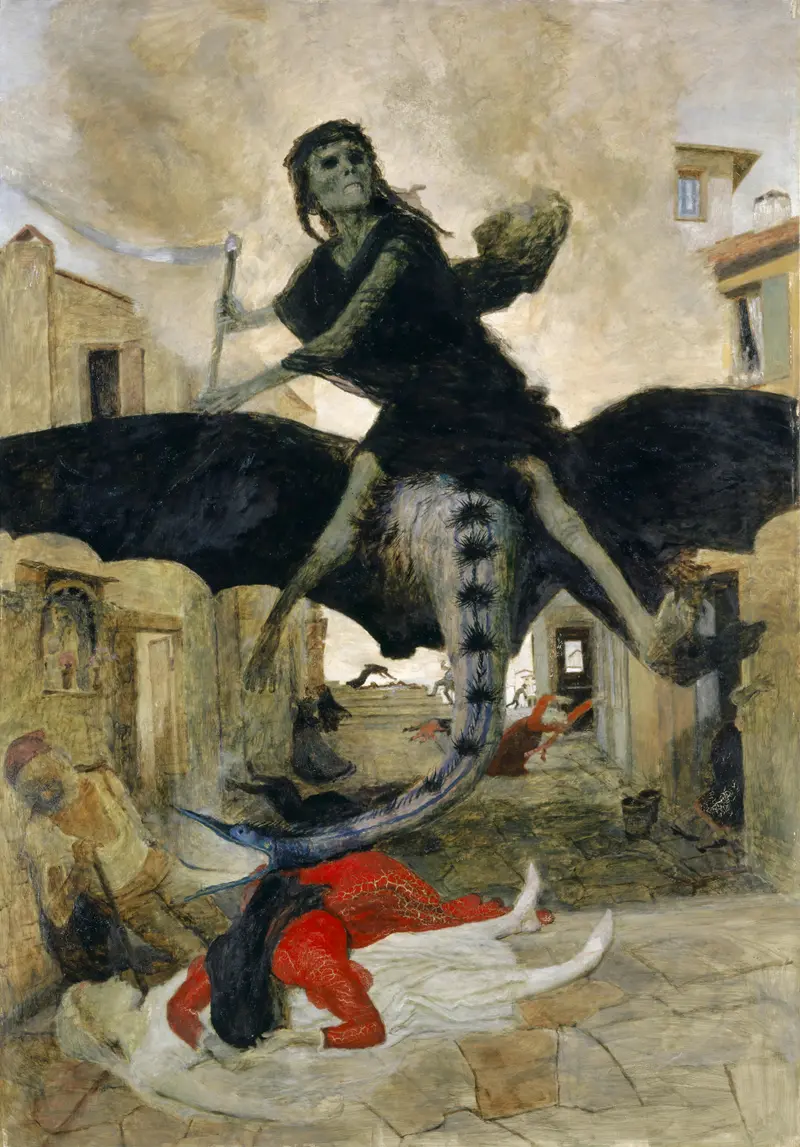
The Plague
Arnold Böcklin
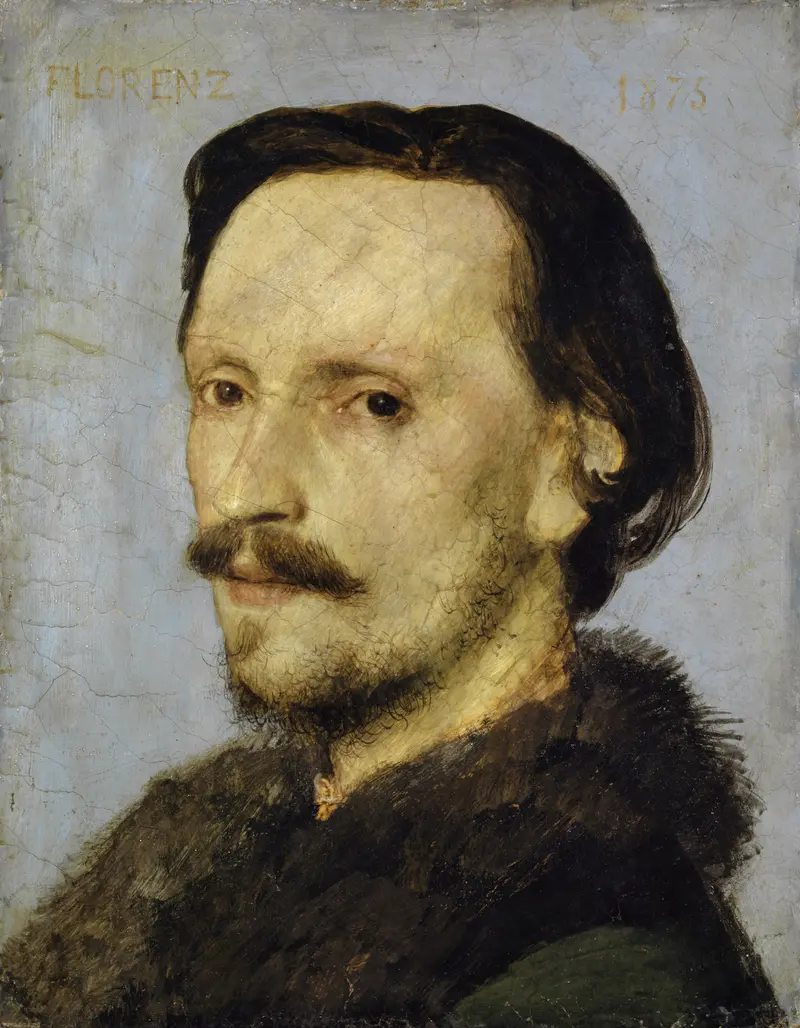
Böcklin Bildnis des Kunsthistorikers Adolph Bayersdorfer, 1875
Arnold Böcklin
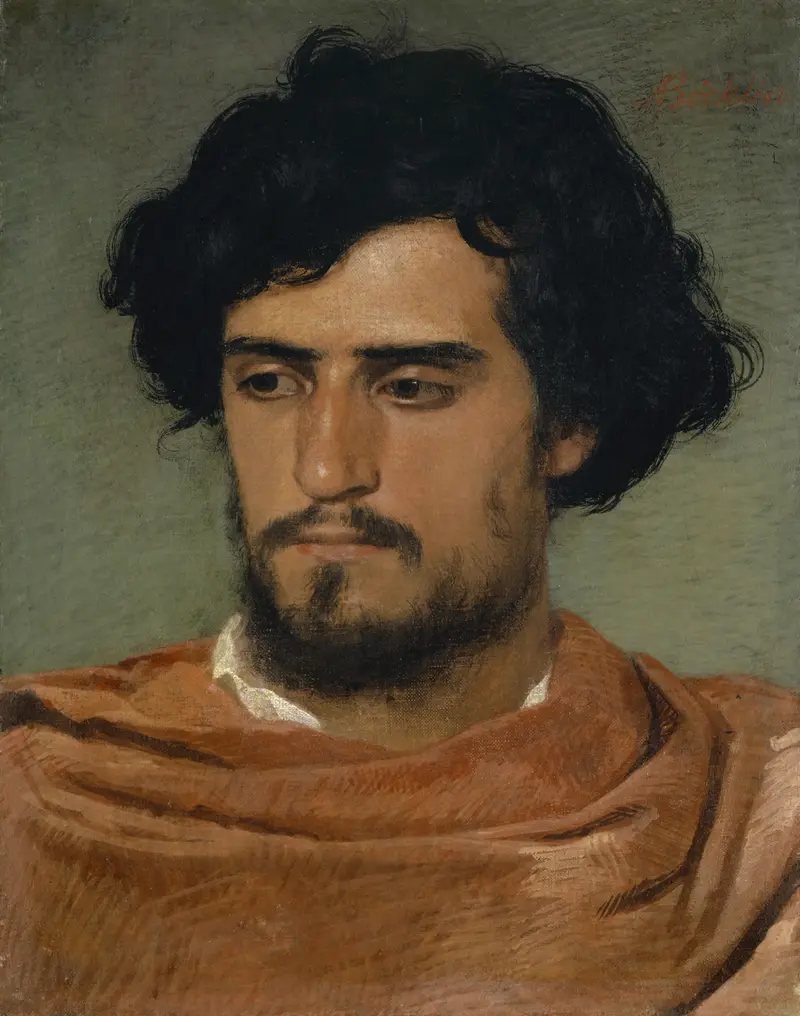
Head of a Roman
Arnold Böcklin
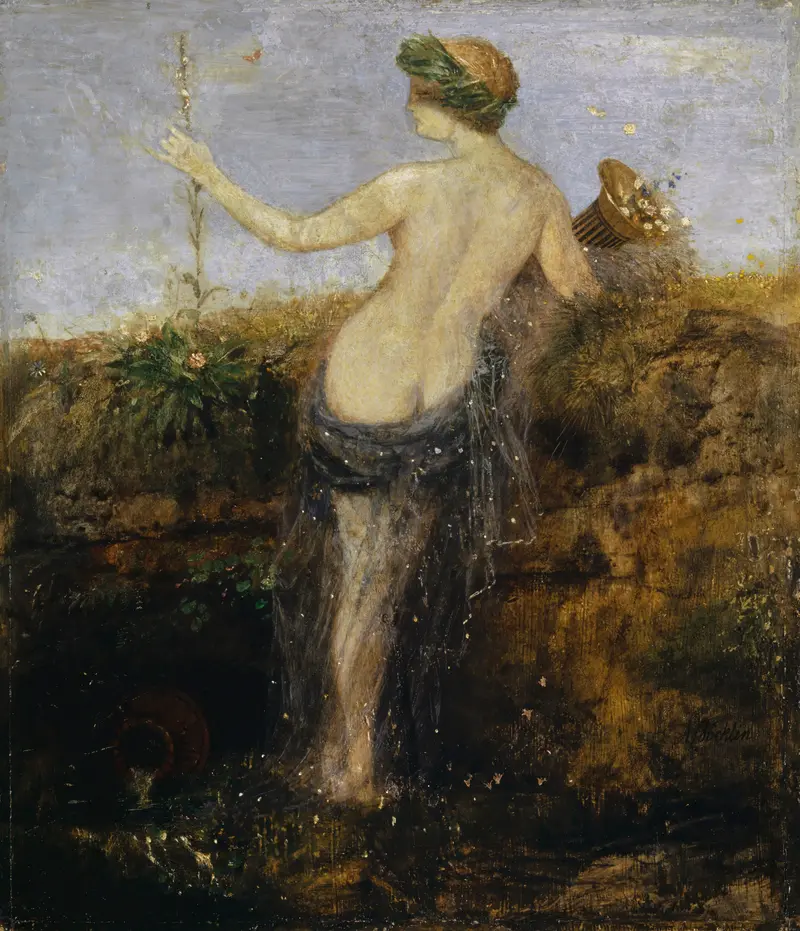
Nymphe with Horn of Plenty
Arnold Böcklin
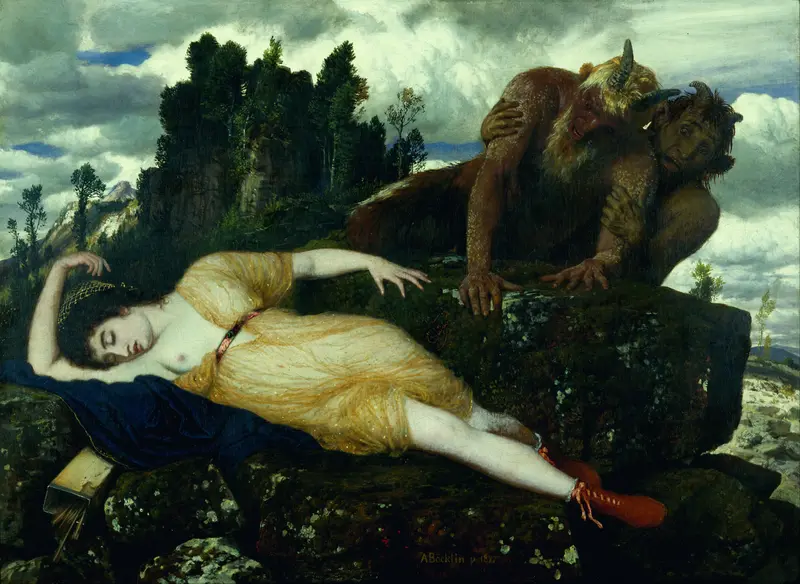
Sleeping Diana Watched by Two Fauns
Arnold Böcklin
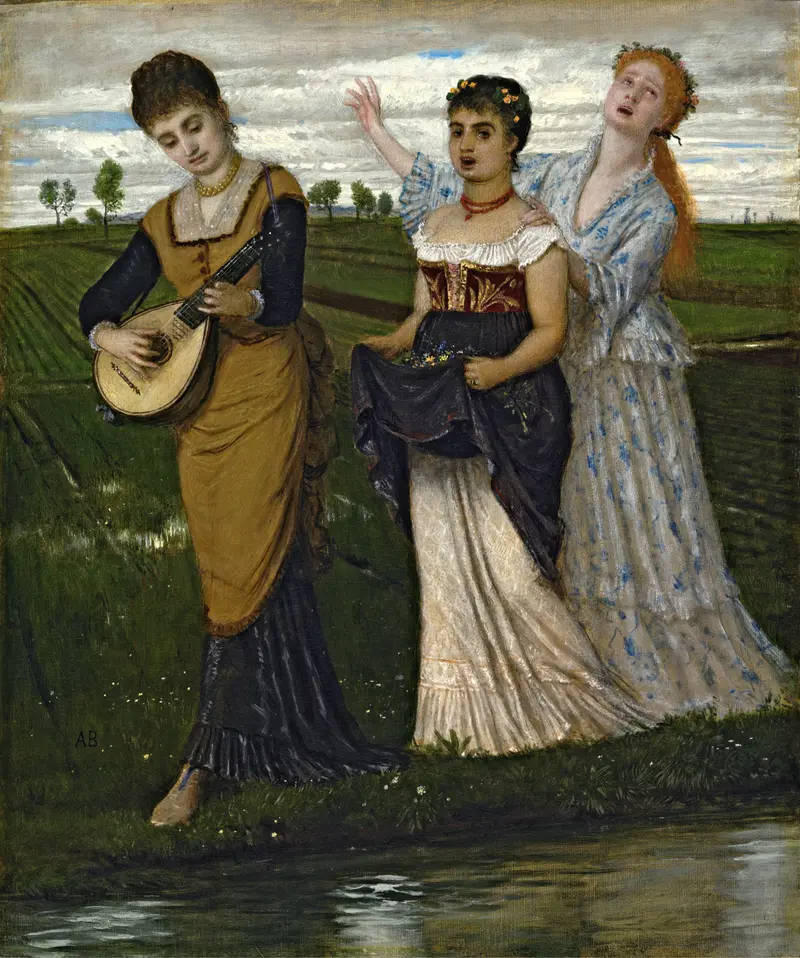
Spring (Songs of Spring)
Arnold Böcklin





