
Discover insights about this artwork
The Death of Germanicus — History & Facts
In The Death of Germanicus, Nicolas Poussin captures a dramatic scene filled with emotion. The painting features a group of figures surrounding the dying Germanicus, who lies on a bed, pale and weak. The colors are rich and somber, with deep reds and browns dominating the palette, suggesting a sense of tragedy.
The expressions of the figures convey grief and despair, enhancing the overall emotional impact of the scene. This painting is executed in oil on canvas, a common medium for Poussin during the Baroque period. The dimensions are approximately 100 x 130 cm, allowing for a detailed portrayal of the figures and their expressions. The composition is carefully arranged, with a strong diagonal line leading the viewer's eye towards Germanicus.
The use of light and shadow adds depth and drama to the scene, characteristic of Baroque art. Nicolas Poussin was a leading figure in the Baroque movement, known for his historical and mythological themes. The Death of Germanicus was painted around 1627 and reflects Poussin's interest in classical history. An interesting fact about this work is that it was inspired by the writings of Tacitus, a Roman historian, which highlights Poussin's commitment to historical accuracy.
This painting is now housed in the Museo del Prado in Spain, where it continues to be celebrated for its emotional depth and technical skill.
More Artworks by Nicolas Poussin
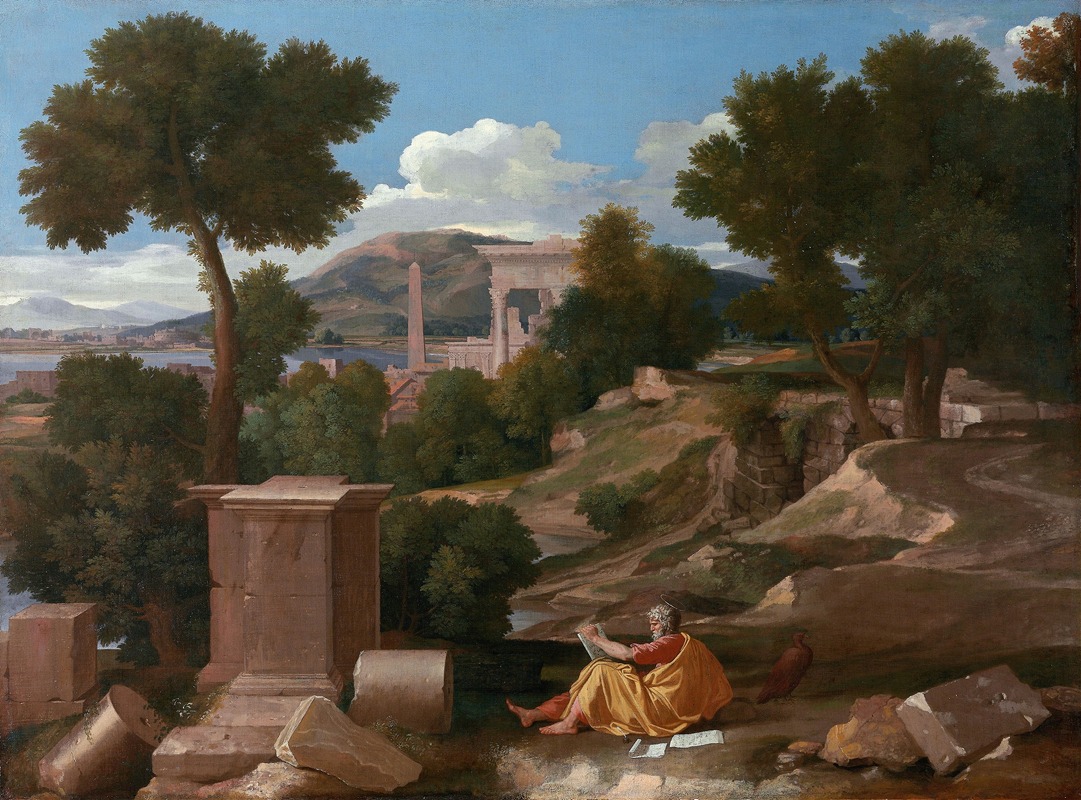
Landscape with Saint John on Patmos
Nicolas Poussin
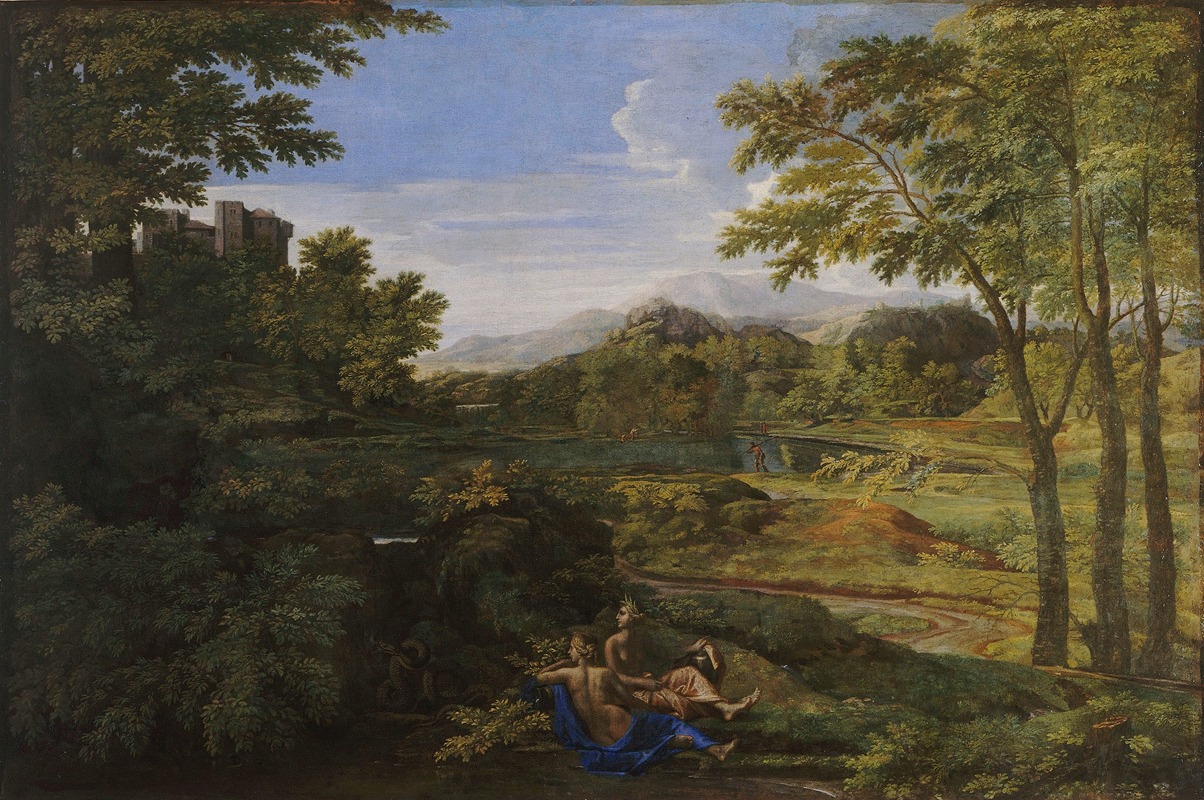
Paysage avec deux nymphes et un serpent
Nicolas Poussin
Paysage avec deux nymphes et un serpent
Nicolas Poussin
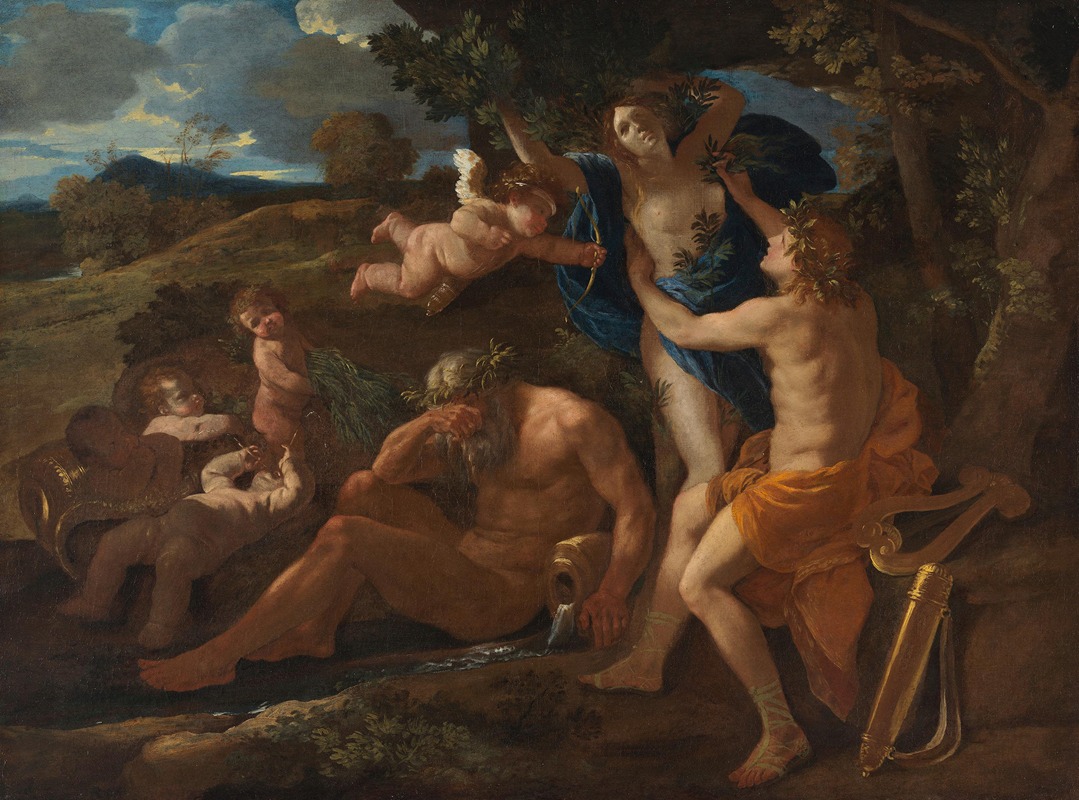
Apollo and Daphne
Nicolas Poussin
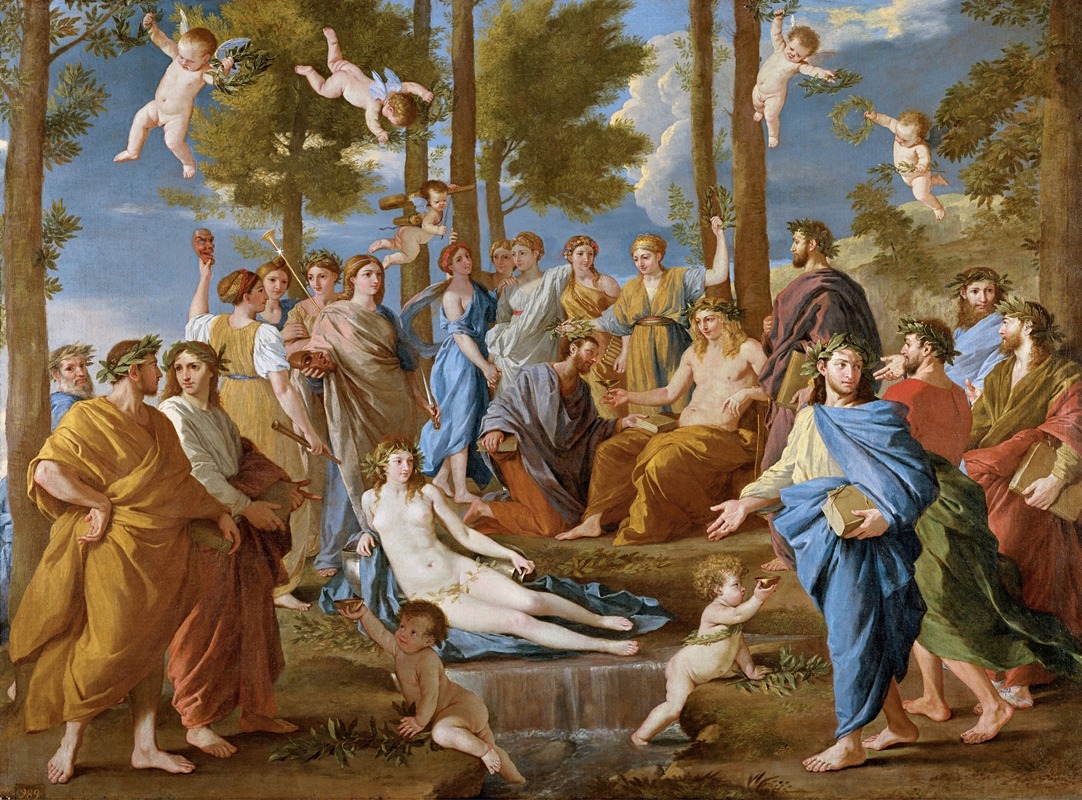
El Parnaso
Nicolas Poussin
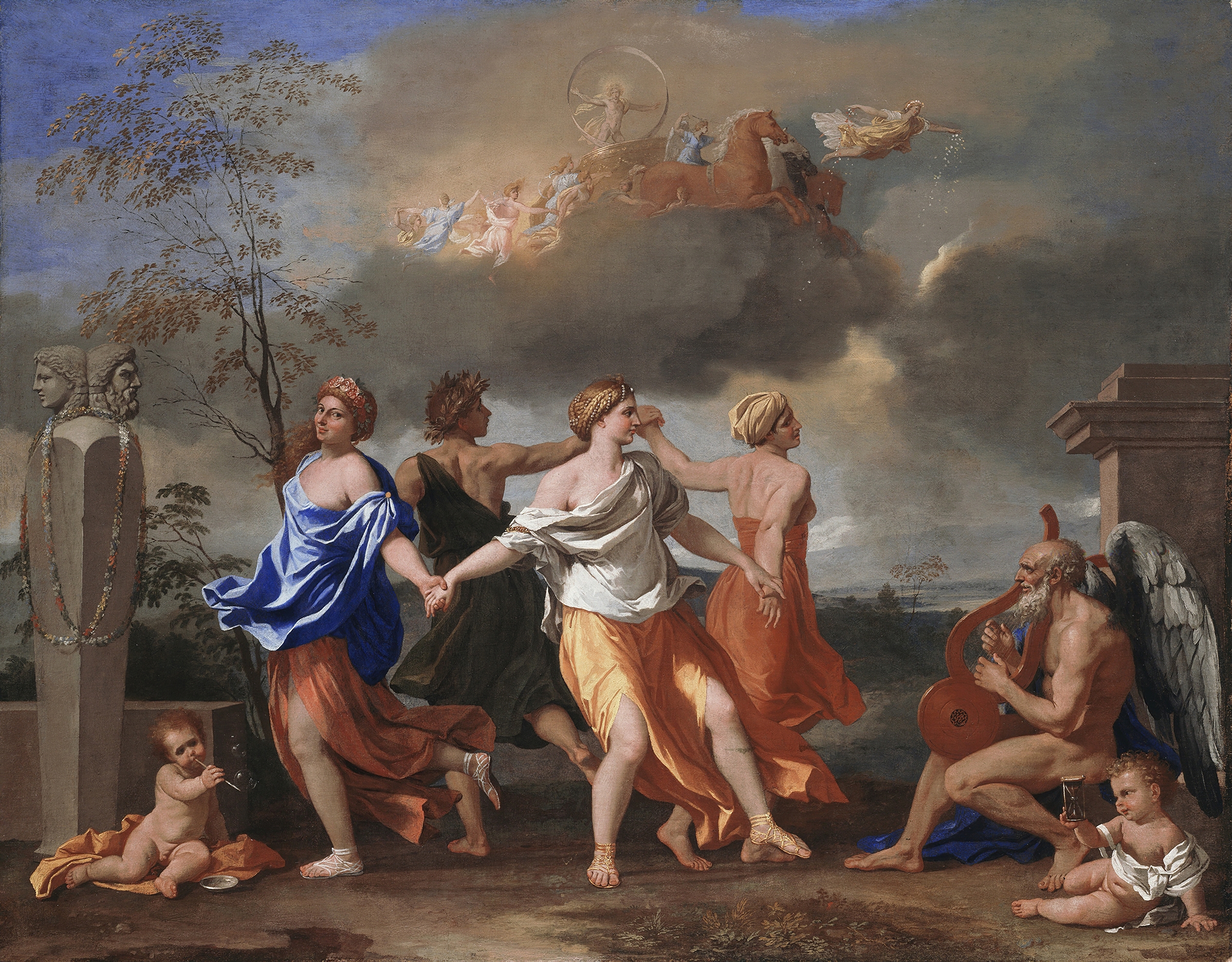
A Dance to the Music of Time
Nicolas Poussin
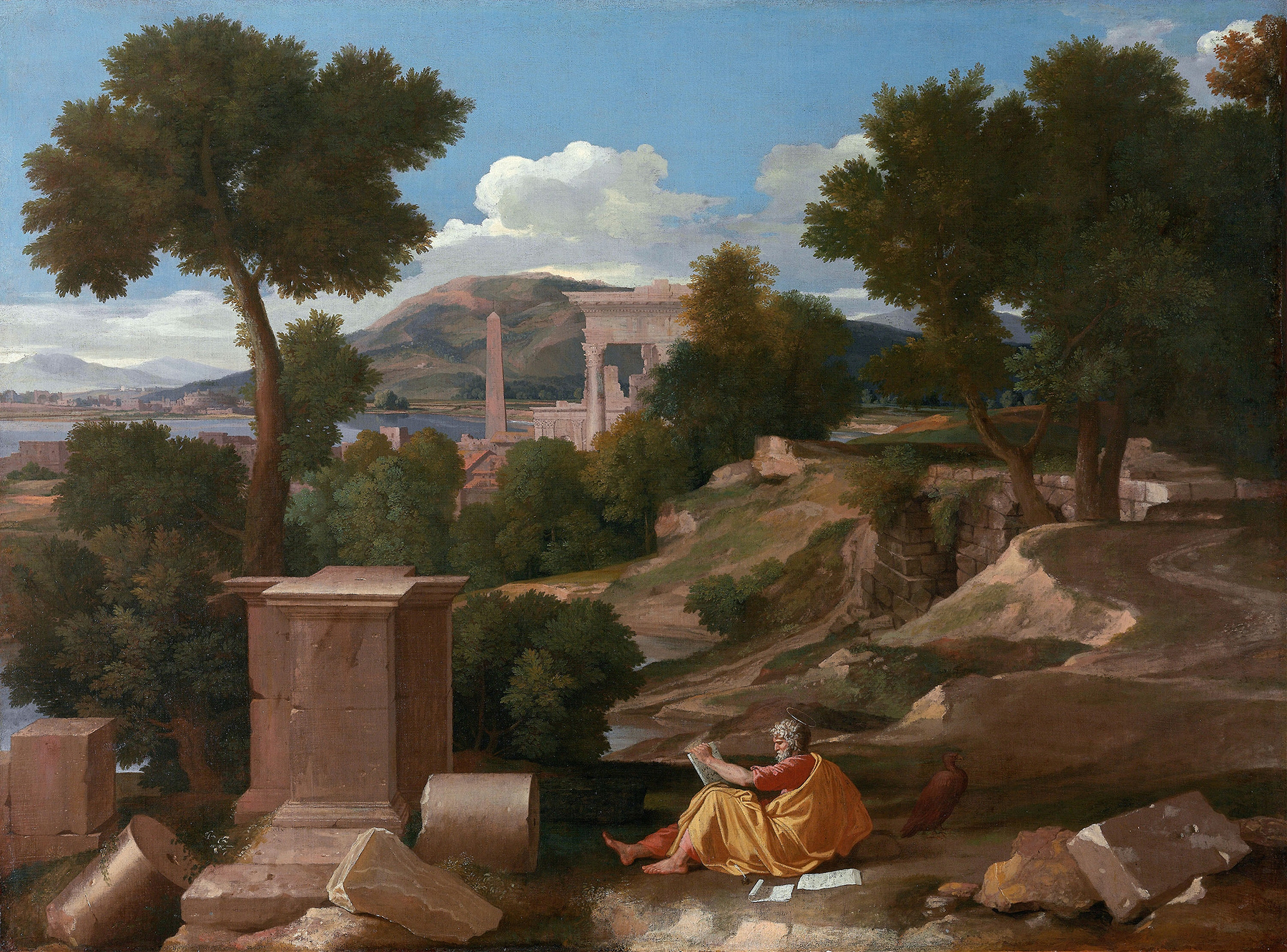
Landscape with Saint John on Patmos
Nicolas Poussin

Landscape with Saint John on Patmos
Nicolas Poussin
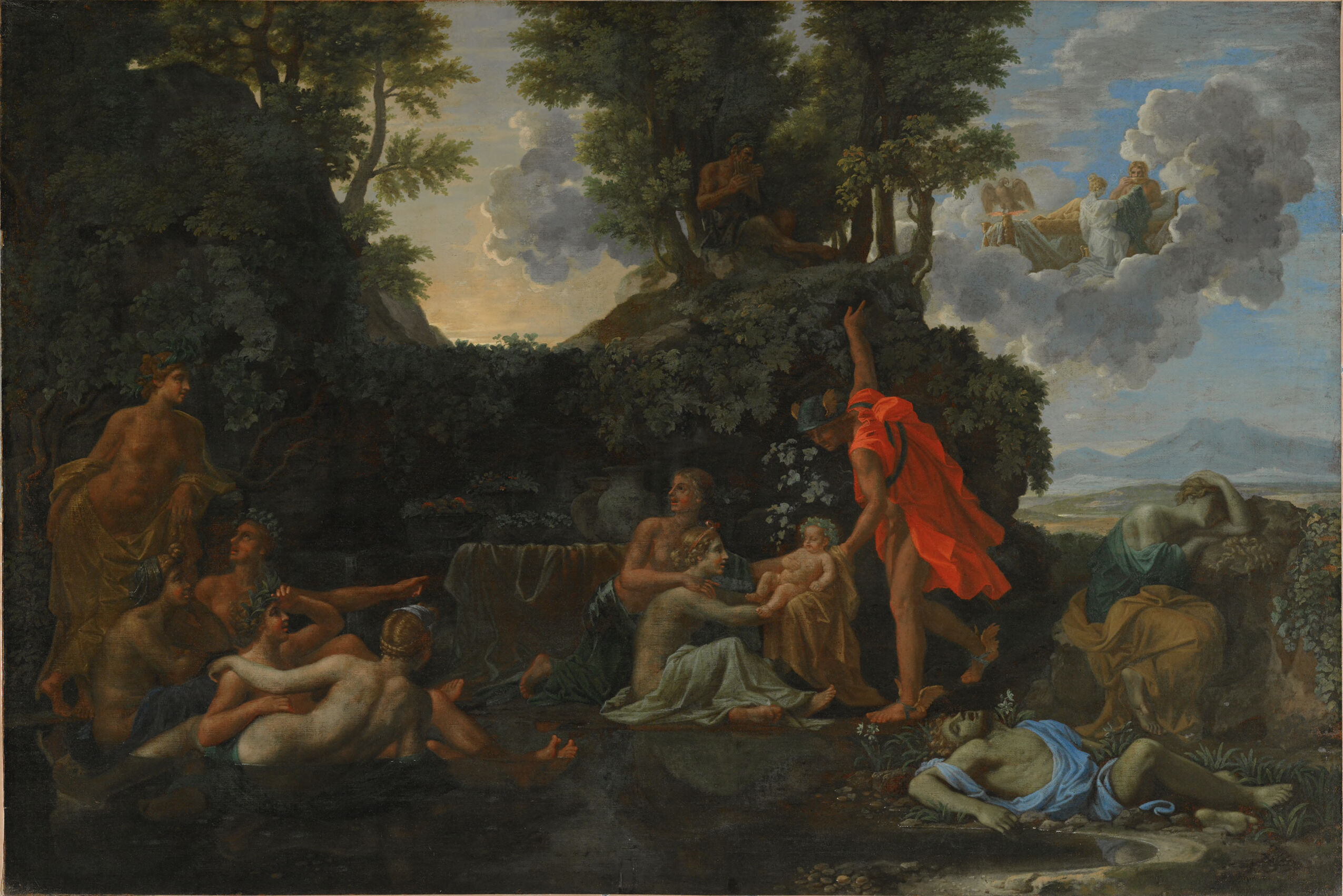
The Infant Bacchus Entrusted to the Nymphs of Nysa; The Death of Echo and Narcissus
Nicolas Poussin
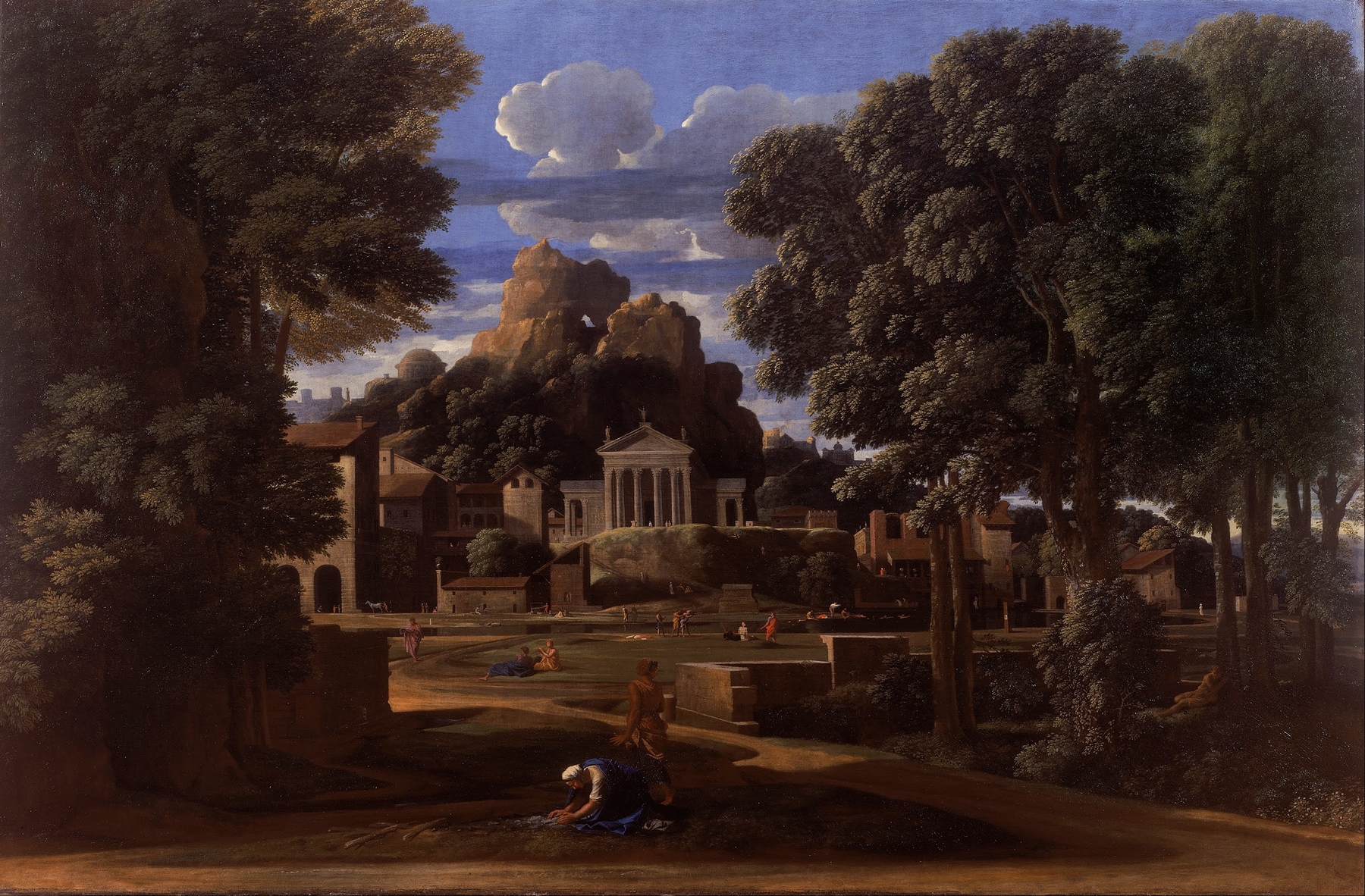
Landscape with the Ashes of Phocion
Nicolas Poussin
More Historical Art
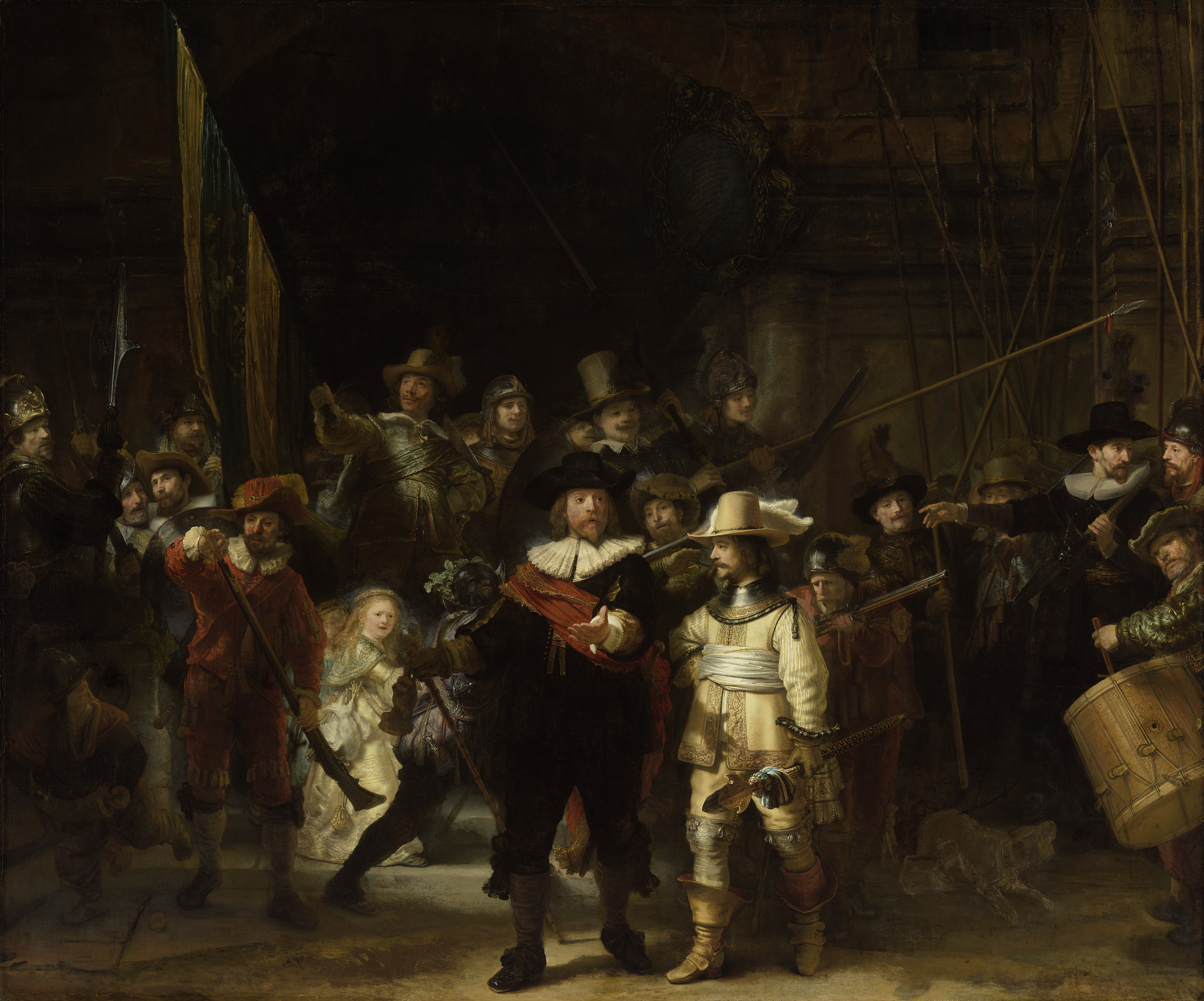
The Night Watch Militia Company of District II under the Command of Captain Frans Banninck Cocq
Rembrandt van Rijn
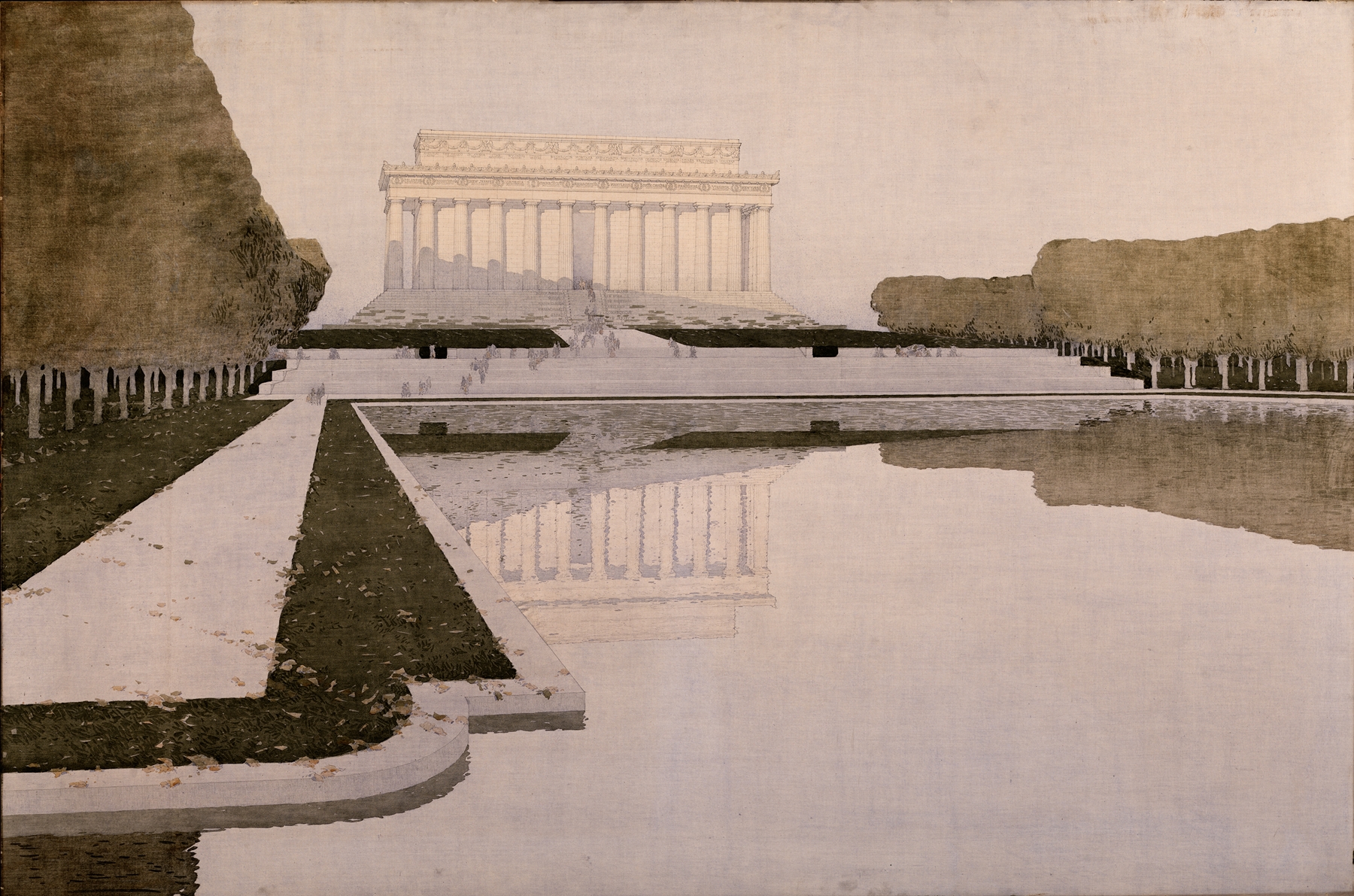
Lincoln Memorial
Henry Bacon
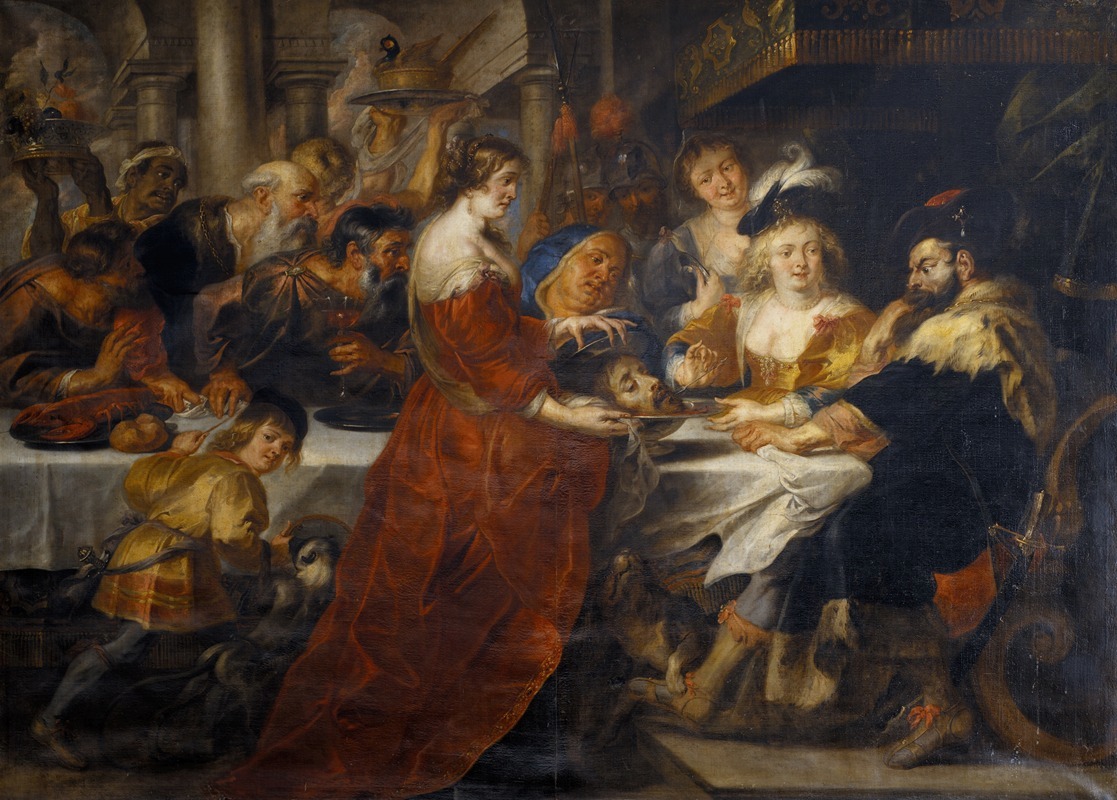
The Feast of Herod. Salome Bringing the Head of St John the Baptist on a Charger
Peter Paul Rubens
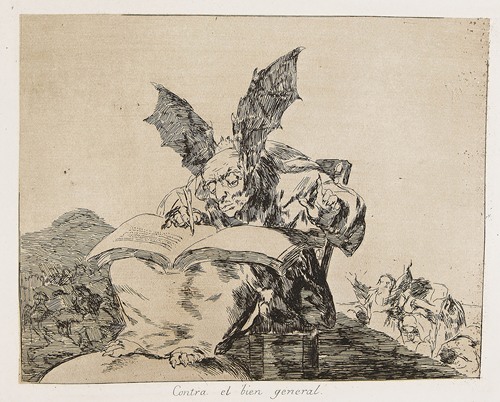
Los desastres de la guerra
Francisco de Goya
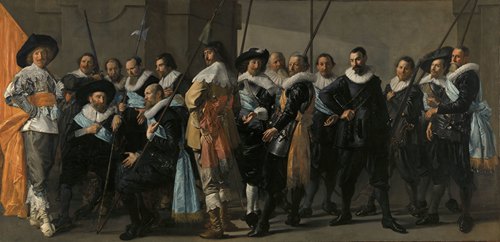
Militia Company of District XI under the Command of Captain Reynier Reael, Known as ‘The Meagre Company’
Frans Hals
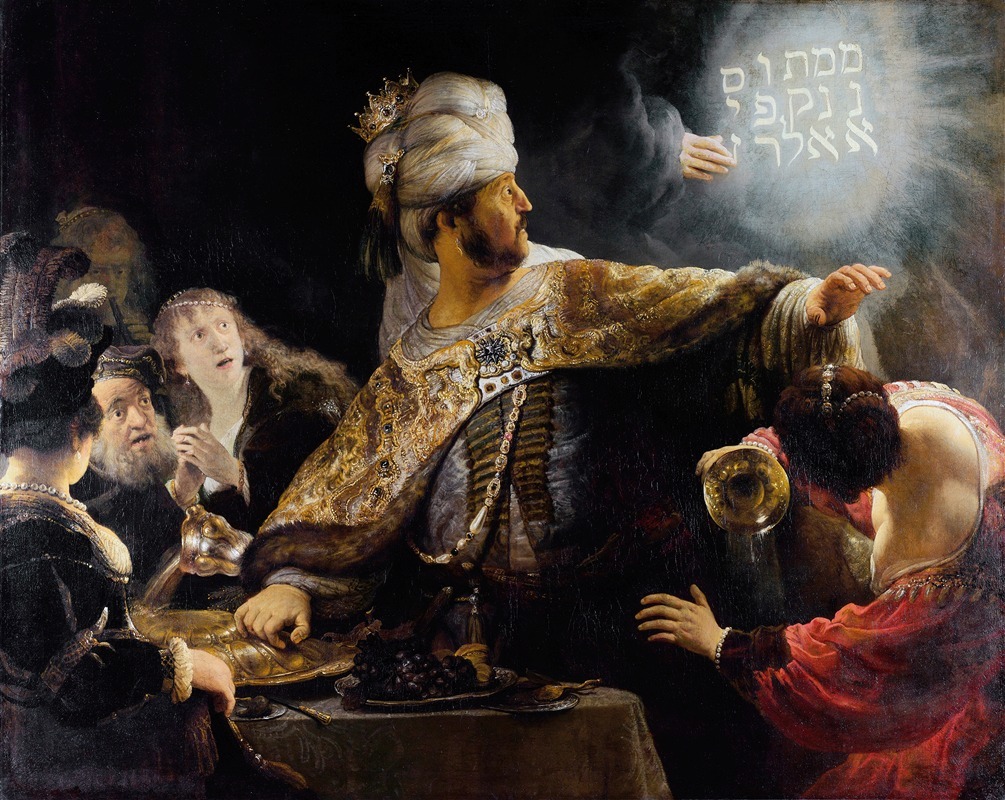
Belshazzar’s feast
Rembrandt van Rijn