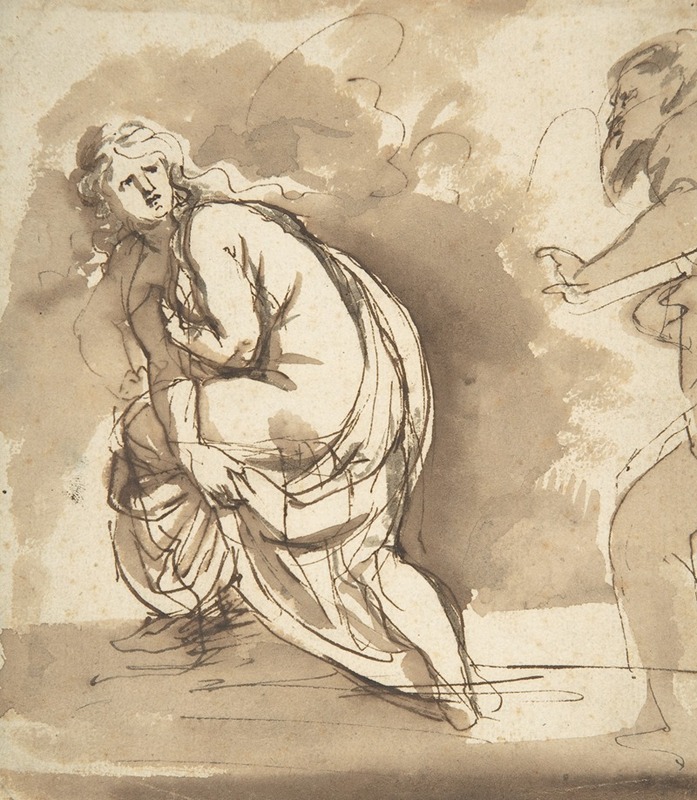
Discover insights about this artwork
The Death of Hippolytus — History & Facts
In The Death of Hippolytus, Nicolas Poussin presents a dramatic scene filled with rich colors. The painting features a central figure, Hippolytus, who is being dragged by horses, surrounded by onlookers. The background is filled with a tumultuous landscape that enhances the sense of chaos.
The use of deep reds and muted earth tones adds to the emotional intensity of the moment. This painting is executed in oil on canvas, a popular medium during the Baroque period. Poussin's technique showcases his mastery of composition and the human form, with figures arranged in a dynamic yet balanced manner. The attention to detail in the expressions and gestures of the characters invites viewers to engage with the narrative.
The dimensions of the artwork are approximately 100 x 130 cm, making it a substantial piece. Nicolas Poussin was a leading figure in the Baroque movement, known for his classical approach to painting. The Death of Hippolytus reflects his interest in mythology and dramatic storytelling. An interesting fact about this work is that it was inspired by the ancient Greek myth of Hippolytus, who faced tragic consequences due to his loyalty to Artemis.
Poussin's interpretation emphasizes the emotional turmoil and moral lessons inherent in the story.
More Artworks by Nicolas Poussin
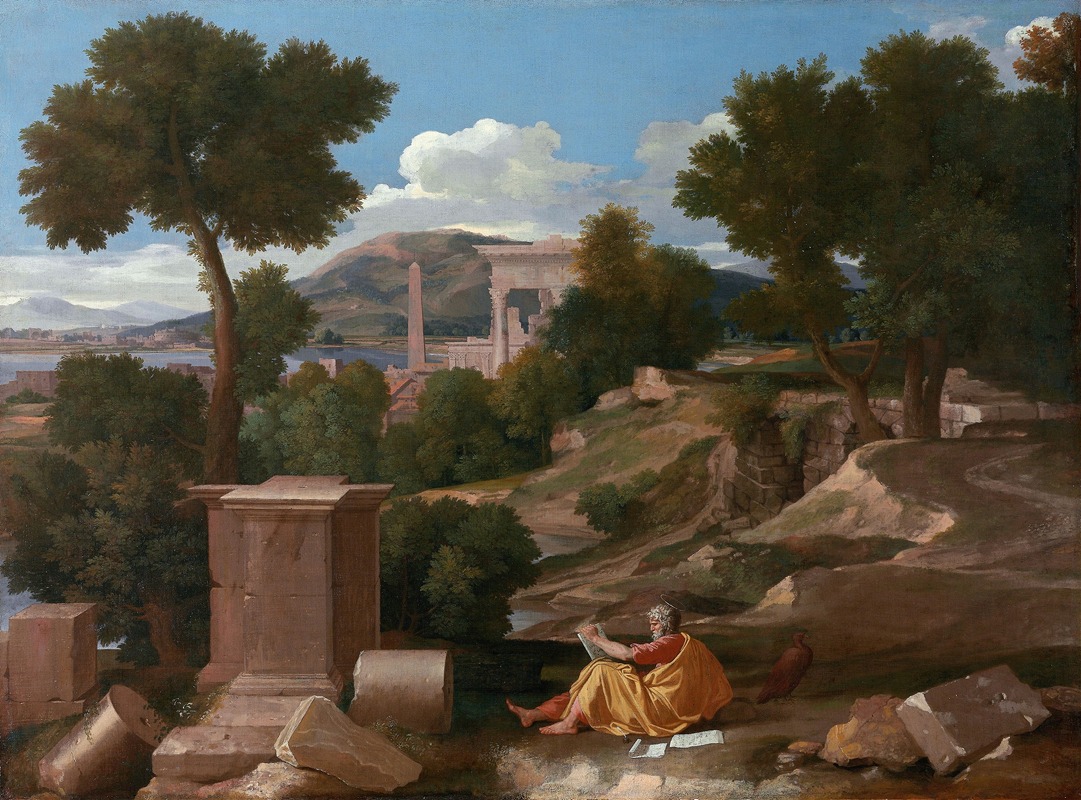
Landscape with Saint John on Patmos
Nicolas Poussin
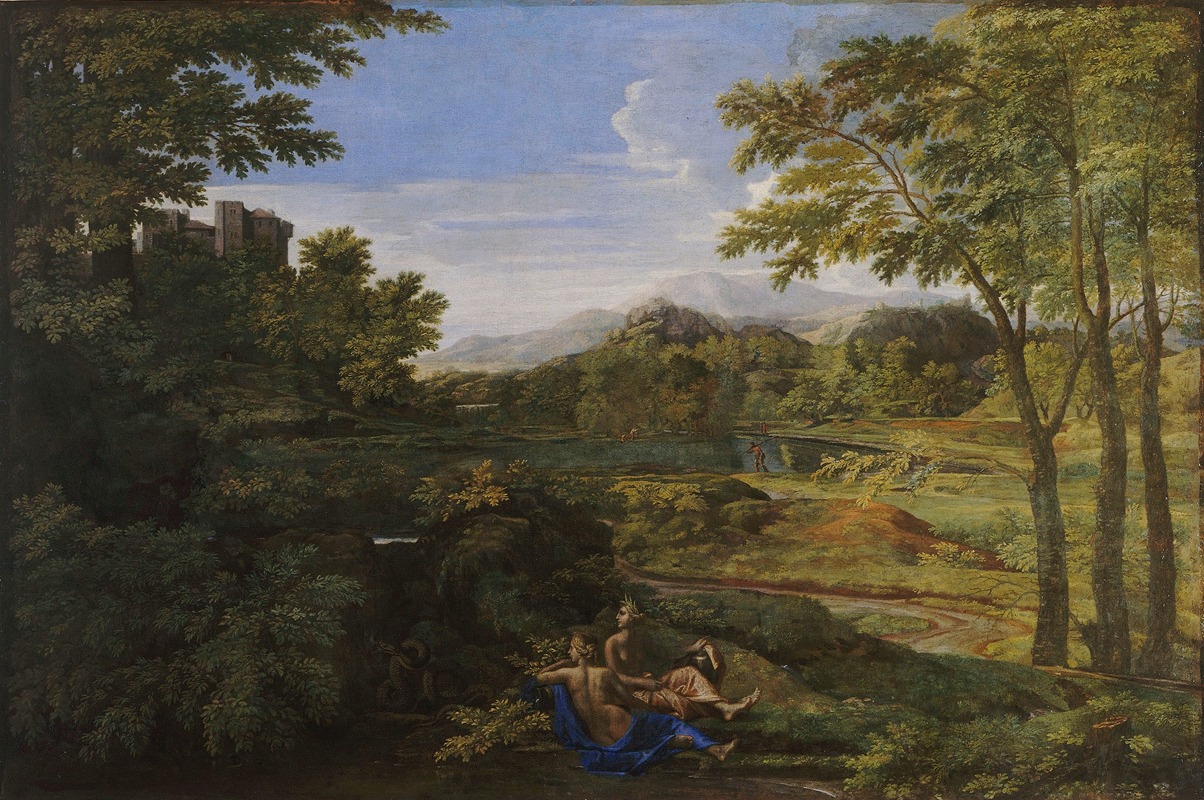
Paysage avec deux nymphes et un serpent
Nicolas Poussin
Paysage avec deux nymphes et un serpent
Nicolas Poussin
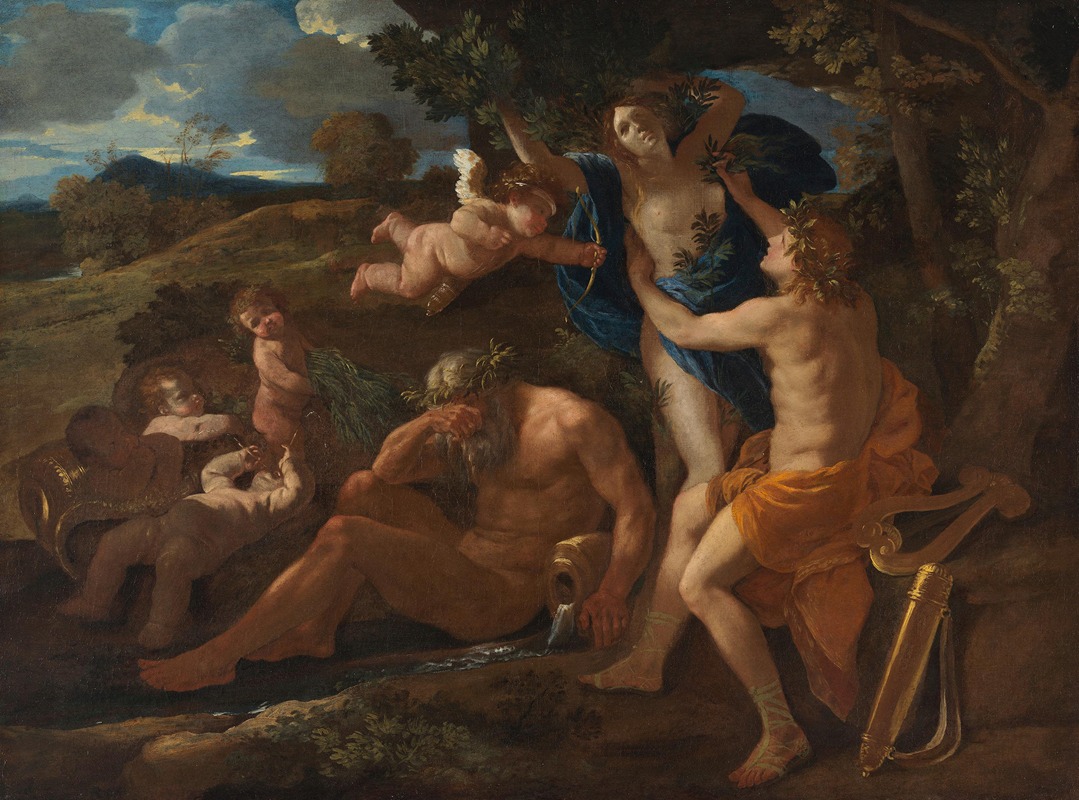
Apollo and Daphne
Nicolas Poussin
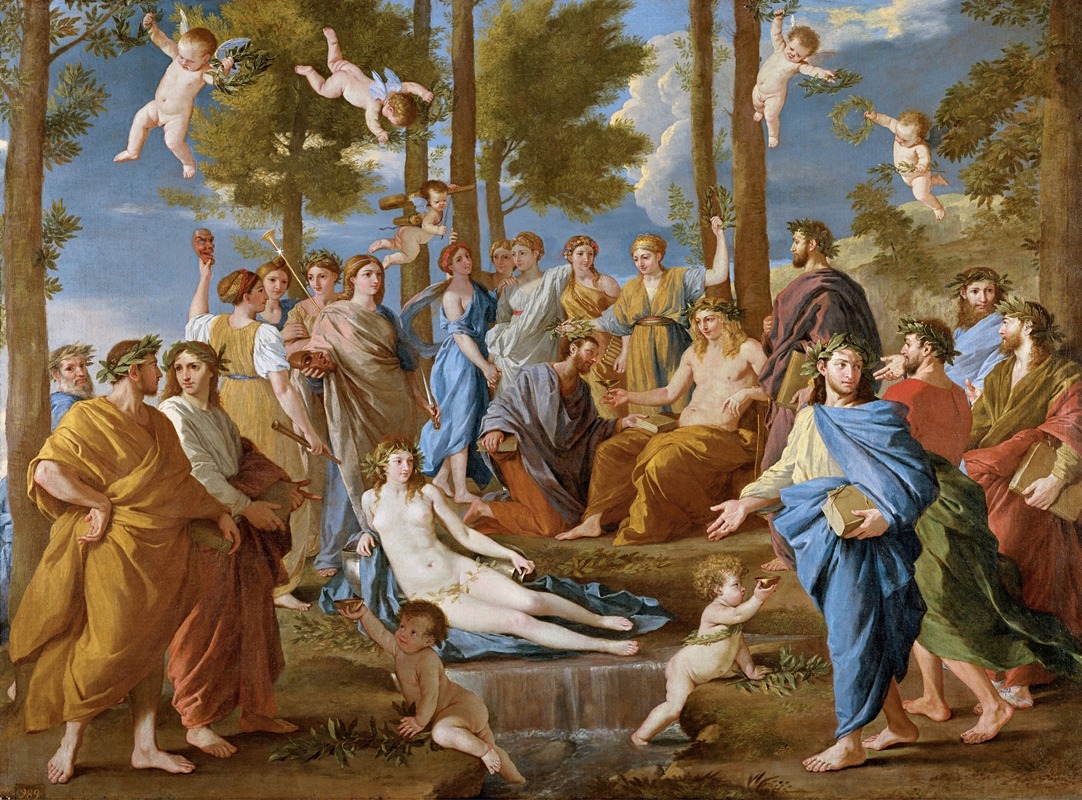
El Parnaso
Nicolas Poussin
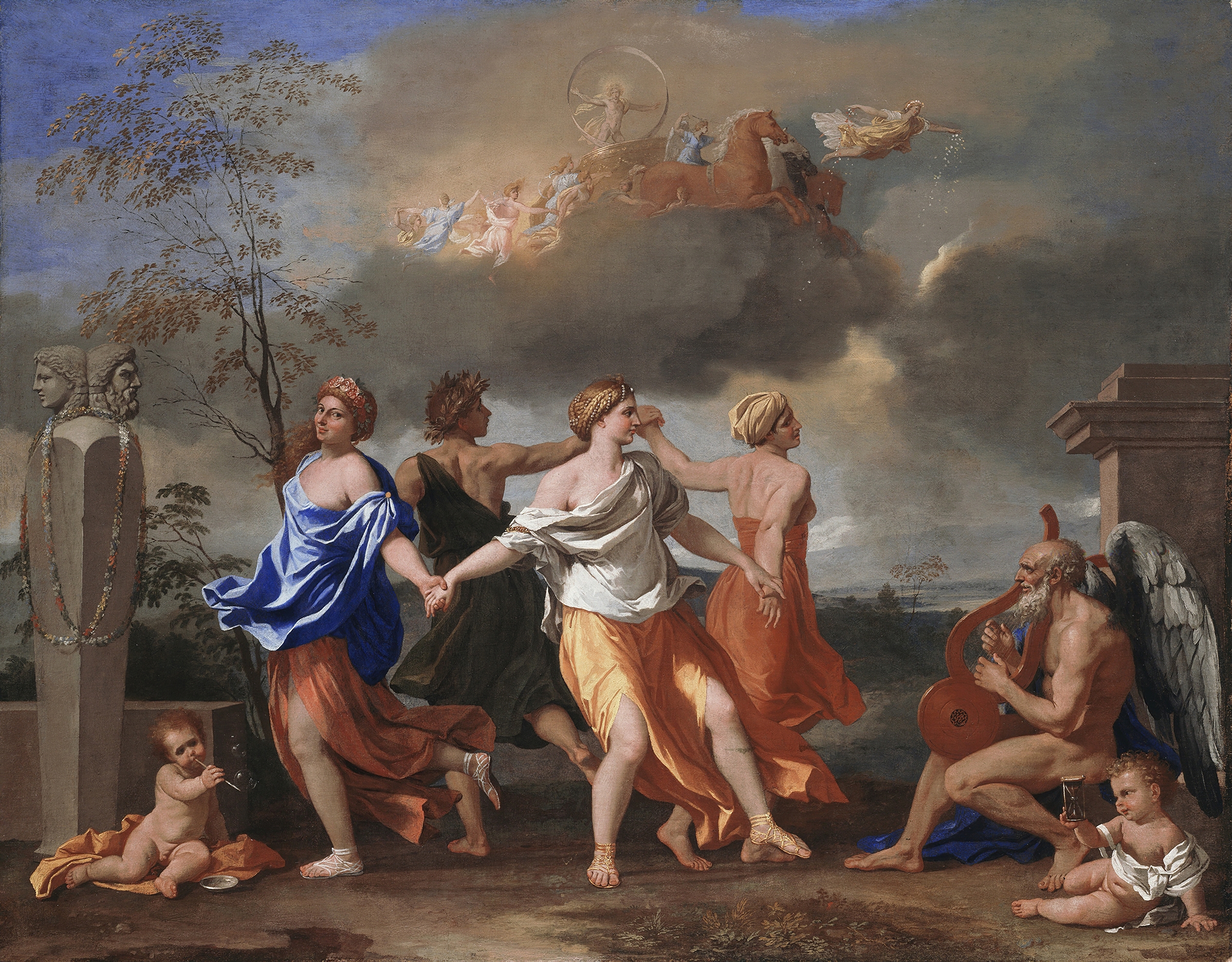
A Dance to the Music of Time
Nicolas Poussin
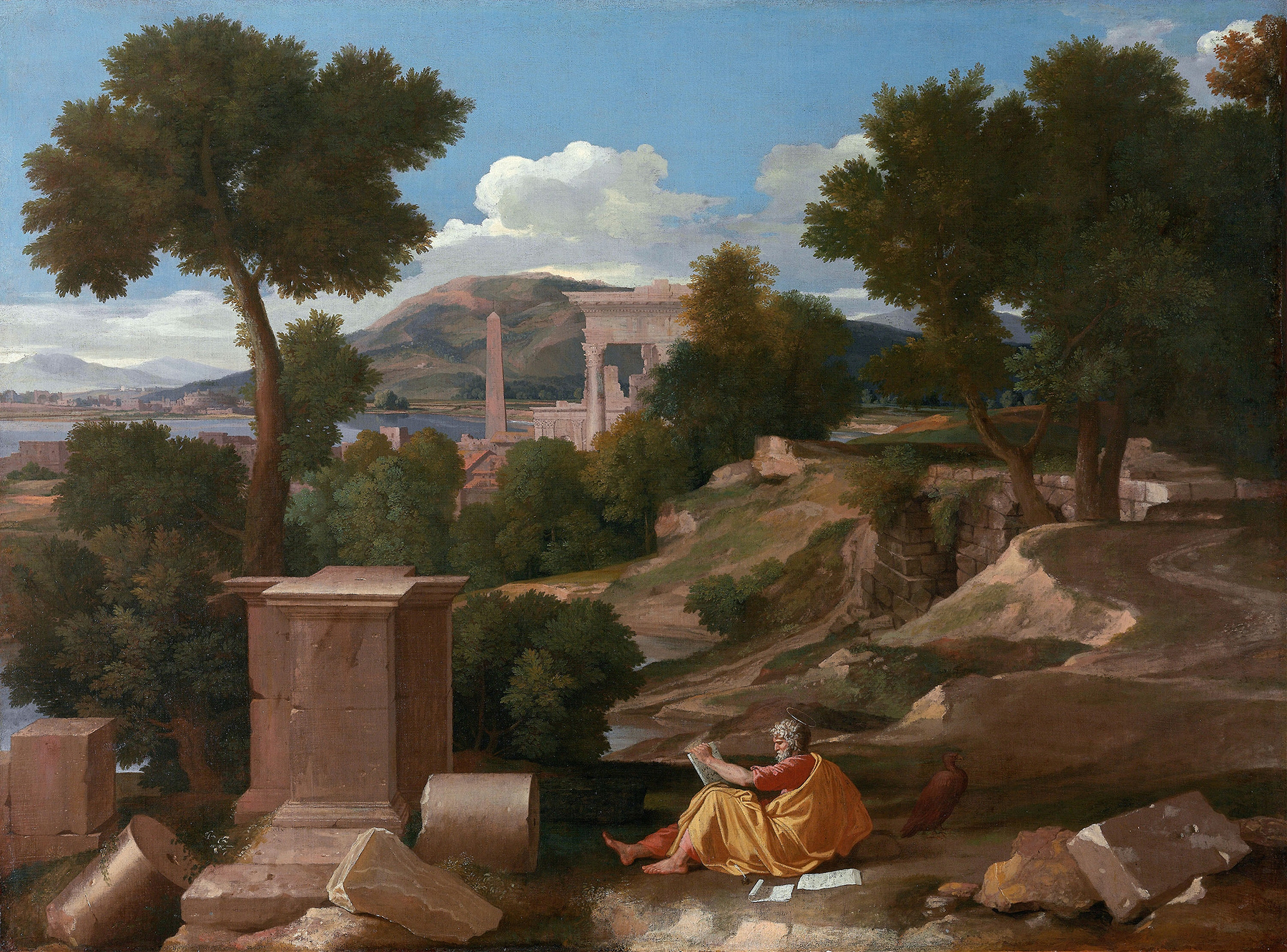
Landscape with Saint John on Patmos
Nicolas Poussin

Landscape with Saint John on Patmos
Nicolas Poussin
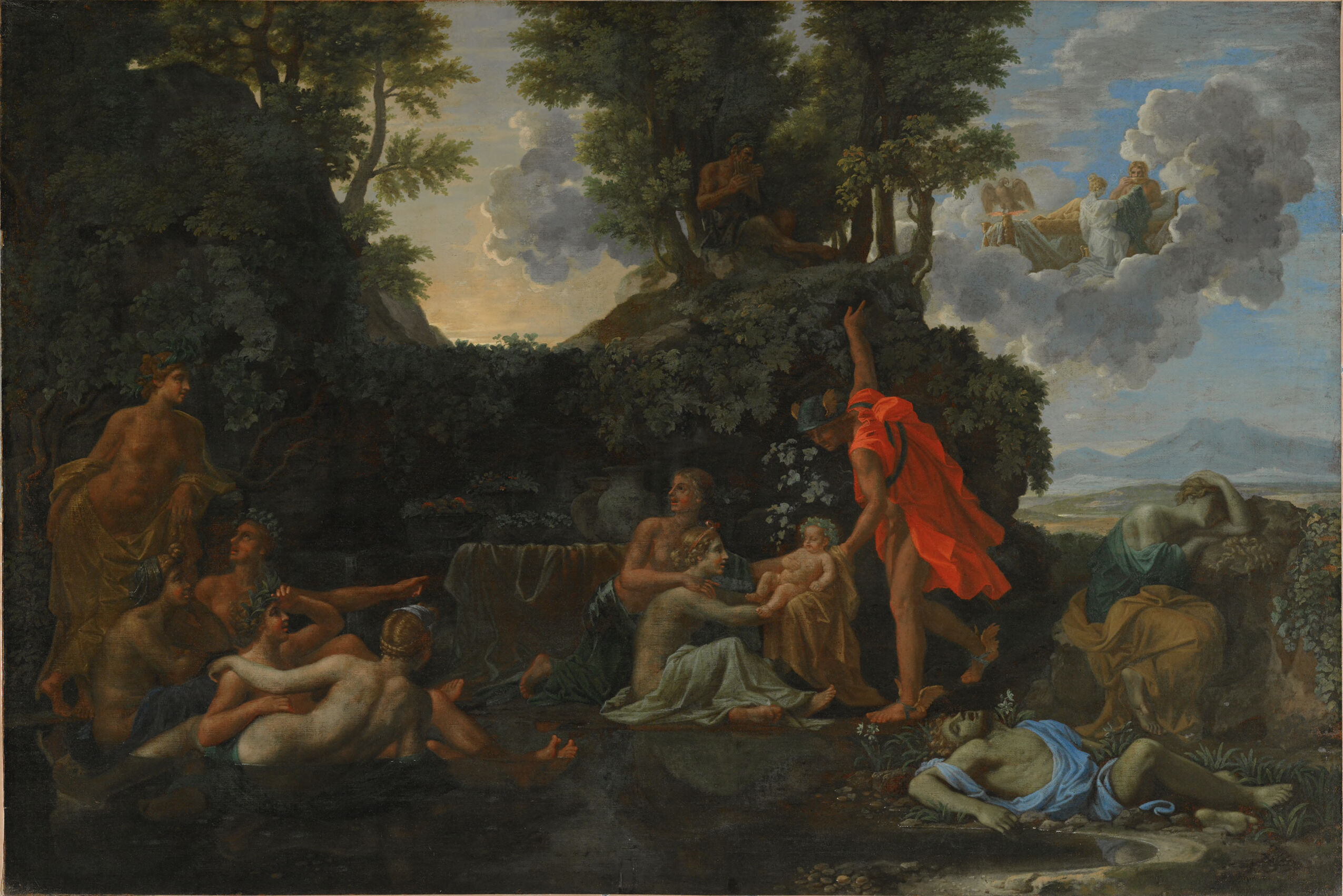
The Infant Bacchus Entrusted to the Nymphs of Nysa; The Death of Echo and Narcissus
Nicolas Poussin
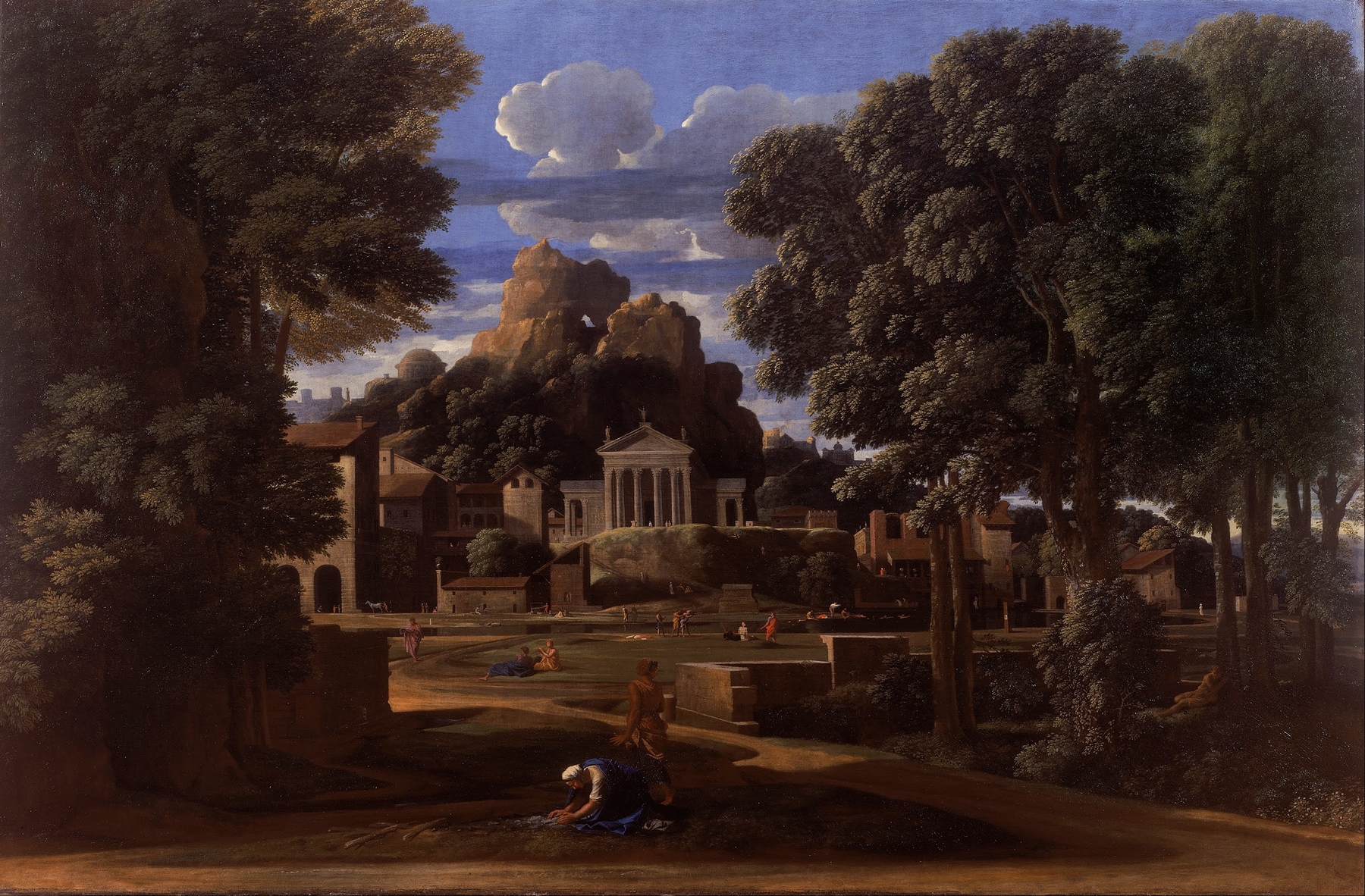
Landscape with the Ashes of Phocion
Nicolas Poussin