
The death of Leszek the White. — History & Facts
Few moments in Polish history have sparked as much intrigue and speculation as the assassination of Duke Leszek the White in 1227, and it is this very event that Jan Matejko captures with gripping immediacy in The death of Leszek the White. Painted in 1880, the work draws on both legend and chronicle, reflecting a national fascination with the violent end of a ruler whose death marked a turning point in the fragmentation of medieval Poland. The painting emerged at a time when Poland itself was partitioned and without sovereignty, lending Matejko’s choice of subject a powerful contemporary resonance. At the heart of the scene, Leszek lies mortally wounded amidst the chaos of the Gąsawa council, his white garments stained in sharp contrast to the shadowy turmoil around him. Matejko freezes the moment of betrayal: the duke’s followers recoil in horror, while the assassin—his dagger still raised—remains half-shrouded in darkness.
The artist’s meticulous attention to medieval costume and heraldry anchors the narrative in historical reality, while the dramatic lighting isolates Leszek, emphasizing his vulnerability and the suddenness of his fall. Unlike Giotto’s treatment of betrayal in The Kiss of Judas, where the focus is on psychological tension, Matejko’s composition centers on the physical and political rupture that Leszek’s death represents. The exact provenance of The death of Leszek the White. remains somewhat obscure, though it is widely accepted as a key work from Matejko’s mature period, when he was at the height of his powers as Poland’s foremost historical painter. Created without a known patron, it reflects the artist’s personal mission to educate and inspire his compatriots through national history.
Today, the painting is held in a Polish collection, frequently displayed in exhibitions dedicated to Matejko’s legacy. Its enduring impact lies in the way it fuses historical inquiry with the drama of painting, inviting viewers to reflect on both the past and the artist’s own turbulent times.
Sources: Wikidata Q124988813 · Image source (Wikimedia Commons)
More Artworks by Jan Matejko
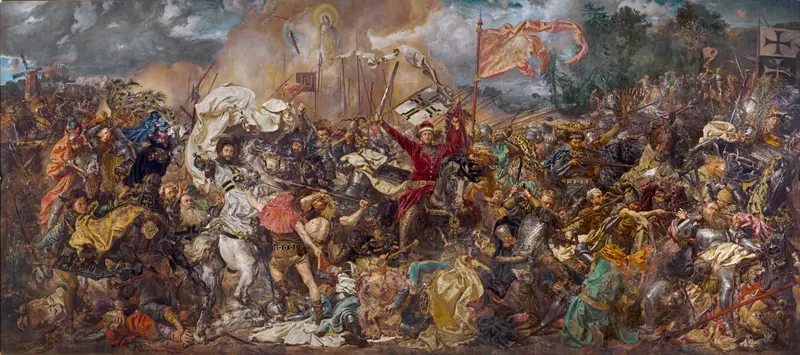
Battle of Grunwald
Jan Matejko

Stańczyk
Jan Matejko

Battle of Raclawice
Jan Matejko
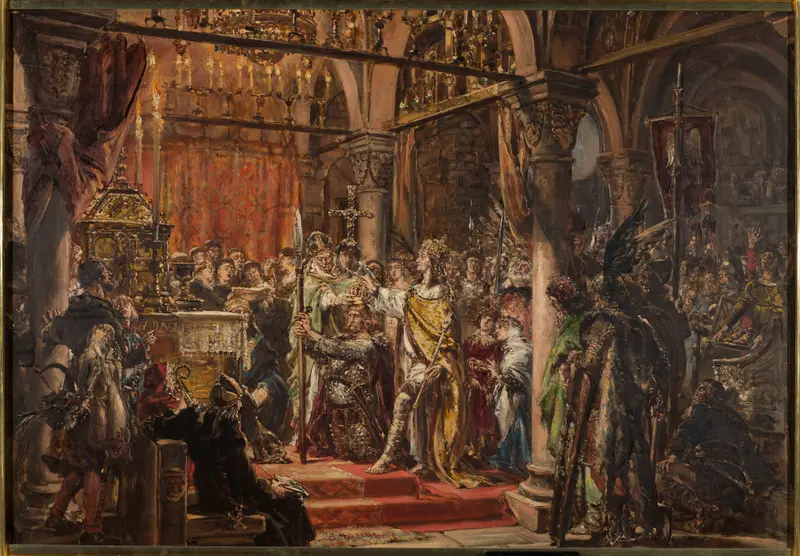
Coronation of the First King, 1001 AD, from the series “History of Civilization in Poland”
Jan Matejko
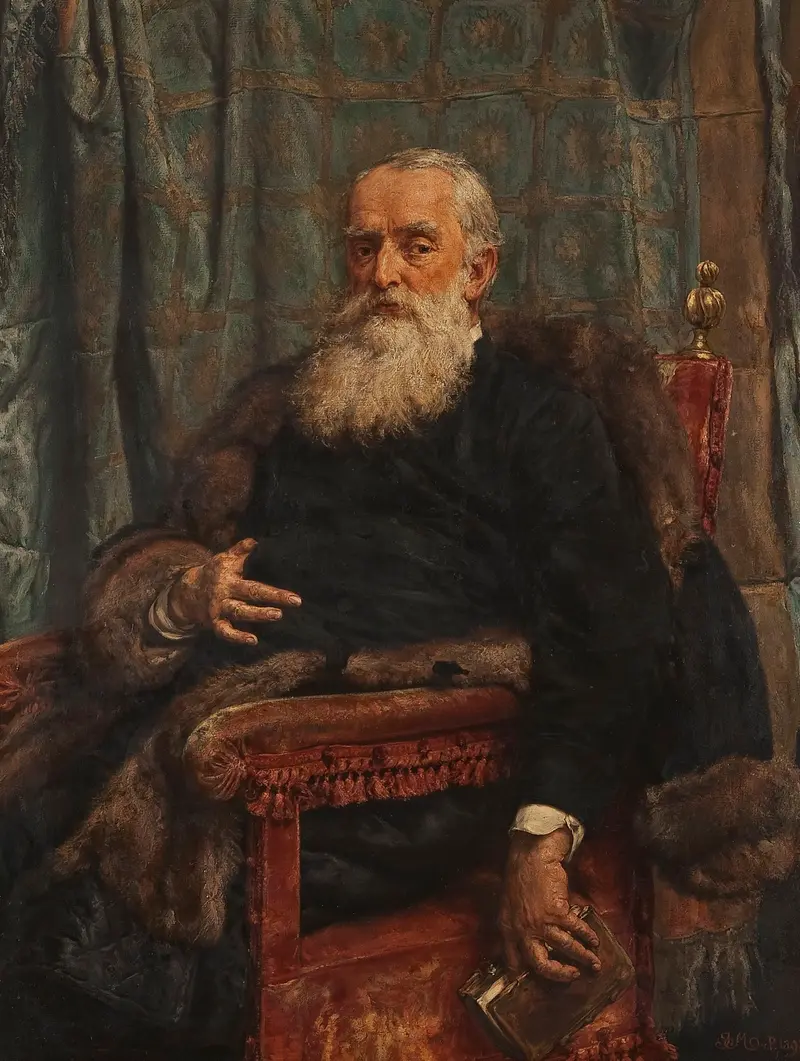
Portrait of Henryk Krajewski
Jan Matejko
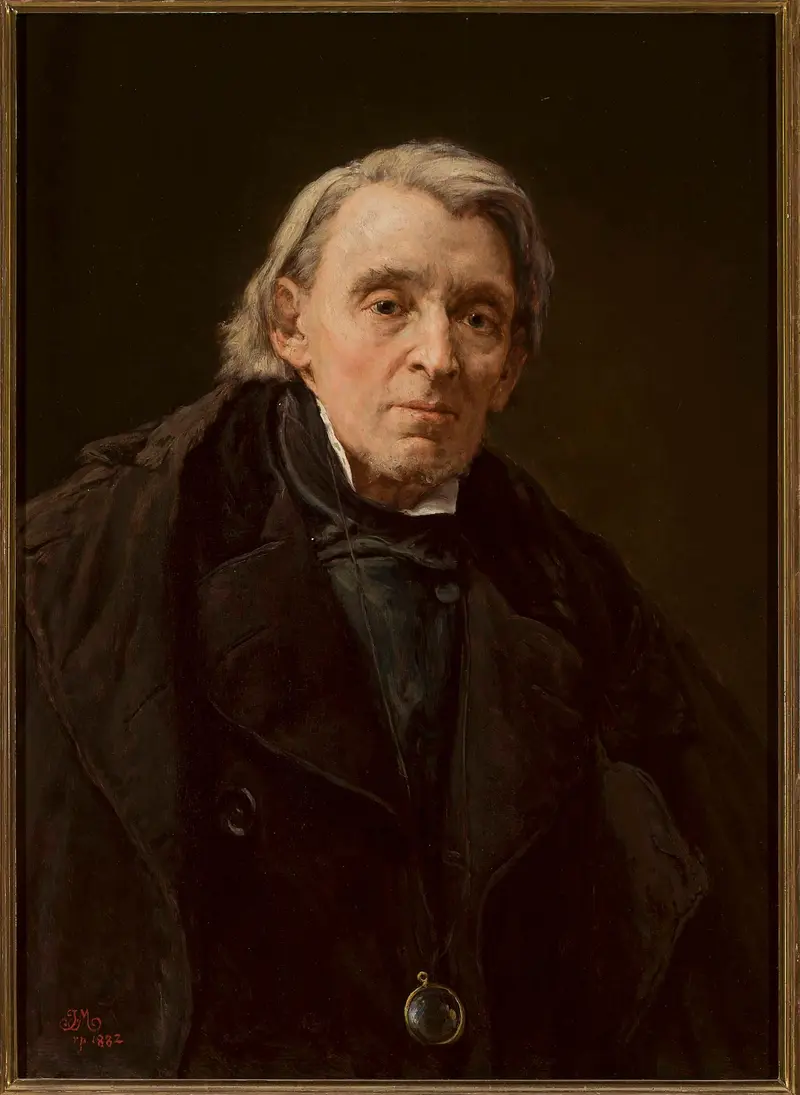
Portrait of Karol Podlewski
Jan Matejko
Portrait of Potocki and Poninski
Jan Matejko
Portrait of the artist's four children
Jan Matejko
Introduction of Christianity in Poland
Jan Matejko
Prussian Homage
Jan Matejko





