
The Dell at Helmingham Park (Nelson-Atkins) — History & Facts
What first catches the eye in The Dell at Helmingham Park (Nelson-Atkins) is the drama of shadow and light threading through the ancient trees, drawing the viewer into a secluded woodland scene that feels both intimate and wild. The painter’s brushwork is vigorous and alive, almost sculpting the trunks and branches out of darkness and earth. A rustic wooden bridge, weathered and uneven, crosses a narrow stream at the heart of the composition, its rough geometry a quiet counterpoint to the tangle of nature around it.
The play of sunlight on the path beyond hints at a clearing, while the dense canopy overhead keeps much of the dell in a cool, mysterious shade. A tiny figure in red, nearly lost in the gloom, signals human presence without disturbing the hush—an invitation to imagine the stories that might unfold along this hidden path. Painted in 1830, this work belongs to a moment when English landscape painting was shifting from the orderly, idealized vistas of the previous century to something more immediate and personal. John Constable was a leading figure in this transformation, seeking not just to record the land but to convey its living atmosphere and the moods it could inspire.
Works like this, often painted for private patrons or as studies for larger compositions, were part of a broader Romantic fascination with the countryside as a place of memory, emotion, and change. The painting’s current home in the collection documented by the Google Cultural Institute is a reminder of how such images, once rooted in a specific place and time, now invite viewers everywhere to enter their world and linger in its quiet depths.
More Artworks by John Constable
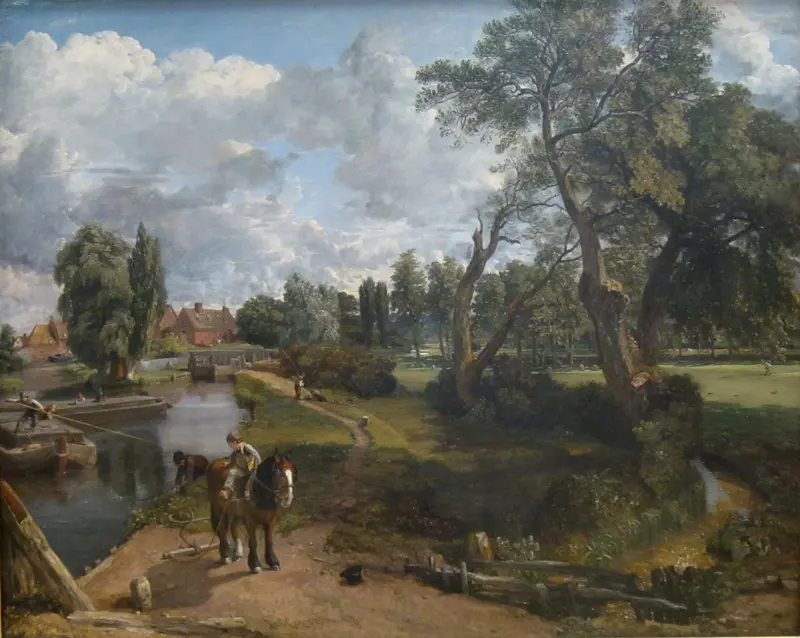
Flatford Mill (Scene on a Navigable River)
John Constable

Salisbury Cathedral From The Meadows
John Constable
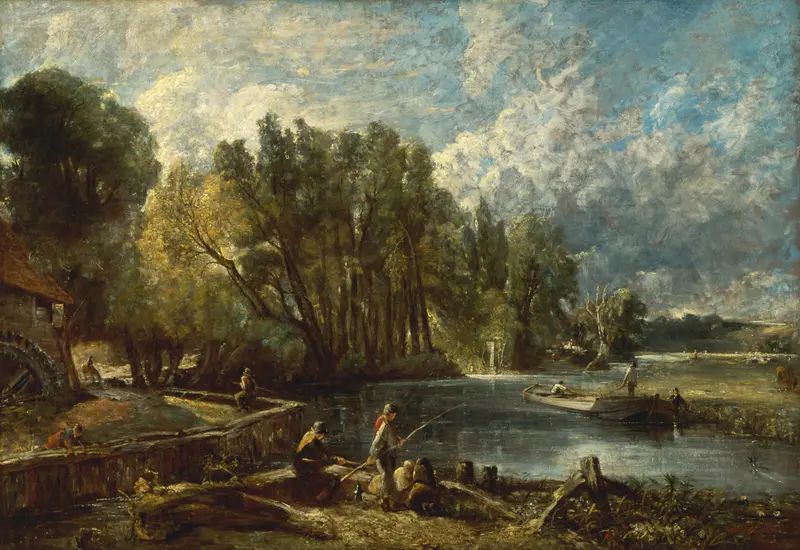
Stratford Mill
John Constable
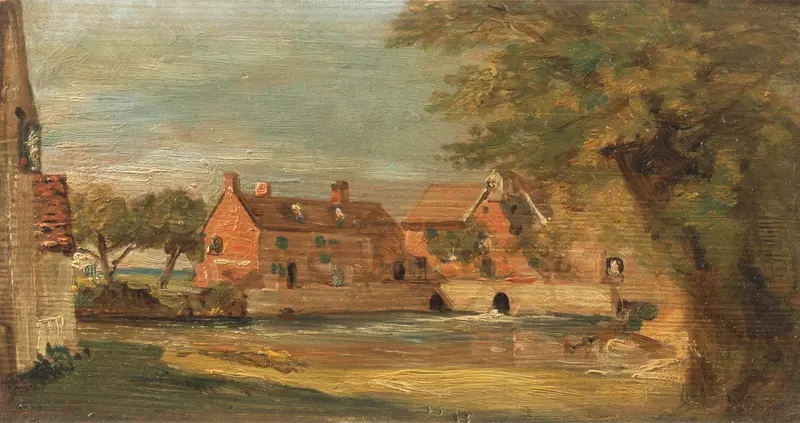
Flatford Mill
John Constable
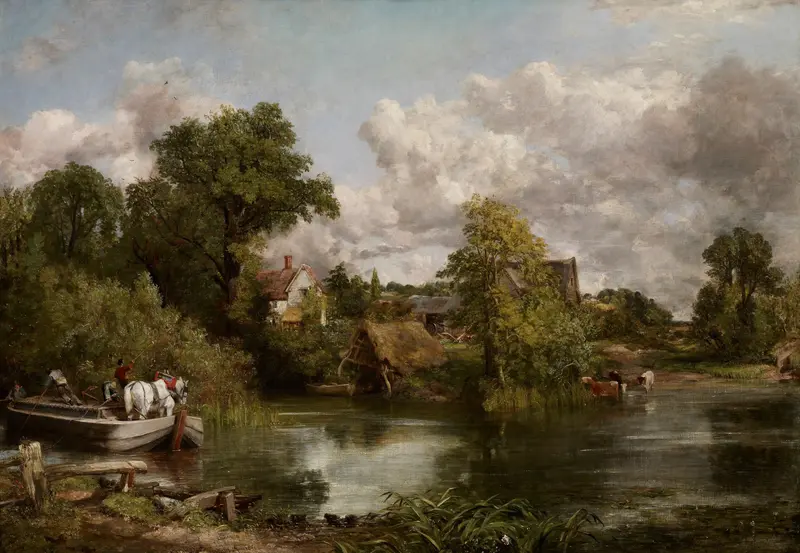
The White Horse
John Constable
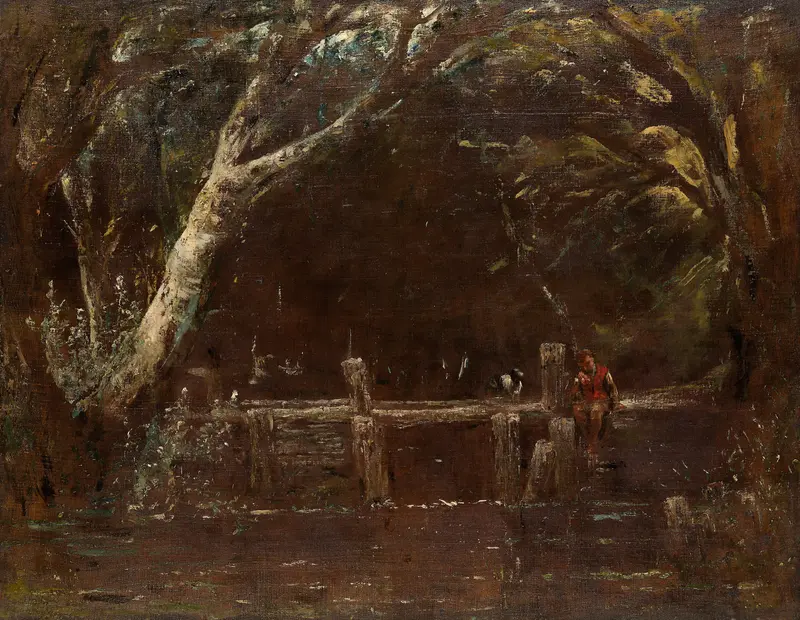
Landscape (The Lock)
John Constable
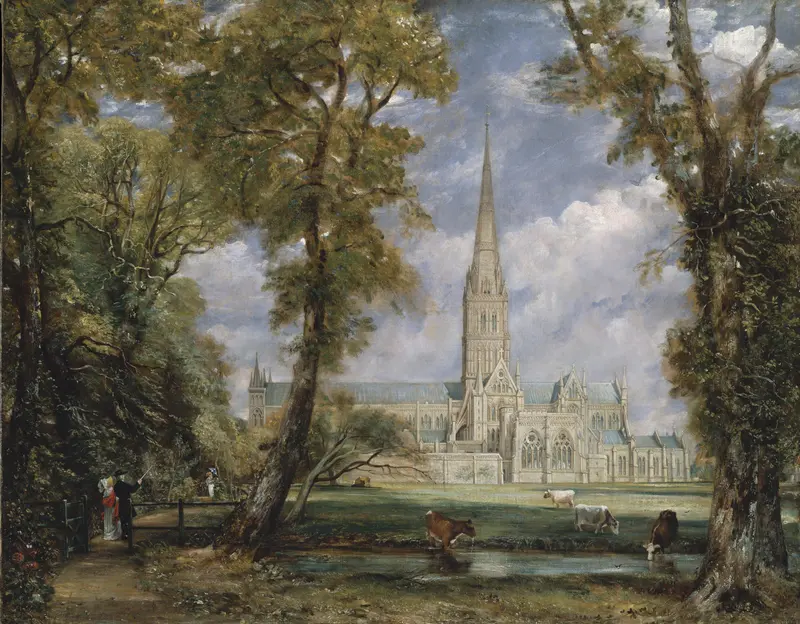
Salisbury Cathedral from the Bishop’s Grounds
John Constable
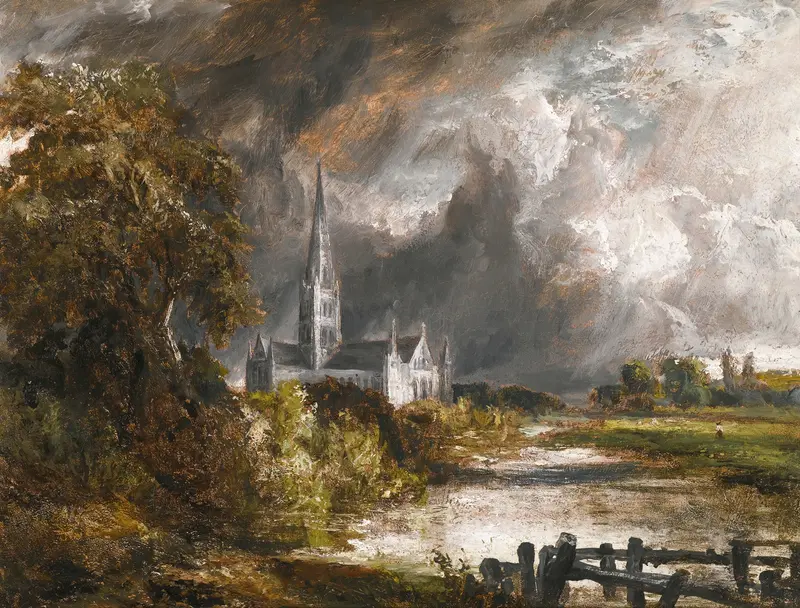
Salisbury Cathedral From The Meadows
John Constable
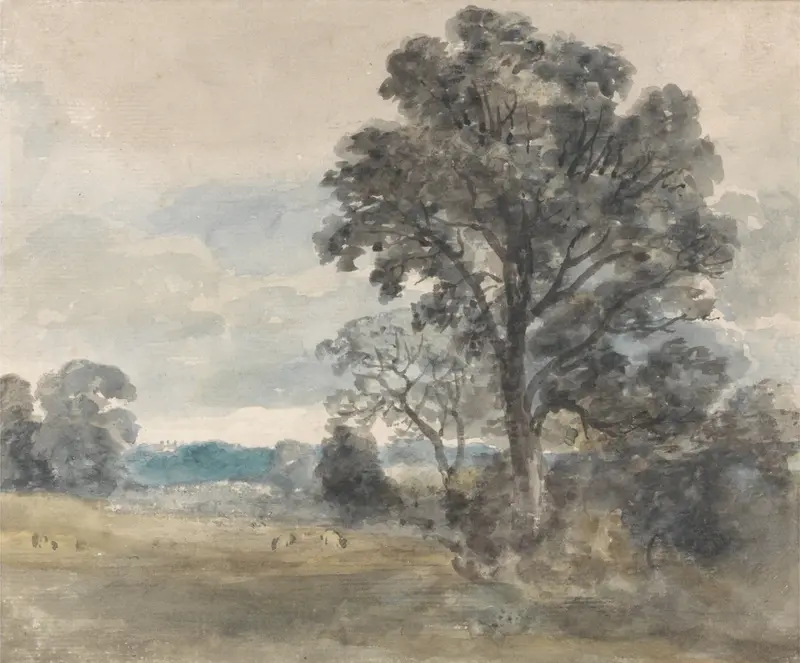
Landscape at East Bergholt
John Constable
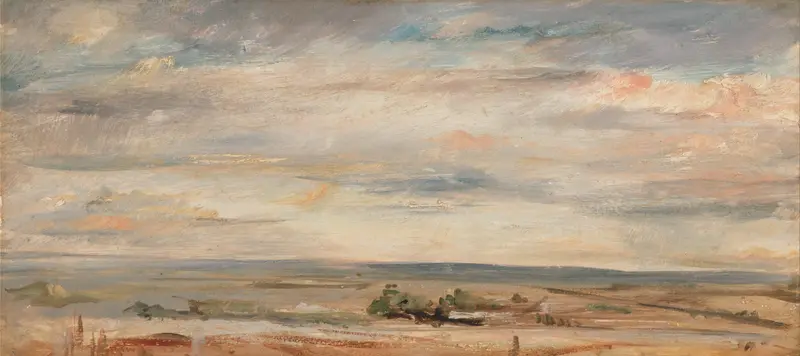
Cloud Study, Early Morning, Looking East from Hampstead
John Constable
More Landscape Art

The Starry Night
Vincent van Gogh

View of Delft
Johannes Vermeer

Water Lilies
Claude Monet

The Grand Canal, Venice, looking north-west from the Ca' Corner to the Ca' Contarini degli Scrigni, with the campanile of Santa Maria della Carità
Canaletto

Windsor Castle
Canaletto

The Grand Canal looking North-East from the Palazzo Dolfin-Manin to the Rialto Bridge
Canaletto