
The Departure for the Hunt — History & Facts
Can paint confess what words never could? In The Departure for the Hunt, nostalgia seeps through the canvas, whispering the tales of a world both familiar and elusive, where the past blends seamlessly with fleeting moments of joy. Look to the left at the group of hunters, poised in anticipation, their horses trembling with excitement. Notice how the artist captures the warm light drenching the scene, illuminating the vibrant colors of their attire and the rich, earthy tones of nature surrounding them. The careful interplay of shadow and light creates a sense of movement, almost as if you can hear the rustle of the leaves and the distant call of the wild.
Each brushstroke echoes the promise of adventure, inviting the viewer to partake in their journey. Beneath this idyllic tableau lies a deeper emotional tension, a juxtaposition of camaraderie and solitude. While the hunters appear united in purpose, their expressions reveal an undercurrent of longing, perhaps for a time when nature was untouched and every moment cherished. The distant hills, bathed in soft mist, serve as a metaphor for the unknown, hinting at the bittersweet reality of what lies beyond the horizon—the inescapable passage of time that lingers on the edges of memory. In 1806, when this work was created, Jean-Joseph-Xavier Bidauld was immersed in the picturesque movement, reflecting the Romantic ideals pervasive in European art.
Living in France, he witnessed a society in transition, grappling with the changes brought about by the Enlightenment and the Napoleonic era. The Departure for the Hunt encapsulates this moment—a celebration of nature, nostalgia, and the timeless human spirit yearning for connection with the wild and each other.
More Artworks by Jean-Joseph-Xavier Bidauld
Browse all →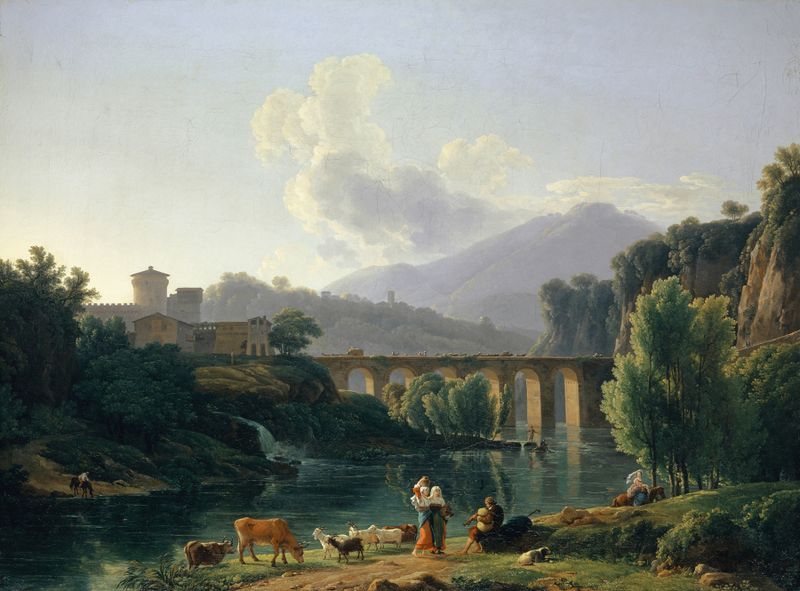
Roman Landscape with Viaduct
Jean-Joseph-Xavier Bidauld
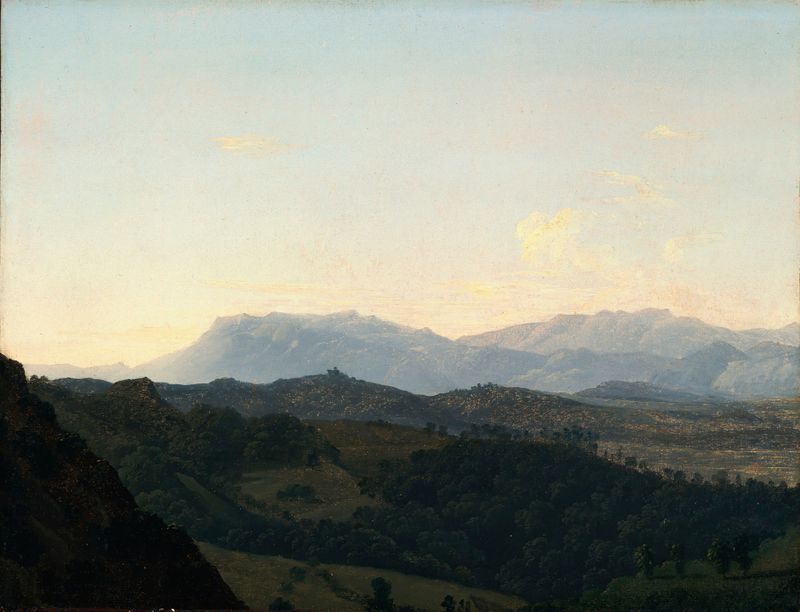
The Sabine Mountains
Jean-Joseph-Xavier Bidauld
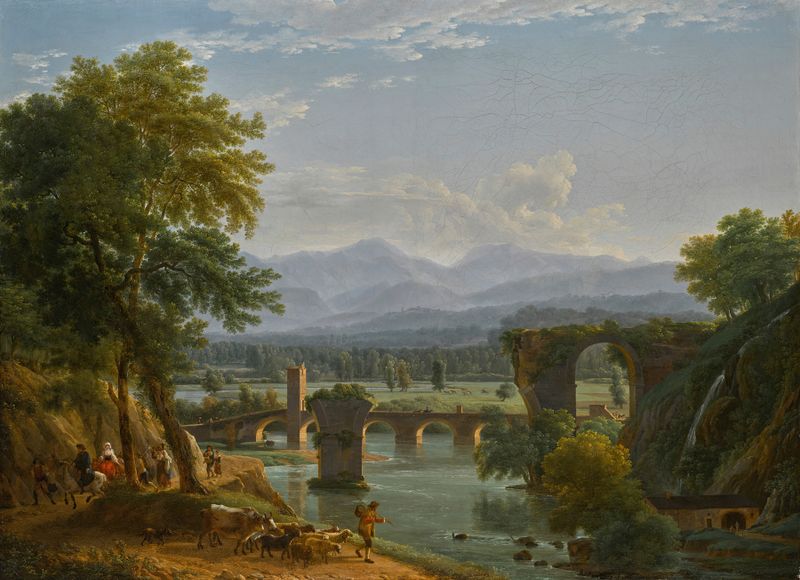
The Augustus Bridge Over The River Nera, Near The City Of Narni, Italy
Jean-Joseph-Xavier Bidauld

La baie de Naples
Jean-Joseph-Xavier Bidauld
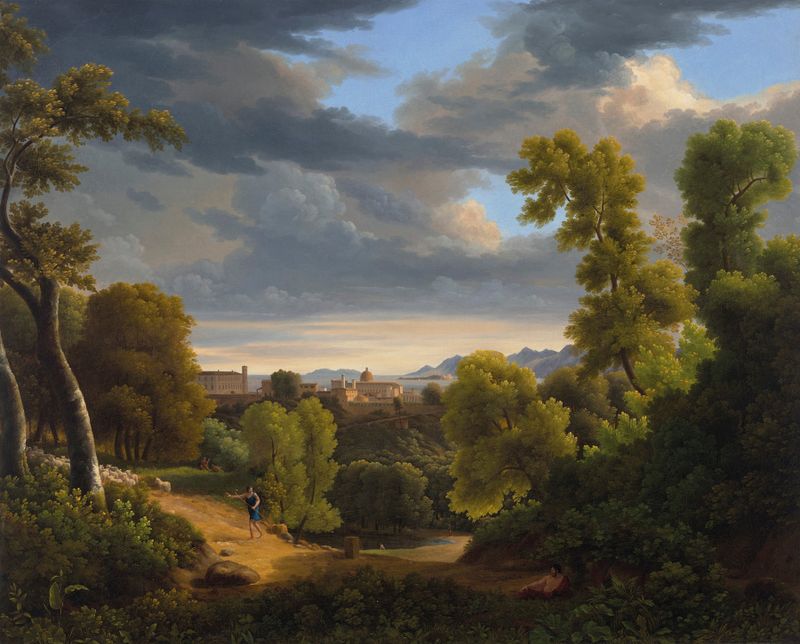
A view of Vietri near the sea in the Gulf of Salerno with Capri in the background
Jean-Joseph-Xavier Bidauld
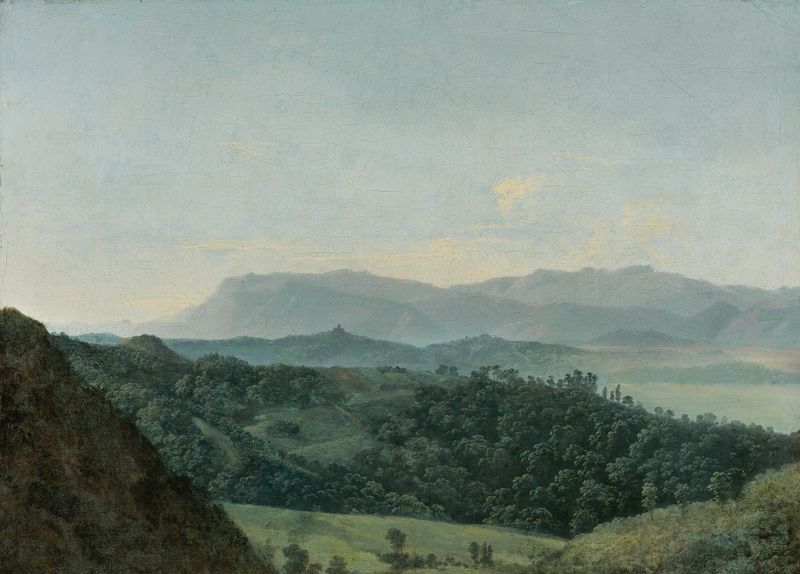
Extensive Mountainous Landscape
Jean-Joseph-Xavier Bidauld
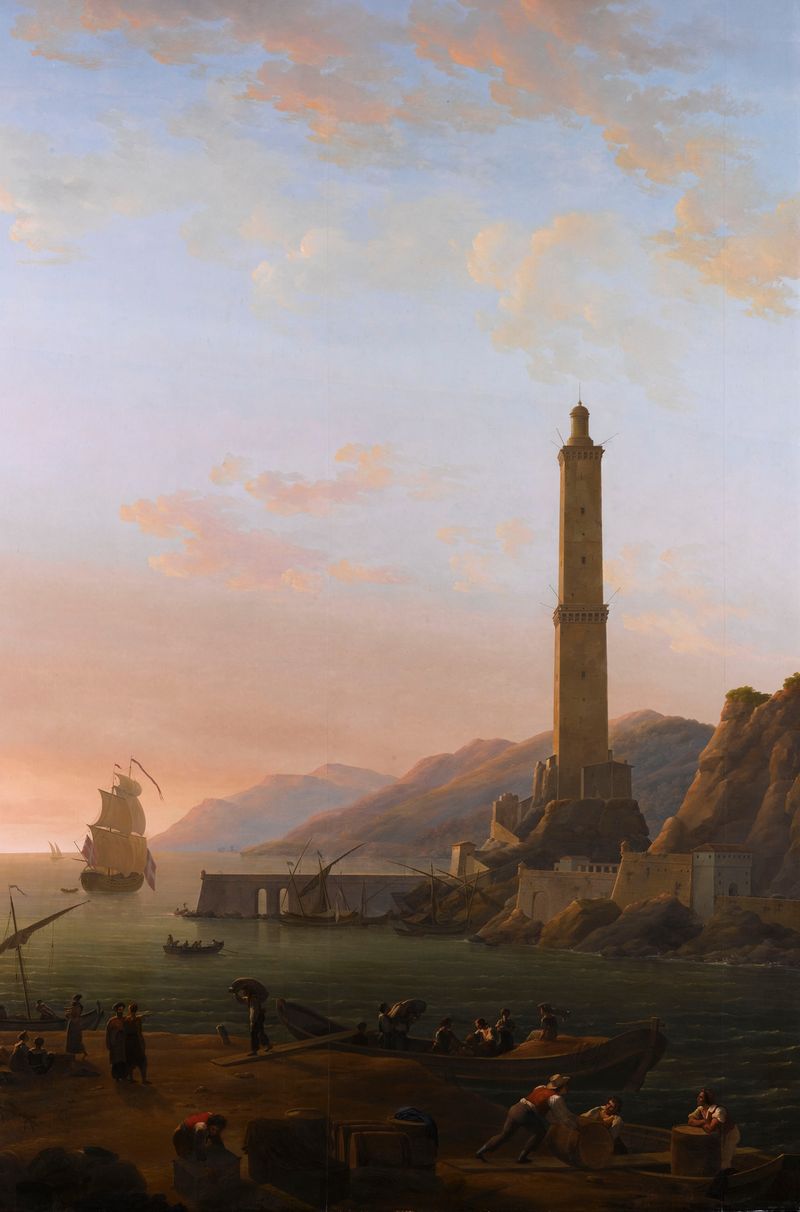
Le phare de Gênes
Jean-Joseph-Xavier Bidauld

Extensive Italian landscape with a town
Jean-Joseph-Xavier Bidauld

View of Bridge and the Town of Cava, Kingdom of Naples
Jean-Joseph-Xavier Bidauld
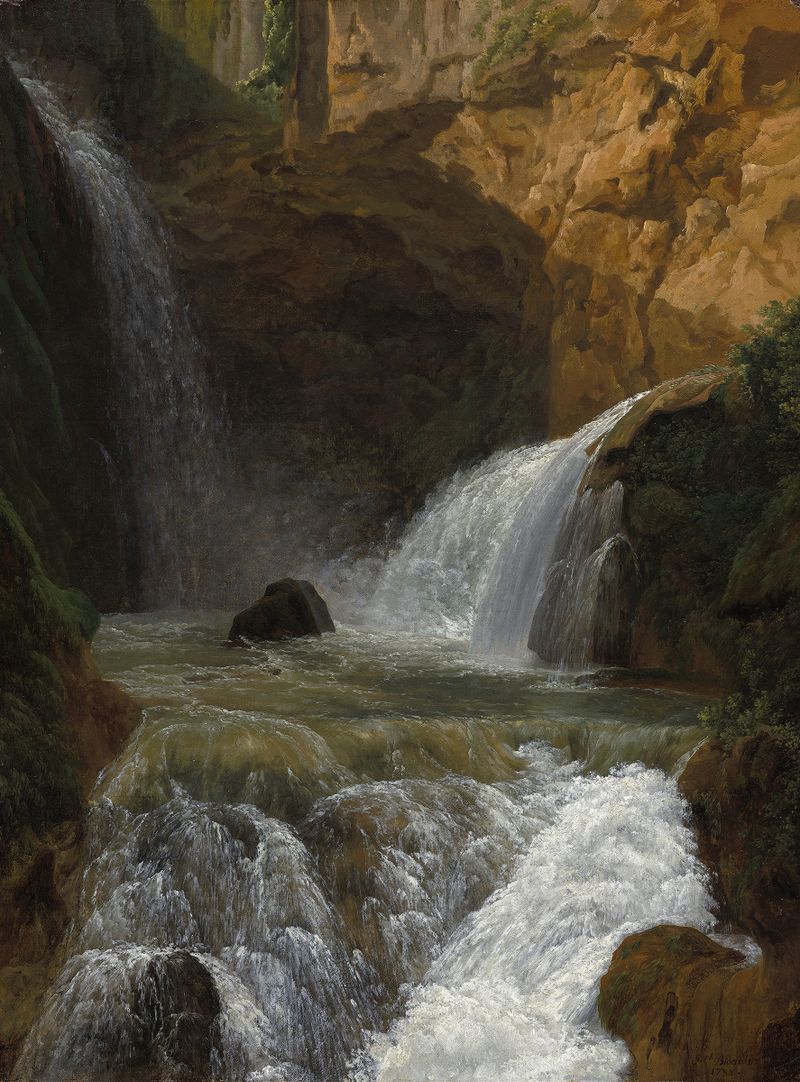
View of the Waterfalls at Tivoli
Jean-Joseph-Xavier Bidauld





