
The Departure of a Dignitary from Middelburg — History & Facts
What first catches the eye in The Departure of a Dignitary from Middelburg is the sense of collective anticipation, as if the whole city has turned out to witness a moment that will ripple through its memory. The painting draws you into a world in motion: horses strain at their harnesses, pulling a grand warship through the canal, while a procession of riders and dignitaries moves with solemn purpose along the dike. The flags atop the ships flutter with heraldic pride, their colors echoed in the garments of the figures below.
Smoke drifts from the cannons, signaling not only ceremony but the power and pageantry of the departing guest. The city of Middelburg rises in the background, its towers and rooftops rendered with crisp clarity, anchoring the event in a recognizable place and time. This is a painting born of the early seventeenth-century Dutch Republic, a period when public life and private ambition often met at the water’s edge. Works like this, painted by artists such as Adriaen van de Venne, were both records and celebrations of civic life, commissioned to commemorate visits, departures, or triumphs that shaped the fortunes of cities and their leaders.
The date, 1615, places it amid the Twelve Years’ Truce, when the Dutch were forging their identity and prosperity through trade, diplomacy, and spectacle. Today, it hangs in the Rijksmuseum, a reminder that history sometimes moves not with a single hero, but with the coordinated energy of a whole community—each figure, animal, and ship a part of the unfolding story. Let your eyes wander from the crowded quay to the distant skyline, and imagine the hum of voices, the creak of timbers, the possibility of departure.
More Artworks by Adriaen van de Venne

Merry Company in an Arbor
Adriaen van de Venne
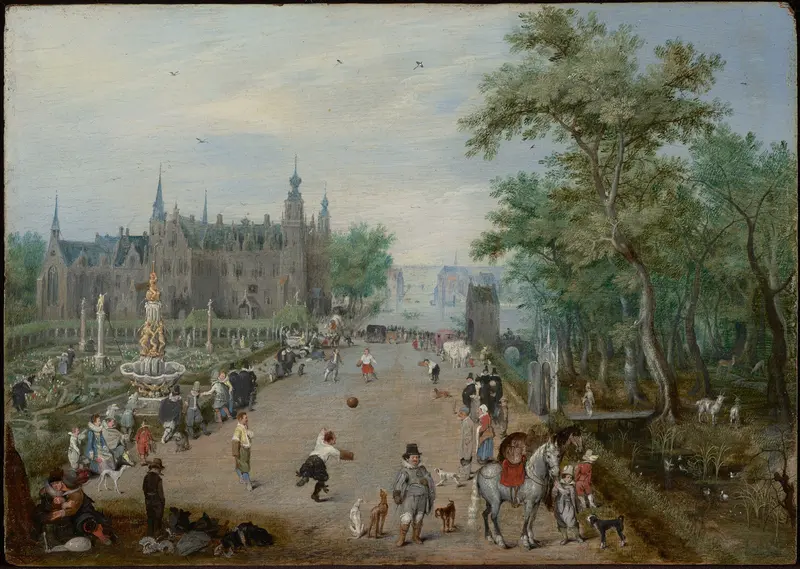
A Ball Game Before a Country Palace
Adriaen van de Venne
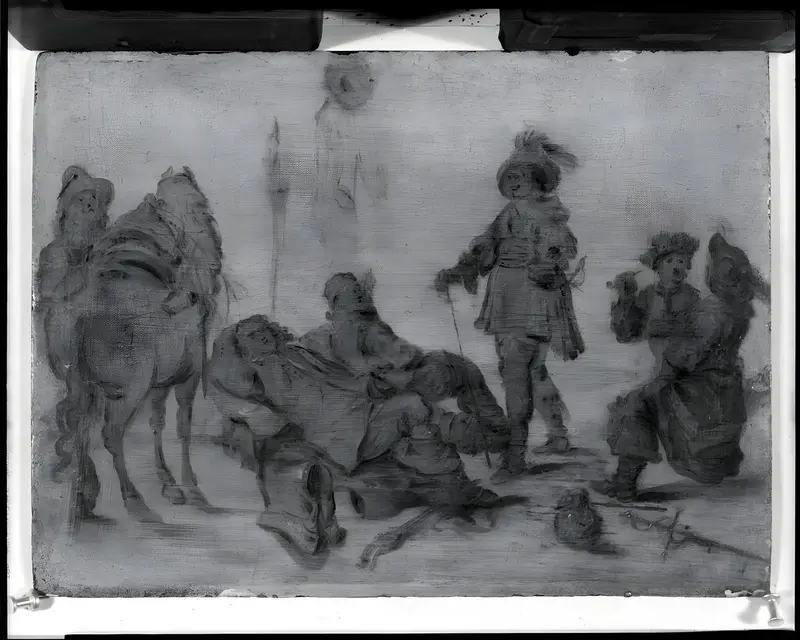
Group of Men and Horse
Adriaen van de Venne
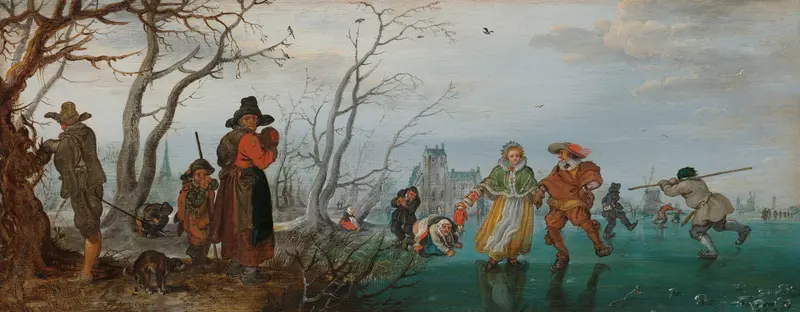
Winter
Adriaen van de Venne

Stadtholder Prince Maurice Lying in State
Adriaen van de Venne
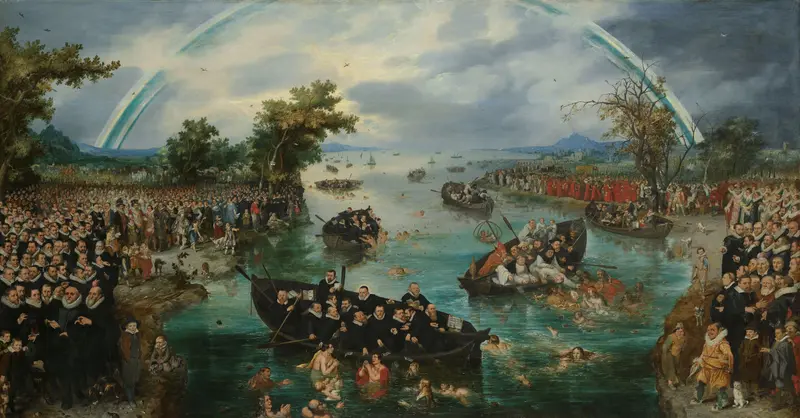
Fishing for Souls
Adriaen van de Venne
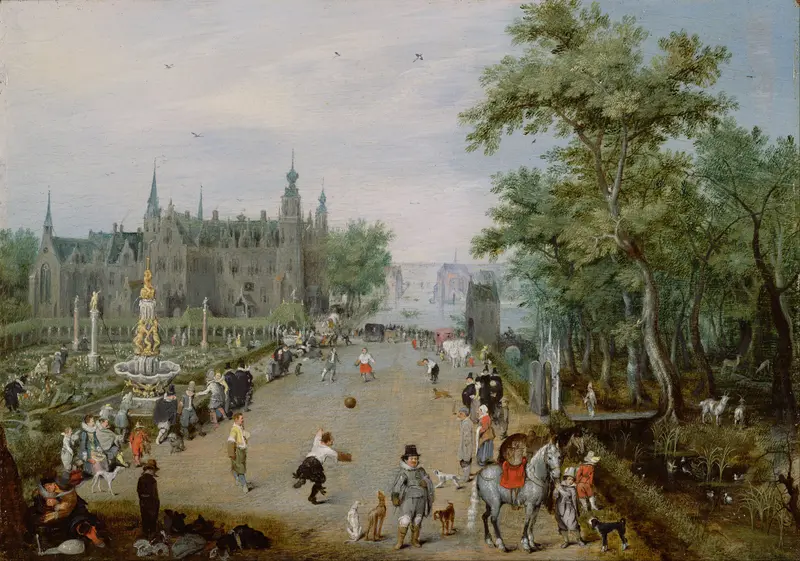
A Jeu de Paume Before a Country Palace
Adriaen van de Venne





