
Fishing for Souls — History & Facts
What first catches the eye in Fishing for Souls is the sheer density of humanity pressed to the banks of a river, their faces and gestures animated by rivalry and hope. The river itself becomes a stage for the drama of salvation, with boats crowded by men in black and white, their nets cast not for fish, but for the souls of the swimming multitudes. The rainbow arching across the sky seems almost to mock the divisions below, its unity contrasting with the split crowds and the frantic activity on the water.
On the left, richly dressed figures stand out among the throng—patrons and princes lending weight to the Protestant cause—while on the right, a tide of red-robed clergy and their own champions press forward. The artist leads the viewer’s gaze from the foreground’s urgent struggle, through the jostling boats, to the distant horizon where the river dissolves into a pale, uncertain light. This painting belongs to the world of the early seventeenth-century Dutch Republic, a time when art became a tool for persuasion as much as for devotion or delight. Created in 1614, during the uneasy pause of the Twelve Years Truce, Fishing for Souls is an allegory of religious competition, its crowded composition reflecting the intensity of confessional rivalry.
Such scenes were not uncommon in the period’s Northern art, where painters like Adriaen van de Venne employed wit, satire, and a keen eye for social detail to comment on the fractures of their world. Commissioned works like this might hang in the homes of wealthy burghers or circulate among political elites, serving as both conversation piece and warning. History has kept few traces of the painting’s early journey, but its crowded banks and restless waters still invite us to look closer, searching for meaning in every face and gesture.
More Artworks by Adriaen van de Venne

Merry Company in an Arbor
Adriaen van de Venne
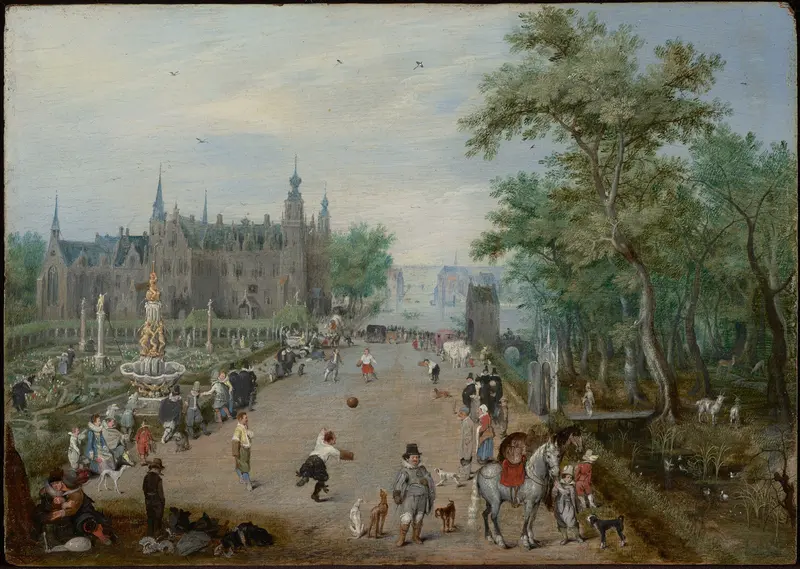
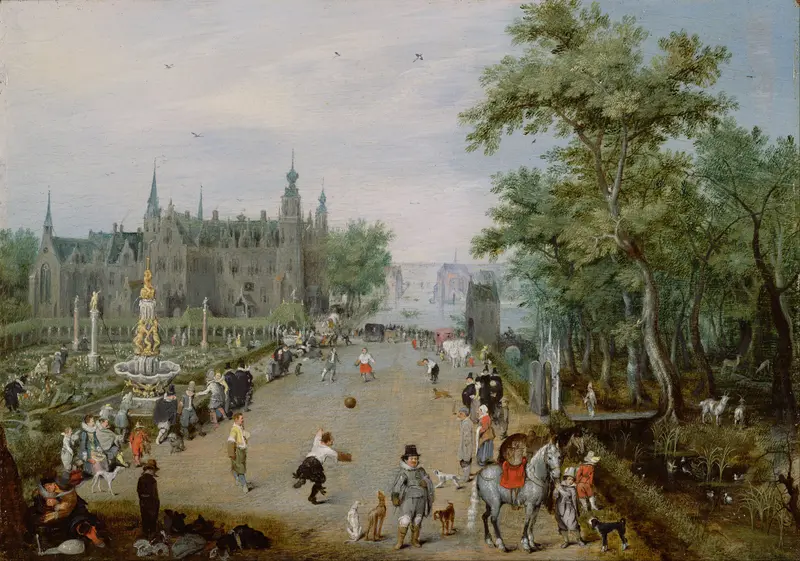
A Ball Game Before a Country Palace
Adriaen van de Venne
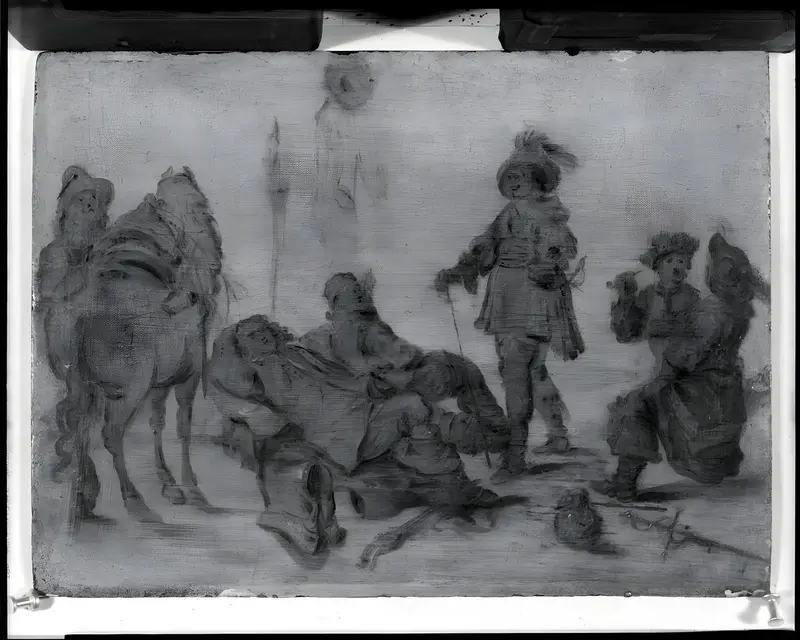
Group of Men and Horse
Adriaen van de Venne
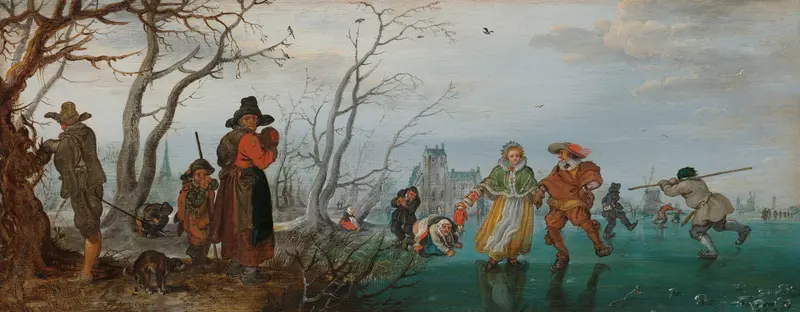
Winter
Adriaen van de Venne

Stadtholder Prince Maurice Lying in State
Adriaen van de Venne
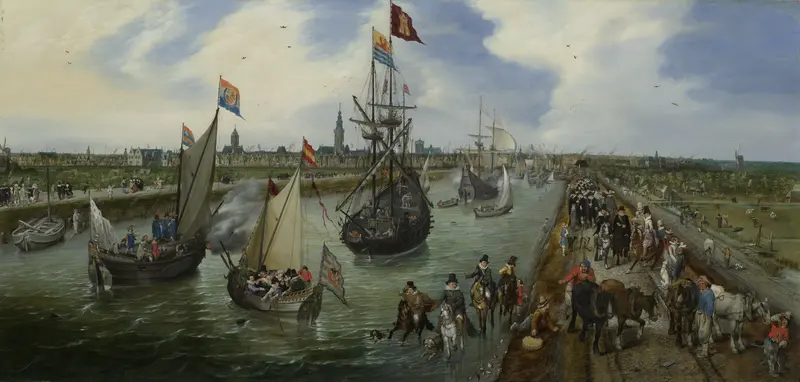
The Departure of a Dignitary from Middelburg
Adriaen van de Venne
A Jeu de Paume Before a Country Palace
Adriaen van de Venne





